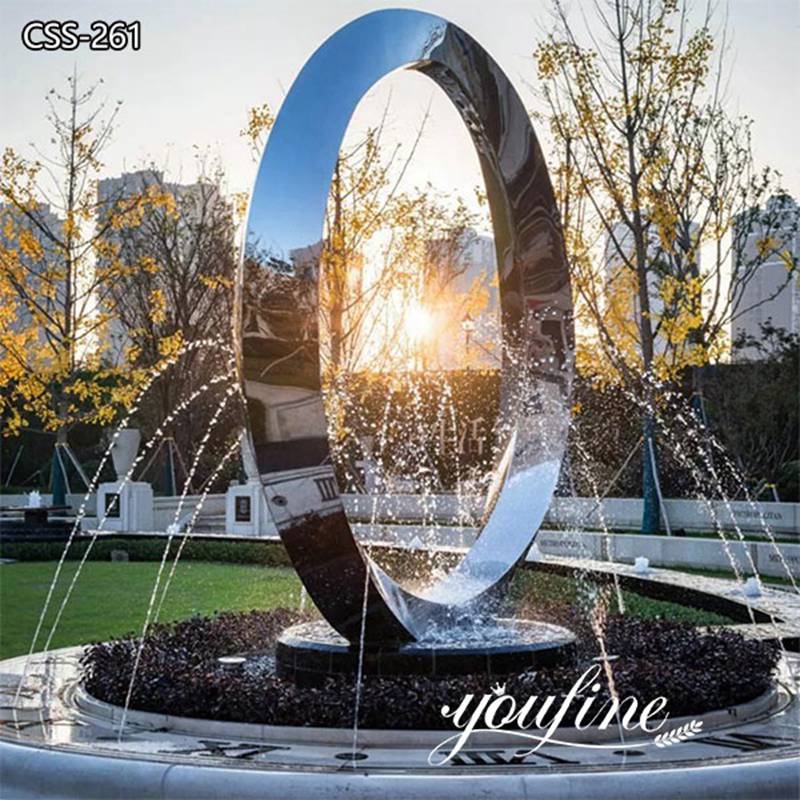
A Corten steel water feature brings together the natural movement of water and the modern look of metal sculpture. It can work well in a private garden, villa entrance, hotel landscape, commercial plaza, or public space.
However, it is difficult to know whether a water feature will suit your garden by looking at photos alone. Its style, size, location, water flow, and installation needs will all affect the final result.
Before making a choice, we suggest answering a few simple questions. How large is your garden? Do you want a quiet water feature, or should it become the main focal point? Are power and drainage already available? Would an existing design work, or do you need a custom solution?
This guide explains the main points to consider. You can also browse our Corten steel water feature collection to see some of the available design options.
Choose a Style That Suits Your Garden
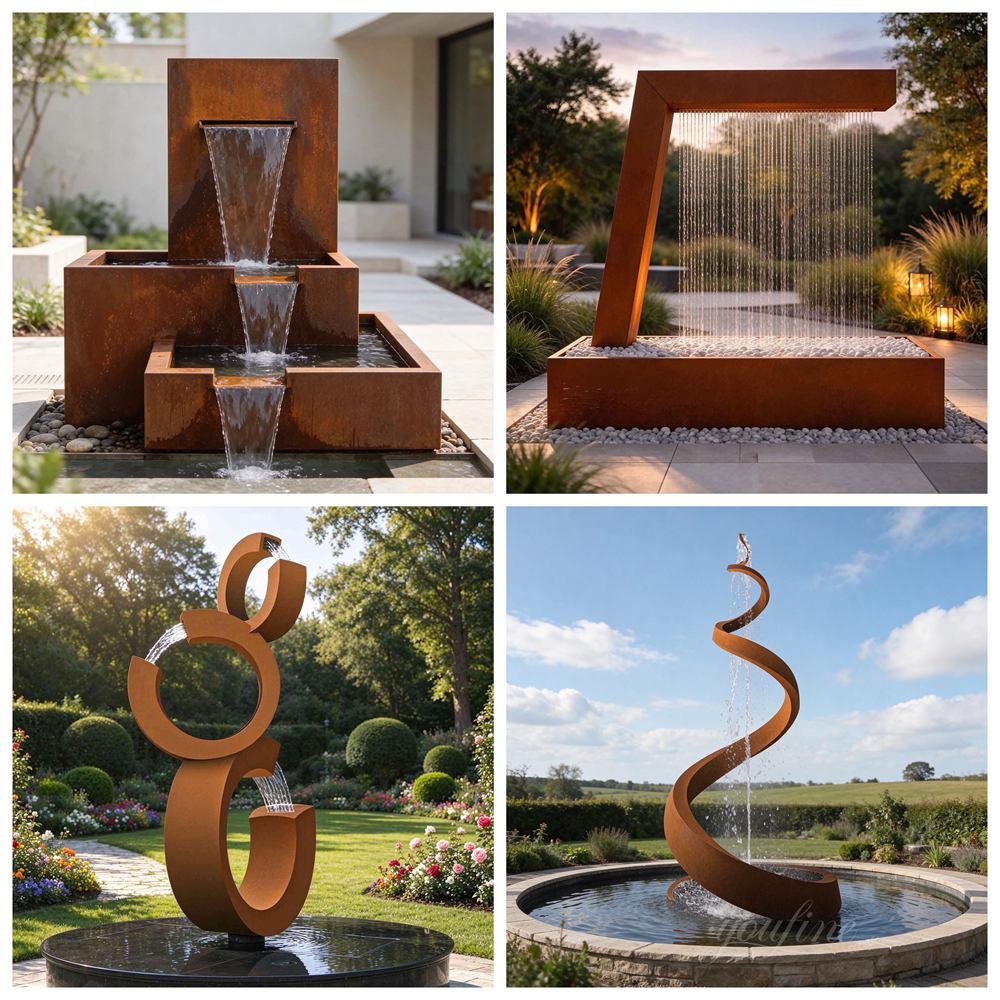
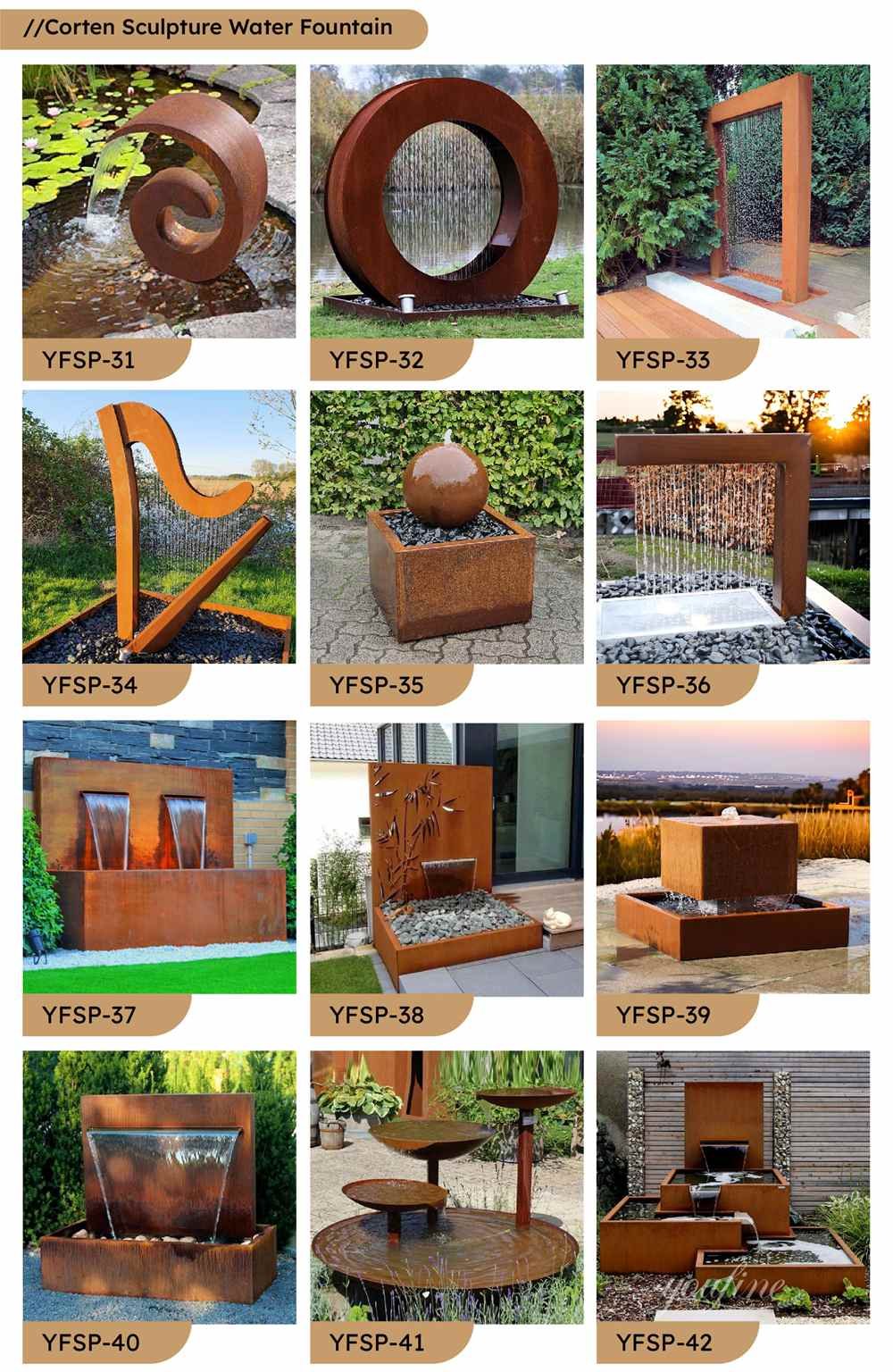
Corten steel water features come in many shapes. You do not need to study every design in detail. Start by thinking about your garden style, available space, and the effect you want to create.
| Water Feature Type | Main Characteristics | Suitable Spaces |
|---|---|---|
| Bowl or Basin | Low profile, calm water, and easy to combine with plants | Small gardens, patios, and planted areas |
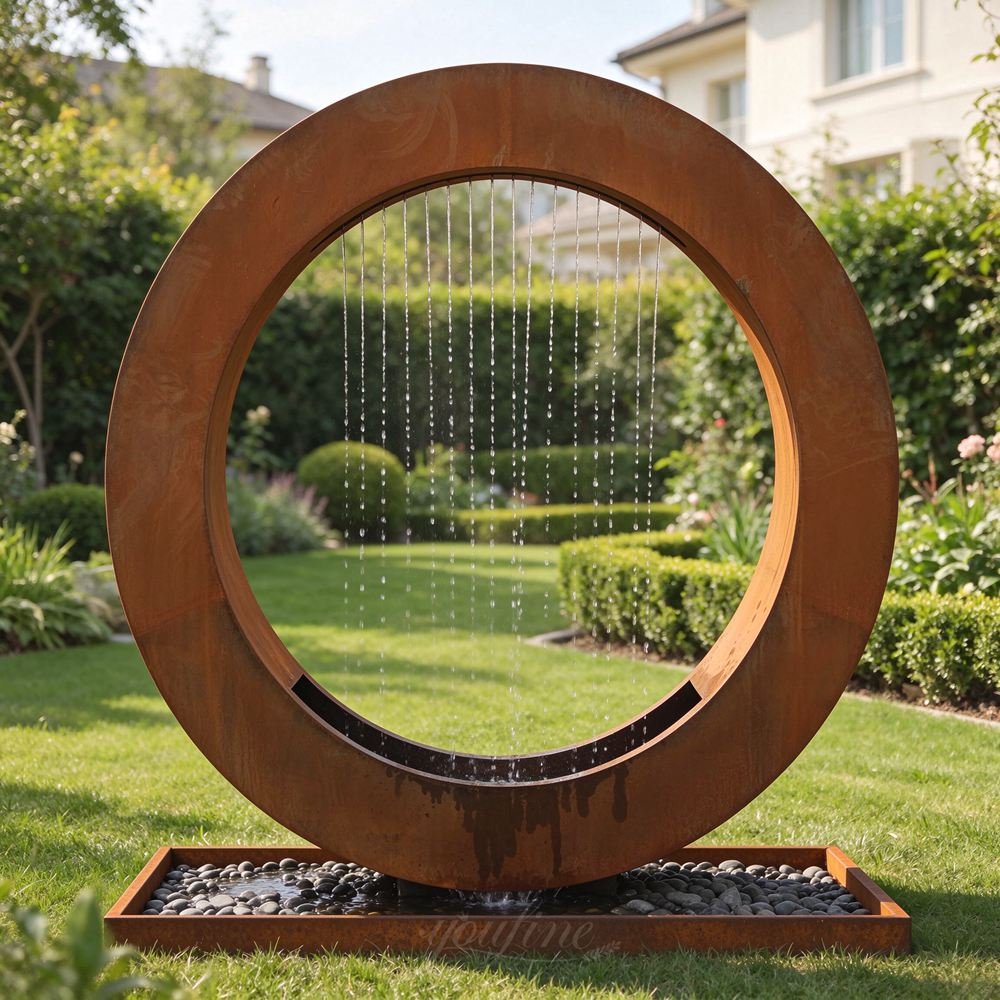
| Ring Water Feature | Strong sculptural shape and a clear focal point | Entrances, lawns, and open courtyards |
| Trough or Water Table | Long horizontal lines and a clean appearance | Modern gardens, paths, and wall areas |
| Cascade Water Feature | Adds height without using a large ground area | Walls, entrances, and garden dividers |
| Sculptural Water Feature | More freedom in shape and a stronger artistic look | Large gardens, hotels, and public spaces |
In general, a low bowl suits a smaller or quieter garden. A ring design creates a stronger focal point, while a trough works well in a long or narrow space. A water wall can add height where ground space is limited.
When choosing a style, we recommend looking at the overall effect instead of focusing only on small product details.
Choose the Right Size and Proportion
The same water feature can look very different in two gardens. A size that works well in a small courtyard may look too small on a large lawn. A large fountain may make a narrow garden feel crowded.
Before choosing a size, measure:
- The available width and depth
- The space needed for people to walk around it
- The distance from the main viewing point
- The height of nearby walls, plants, furniture, and buildings
- The space required for the basin, equipment, and maintenance
Do not judge the size from product photos alone. Many photos are taken from a short distance and do not show the true scale.
When asking for a quotation, we recommend sending a full photo of the site and the available length, width, and height. A simple garden plan can also be helpful. This allows us to understand the space and suggest a more suitable size.
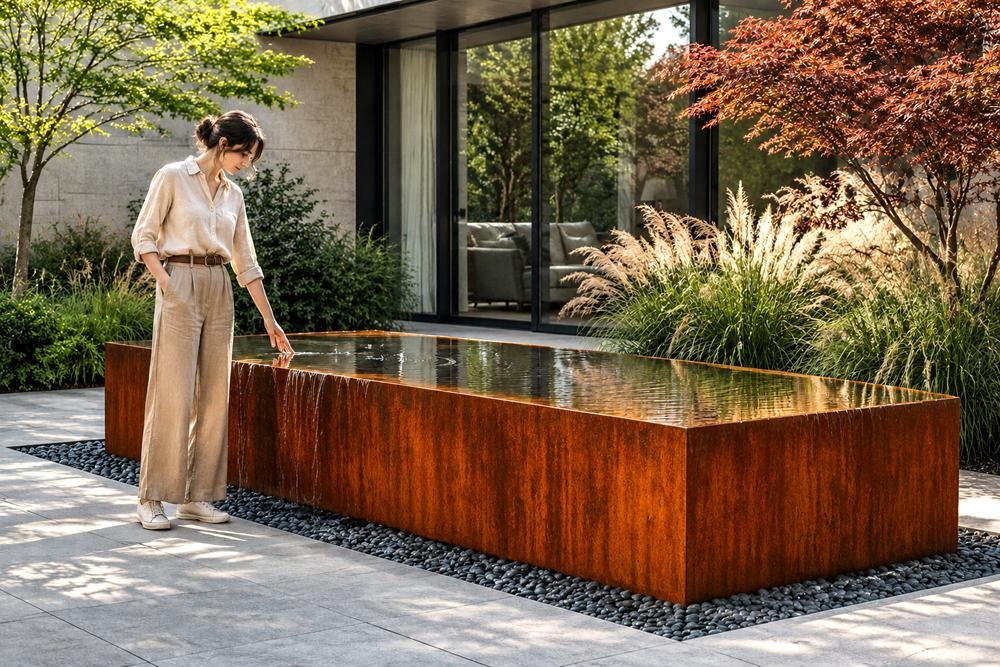
Choose the Right Location
A good location helps the water feature look better and makes daily use and maintenance easier.
Consider the Main Viewing Direction
Start by deciding where you will normally see the water feature. This may be from a living-room window, garden entrance, outdoor seating area, or main path.
If the fountain stands against a wall, you may only need to consider the front and side views. If it stands in the centre of a lawn, it should look complete from several directions.
Also think about nearby plants. A young tree or shrub may not block the view now, but it could cover part of the water feature as it grows.
Consider Water Sound
Also consider how the water will sound in its chosen location. A gentle flow may suit a seating area, while a stronger waterfall may work better in an open space. Near bedrooms, offices, or neighbouring properties, we recommend a softer flow.
Consider Wind and Splash
Tall waterfalls and thin water curtains are more affected by wind. In a windy area, water may move outside the basin and make a larger area around the fountain wet.
Avoid placing a splash-heavy fountain too close to doors, outdoor furniture, or narrow paths. Before choosing the final position, check the expected water height and splash area.
Consider the Ground and Drainage
The chance of rust-coloured marks depends on the surface treatment and the conditions around the water feature.
If the product has been fully pre-weathered and treated to help stabilise the surface, it will usually arrive with a developed rust-coloured finish. This can reduce loose surface rust and early rust-coloured water. However, the surface may still react to flowing water, rain, local water quality, and climate.
If you plan to install the fountain on pale stone, light concrete, or another surface that absorbs marks easily, we recommend confirming the surface treatment in advance. The overflow and drainage direction should also be planned carefully.
Consider the Material and Quality
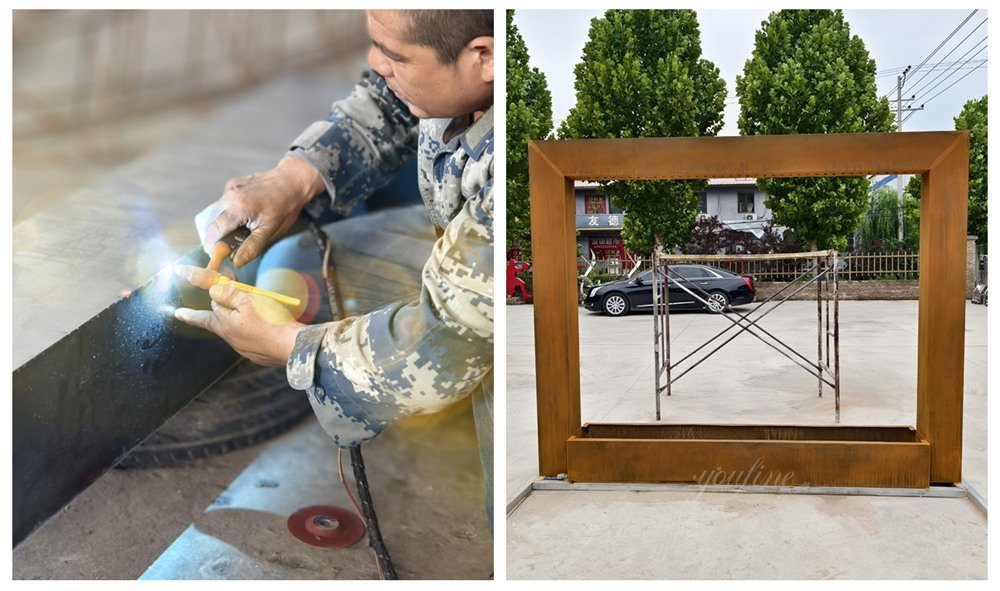
Corten steel forms a rust-coloured surface layer that helps slow further corrosion. However, the quality of a Corten steel water feature cannot be judged by colour alone.
Before buying, check:
- Whether the steel is suitable for an outdoor water feature
- Whether the steel thickness suits the size and structure
- Whether the welds are clean and strong
- Whether the edges have been finished carefully
- Whether the basin has been tested for leaks
- Whether the internal structure has enough support
- Whether the pump and pipes are easy to reach
- How the areas in regular contact with water are treated
- Whether the surface is naturally weathered, pre-weathered, or further stabilised
Thicker steel is not always the only sign of quality. The correct thickness depends on the size, shape, and internal support of the water feature. A large structure may need stronger support, while a smaller bowl may depend more on clean edges and careful welding.
Before placing an order, we recommend confirming the material, surface finish, internal structure, and leak-testing process.
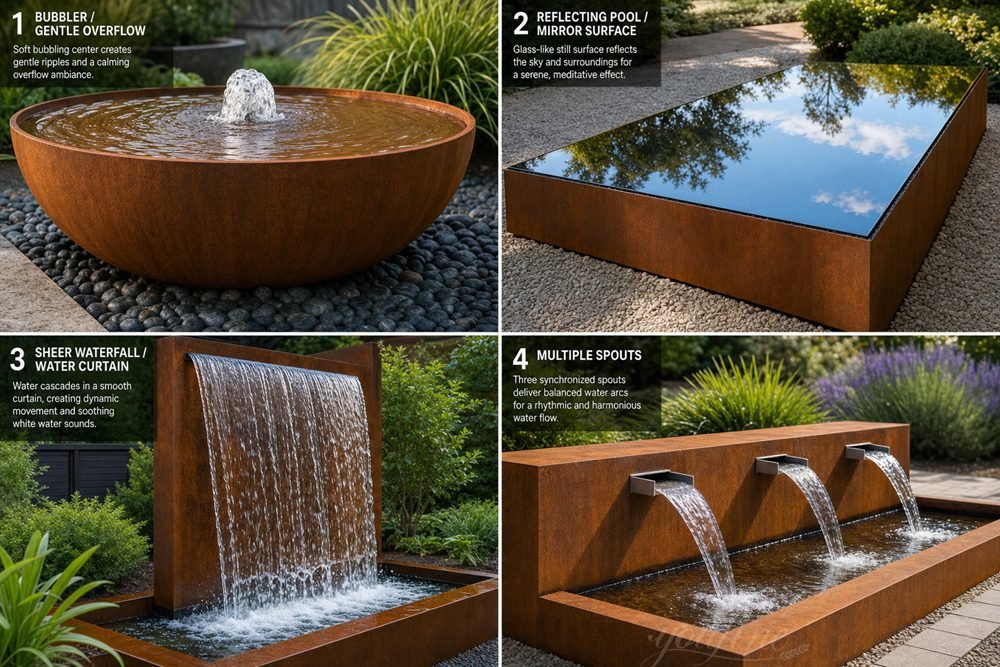
Choose the Water Flow Effect You Want
The appearance of a fountain matters, but the movement and sound of the water often have a greater effect on daily use.
Bubbling or Gentle Overflow
This type of flow is soft and quiet. It works well with water bowls and water tables and is often suitable near seating areas.
Reflective Water Surface
A reflective water feature has very little visible movement. Its main effect comes from the still surface and reflections. It suits a simple, modern garden but needs a level basin and a consistent water level.
Waterfall or Water Curtain
A waterfall or water curtain creates more visible movement and a stronger sound. It can become the main feature in a garden, but wind and splash need to be considered.
Several Water Outlets
Several outlets can create a more lively and decorative effect. They are often used in troughs and water tables. The water should flow evenly from each outlet, and the outlets should be easy to clean.
A stronger flow is not always better. Too much water may create excessive sound and splash. Too little water may not produce the intended effect. We normally choose the flow according to the size of the fountain, the drop height, and the sound you prefer.
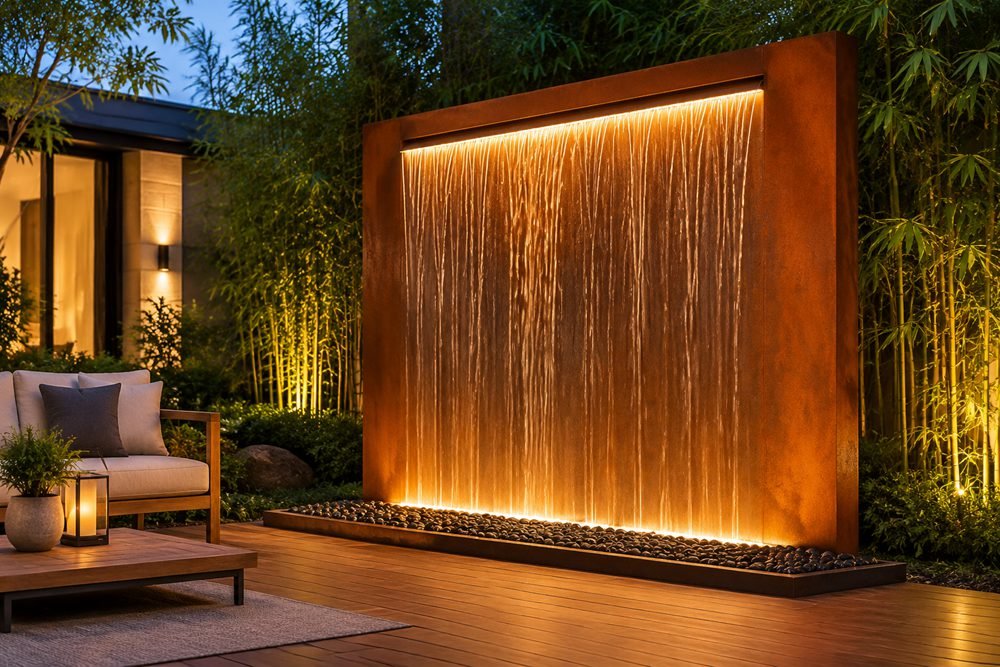
Decide Whether You Need Lighting
If you often use the garden in the evening, it is helpful to plan the lighting at the design stage.
Underwater lights can show the movement of the water. External lights can highlight the outline of the fountain and the warm colour of the Corten steel.
Warm white light usually creates a softer and more natural atmosphere. It works well in private gardens and hotel landscapes. Coloured lighting can suit commercial spaces, plazas, and projects that need a stronger night-time effect.
Lights should not point directly toward people, as this can cause glare. Cables, controls, and access points should also be planned early. Adding lighting during production usually gives a cleaner result than installing it after the fountain is complete.
Decide Whether You Need a Custom Design
An existing design does not always need to be changed. If the shape, size, and water flow already suit the site, a standard design may be the simpler choice.
A custom design may be useful when:
- The available space needs a special size
- You want to change the height, width, or proportions
- You need a particular water flow or sound
- You want to add a pattern, name, or logo
- The shape must match the building or garden design
- The project has special requirements for lighting, equipment, or installation
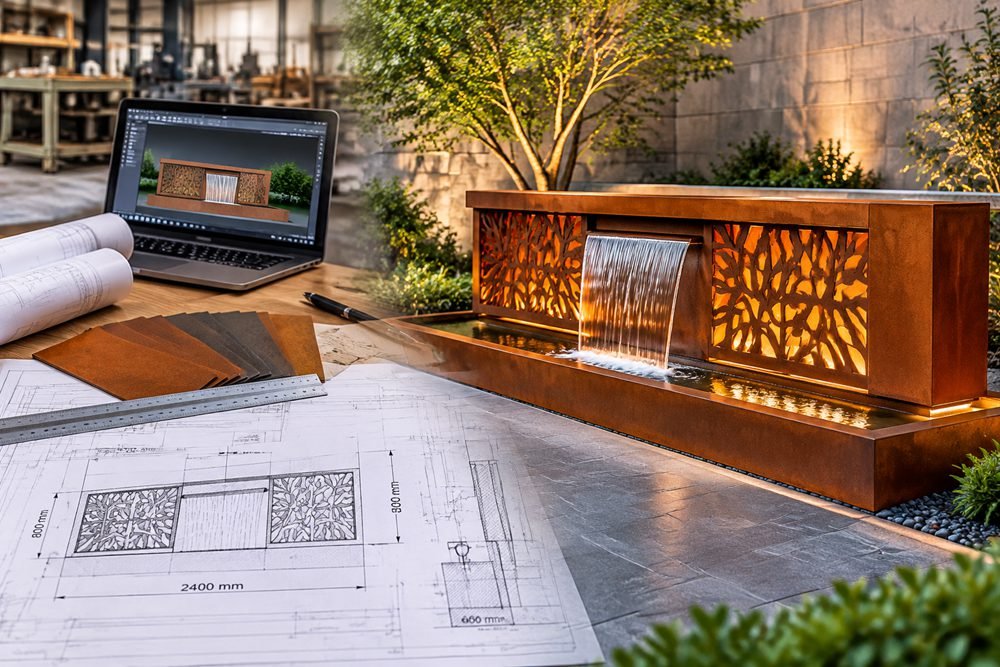
We can adjust the size, shape, water flow, and some decorative details to suit the project. Before starting the design, we normally ask for:
- Photos of the site
- Available space and dimensions
- A preferred design or reference image
- The water effect you want
- Whether lighting is required
- The installation location and destination country
- The preferred completion date
The more information you provide, the easier it is for us to decide which parts of the design can stay and which parts need to change.
Calculate the Full Project Budget
When buying a water feature, do not look only at the price of the main unit. The full budget may also include:
- The size and structure of the fountain
- Steel thickness
- Pump and circulation parts
- Lighting
- Surface treatment
- Custom design work
- Packing and shipping
- The site base
- Lifting and installation
- Power, water, and drainage work
When comparing quotations, check what is included. One quotation may cover only the fountain, while another may include the pump, lights, or some pipework.
Custom work can also affect the price. A simple size change may require less work than a new structure, water system, or decorative pattern.
Plan for Installation and Maintenance
Before confirming the order, we recommend checking the installation conditions.
The ground should be stable and level. For a large water feature, consider the delivery route, unloading area, and whether lifting equipment will be needed. The pump, cables, and pipes should remain easy to reach for future inspection and repair.
Regular care may include:
- Removing leaves and other debris
- Keeping the water at the correct level
- Checking that the pump works properly
- Cleaning blocked water outlets
- Removing scale or algae when needed
- Checking that the overflow and drainage work correctly
If winter temperatures fall below freezing, you may need to drain part of the system, turn off the power, or remove the pump. The correct steps depend on the design and installation. Follow the product instructions and advice from the local installer.
A Corten steel water feature should not be described as completely maintenance-free. Its metal surface does not normally need regular repainting like ordinary steel, but the pump, water, outlets, and basin still need routine checks.
Final Checklist Before You Buy
Before placing an order, ask:
- Does the style suit the garden?
- Is the size right for the available space?
- Does it look good from the main viewing point?
- Is the water sound suitable for the area?
- Have wind and splash been considered?
- What material and surface treatment are used?
- Are the pump, lights, and pipes included?
- Is a custom design needed?
- Does the budget include shipping and installation?
- Will the equipment be easy to inspect and maintain?
Conclusion
The right Corten steel water feature is not always the largest design or the one with the strongest water flow. It should suit the space, style, and way you use the garden.
We recommend choosing the location and overall effect first. You can then decide on the style, size, water flow, and lighting. If an existing design does not fully suit the site, it can often be adjusted.
If you are choosing a Corten steel water feature for a garden or landscape project, send us photos of the site, the available dimensions, and a design you like. We can use this information to suggest a suitable shape and setup.