What is Relief Sculpture?
Relief sculpture is a sculpting technique where artistic images are raised from a flat background, but do not completely detach from it. Unlike freestanding sculpture, relief sculptures are typically viewed from the front or a specific angle.
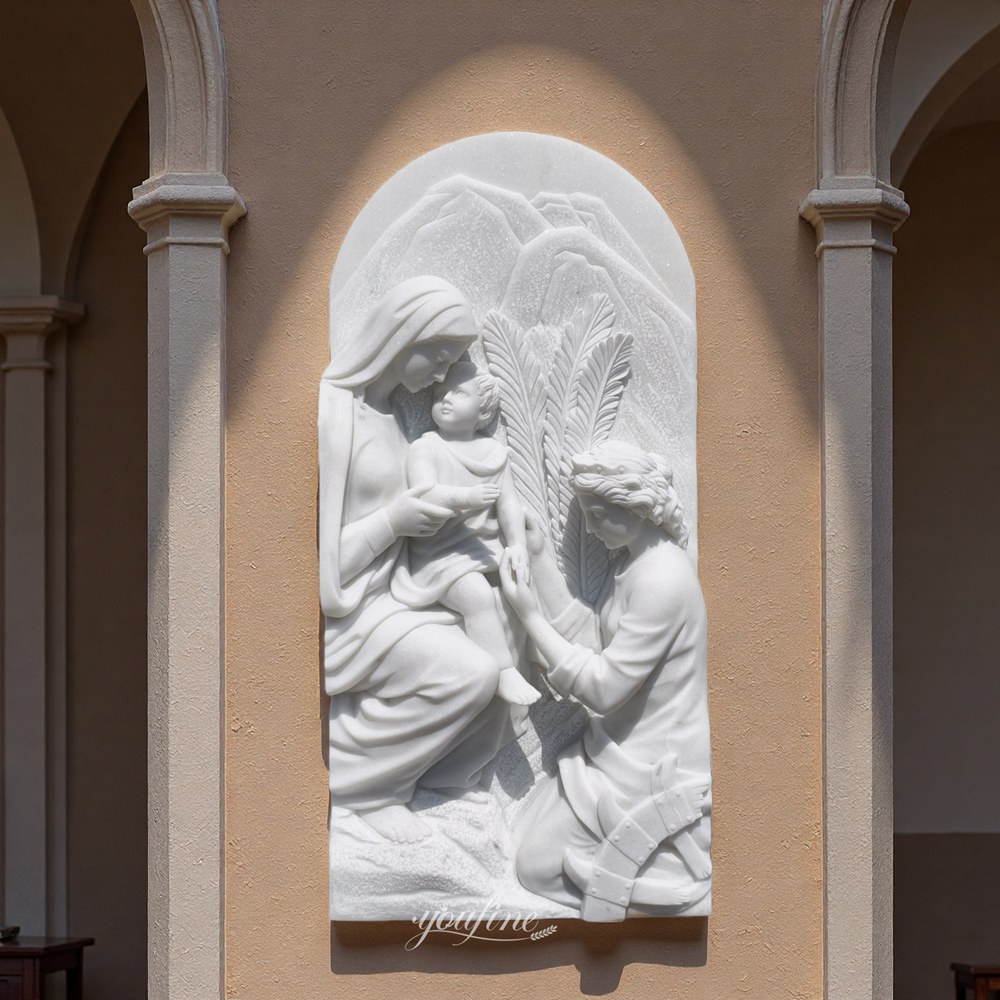
Common applications of relief sculpture include:
- Architectural decoration (temple walls, building facades, relief friezes)
- Monuments and memorial buildings
- Public space art installations
- Interior decoration and furniture carving
- Religious and cultural artworks
Relief sculpture can be both narrative and decorative, and is widely used in both historical art and modern design.
Five Different Types of Relief Sculpture
Relief sculptures are primarily classified based on the depth to which the sculpted forms protrude from the background. Here are five common types:
Low Relief (Bas-Relief)
Definition:
Low relief is a form of relief sculpture where the sculpted pattern protrudes only slightly from the background plane, usually no more than 1/3 of the actual thickness of the object.
Characteristics:
- Shallow protrusion height
- Most of the form remains connected to the background
- Depth and detail are conveyed through lines and variations in light and shadow
Common Applications:
- Coins and medals
- Wall decorative panels
- Historical narrative reliefs
Classic Applications:
- Friezes on the entablature of the Parthenon in ancient Greece
- Processional scenes on the Ara Pacis during the Augustan period in Rome
- National symbols or portraits of figures on modern coins
High Relief / Alto-Relief
Definition:
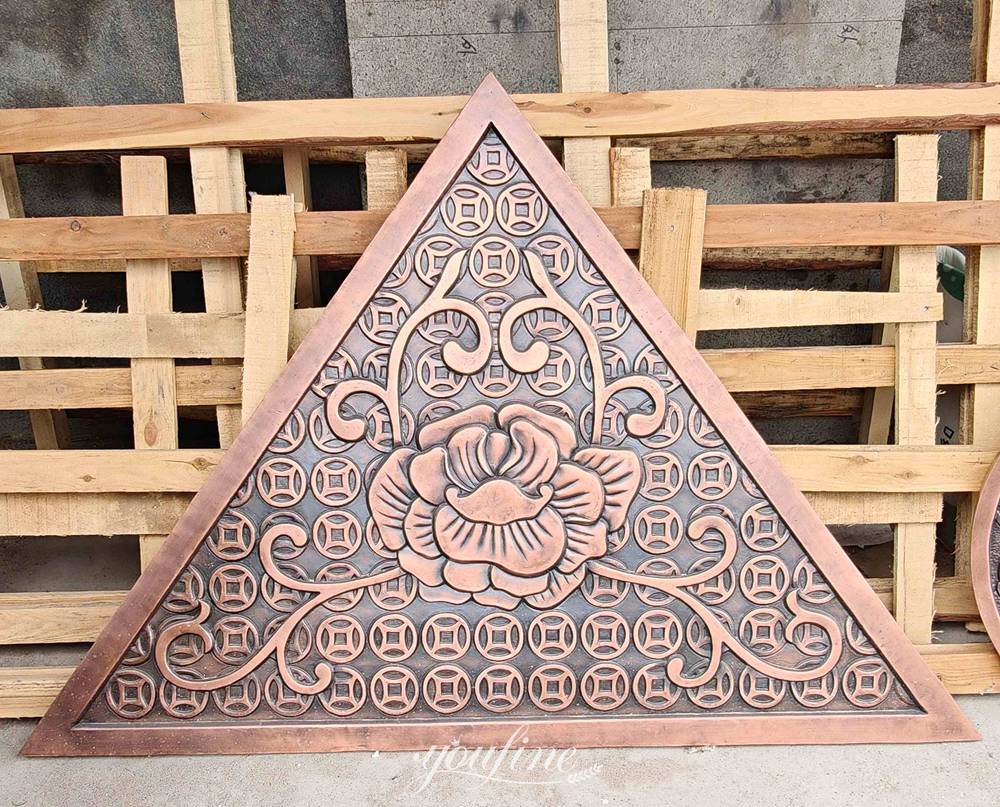
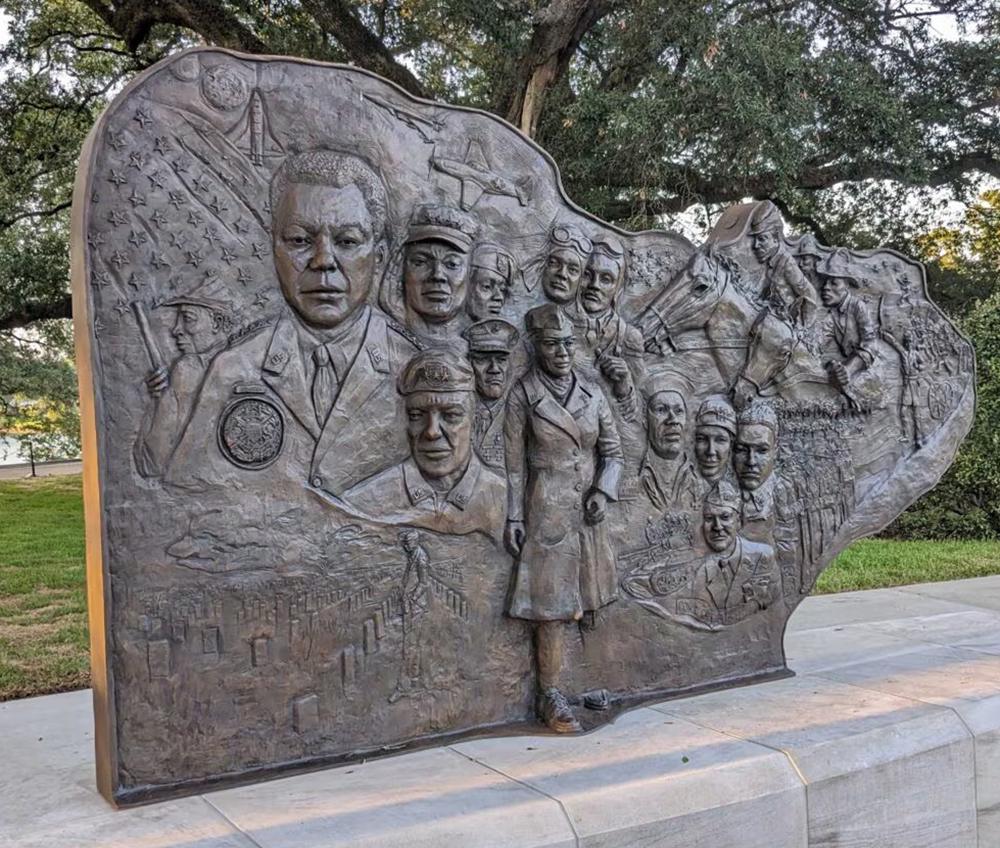
High relief is the main forms that significantly protrude from the background, with some parts (such as the head and arms) even completely detached from the base, approaching the effect of a full-round sculpture.
Characteristics:
- Deep layers and strong three-dimensionality
- Pronounced contrast between light and shadow
- Some elements may be almost completely detached from the background
- Suitable for depicting dynamic and complex group portraits
Common Applications:
- Large-scale monumental sculptures
- Religious building reliefs
- Architectural facade decoration
Classic Applications:
- The bronze doors of the Florence Baptistery (Ghiberti’s “Gates of Paradise”)
- The presidential heads on Mount Rushmore in the United States
- Contemporary artist Bill Mack’s mixed-media relief sculpture “Crescendo.”
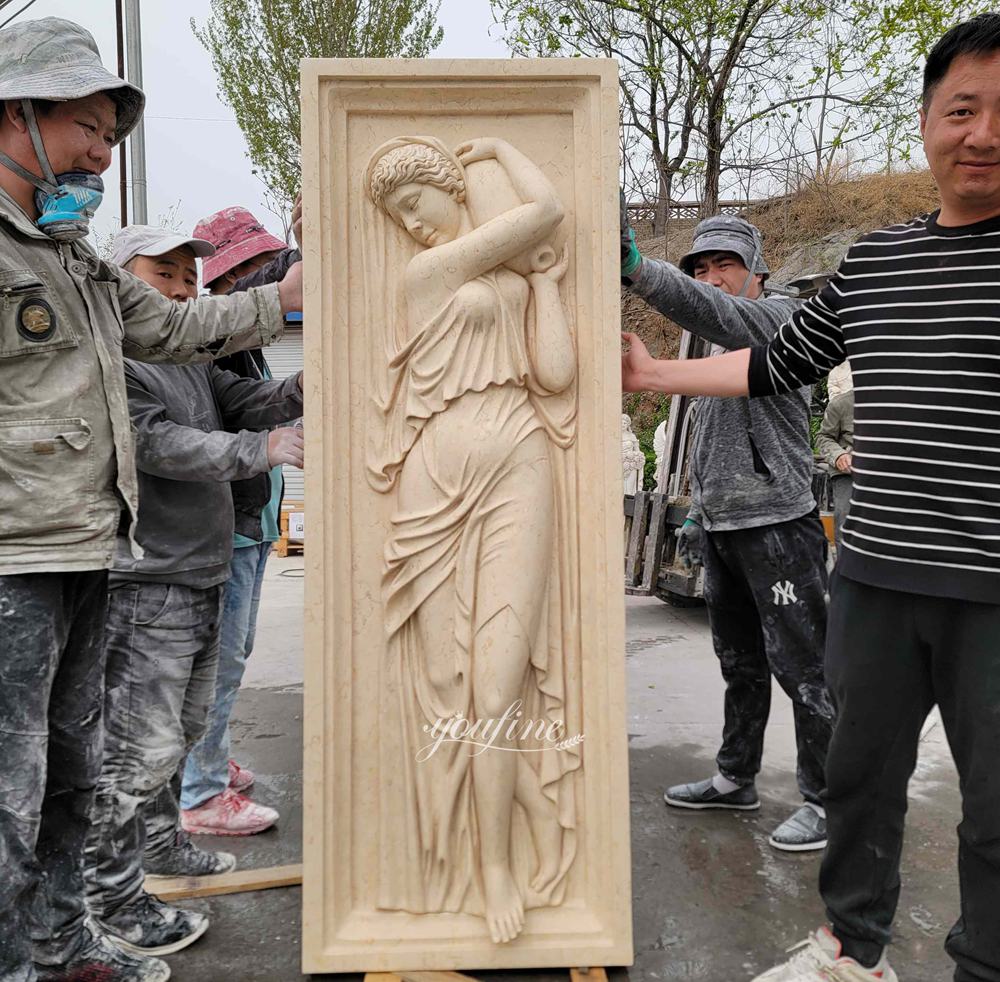
Sunken Relief / Intaglio
Definition:
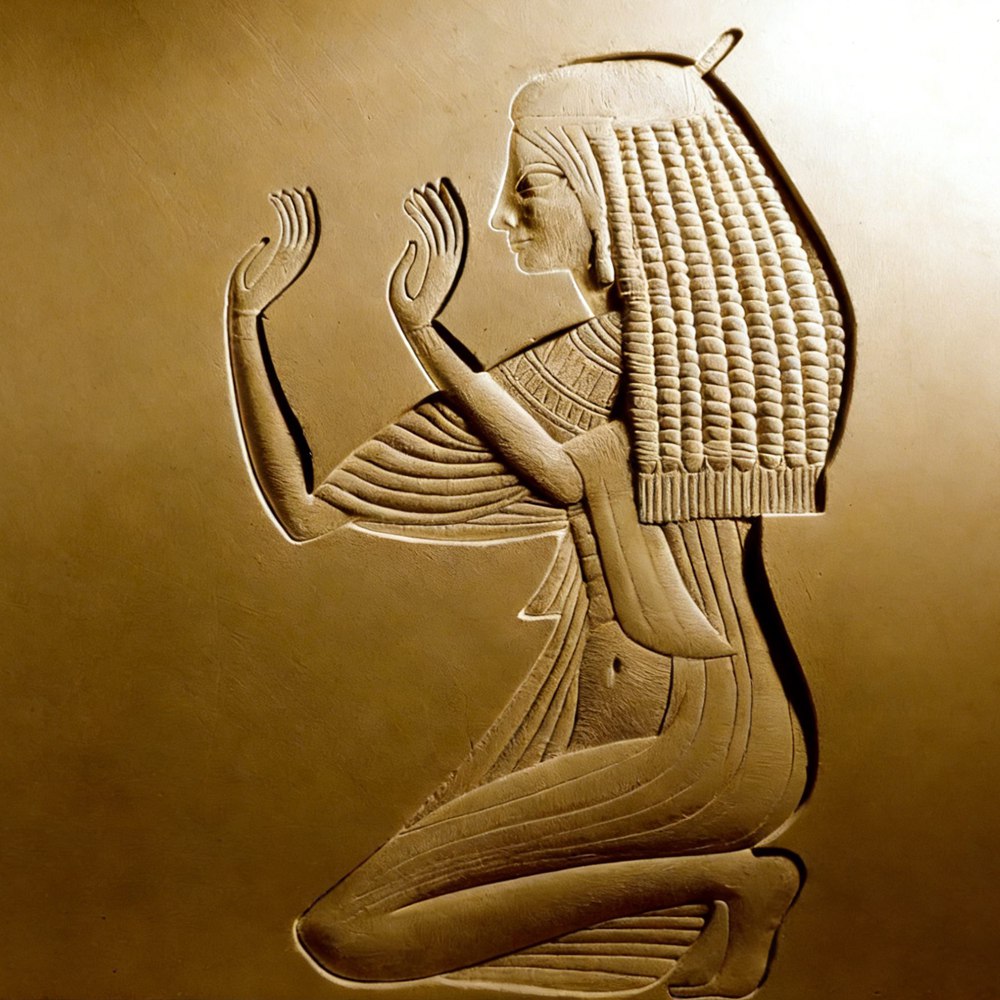
Sunken relief is not carved outwards, but rather the pattern is carved inwards, causing the image to be lower than the background plane, creating a “negative” effect.
Characteristics:
- The background is higher than the pattern, creating soft shadows when illuminated.
- It does not rely on strong contrasts of light and shadow.
- Extremely resistant to weathering, suitable for outdoor stone carvings.
Common Applications:
- Ancient Egyptian stone carvings
- Historical inscriptions
- Stone or brick wall decoration
Classic Applications:
- Inscriptions on the colonnade of the Karnak Temple in Egypt
- Stone carvings recording the names of pharaohs and images of deities
Medium Relief / Mezzo-Relief
Definition:
Medium relief is a type of relief sculpture that falls between low relief and high relief, possessing a moderate depth and a projection of approximately 1/2 of the form. It balances planar integration with three-dimensional expression.
Characteristics:
- Clear layering without being overly exaggerated
- Suitable for depicting human figures in action and narrative scenes
- Balances decorative and expressive qualities
Common Applications:
- Narrative wall reliefs
- Architectural decorative friezes

Pierced Relief / Openwork Relief
Definition:
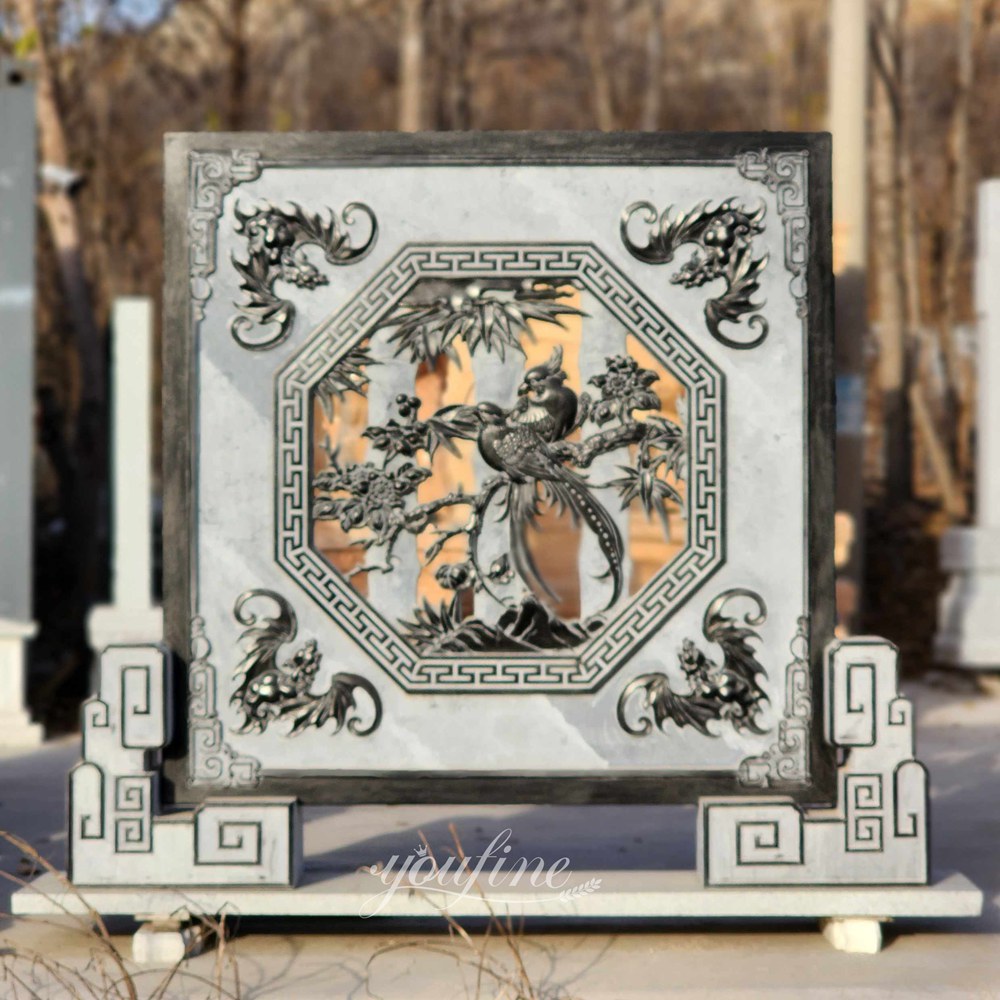
Pierced relief involves carving out portions of the background in a sculpture, allowing light or sight to pass through, creating a hollow effect with alternating solid and void spaces.
Characteristics:
- Utilizes negative space to enhance the visual effect
- Offers rich variations in light and shadow
- Possesses both decorative and artistic qualities
Common Applications:
- Screens and partitions
- Metal art installations
- Modern public art works
How to Choose Different Types of Relief Sculpture?
-
Selection Based on Application Scenario
- Large-area exterior walls and monumental buildings: Low relief, stable structure, controllable cost, clear visual effect from a distance
- Group portraits and heroic themes: High relief, strong three-dimensionality, prominent visual impact
- Outdoor stone carvings and historical restoration: Sunken relief, weather-resistant, details preserved longer
- Interior walls and furniture decoration: Medium relief, balanced three-dimensionality, and spatial harmony
- Screens, lamps, and artistic partitions: Perforated relief enhances light and shadow variations and spatial layering
-
Judgment Based on Artistic Expression Purpose
- Decorative and pattern expression: Low relief or medium relief
- Emphasis on narrative and dramatic tension: Medium relief or high relief
- Highlighting lines and symbolic meaning: Sunken reliefhas a stronger historical feel
-
Selection Based on Material Characteristics
- Stone, bronze: Suitable for high relief and medium relief, strong detail expression
- Wood, plaster: More suitable for low relief and medium relief, convenient for indoor applications
- Metal sheets: Often used for perforated relief, conducive to structural and stylistic innovation
-
Consideration of Viewing Distance and Scale
- Long distances or large spaces: High relief and low relief are easier to recognize
- Short distances or intimate spaces: Medium relief and low relief are more aesthetically pleasing
-
Consideration of Installation Environment and Lighting Conditions
- Outdoor strong light environment: High relief and sunken relief have clearer layers
- Indoor controllable lighting: Medium relief and perforated relief offer richer expression
Comparison of Different Types of Relief Sculpture
| Relief Type | Depth | Visual Characteristics | Typical Applications | Suitable Environment |
|---|---|---|---|---|
| Low Relief | Shallow | Clear lines, subtle depth | Exterior walls, monuments, and wall panels | Indoor / Outdoor |
| Mid Relief | Moderate | Balanced depth, rich details | Interior walls, furniture, and fireplace decoration | Mainly indoor |
| High Relief | Deep | Strong three-dimensional effect, dramatic impact | Figure groups, monumental architecture | Outdoor / Semi-outdoor |
| Sunken Relief | Recessed | Sharp outlines, high durability | Outdoor stone carvings, historical restoration | Outdoor |
| Pierced Relief | Openwork | Light and shadow interaction, visual transparency | Screens, lighting features, artistic partitions | Indoor / Semi-outdoor |
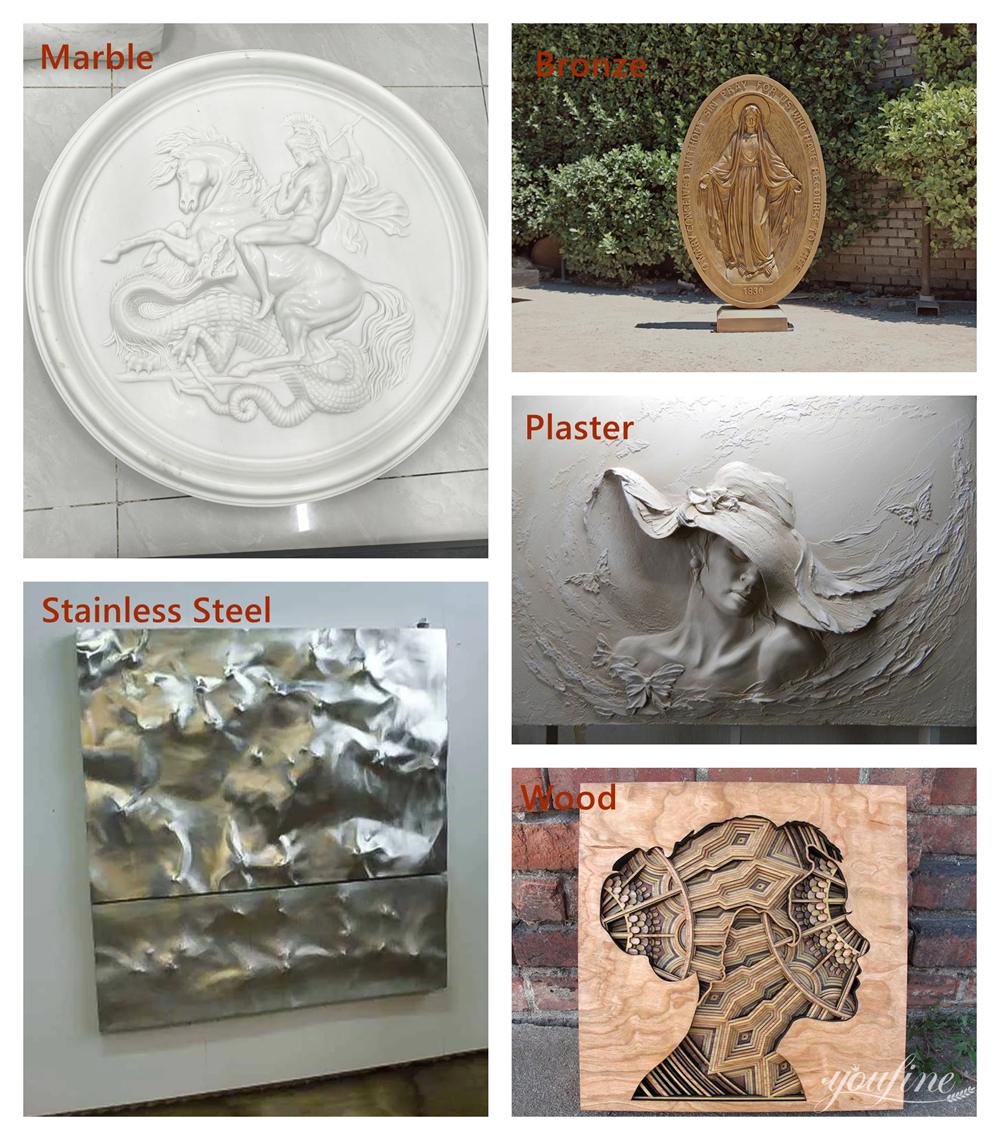
Common Materials Used in Relief Sculpture
| Material | Visual & Craft Characteristics | Suitable Relief Types | Typical Applications |
|---|---|---|---|
| Marble | Natural texture, high durability, suitable for fine carving | Low Relief / Mid Relief / High Relief | Architectural façades, monuments, religious and historical reliefs |
| Bronze | Excellent detail reproduction, strong depth, and weather-resistant | Mid Relief / High Relief | Public art, memorial walls, figurative reliefs |
| Wood | Warm appearance, natural grain, best for indoor use | Low Relief / Mid Relief | Interior walls, furniture, and religious decorations |
| Plaster | Easy to shape, lightweight, cost-effective | Low Relief / Mid Relief | Interior décor, prototypes, art models |
| Stainless Steel | Modern aesthetic, corrosion-resistant, suitable for cutting and perforation | Pierced Relief / Mid Relief | Screens, architectural panels, and contemporary public art |
Conclusion: Enhancing Space Value with Relief Sculpture
Relief sculpture achieves a perfect balance between two-dimensional and three-dimensional forms, possessing both artistic depth and decorative beauty. Whether used for building facades or interior art decoration, whether you are an architect, artist, collector, or simply someone who appreciates aesthetics, you can choose the appropriate type of relief sculpture to enhance your space.
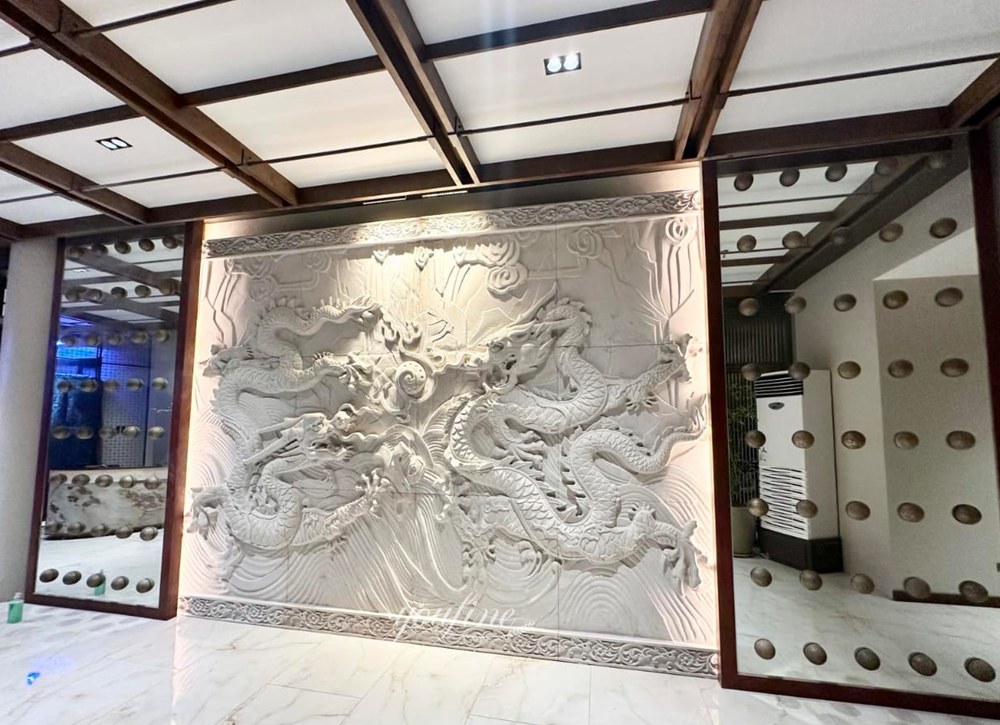
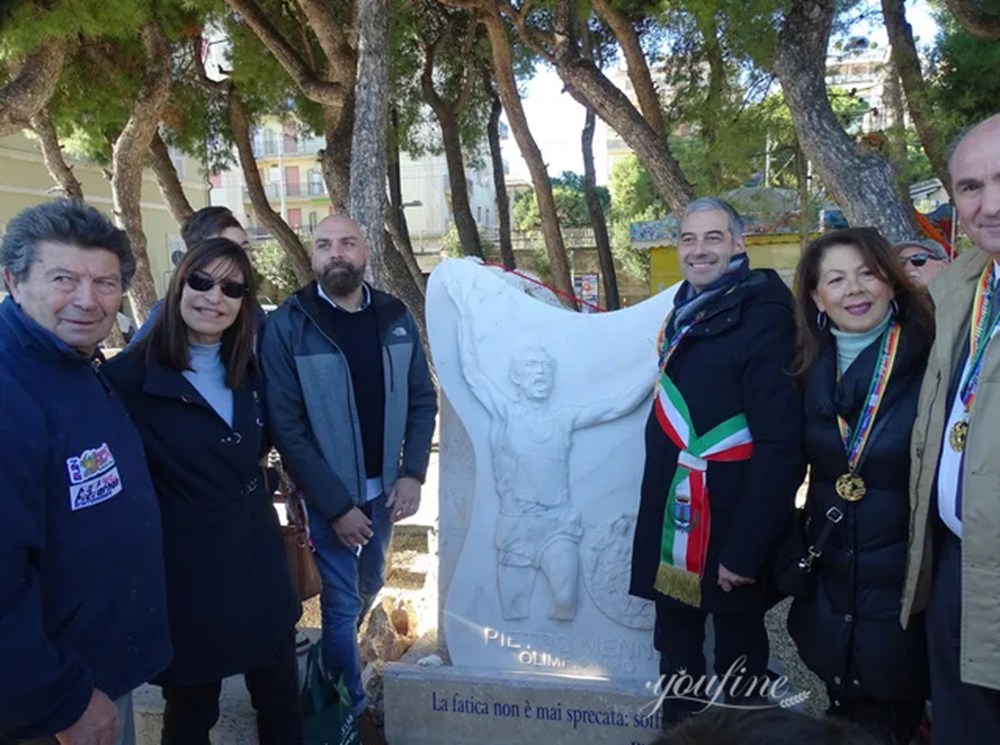
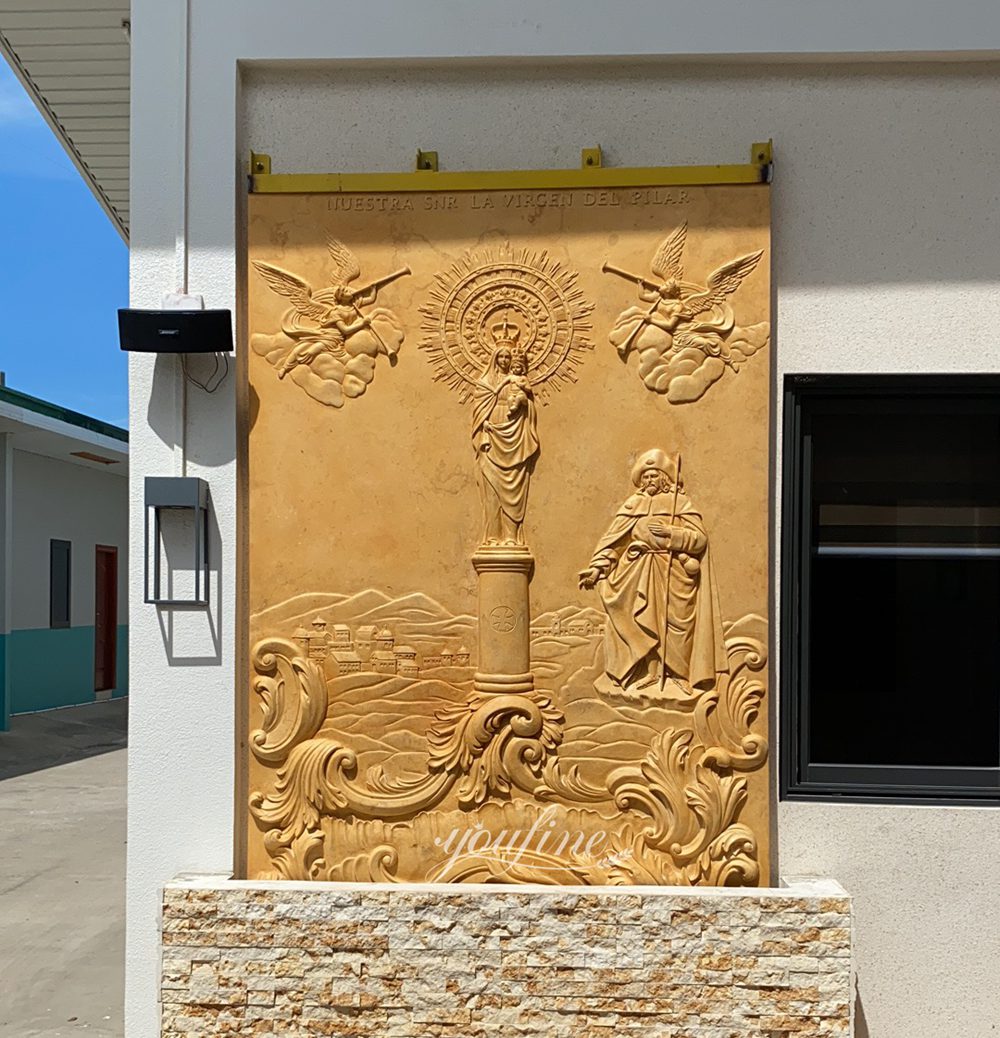
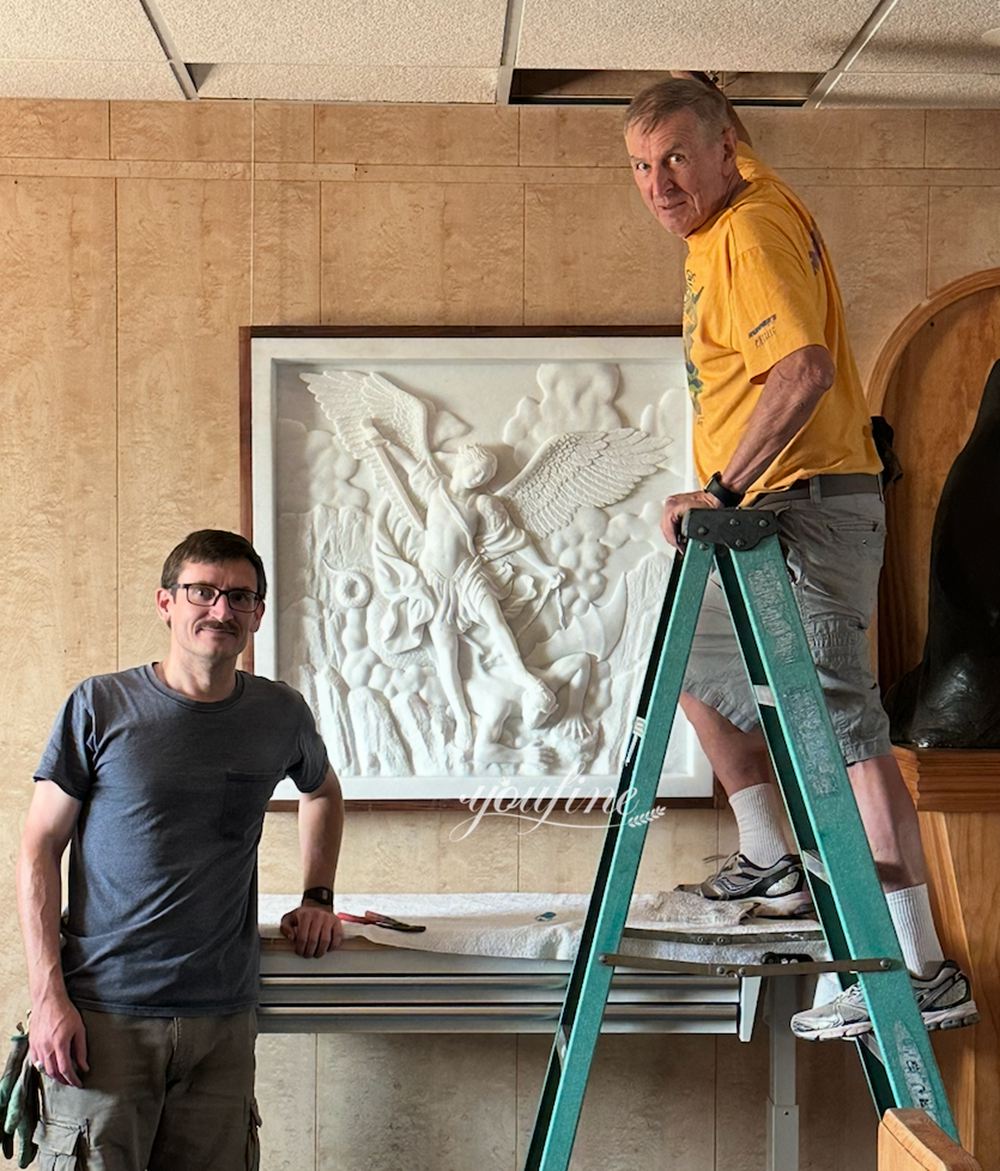
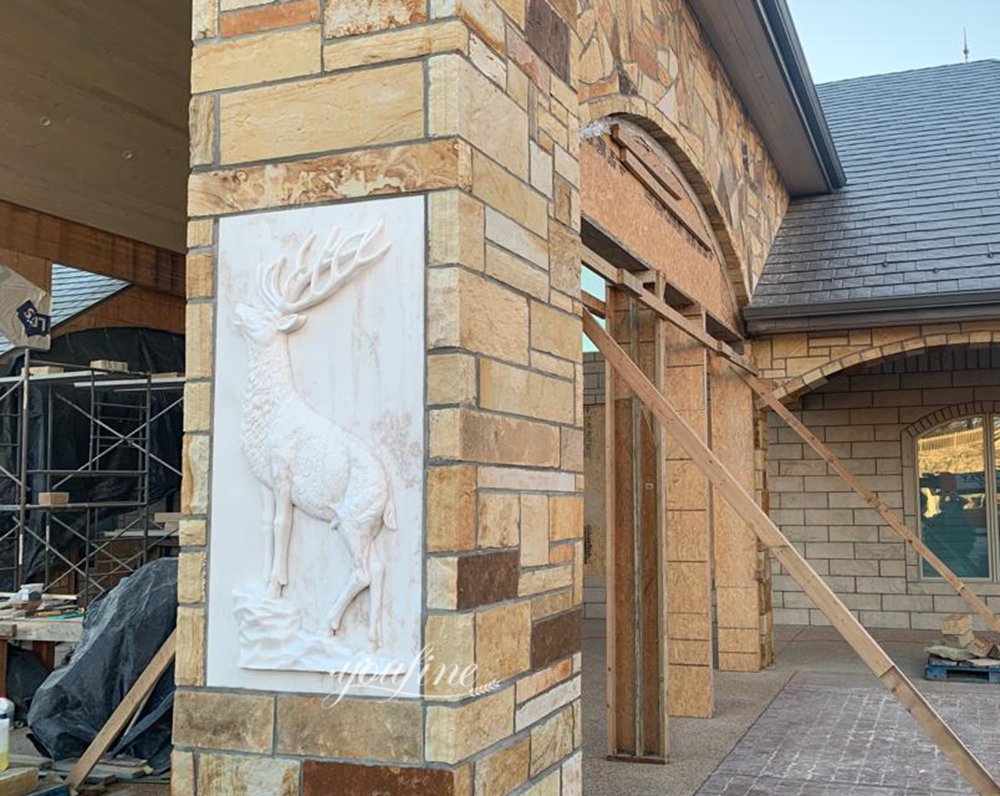
YouFine Sculpture has extensive experience in creating relief sculptures and can offer you a variety of materials, including marble, bronze, and stainless steel. If you have a favorite relief sculpture you would like to replicate or wish to commission a custom-made relief artwork, don’t hesitate to get in touch with us directly for a personalized solution.