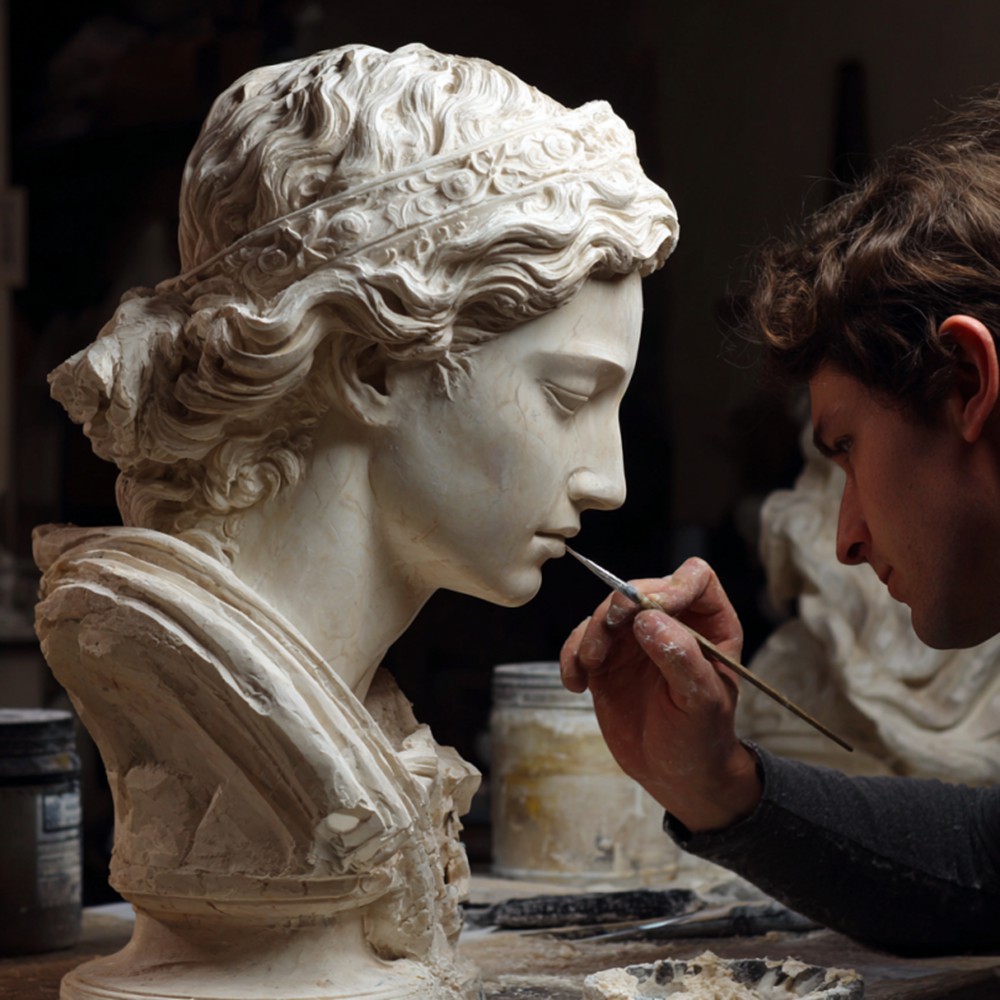
A sculpture pedestal is far more than a simple stand. The right pedestal improves viewing angles, enhances artistic presentation, increases stability, and protects valuable artwork from damage. The wrong pedestal, however, can make even a beautiful sculpture feel awkward, unstable, or visually disconnected from its surroundings.
Whether you are displaying a marble bust indoors, installing a large bronze sculpture outdoors, or presenting a modern abstract sculpture in a gallery, choosing the correct sculpture pedestal is essential for both aesthetics and safety.
In this blog post, we will guide you step-by-step through what a sculpture pedestal is, the distinction between a sculpture pedestal and a sculpture base, the situations in which a sculpture pedestal is required, and—most importantly—how to select the appropriate pedestal for your sculpture.
What Is a Sculpture Pedestal?
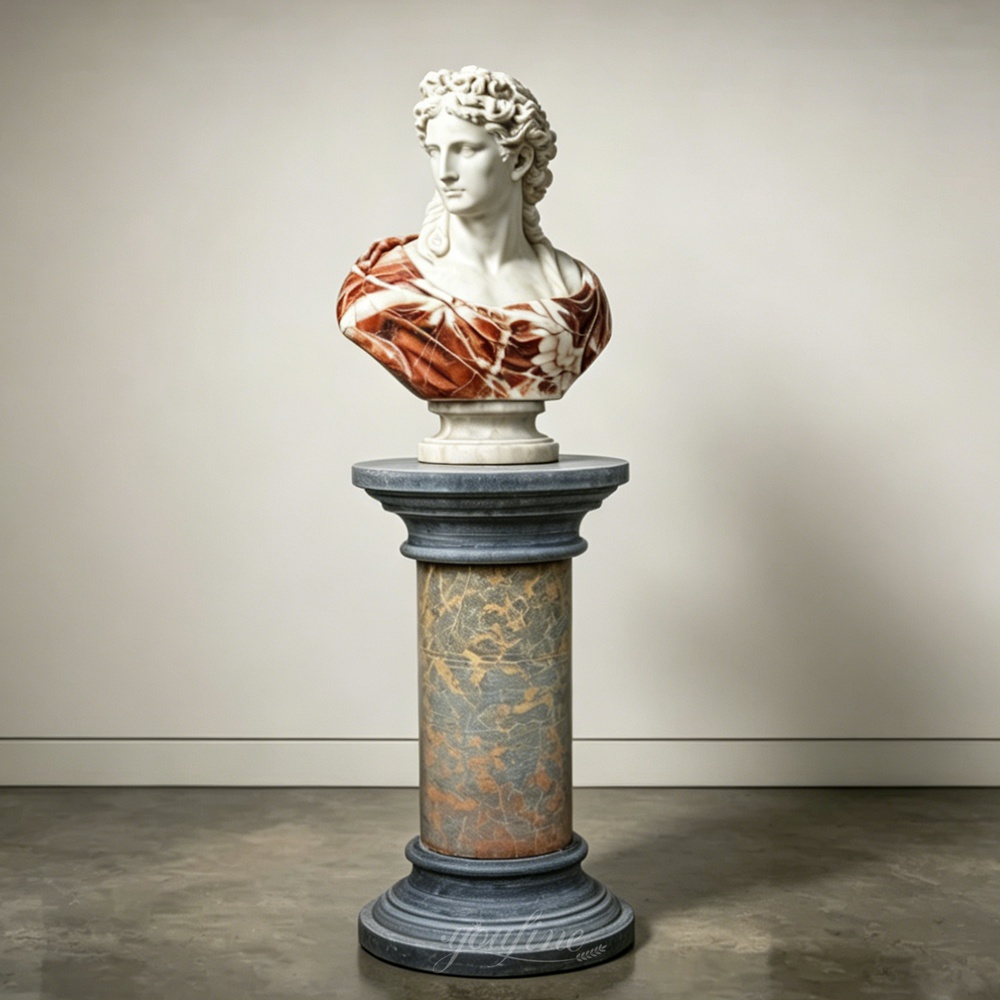
A sculpture pedestal is also called a gallery plinth or display stand. It is a standalone elevated platform built to support, stabilize, and showcase artworks. Different from ordinary furniture stands or a sculpture’s integrated base, it acts as both a practical and decorative piece.
A well-designed sculpture pedestal can:
- Raise the sculpture to the ideal viewing height
- Improve visual focus and proportion
- Increase physical stability
- Protect artwork from accidental damage
- Create a stronger sense of importance or monumentality
- Complement the sculpture’s artistic style
Sculpture pedestals are commonly used in galleries, museums, luxury homes, hotels, churches, memorial spaces, and outdoor public art installations.
Integrated Sculpture Base vs. Sculpture Pedestal
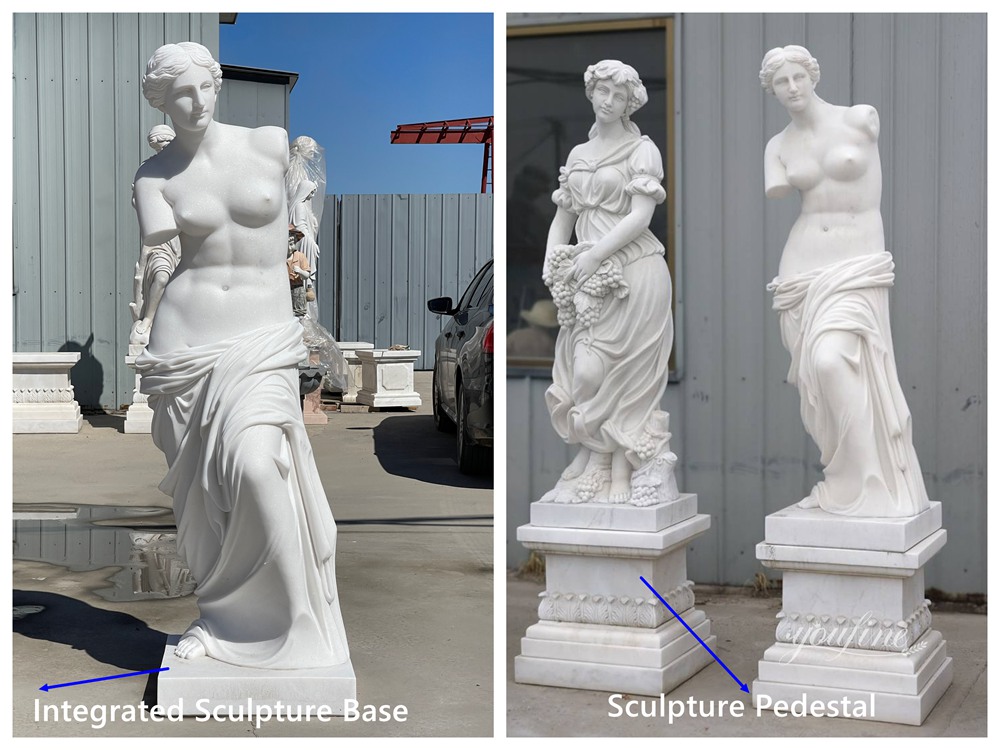
In daily life, we often confuse the distinction between an integrated sculpture base and a separate sculpture pedestal. The following details the specific differences between the two:
| Feature | Integrated Sculpture Base | Sculpture Pedestal |
|---|---|---|
| Definition | Built into the sculpture itself | A separate supporting structure |
| Main Purpose | Helps the sculpture stand | Elevates and enhances the sculpture |
| Visual Function | Structural and minimal | Improves viewing angles and presentation |
| Height Added | Usually very limited | Can significantly raise sculpture height |
| Stability | Depends on the sculpture design | Provides additional support and balance |
| Protection | Minimal floor protection | Helps protect artwork from impacts and dirt |
In summary, an integrated sculpture base is an intrinsic part of the sculpture itself—typically low in profile, ranging from 5 to 15 centimeters in height. A separate sculpture pedestal, conversely, is a standalone fixture used specifically for displaying the artwork; it can be purchased independently and typically stands between 90 and 120 centimeters tall, with customization options available to suit specific requirements.
When Do You Need a Sculpture Pedestal?
Not every sculpture requires a pedestal. However, certain types of sculptures strongly benefit from pedestal support for visual, symbolic, or structural reasons.
-
Small Sculptures That Need Better Viewing Angles
Small and medium-sized sculptures are often too low to appreciate properly when placed directly on the floor. This is especially common with:
- Marble busts
- Tabletop sculptures
- Fine-detail abstract sculptures
- Small bronze figures
A pedestal raises the artwork closer to eye level, allowing viewers to appreciate the sculpture’s details without bending down awkwardly. In galleries and museums, the ideal focal point is typically positioned around 60 inches from the floor, which is why pedestal height plays such a critical role.
-
Classical, Religious, and Memorial Sculptures
Certain sculptures carry symbolic, spiritual, or commemorative meaning and visually require elevation. Examples include:
- Virgin Mary statues
- Angel sculptures and Saint statues
- Greek and Roman classical sculptures
- Memorial bronze statues
A pedestal creates a psychological separation between the artwork and the ground, adding dignity, reverence, and monumentality. Elevating the sculpture encourages viewers to look upward, creating a stronger emotional and ceremonial presence. This is why classical marble sculptures are traditionally displayed on stone plinths or architectural pedestals.
-
Fragile or High-Value Sculptures That Need Protection
Pedestals also serve as physical protection barriers. High-value sculptures made from marble, polished bronze, glass, or mirror-polished stainless steel can easily be scratched, chipped, or damaged on the floor.
A pedestal helps protect your investment from:
- Foot traffic and accidental kicks
- Cleaning equipment and vacuums
- Pets and children
- Moisture and dirt buildup
-
Sculptures That Cannot Stand Securely on Their Own
Some sculptures are structurally unstable without additional support. Examples include:
- Dynamic bronze figure sculptures
- Diving or dancing statues
- Abstract stone sculptures with curved bottoms
- Sculptures with narrow contact points
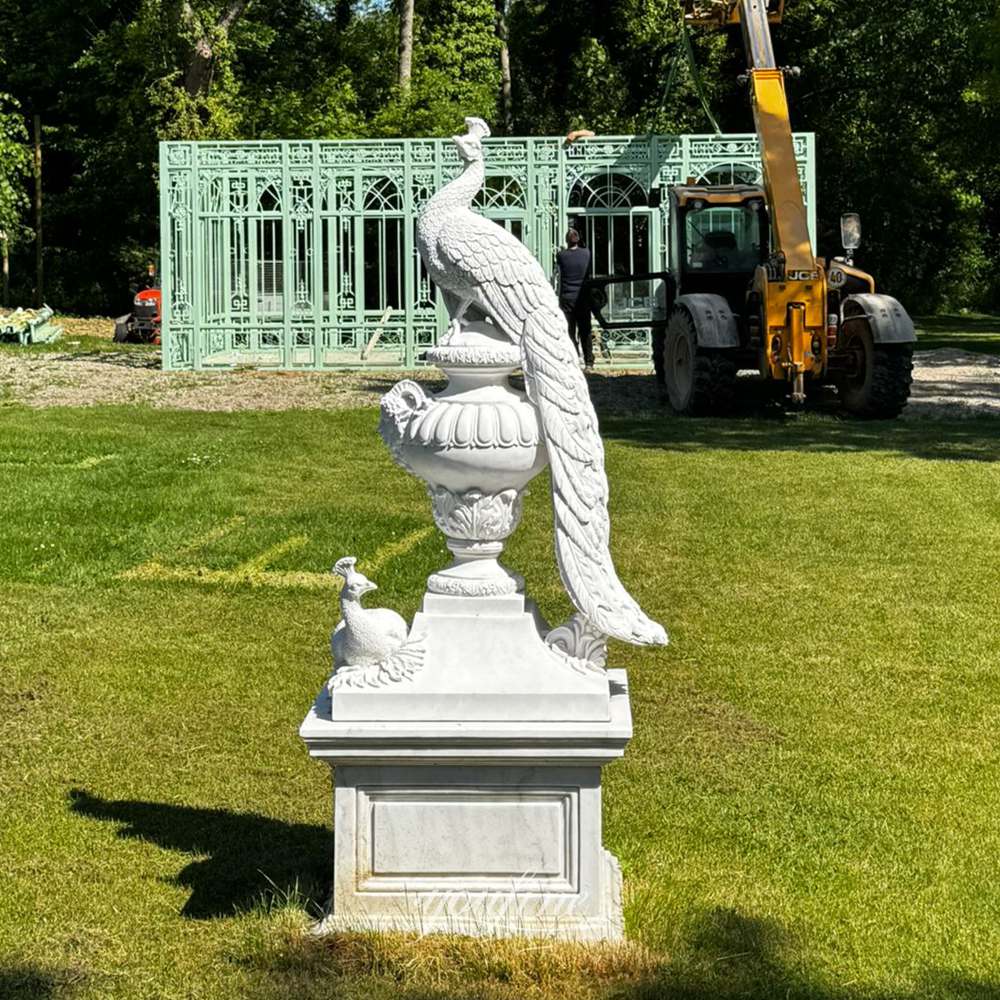
These artworks often require reinforced pedestals with anchor bolts, internal steel supports, or custom mounting systems to ensure safe installation. For outdoor sculptures, pedestal stability becomes even more important due to wind loads and uneven surfaces.
How to Choose the Right Sculpture Pedestal?
Step 1: Master the Sculpture Pedestal Height Formula (The 60-Inch Rule)
Pedestal height is one of the most important factors in sculpture display.
The general gallery standard is to position the sculpture’s visual focal point at approximately eye level, or around 60 inches from the floor.
How to Calculate Pedestal Height
Basic formula: 60 inches – distance from sculpture base to focal point = pedestal height
For example:
Sculpture height: 30 inches
The main focal point is located 10 inches below the top
Desired eye level: 60 inches
Recommended pedestal height:
60 – 20 = 40 inches
This formula helps create natural visual engagement between the viewer and the sculpture.
Recommended Sculpture Pedestal Heights
| Sculpture Type | Recommended Pedestal Height |
|---|---|
| Small tabletop sculpture | 24–36 inches |
| Marble bust | 36–42 inches |
| Medium indoor sculpture | 30–42 inches |
| Large floor sculpture | 12–24 inches |
| Outdoor monumental sculpture | Custom engineered |
Step 2: Ensure Stability with the Golden Footprint Ratio
A sculpture pedestal must be stable enough to safely support the artwork.
A commonly used guideline is the “Golden Footprint Ratio”:
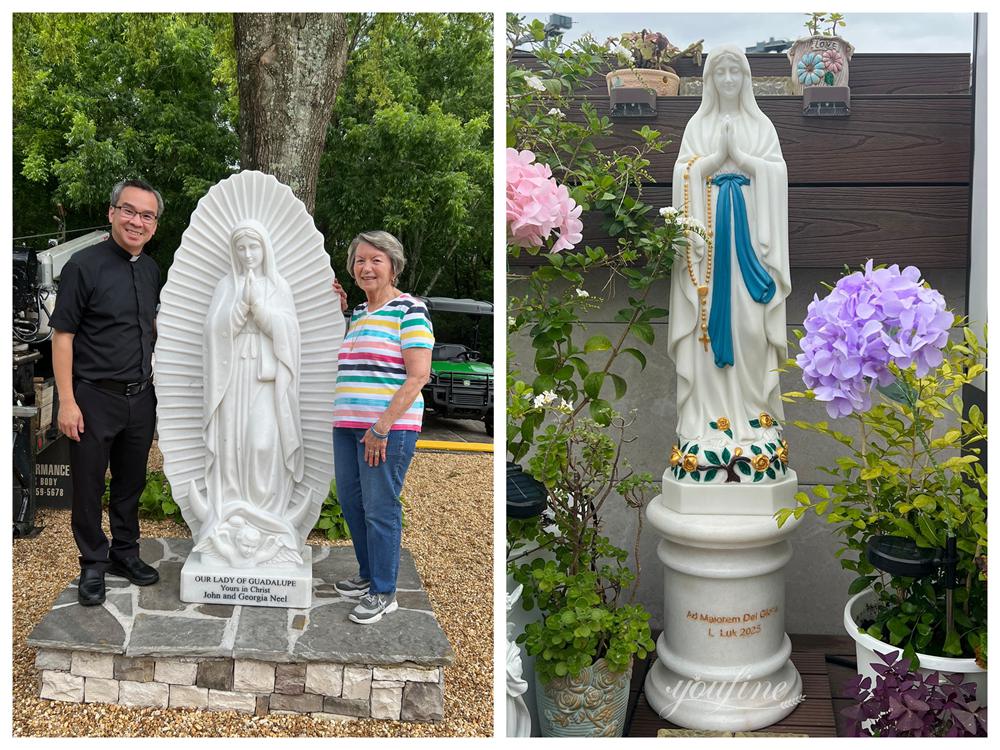
The pedestal top should generally extend at least 1.5–2 inches wider than the sculpture base on all sides.
This helps:
- Prevent tipping
- Improve visual balance
- Distribute weight more safely
- Reduce top-heavy appearance
For heavy bronze or stone sculptures, additional considerations include:
- Internal steel reinforcement
- Anchor bolts
- Hidden mounting systems
- Wider pedestal footprints
- Concrete foundations for outdoor installations
The heavier and taller the sculpture becomes, the more important weight distribution and center of gravity calculations become.
Step 3: Match the Pedestal Design with Your Sculpture Style
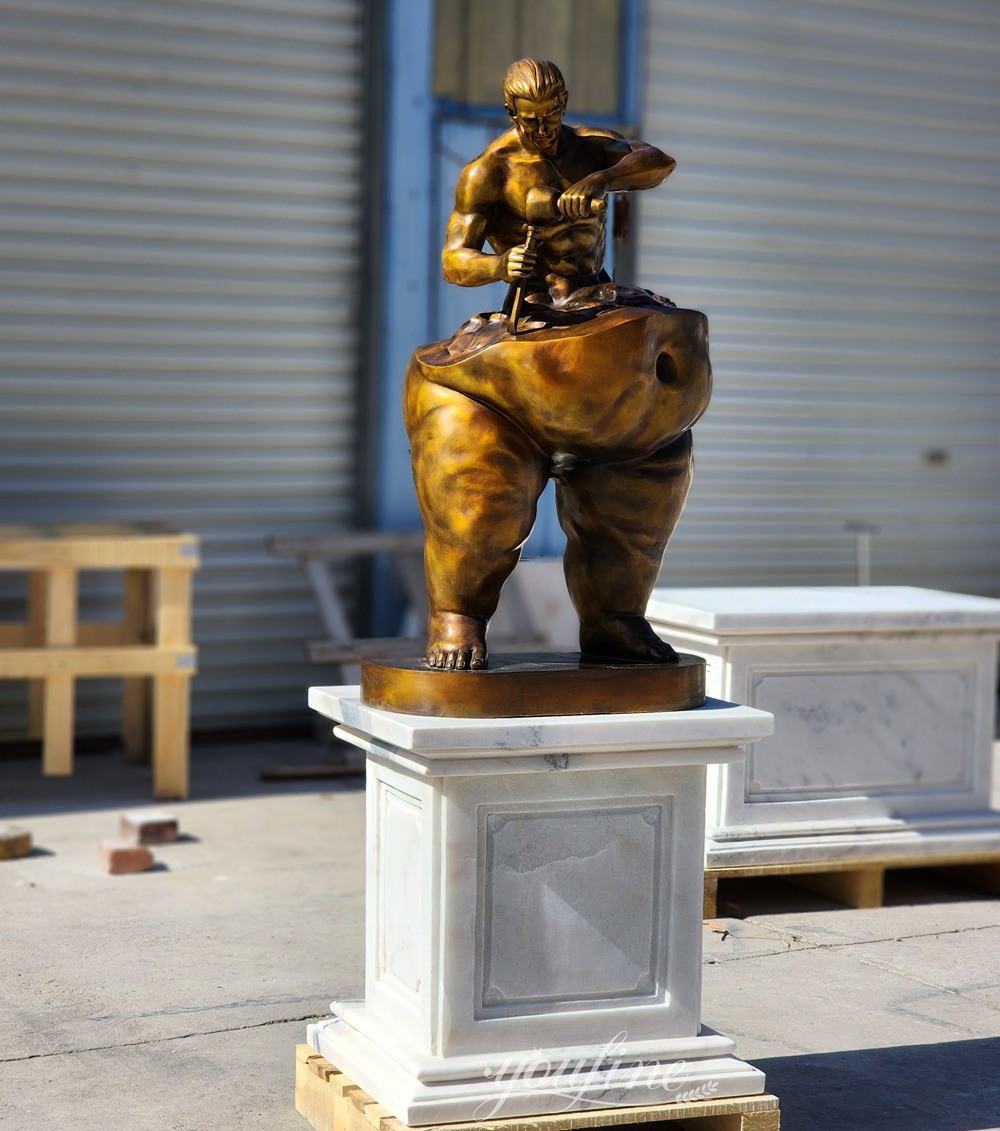
The pedestal should complement the sculpture visually without overpowering it.
Different sculpture styles often work best with different pedestal designs.
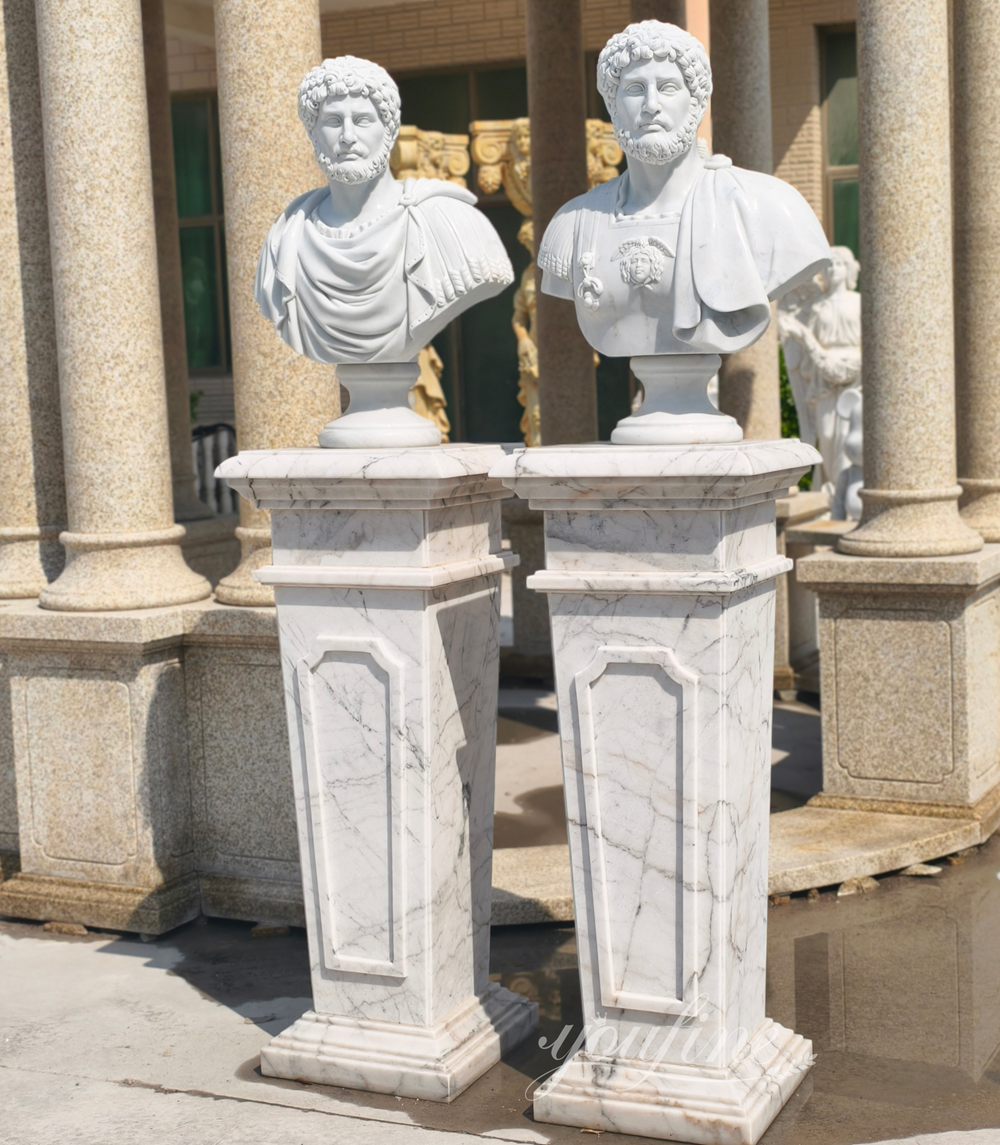
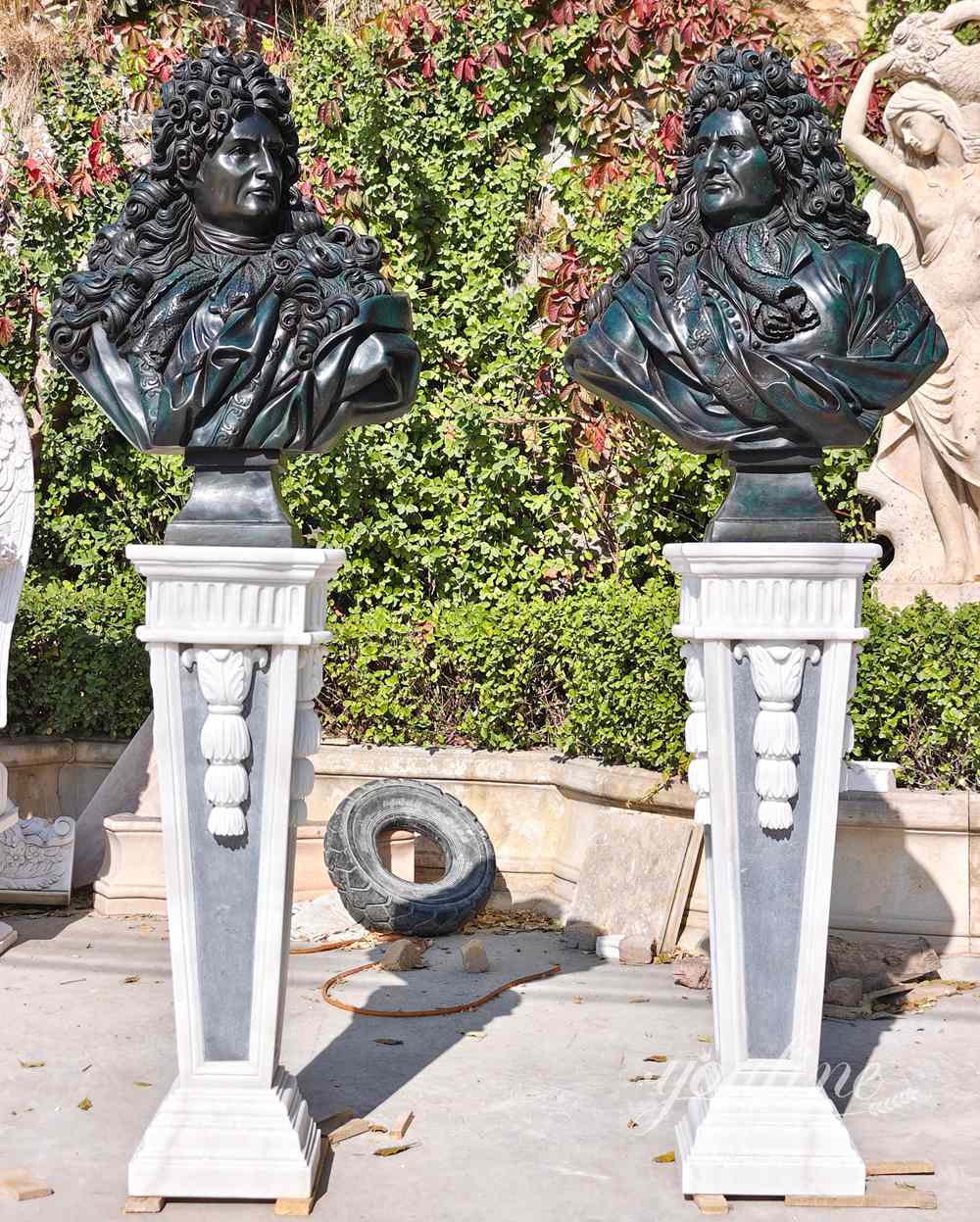
Classical Sculptures
Best paired with:
- Marble pedestals
- Stone plinths
- Traditional square columns
These create a timeless and monumental appearance.
Modern and Abstract Sculptures
Best paired with:
- Minimalist geometric pedestals
- Matte black bases
- Floating acrylic pedestals
- Clean-lined metal structures
Simple pedestal designs help keep focus on the artwork itself.
Religious Sculptures
Religious sculptures often benefit from taller, symmetrical pedestal designs that emphasize dignity and reverence.
White marble and light-colored stone pedestals are especially popular for church and memorial settings.
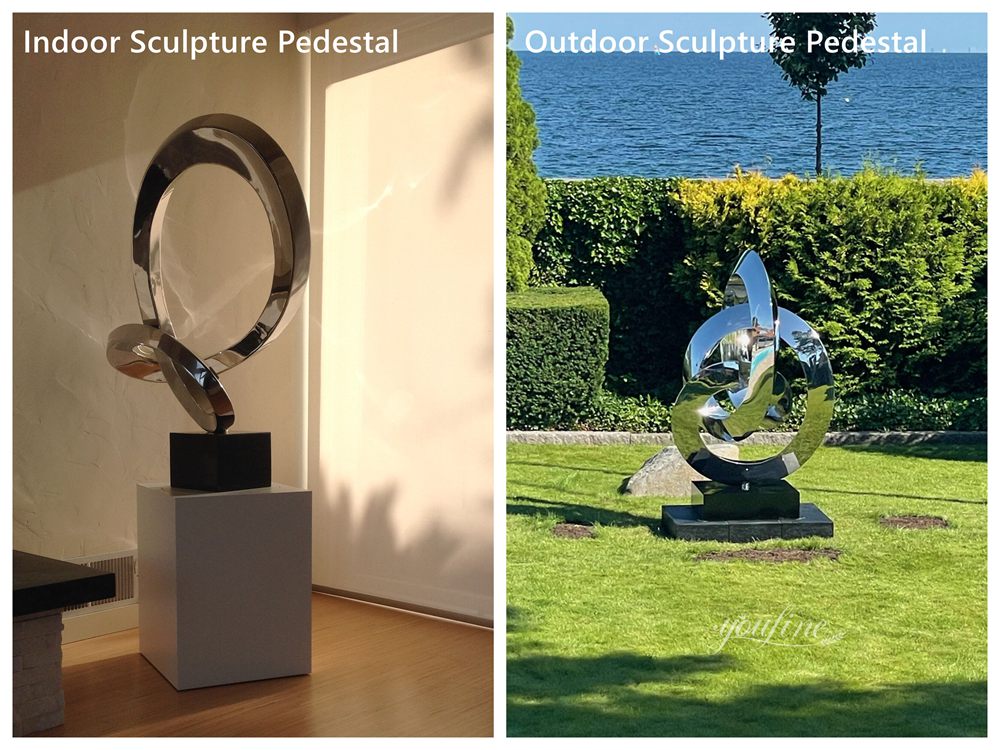
Step 4: Indoor vs. Outdoor Sculpture Pedestal Selection
Indoor and outdoor pedestals require very different design priorities.
Indoor Sculpture Pedestals
Indoor pedestals typically focus on:
- Aesthetic harmony
- Gallery presentation
- Floor protection
- Decorative finishes
Popular indoor materials include:
- Marble
- Wood
- Acrylic
- Stainless steel
Outdoor Sculpture Pedestals
Outdoor sculpture pedestals must prioritize durability and engineering safety.
Important considerations include:
- Weather resistance
- Drainage systems
- Wind resistance
- UV exposure
- Freeze-thaw durability
- Anti-rust protection
Outdoor pedestal materials commonly include:
- Stone
- Reinforced concrete
- Granite
- Treated metal
- Heavy-duty stainless steel
Large public sculptures may also require engineered foundations beneath the visible pedestal structure.
Step 5: Choose the Right Pedestal Material
Different pedestal materials create different visual effects, durability levels, and installation performance. The best pedestal material should complement both the sculpture style and the surrounding environment.
| Material | Best For | Advantages |
|---|---|---|
| Marble | Classical sculptures | Elegant and timeless |
| Granite | Outdoor sculptures | Extremely durable |
| Stainless Steel | Modern art | Contemporary appearance |
| Acrylic | Minimalist displays | Floating visual effect |
| Wood | Indoor decor | Warm and versatile |
| Concrete | Public sculptures | Strong structural support |
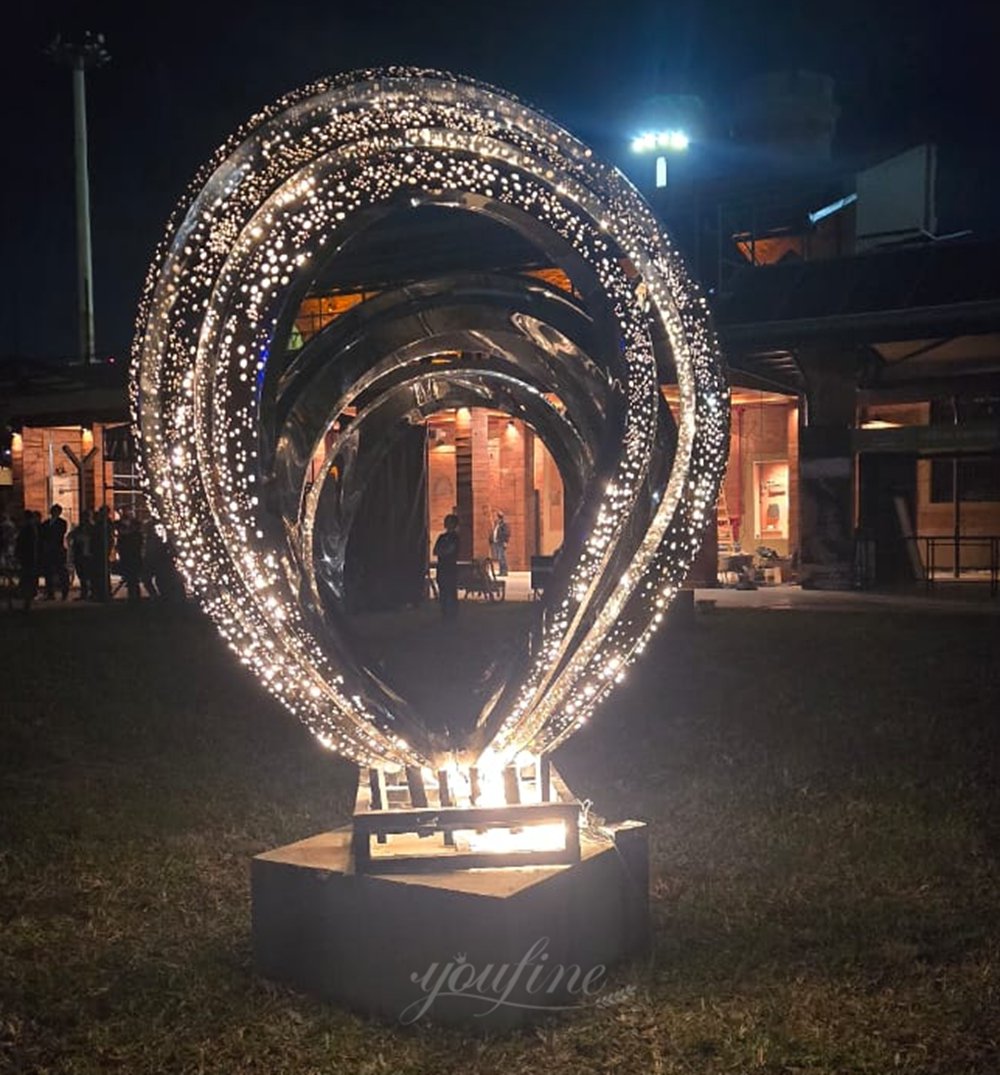
Step 6: Advanced Features — Lighting, Rotating Displays & Protective Covers
Modern sculpture pedestals can include advanced display features that improve presentation and protection.
Popular upgrades include:
- Integrated LED lighting
- Rotating display systems
- Acrylic protective enclosures
- Museum-grade spotlights
- Hidden cable management
- Interactive display bases
Lighted sculpture pedestals are especially effective for:
- Luxury interiors
- Hotel lobbies
- Gallery exhibitions
- Religious displays
- Modern art presentations
Proper lighting can dramatically increase the visual impact of a sculpture.
Common Mistakes When Choosing a Sculpture Pedestal
Choosing a Pedestal That Is Too Tall
An overly tall pedestal can make the sculpture feel disconnected from viewers and visually unstable.
Using a Pedestal That Is Too Small
Small pedestals create safety risks and make sculptures appear top-heavy.
Ignoring Weight Distribution
Heavy sculptures require engineered support systems, especially outdoors.
Choosing the Wrong Material
Indoor materials may deteriorate quickly outdoors if not properly treated.
Letting the Pedestal Overpower the Sculpture
The pedestal should support the artwork visually, not compete with it.
Custom vs. Ready-Made Sculpture Pedestals
When a Ready-Made Pedestal Works Best
Ready-made pedestals are suitable for:
- Small sculptures
- Lightweight artwork
- Standard gallery displays
- Temporary exhibitions
They are often more affordable and immediately available.
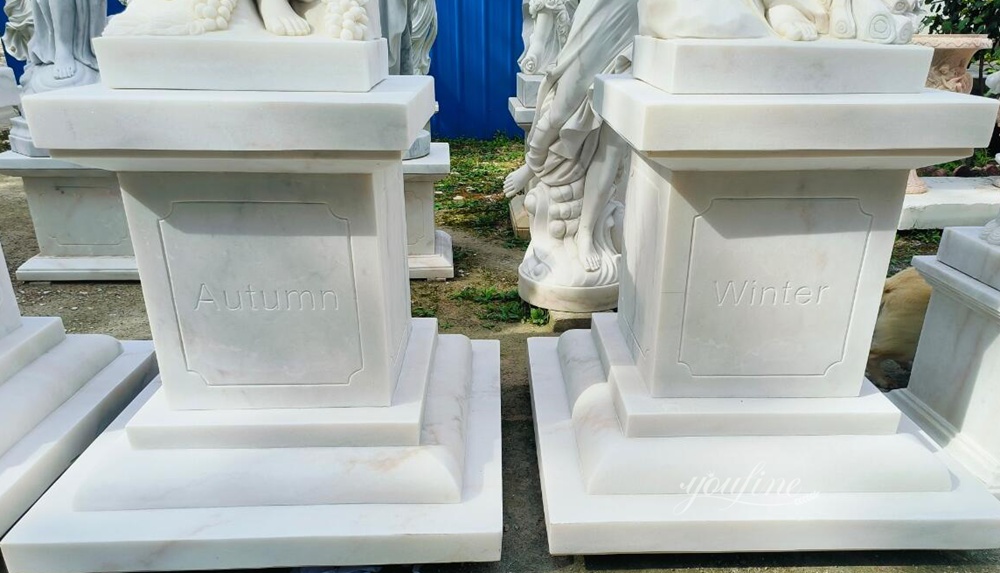
When You Should Choose a Custom Sculpture Pedestal
Custom pedestals are recommended for:
- Large sculptures
- Heavy bronze statues
- Outdoor installations
- Religious sculptures
- Public art projects
- Sculptures with unusual dimensions
Custom pedestal solutions may include:
- Reinforced internal structures
- Integrated lighting
- Hidden mounting systems
- Matching stone materials
- Engineered anchoring systems
For large or valuable sculptures, a custom pedestal often provides the best balance of safety, aesthetics, and long-term durability.
FAQs
-
How much weight can a standard sculpture pedestal hold?
Mass-produced, ready-made pedestals typically support only 30 to 50 lbs (13 to 22 kg). For heavier marble or bronze masterpieces exceeding 100 lbs, you need a factory-reinforced custom pedestal with an internal steel framework to ensure safety.
-
What shape of pedestal should I choose for my sculpture?
Match the geometry of your artwork. Square or rectangular pedestals perfectly ground classical busts and sharp, geometric pieces. Round or column pedestals look best with fluid, organic shapes, encouraging viewers to walk around and admire the art.
-
How do I choose the right color for a sculpture pedestal?
Aim for contrast or complete harmony:
Contrast: Pair a dark bronze statue with a light stone pedestal, or a bright stainless steel piece with a dark gray anchor.
Harmony: Match the materials exactly (e.g., a white marble statue on a white marble pedestal) for a timeless, seamless look.
-
What are the best recommended materials for outdoor sculpture pedestals?
To withstand weather and UV exposure, choose these top three durable materials:
Granite or Treated Marble: Naturally heavy, weatherproof, and fade-resistant.
304/316 Stainless Steel: Rust-resistant and ideal for modern aesthetics.
Concrete or Corten Steel: Offers extreme structural longevity with an industrial look.
-
What are the benefits of buying a pedestal directly from a sculpture factory like YouFine?
Ordering your statue and pedestal from the same manufacturer offers three key advantages:
Flawless Structural Fit: We pre-drill anchor holes and align internal steel supports around your statue’s exact weight before shipping.
Perfect Aesthetic Match: Our artisans use the exact same stone block or metal finish for both pieces, ensuring zero color deviation.
Combined Shipping: Saves thousands in separate freight costs and eliminates the hassle of dealing with multiple vendors.
Final Thoughts
Choosing the right sculpture pedestal is about much more than simply supporting a sculpture. The ideal pedestal improves viewing angles, enhances visual balance, protects valuable artwork, and creates a stronger emotional and artistic presence within the space.
From pedestal height and stability to material selection and outdoor durability, every detail affects how a sculpture is experienced. A well-designed pedestal should work in harmony with the artwork — elevating the sculpture without overpowering it.
As a professional sculpture factory, we offer exquisite, high-quality sculptures—including marble sculptures, bronze sculptures, stainless steel sculptures, and corten steel sculptures—as well as matching pedestals. We guarantee your complete satisfaction regarding both aesthetic harmony and material quality. Therefore, if you are seeking a perfectly matched sculpture and pedestal set, please do not hesitate to contact us directly; we are ready to provide you with a comprehensive, one-stop service!