In the process of sculpture creation and project implementation, the choice of materials often determines the final visual effect, durability, and maintenance requirements of the artwork. Different materials not only affect the artistic expression of the sculpture but also relate to key factors such as the environment of use, budget, and maintenance costs.
Therefore, for sculpture designers, project procurement teams, or art enthusiasts, understanding the characteristics of different sculpture materials is fundamental to making informed choices. This article will introduce 5 common materials used in sculptures and provide practical selection advice to help you quickly determine which material is best suited for your project.
Marble
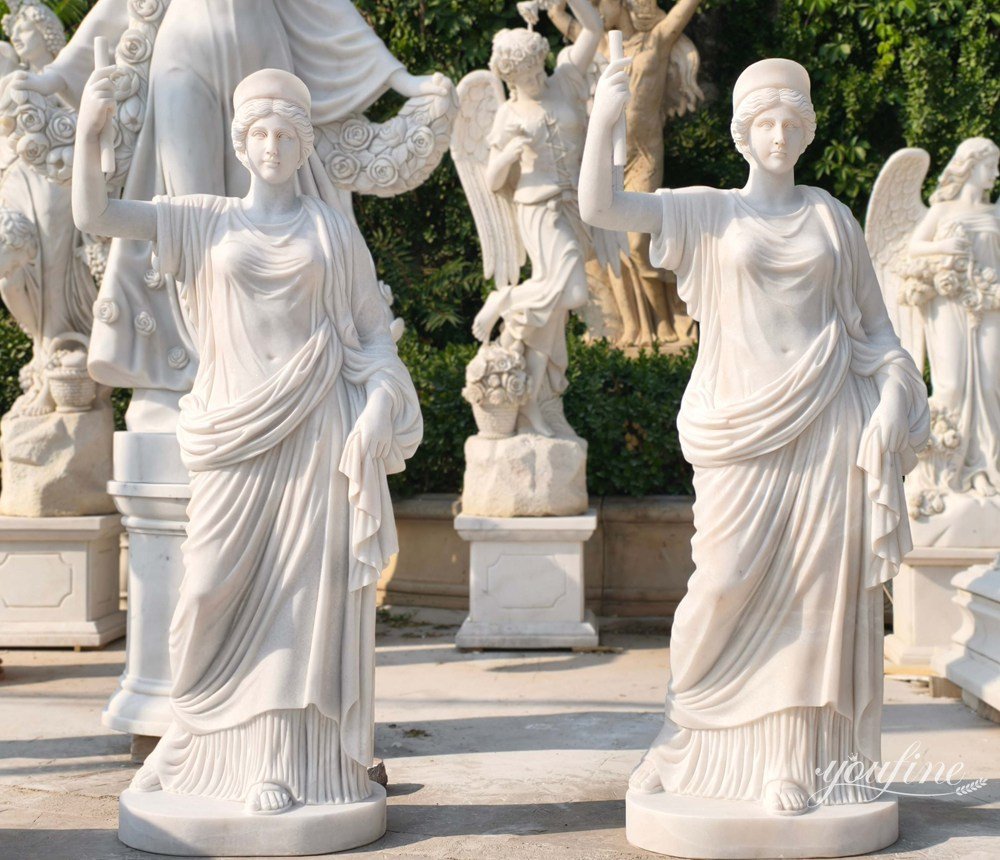
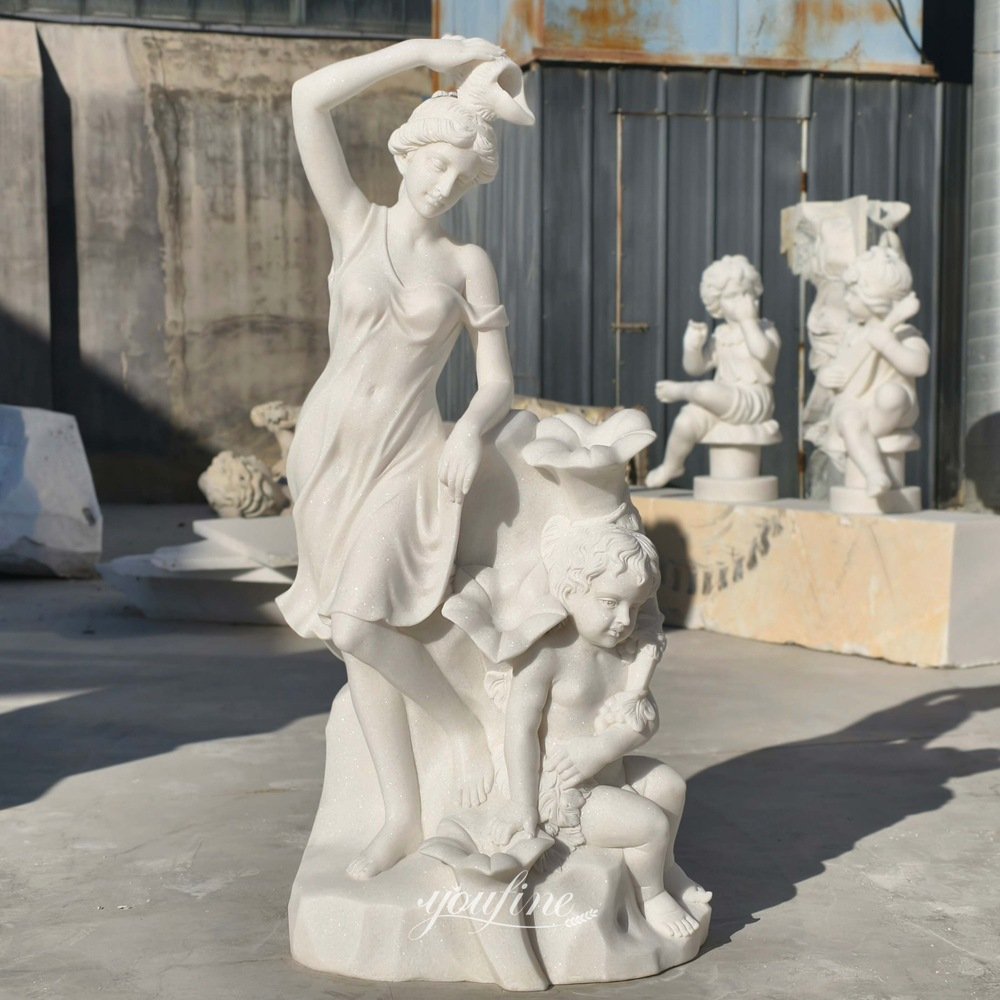
Marble is a metamorphic rock, renowned for its unique marble lines and delicate feel. It has been an important material for sculpture since the ancient Greek and Roman periods. It is suitable for expressing the textural beauty of classical statues and for decorative art in garden settings.
Advantages of Marble Sculptures:
- Rich natural lines, soft light reflection, suitable for realistic representation.
- Stable hardness over time and good weather resistance.
- Dignified and elegant visual effect, high artistic value.
Disadvantages of Marble Sculptures:
Extremely heavy, not resistant to acid rain, and requires regular maintenance in harsh outdoor environments
Typical Application Styles: Classical, religious, portraiture, realistic sculpture
Common Making Processes: Hand carving, mechanical rough carving, and combined with fine hand carving
Recommended Usage Scenarios: Museums, gardens, high-end interior spaces, park sculptures
Bronze
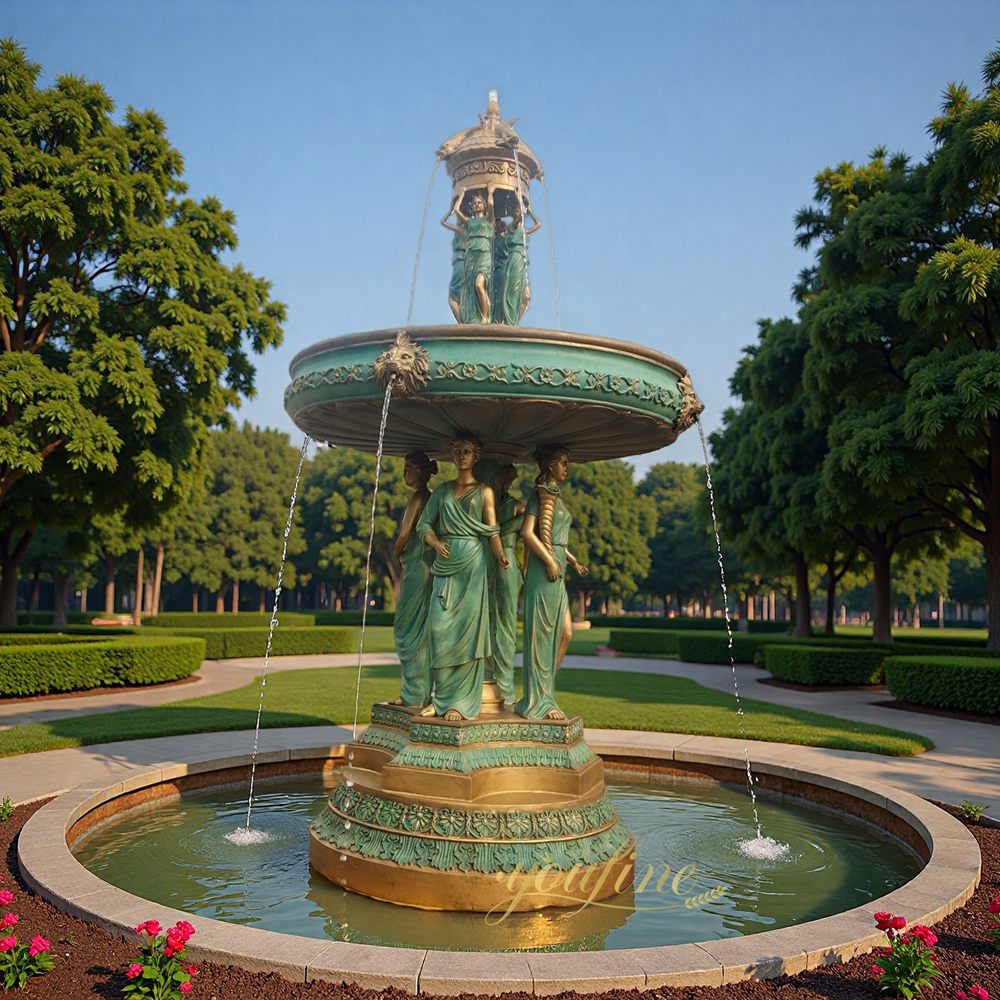
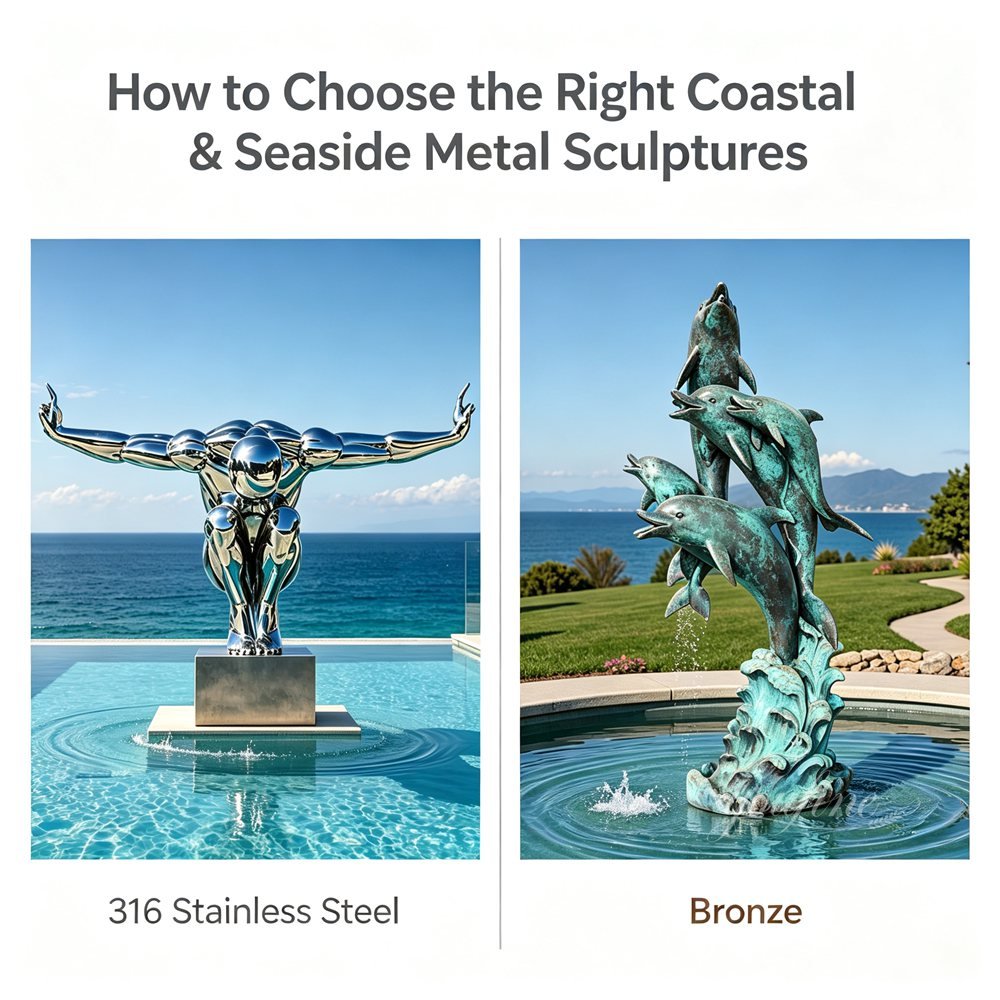
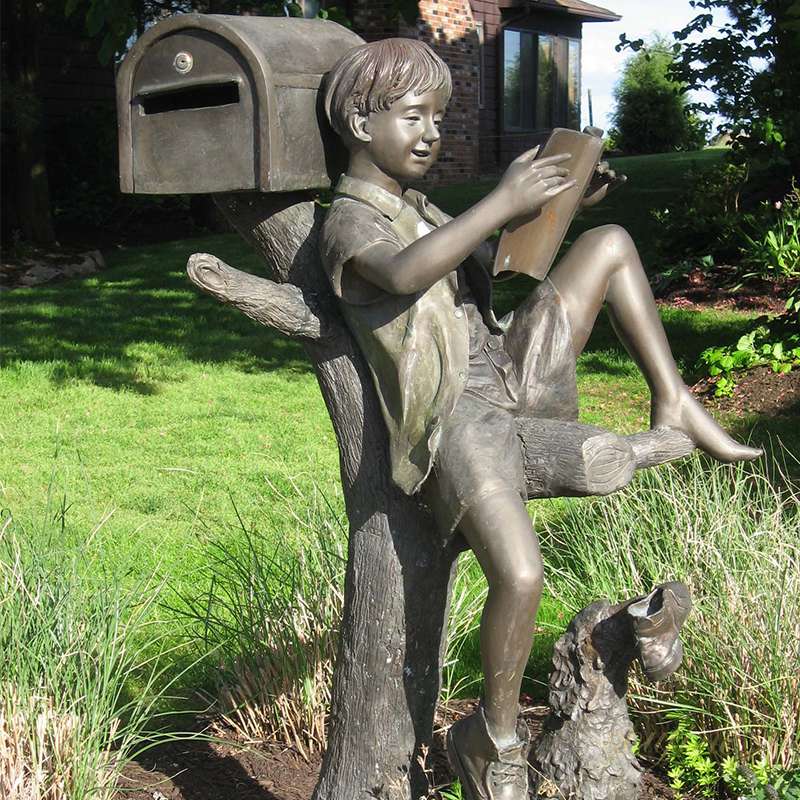
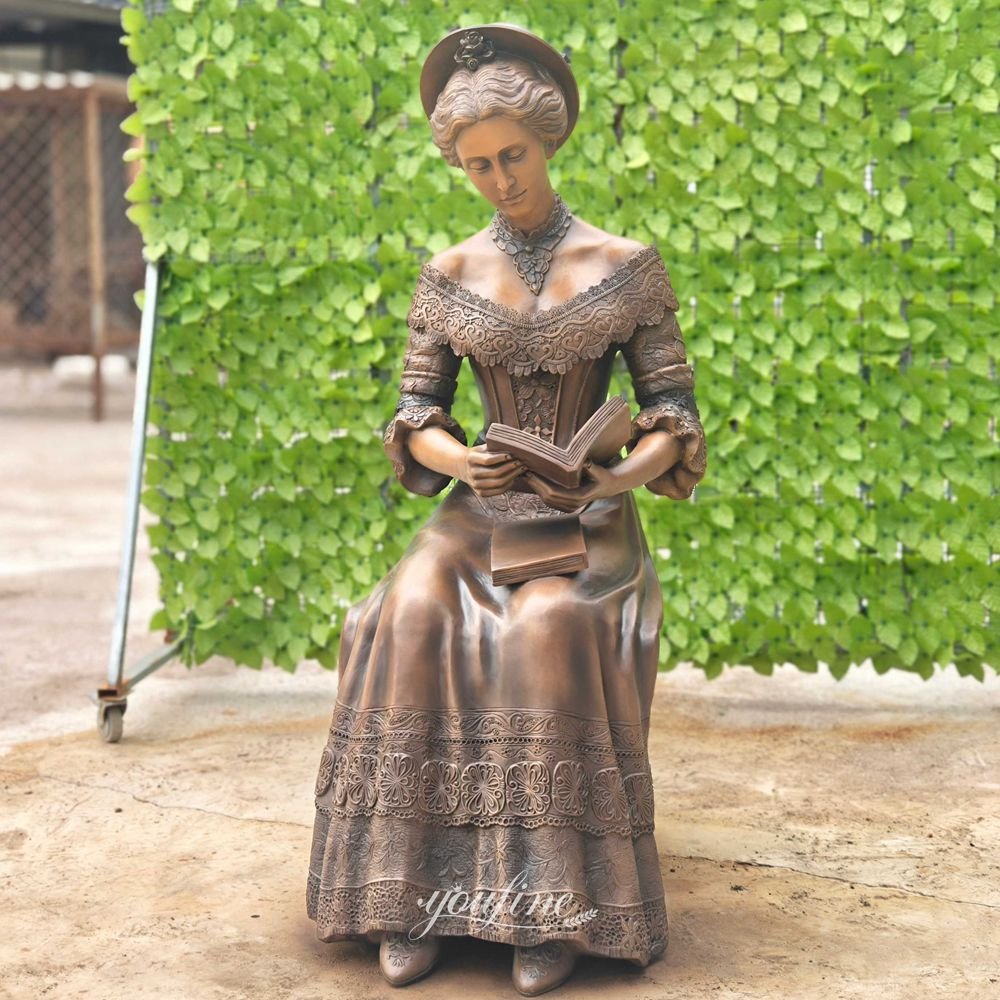
Bronze, an alloy of copper and tin, is one of the oldest materials used in sculpture. Its ability to achieve extremely high levels of detail through the lost-wax casting process makes it a popular choice for depicting figures and dynamic forms.
Advantages of Bronze Sculptures:
- Excellent weather resistance and corrosion resistance, suitable for outdoor display.
- Strong detail rendering capabilities, capable of depicting complex textures.
- Develops a natural patina over time, enhancing its artistic quality.
Disadvantages of Bronze Sculptures: High cost and long production time (requires mold making or clay model casting)
Typical Application Styles: Realistic, monumental, historical figures, and cultural landmark sculptures
Common Making Process: Traditional lost-wax casting and chemical coloring
Recommended Usage Scenarios: Squares, public spaces, parks, and campus memorial sites
Stainless Steel
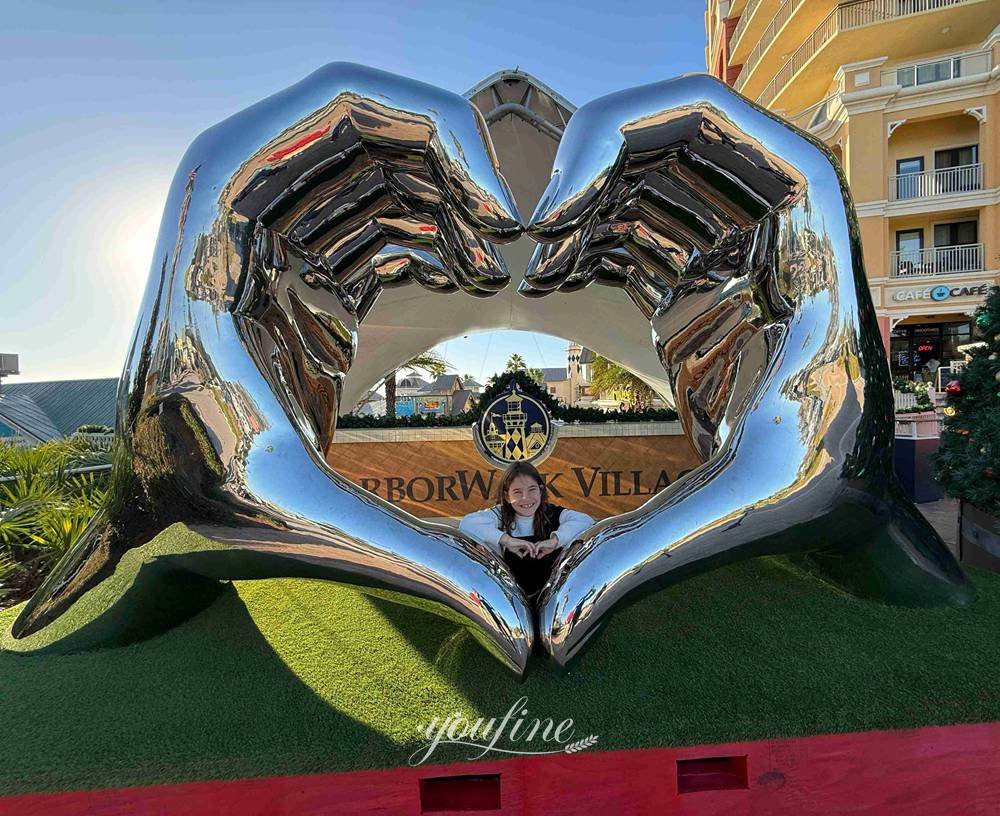
Stainless steel is one of the most widely used metal materials in modern sculpture, especially common in public art and modern landscape installations. It possesses excellent rust resistance and weather resistance, and is highly malleable.
Advantages of Stainless Steel Sculptures:
- Excellent corrosion resistance, low maintenance requirements.
- Diverse surface effects: mirror finish, brushed finish, electroplating, etc.
- Modern, clean, and sleek visual appearance.
Disadvantages of Stainless Steel Sculptures: Visually, it tends to have a cold feel and lacks a natural, warm texture; it requires high-quality welding and polishing techniques.
Typical Application Styles: Modern, abstract, urban landmark sculptures
Common Making Processes: Laser cutting, manual forging and shaping, welding, and polishing treatments
Recommended Usage Scenarios: City squares, commercial complexes, modern landscape installations
Corten Steel
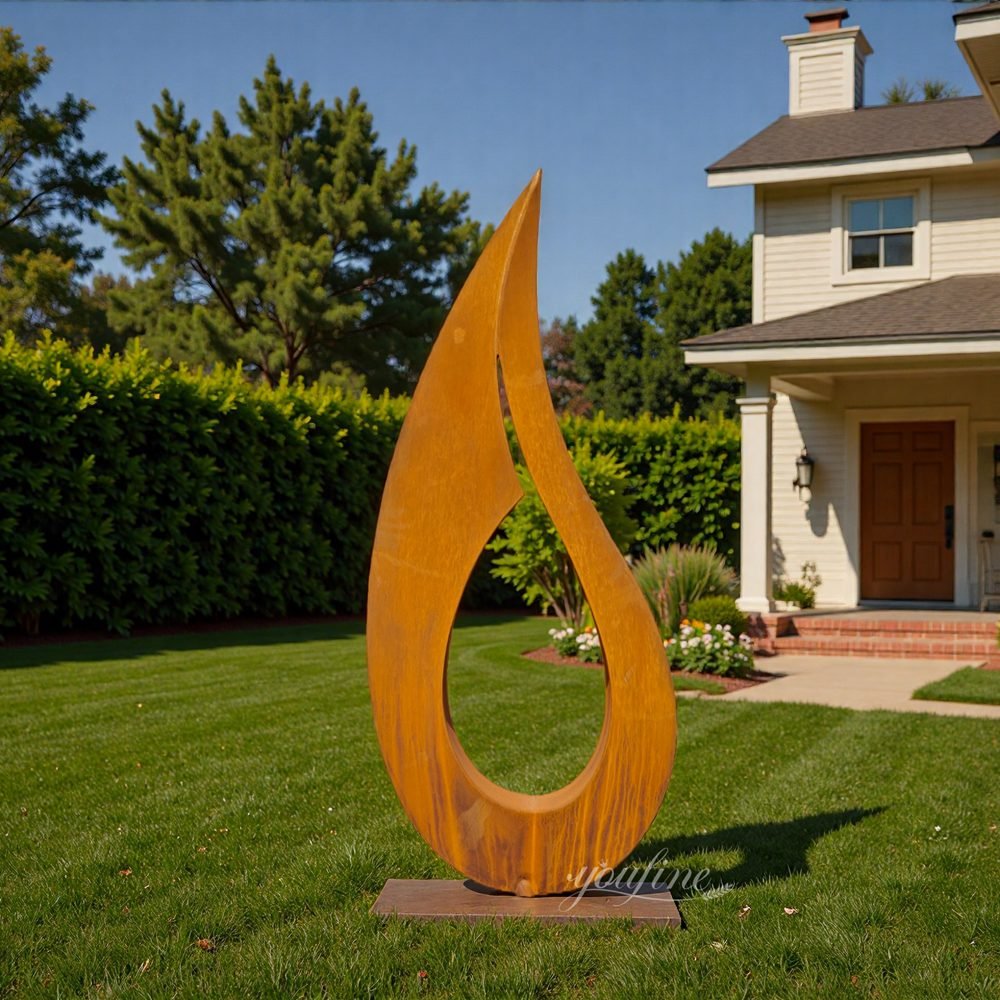
Weathering steel, also known as Corten steel, is named for its dense, reddish-brown protective layer of rust on its surface, making it a favorite among landscape designers. This rust layer has a self-protective effect, allowing weathering steel to remain stable for a long time without the need for painting.
Advantages of Corten Steel Sculptures:
- Unique natural rust color and rich visual effects.
- No painting required, low maintenance.
- High strength, suitable for large sculptural structures.
- It becomes more beautiful with age and blends perfectly with natural vegetation
Disadvantages of Corten Steel Sculptures: During the initial rusting stage (while still in the factory), rust runoff may occur, requiring protection of the surrounding environment.
Typical Application Styles: Industrial, art installations, large-scale landscape installations
Common Making Processes: Laser cutting, welding, and natural oxidation
Recommended Usage Scenarios: Park landscapes, urban sculptures, industrial-style themed spaces
Resin / Fiberglass
Resin and fiberglass (FRP) are artificial composite materials that are lightweight and offer high design flexibility. They are commonly used in commercial displays, decorative sculptures, and projects requiring complex shapes at a low cost.
Advantages of Fiberglass Sculptures:
- Low cost, short processing time.
- Lightweight, easy to transport, and install.
- Can simulate the appearance of various materials.
Disadvantages of Fiberglass Sculptures: Prone to aging and cracking with long-term outdoor use, and does not possess lasting collectible value.
Typical Application Styles: Decorative, thematic sculptures, commercial display installations
Common Making Processes: Mold casting and hand painting/automotive paint spraying
Recommended Usage Scenarios: Commercial spaces, exhibitions, indoor art installations

How to Choose the Right Sculpture Material?
Key Factors to Consider When Choosing Materials:
- Usage environment: Indoor/outdoor, high humidity/seaside/strong sunlight environment.
- Budget and cost: Material cost, processing cost, maintenance cost.
- Sculpture style: Classical, modern, abstract, or decorative.
- Size and structural safety: Large sculptures require consideration of load-bearing capacity and structural stability.
- Maintenance cycle: Whether long-term professional maintenance is required.
Comparison Table of Common Sculpture Materials
| Criteria | Marble | Bronze | Stainless Steel | Corten Steel | Resin / FRP |
|---|---|---|---|---|---|
| Outdoor Durability | Medium | High | Very High | Very High | Low to Medium |
| Artistic Value | High | High | Medium | Medium | Low |
| Maintenance Cost | Medium | Medium | Low | Very Low | Medium |
| Typical Style | Classical | Traditional / Monumental | Modern / Contemporary | Industrial / Rustic | Decorative / Commercial |
| Cost Range | High | Medium–High | Medium | Medium | Low |
Quick Material Selection Suggestions
- Seeking artistic appeal and a classic, historical feel? → Prioritize marble or bronze.
- Need a modern look and low maintenance? → Stainless steel is an excellent choice.
- Prefer an industrial style or a rustic landscape? → Weathering steel offers distinct advantages.
- On a limited budget or requiring quick production and display? → Resin/FRP is a cost-effective option.
Conclusion
Different sculpting materials represent different aesthetics, costs, and long-term value. Choosing the right material not only enhances the artistic expression of the work but also saves on project costs and maintenance expenses.
Looking for the ideal material for your next sculpture project? As a professional sculpture factory specializing in a wide range of materials, YouFine Art Sculpture Gallery offers one-stop services from design and material selection to installation. Contact us today for expert material advice and a detailed quotation!
FAQ
Q: Which sculpting material is best suited for long-term outdoor use?
A: Bronze, stainless steel, and corten steel are currently common materials known for their strong weather resistance outdoors.
Q: Can marble sculptures be placed outdoors for a long time?
A: Yes, but they require protection and regular maintenance to resist weathering.
Q: Will stainless steel sculptures rust?
A: High-grade stainless steel (such as 316) is highly corrosion-resistant in normal environments.
Q: Is there a significant difference in shipping costs for different materials?
A: Yes. Marble is quite heavy, while bronze, stainless steel, and weathering steel are relatively lighter, and resin sculptures are the lightest.
We will optimize the logistics plan for you based on the material and weight.
Q: Can I order a small sample first to confirm the details?
A: Absolutely. For large custom projects, we usually create a clay model or 3D model for your confirmation.
Only after you are satisfied with the proportions and overall appearance will we proceed with the final sculpture production.
Q: Why aren’t wood carvings or plaster sculptures included in your list?
A: This is a very professional question. Wood is susceptible to moisture and rot, and plaster is fragile. They are mainly used for interior decoration or initial clay models during the creative process.
To ensure your interests in outdoor settings or for long-term collection, we primarily recommend the five durable materials listed above.