Outdoor sculptures are designed to enhance gardens, parks, hotels, public spaces, and architectural projects with long-lasting beauty. However, outdoor environments expose sculptures to sunlight, rain, humidity, pollution, temperature changes, and other natural elements that may gradually affect their appearance and durability.
Proper preservation is essential to maintain the original beauty and extend the service life of outdoor sculptures. The best maintenance method depends largely on the sculpture material, including bronze, stainless steel, marble, stone, Corten steel, wood, resin, and fiberglass.
In this guide, we will explain how to preserve outdoor sculptures through proper cleaning, protective treatments, environmental management, and regular maintenance based on different materials.

Quick Guide: The Golden Rules for Preserving Outdoor Sculptures
Although each material requires different care methods, most outdoor sculptures can benefit from these basic preservation principles.
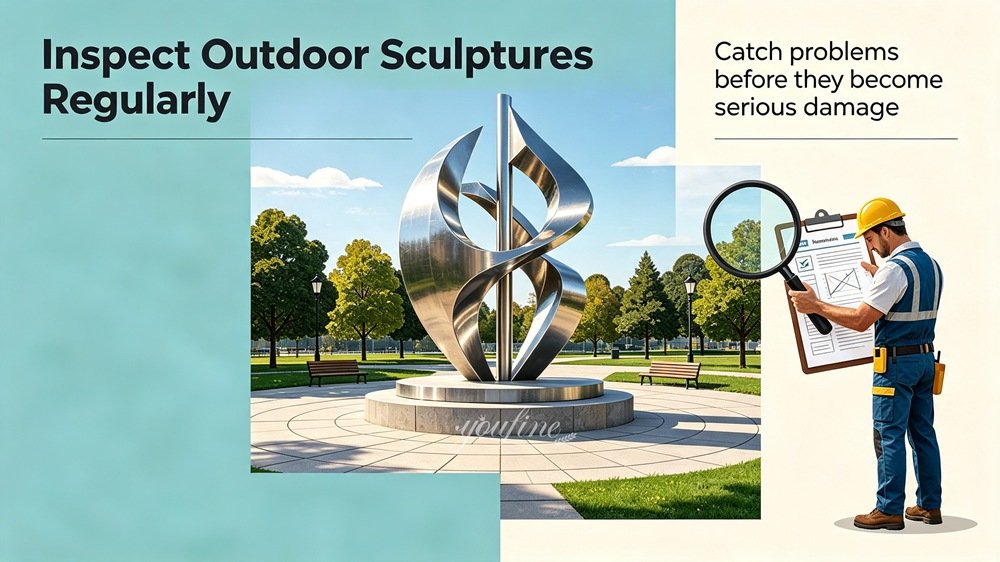
1. Inspect Outdoor Sculptures Regularly
Regular inspection helps identify potential problems before they become serious damage.
Check for:
- Surface cracks
- Rust or corrosion
- Discoloration
- Loose parts
- Water accumulation
- Damage caused by surrounding plants or equipment
A professional inspection every six months is recommended for large or valuable outdoor sculptures.
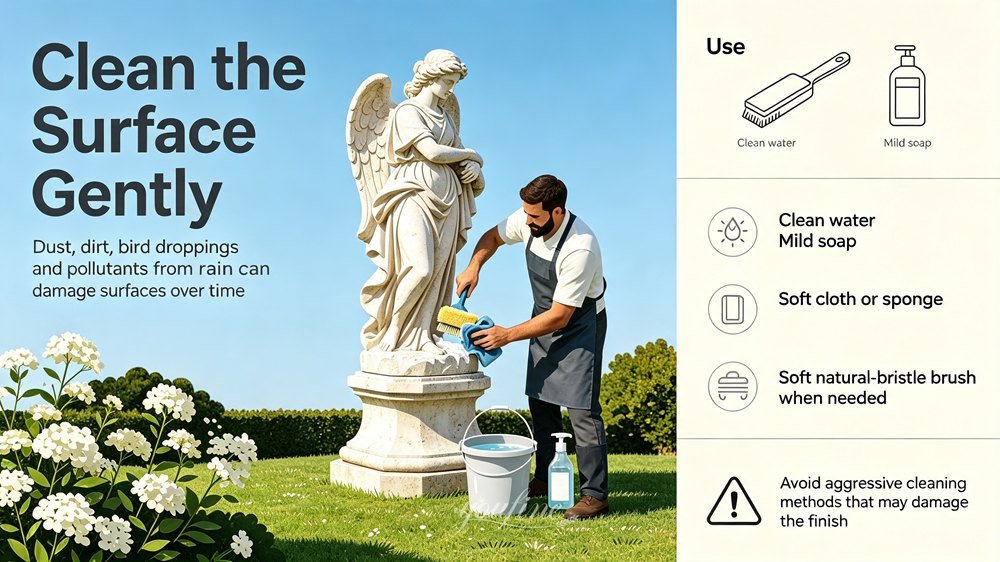
2. Clean the Surface Gently
Dust, dirt, bird droppings, pollution, and organic materials can gradually damage sculpture surfaces.
Use:
- Clean water
- Mild soap
- Soft cloth or sponge
- Soft natural-bristle brush when necessary
Avoid aggressive cleaning methods that may damage the surface finish.
3. Apply Suitable Protective Treatments
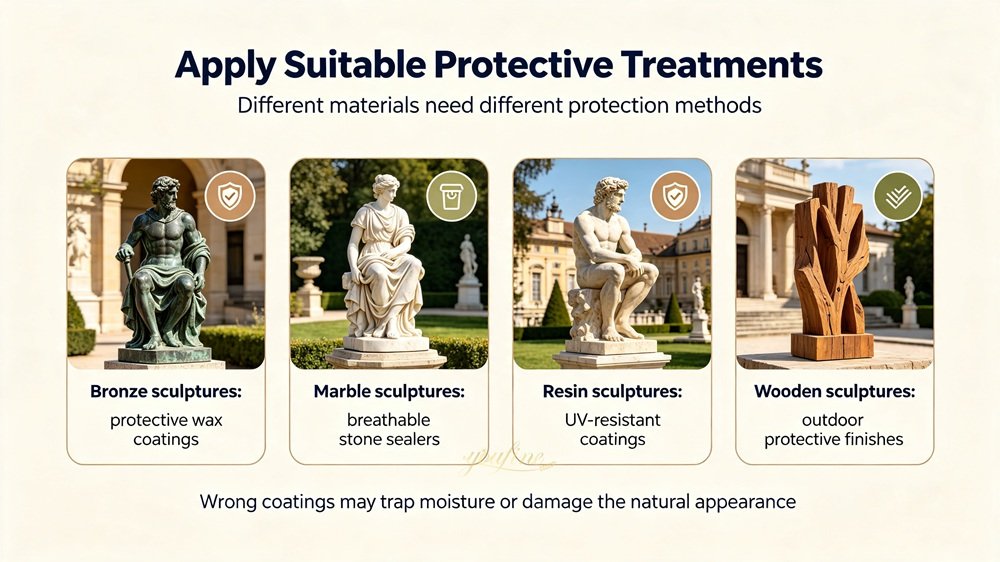
Different materials require different protection methods.
Examples:
- Bronze sculptures benefit from protective wax coatings.
- Marble sculptures need breathable stone sealers.
- Resin sculptures require UV-resistant coatings.
- Wooden sculptures need outdoor protective finishes.
Using the wrong coating may trap moisture or damage the natural appearance of the material.
4. Avoid Harmful Cleaning Methods
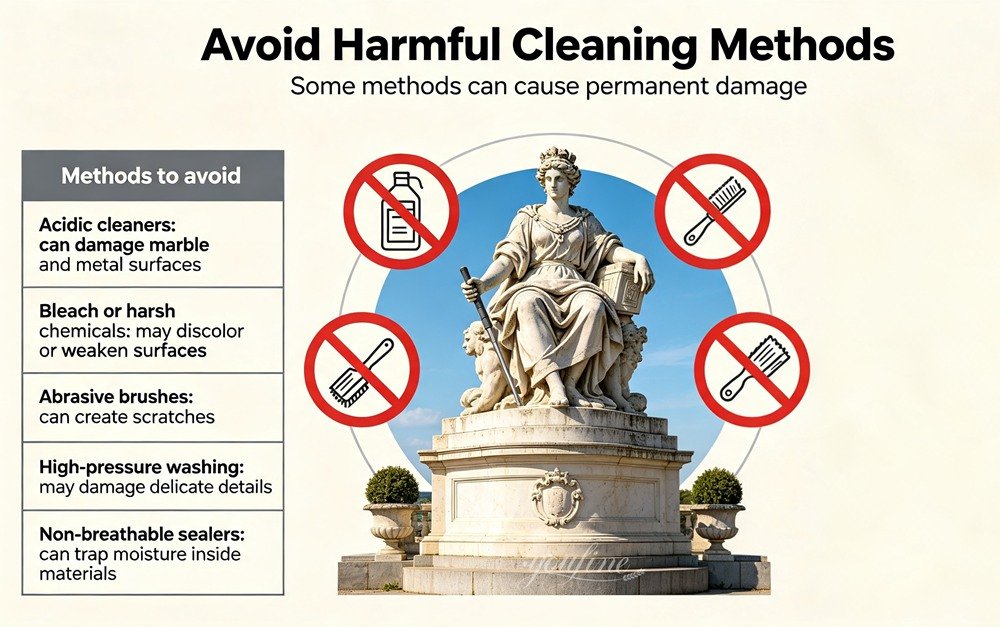
Some cleaning methods can cause permanent damage.
Avoid:
| Method | Why It Should Be Avoided |
|---|---|
| Acidic cleaners | Can damage marble and metal surfaces |
| Bleach or harsh chemicals | May discolor or weaken surfaces |
| Abrasive brushes | Can create scratches |
| High-pressure washing | May damage delicate details |
| Non-breathable sealers | Can trap moisture inside materials |
How to Preserve Outdoor Metal Sculptures
Metal sculptures are widely used outdoors because of their strength and artistic expression. However, different metals require different maintenance methods.
Bronze and Copper Sculpture Maintenance
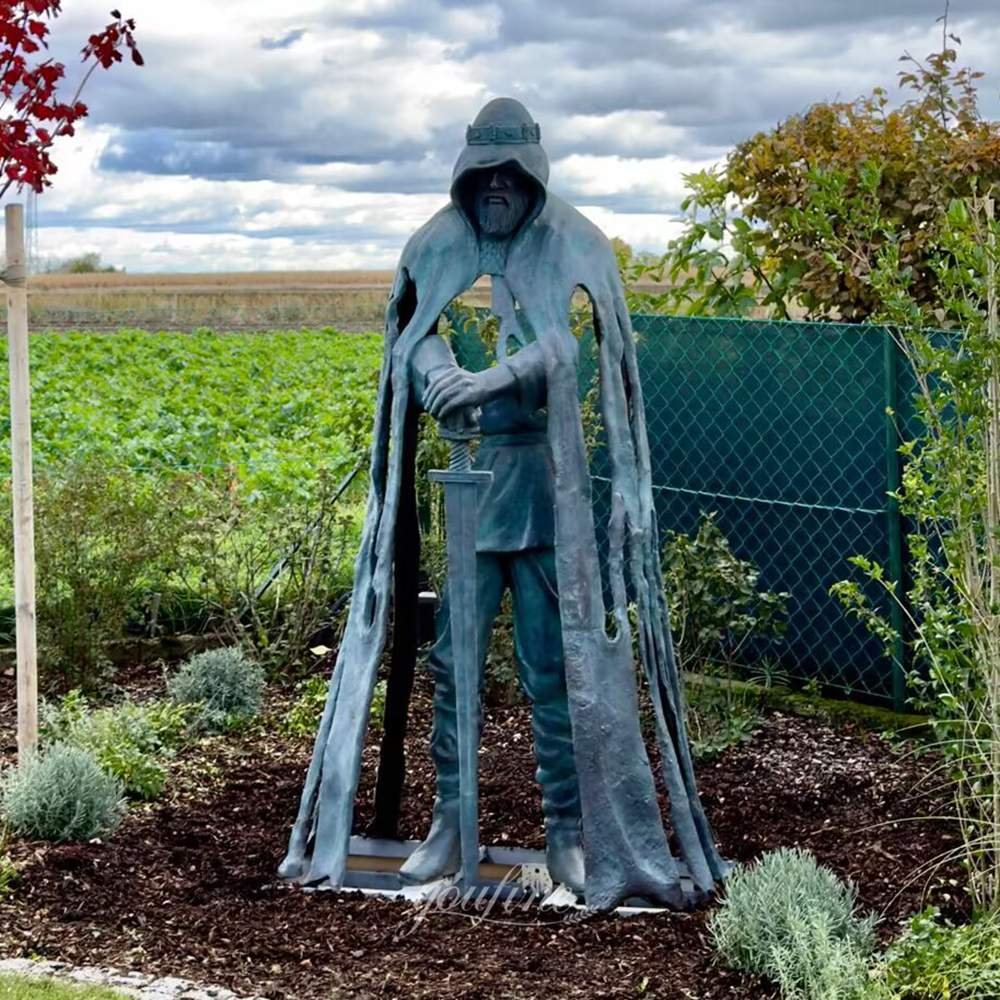
Bronze sculptures and copper sculptures are popular choices for gardens, monuments, hotels, and public spaces. Over time, they naturally develop a patina, which is often considered part of their artistic character.
Cleaning
Recommended:
- Rinse with clean water
- Use mild soap when needed
- Wipe with a soft cloth
Avoid removing natural patina unless restoration is specifically required.
Protection
A thin layer of microcrystalline wax can help protect bronze surfaces from:
- Moisture
- Dust
- Environmental pollutants
Apply wax evenly and polish gently after it dries.
Maintenance Frequency
- Inspect every 6 months
- Apply protective wax 1-2 times per year depending on climate conditions
For sculptures near coastal areas or high-humidity environments, more frequent maintenance may be needed.
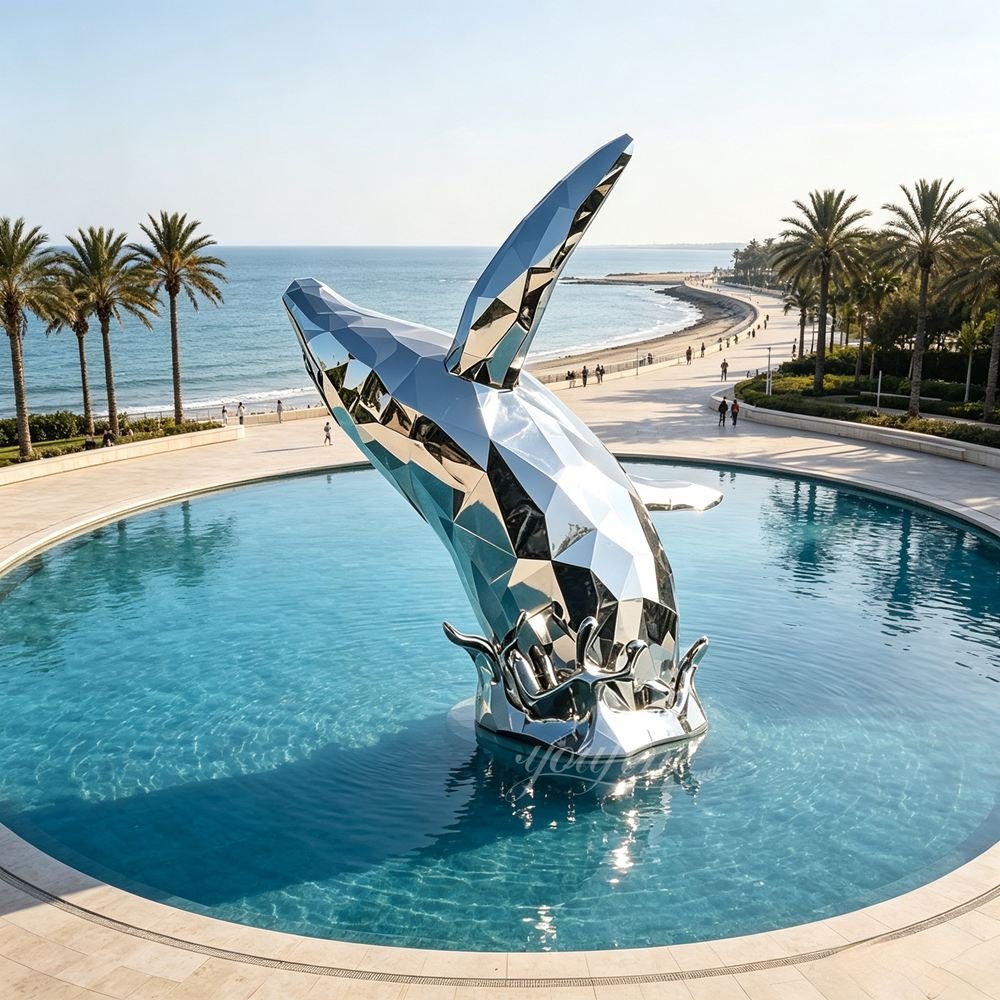
Stainless Steel Sculpture Maintenance
Stainless steel sculptures are known for their modern appearance, corrosion resistance, and suitability for outdoor installations.
Although stainless steel is highly durable, environmental factors such as salt air, pollution, and dust may affect its surface over time.
Cleaning
Recommended:
- Wash with clean water
- Use mild detergent
- Clean with a microfiber cloth
For outdoor stainless steel sculptures in coastal areas, regular cleaning helps prevent surface contamination.
Protection
A stainless steel protectant can be applied when necessary to maintain brightness and reduce environmental buildup.
Maintenance Frequency
- Regular cleaning several times per year
- More frequent maintenance in coastal or industrial environments
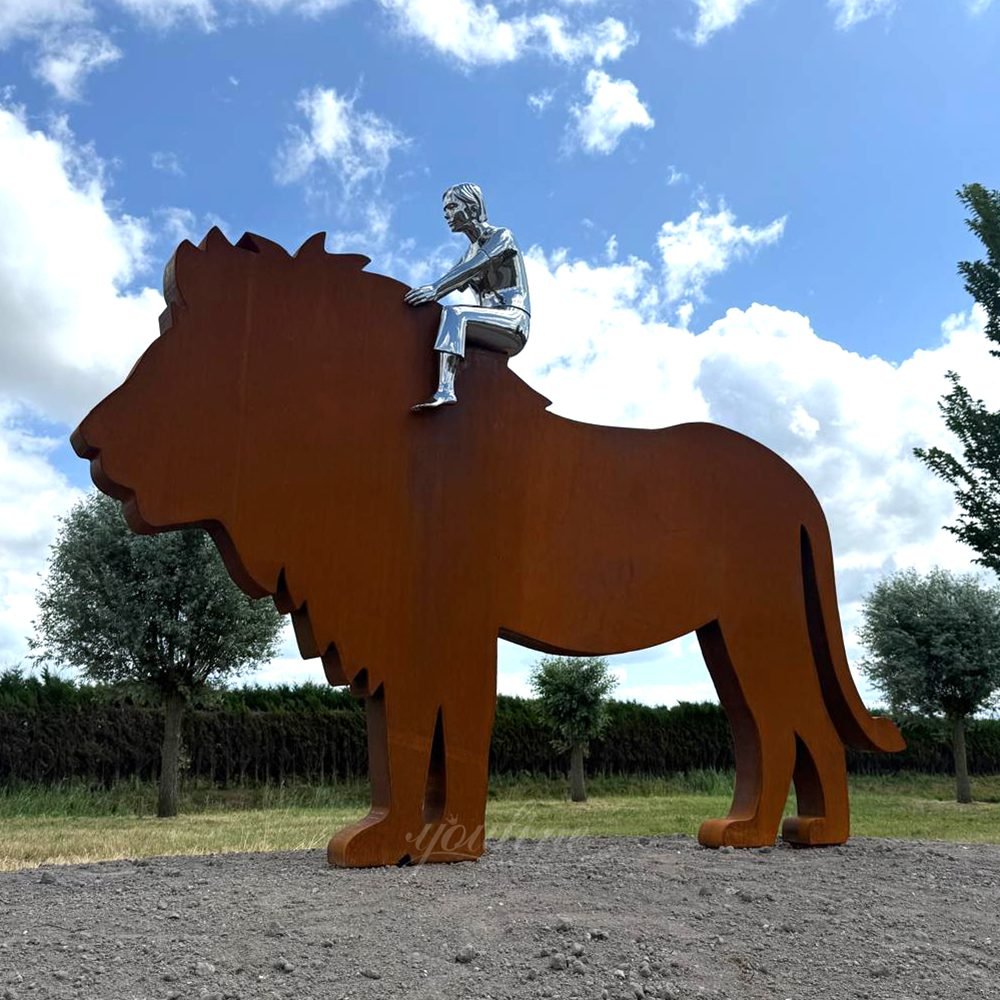
Corten Steel Sculpture Maintenance
Corten steel sculpture is designed to develop a stable rust-like protective layer that protects the inner metal from further corrosion.
Cleaning
Normally, Corten steel requires minimal maintenance.
Recommended:
- Remove dirt and debris
- Keep drainage areas clear
- Check whether water remains trapped on the surface
Protection
Avoid removing the natural weathered surface unless professional restoration is needed.
Incorrect sealing may interfere with the natural weathering process.
Maintenance Frequency
- Inspect once or twice a year
- Pay special attention to areas where water may collect
How to Preserve Marble, Stone and Concrete Sculptures
Natural stone and marble sculptures are valued for their elegant appearance and timeless beauty. However, porous materials can absorb moisture and may be affected by weather conditions.
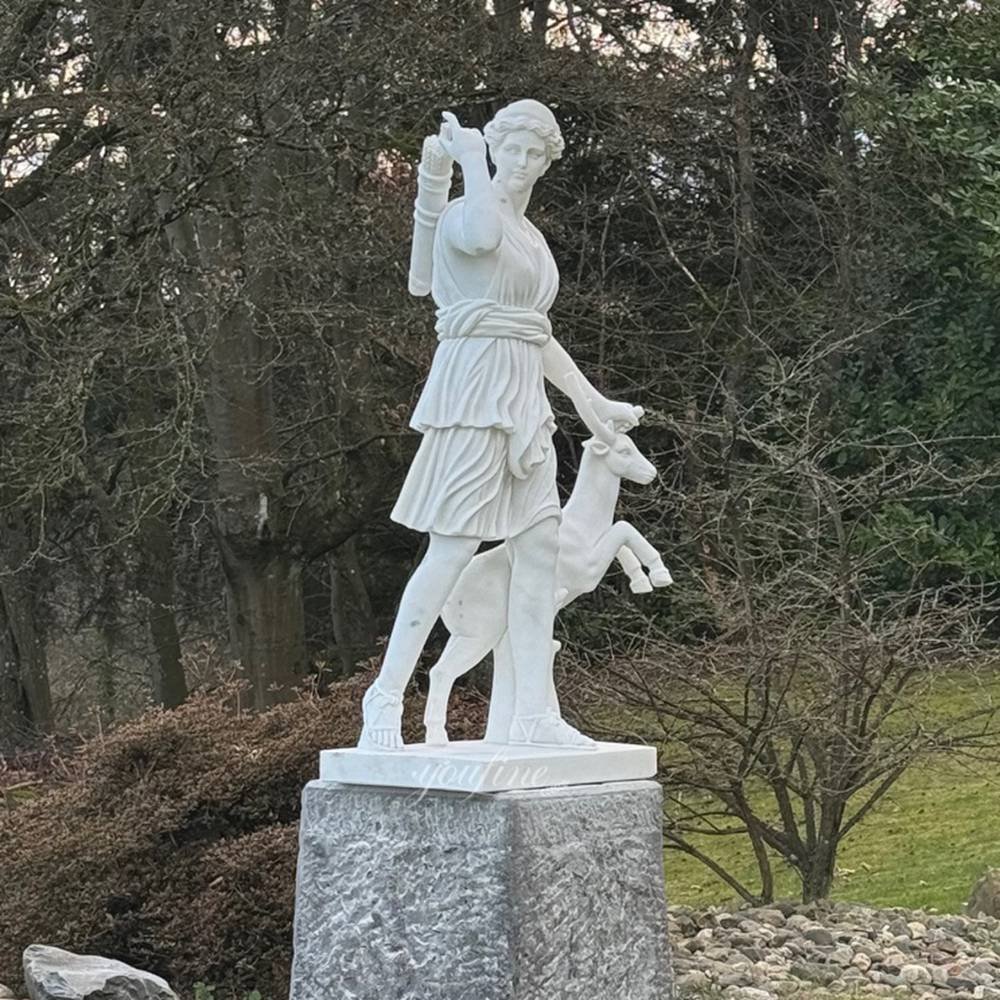
Marble Sculpture Maintenance
Cleaning
Use:
- Clean water
- Soft cloth
- Soft brush for surface dirt
Avoid:
- Vinegar
- Acid cleaners
- Strong chemicals
Acidic substances can damage the natural minerals in marble.
Protection
A breathable stone sealer can help reduce water absorption while allowing moisture to escape.
Avoid shiny film-forming coatings because they may peel or trap moisture.
Maintenance Frequency
- Inspect annually
- Reapply sealer every 2-3 years depending on exposure
Stone and Concrete Sculpture Maintenance
Stone and concrete sculptures require similar protection methods.
Recommended:
- Remove dirt regularly
- Check for cracks
- Keep drainage areas clear
In freezing climates, preventing water absorption is especially important because trapped moisture may cause freeze-thaw damage.
How to Preserve Wooden Outdoor Sculptures
Wood sculptures have a unique natural appearance but require more frequent maintenance because wood is sensitive to moisture and UV exposure.
Cleaning
Recommended:
- Remove leaves and organic materials
- Brush away surface dirt
- Clean gently with mild soap if needed
Protection
Use:
- Outdoor wood sealers
- Marine-grade protective coatings
- UV-resistant finishes
These treatments help reduce:
- Water absorption
- Cracking
- Sun damage
Maintenance Frequency
- Inspect every spring
- Reapply protective coating when the surface becomes dry or faded
How to Preserve Fiberglass Outdoor Sculptures
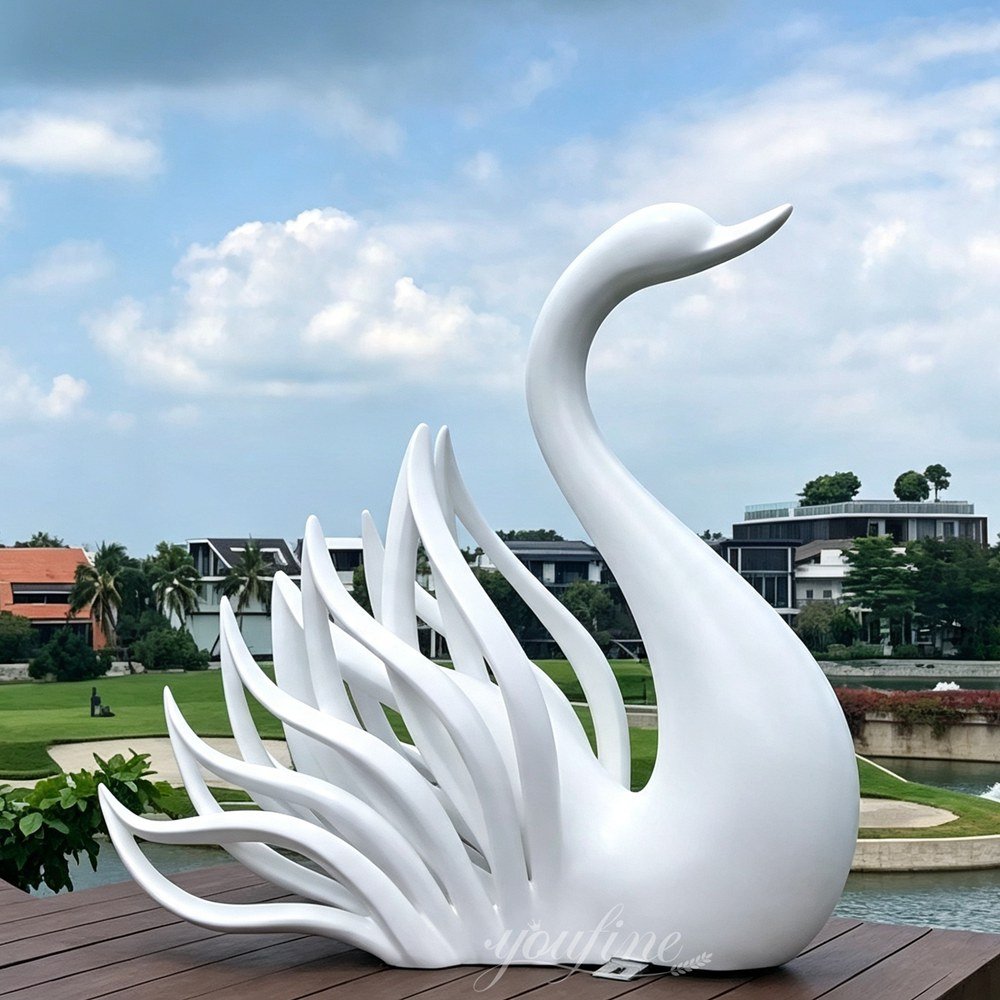
Resin and fiberglass sculptures are lightweight and versatile, making them popular for decorative projects.
However, prolonged sunlight exposure may cause fading or surface aging.
Cleaning
Use:
- Soft cloth
- Mild soap
- Clean water
Avoid harsh chemicals that may damage the surface finish.
Protection
Apply:
- UV-resistant protective coating
- Non-yellowing clear coating
This helps maintain color and prevent surface deterioration.
Maintenance Frequency
- Inspect annually
- Reapply UV protection when needed
Additional Ways to Protect Outdoor Sculptures Beyond Cleaning
Proper maintenance is not only about cleaning. Installation location and environmental protection also play important roles.
Choose a Suitable Installation Location
A proper installation environment can significantly reduce maintenance requirements.
Consider:
- Good drainage
- Reduced water accumulation
- Protection from extreme weather
- Appropriate sunlight exposure
For example, placing sculptures directly in constantly wet areas may accelerate surface deterioration.
Protect Sculptures from Landscaping Damage
Outdoor sculptures are often installed in gardens and landscapes, where maintenance equipment may accidentally cause damage.
Pay attention to:
- Lawn mowers
- Grass trimmers
- Tree branches
- Irrigation systems
Maintain enough space around sculptures to prevent accidental impact.
Prepare for Extreme Weather
Different climates require different protection methods.
Cold climates:
- Remove trapped water before freezing temperatures
- Check drainage
- Use protective covers when necessary
Storm-prone areas:
- Ensure proper installation
- Strengthen foundations for large sculptures
Coastal areas:
- Clean salt deposits regularly
- Choose corrosion-resistant materials
Consider Proper Installation and Security
For valuable outdoor sculptures installed in public or commercial areas, proper anchoring systems can improve safety and stability.
Professional installation helps:
- Prevent accidental movement
- Improve structural safety
- Reduce long-term maintenance issues
Seasonal Outdoor Sculpture Maintenance Checklist
| Season | Recommended Maintenance |
|---|---|
| Spring | Inspect surfaces, clean dirt, check protective coatings |
| Summer | Remove dust, monitor UV exposure, clean regularly |
| Autumn | Remove leaves and organic debris, check drainage |
| Winter | Prevent water accumulation, protect from freezing weather |
How Sculpture Quality Affects Long-Term Maintenance
Proper maintenance can extend the lifespan of outdoor sculptures, but the quality of the sculpture itself plays an equally important role. A well-made sculpture with suitable materials, professional craftsmanship, and thoughtful structural design requires less frequent maintenance and performs better in outdoor environments.
When choosing an outdoor sculpture, consider the following factors:
1. Material Quality and Suitability
The quality and grade of materials directly affect a sculpture’s durability and maintenance requirements.
Different materials have different grades and characteristics. For example:
- Marble sculptures: Different grades of marble have different density, durability, and weather resistance. Selecting high-quality marble helps reduce surface damage and long-term maintenance.
- Stainless steel sculptures: 304, 316, and 316L stainless steel offer different levels of corrosion resistance. For coastal areas or high-humidity environments, higher-grade stainless steel is often recommended.
- Metal sculptures: Bronze and brass have different properties. Bronze is generally preferred for outdoor sculptures because of its excellent durability and ability to develop a stable patina.
Choosing the right material according to the installation environment is the first step in reducing future maintenance needs.
2. Professional Surface Finishing
A high-quality surface finish not only improves the appearance of a sculpture but also provides additional protection against outdoor elements.
Professional finishing helps:
- Maintain a long-lasting color and texture
- Prevent peeling, fading, or powdering
- Improve resistance to moisture, oxidation, and environmental pollution
- Preserve the natural beauty of the material
For outdoor sculptures, proper surface treatment creates an additional protective barrier and helps maintain the original artistic details over time.
3. Precise Welding and Connection Quality
For metal sculptures, welding quality directly affects long-term durability.
Professional welding should ensure:
- Strong and seamless connections
- No visible gaps where water can enter
- Smooth transitions between metal sections
Poor welding may allow moisture accumulation inside joints, which can lead to corrosion or structural problems over time.
4. Strong Internal Structure for Large Sculptures
Large outdoor sculptures require more than an attractive exterior. A strong internal support structure is essential for long-term stability.
High-quality large sculptures usually include:
- Reinforced internal steel frameworks
- Proper load-bearing design
- Structural calculations based on size and installation conditions
A well-designed internal structure helps sculptures withstand wind, weather changes, and long-term outdoor exposure.
5. Proper Drainage Design
For hollow outdoor sculptures, drainage design is an important factor that is often overlooked.
Professional manufacturers consider:
- Drainage openings at the bottom of sculptures
- Internal water flow paths
- Prevention of trapped moisture
Without proper drainage, water accumulation inside a sculpture can accelerate corrosion, freezing damage, and structural deterioration.
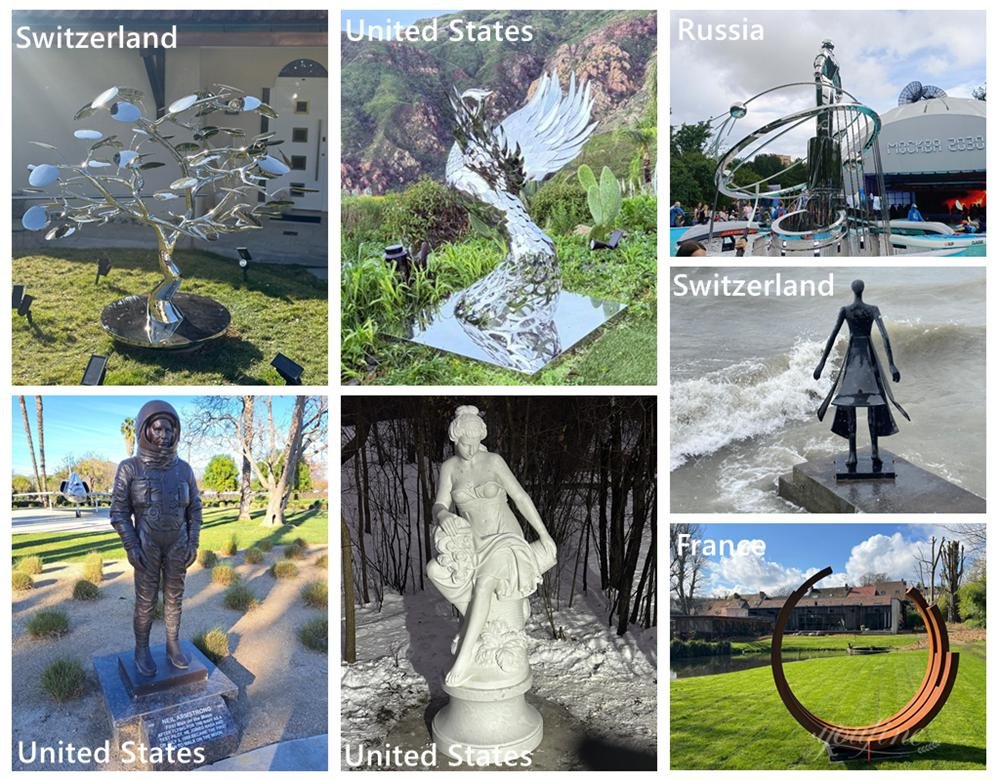
With more than 40 years of experience in sculpture manufacturing, YouFine creates custom outdoor sculptures with carefully selected materials, professional craftsmanship, and durable finishes designed for long-term outdoor use.
How Long Can Outdoor Sculptures Last?
The lifespan of an outdoor sculpture depends on several factors, including material quality, manufacturing techniques, installation environment, and maintenance routine.
High-quality bronze, marble, stainless steel, and stone sculptures can remain outdoors for decades or even centuries with proper preservation.
For a detailed comparison of sculpture lifespan and different material durability, read our guide:
How Long Does a Sculpture Last?
Frequently Asked Questions
How often should outdoor sculptures be cleaned?
Most outdoor sculptures should be inspected regularly and cleaned several times per year. The exact frequency depends on the material and environment.
Should outdoor sculptures be sealed?
Some sculptures benefit from protective sealers, but the correct product depends on the material. Breathable sealers are usually recommended for natural stone.
How do you protect bronze sculptures outdoors?
Bronze sculptures can be protected by gentle cleaning and applying a suitable wax coating regularly to reduce moisture and environmental damage.
Can marble sculptures stay outside all year?
Yes. Marble sculptures can remain outdoors when properly installed and maintained. Regular inspection and breathable sealing help protect them from weather damage.
Can stainless steel sculptures rust outdoors?
Stainless steel has excellent corrosion resistance, but harsh environments such as coastal areas may require more frequent cleaning and maintenance.
What is the best way to protect outdoor sculptures?
The best protection method is to choose the correct maintenance approach based on the sculpture material, including gentle cleaning, suitable protective treatments, and regular inspections.
Final Thoughts
Preserving outdoor sculptures requires the right combination of material knowledge, proper maintenance, and suitable environmental protection. Whether a sculpture is made from bronze, marble, stainless steel, Corten steel, wood, or resin, choosing the right care methods can help maintain its appearance and extend its outdoor lifespan.
However, long-term durability begins before maintenance. A well-crafted sculpture made with high-quality materials, professional craftsmanship, and proper surface treatment will naturally require less maintenance and perform better in outdoor environments.
With more than 40 years of experience in sculpture manufacturing, YouFine Art Sculpture Gallery provides custom outdoor sculptures in marble, bronze, stainless steel, and Corten steel, combining durable materials with professional craftsmanship for long-lasting outdoor applications.