When selecting sculptures for outdoor landscapes, commercial spaces, garden decor, or art collections, a question that likely weighs heavily on your mind is: How long will a sculpture last?
Different sculptural materials vary significantly in lifespan, weather resistance, and rate of deterioration. Depending on the specific material, environmental conditions, and maintenance regimen, a sculpture’s lifespan can range from as little as 10 years to well over 1,000 years.
In the following sections, we will provide a detailed overview of the lifespans associated with various sculptural materials, present classic examples, and identify the key factors that influence longevity. Additionally, we will offer practical advice on extending a sculpture’s lifespan, along with helpful purchasing recommendations.
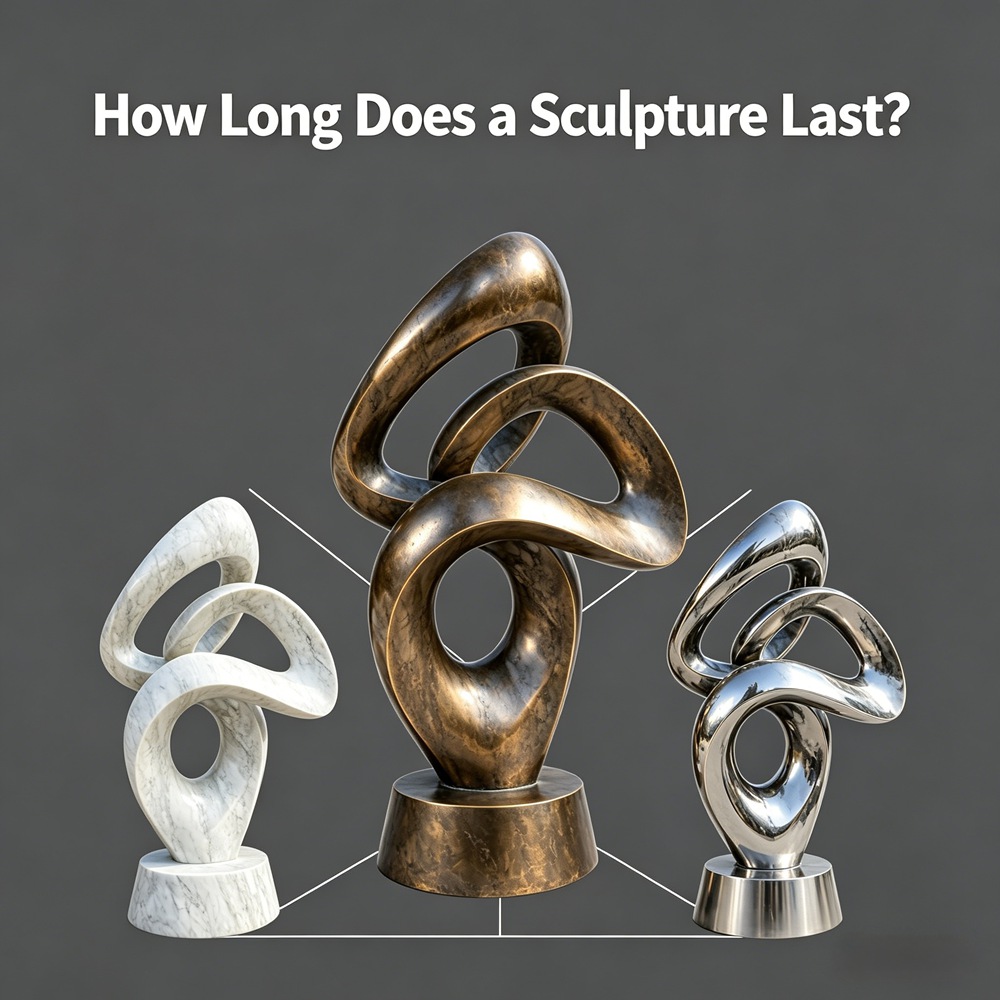
How Long Does a Sculpture Last by Material?
The lifespan of a sculpture varies significantly depending on the material. The table below provides a quick comparison, followed by detailed explanations.
| Material | Indoor Lifespan | Outdoor Lifespan | Durability | Maintenance | Best Use |
|---|---|---|---|---|---|
| Marble | 100–1000+ yrs | 100–300+ yrs | High | Medium | Churches, classical art |
| Bronze | 500–2000+ yrs | 100–500+ yrs | Very High | Low | Monuments, public art |
| Stainless Steel | 100+ yrs | 50–100+ yrs | High | Low | Modern outdoor |
| Corten Steel | 100+ yrs | 50–100 yrs | High | Low | Landscape design |
| Resin | 50–100 yrs | 10–30 yrs | Medium | High | Budget decor |
| Iron | 100+ yrs | 20–50 yrs | Medium | High | Traditional decor |
| Wood | 50–100 yrs | 5–20 yrs | Low | High | Indoor art |
| Concrete | 50–100 yrs | 30–80 yrs | Medium | Medium | Garden statues |
Quick Summary
- Longest lasting material: Bronze
- Best for outdoor durability: Bronze / Stainless Steel
- Most budget-friendly: Resin
How Long Do Marble Statues Last?
Marble sculptures are known for their elegance and longevity, often lasting hundreds to thousands of years under the right conditions. Many ancient marble works have survived for over 2,000 years, especially when preserved indoors or in stable environments.
For modern applications, the lifespan varies significantly depending on placement:
- Indoor marble statues: several centuries to millennia
- Outdoor marble statues: typically 100–300+ years, and even longer with proper care
Why Marble Lasts So Long
Marble is a dense natural stone, but it is also slightly porous. This means it can gradually deteriorate when exposed to harsh environmental conditions such as:
- Acid rain and pollution
- Freeze–thaw cycles
- High humidity
High-quality marble with fewer impurities is far more resistant to cracking and erosion, which is why material selection plays a crucial role.
Best Use
Marble is ideal for:
- Churches and religious sculptures
- Classical and heritage-style projects
- Indoor or protected outdoor environments
Famous Example
A well-known example is the Venus de Milo, which has survived for over 2,000 years, demonstrating the incredible longevity of marble when preserved properly.
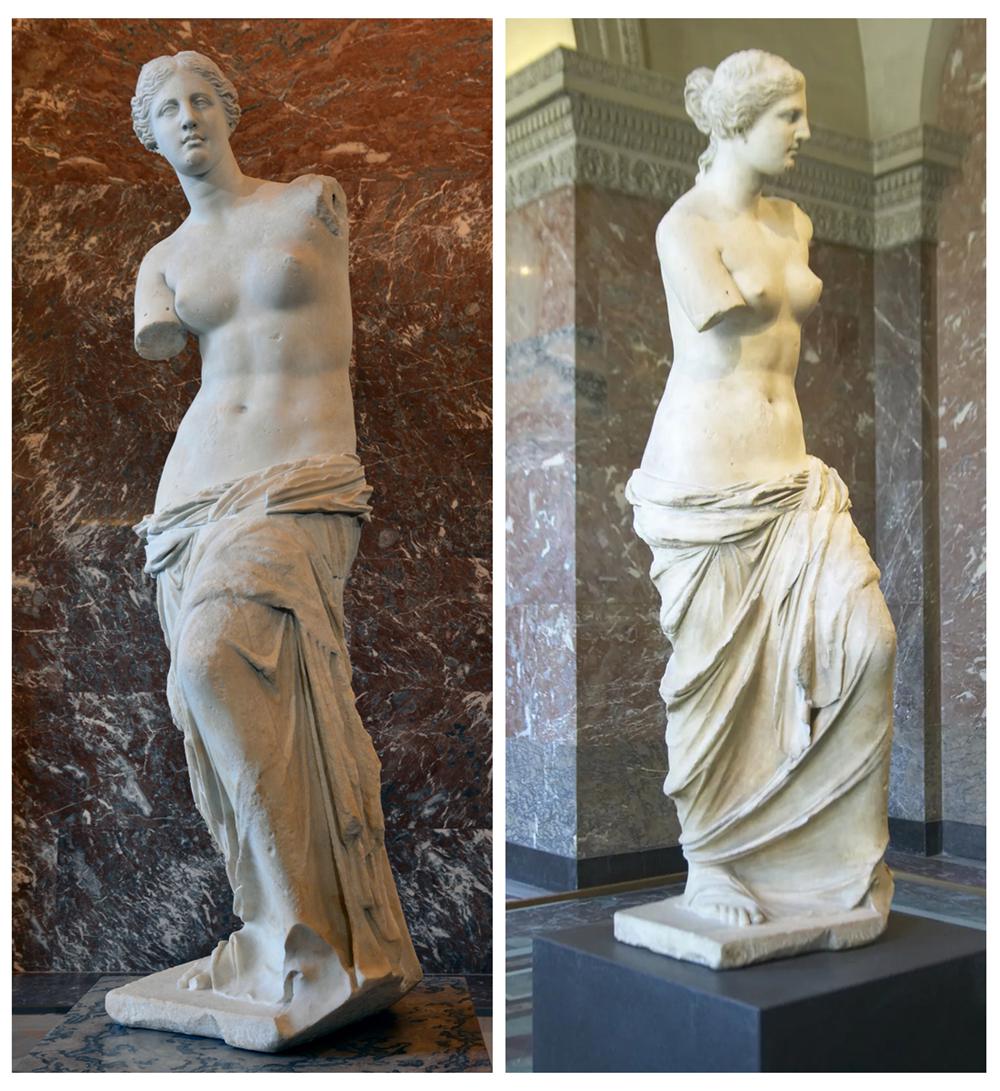
Created during the Hellenistic period—possibly in the 2nd century BC—this statue has been on display at the Louvre Museum since 1821.
If you are interested in acquiring a replica of this marble statue of Venus, please contact us directly.
How Long Do Bronze Statues Last?
Bronze sculpture is one of the most durable, capable of lasting hundreds to over 2,000 years. It is widely considered the longest-lasting sculpture material, especially for outdoor installations.
Typical lifespan:
- Indoor bronze sculptures: thousands of years
- Outdoor bronze sculptures: 100–500+ years
Why Bronze Lasts So Long
Unlike iron, bronze does not rust. Instead, it forms a natural protective layer called patina, which shields the surface from further corrosion.
Key durability advantages:
- Excellent resistance to weather and moisture
- Self-protecting oxidation layer
- Strong structural integrity
Maintenance Considerations
- Re-waxing every 1–3 years can preserve the original finish
- Without maintenance, bronze still lasts, but the patina will evolve over time
Best Use
- Public monuments
- Large outdoor sculptures
- High-end religious or commemorative works
Famous Example
The Statue of Liberty is a powerful example of bronze durability, standing strong outdoors for over a century in a harsh coastal environment.
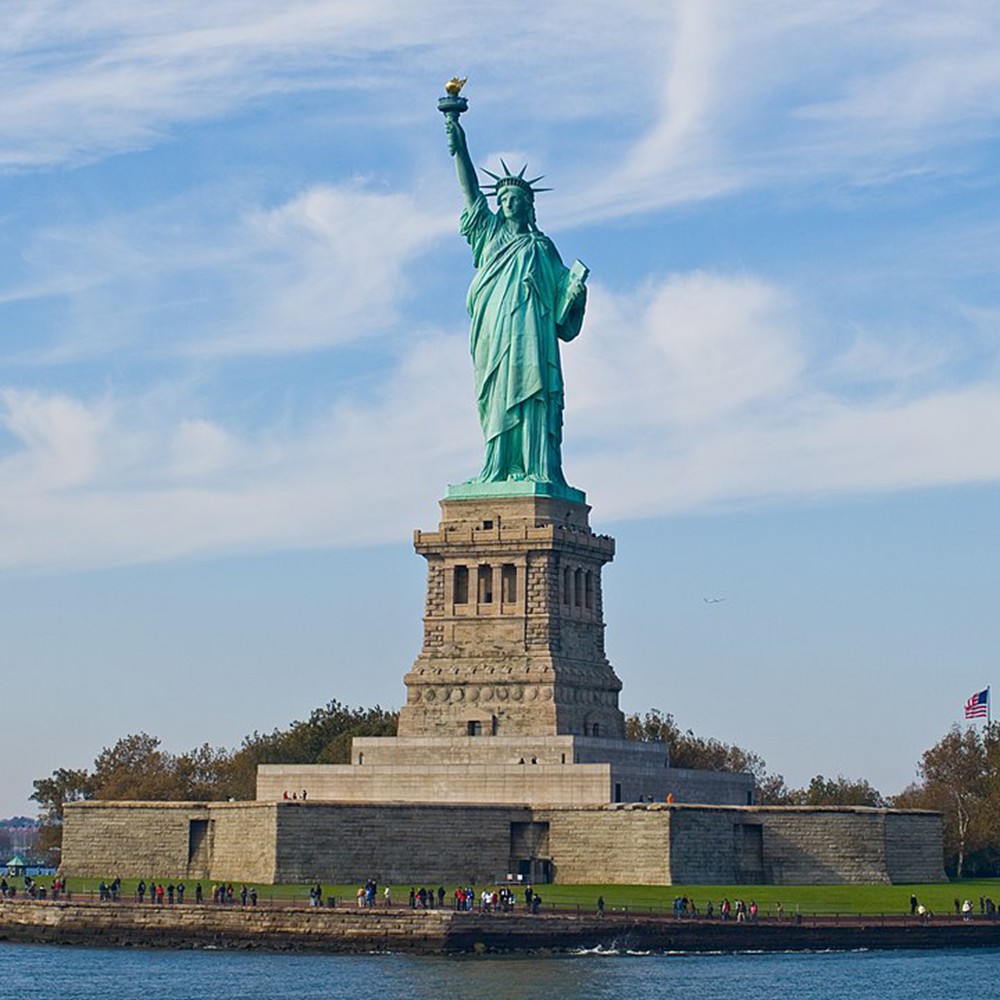
Inaugurated on October 28, 1886, and crafted from bronze, the statue stands on Liberty Island in New York Harbor, New York City. After more than a century, it remains in a good state of preservation; however, it exhibits localized signs of aging and historical damage, necessitating periodic maintenance. If you would like to get the Statue of Liberty replica, you could also contact us directly.
How Long Do Stainless Steel Sculptures Last?
Stainless steel sculptures are engineered for modern durability, typically lasting 50 to 100+ years outdoors, and potentially much longer in controlled environments.
Lifespan Overview
- Outdoor: 50–100+ years
- Indoor: 100+ yrs
Why Stainless Steel Is Durable
Its longevity comes from its strong resistance to corrosion and rust, especially when using high-quality grades:
- 304 stainless steel: suitable for general outdoor use
- 316 stainless steel: ideal for coastal environments due to salt resistance
Key Factors
- Fabrication quality (welding and structure)
- Environmental exposure (pollution, salt air)
- Maintenance (periodic cleaning)
Best Use
- Modern outdoor sculptures
- Urban landscapes
- Large-scale public art
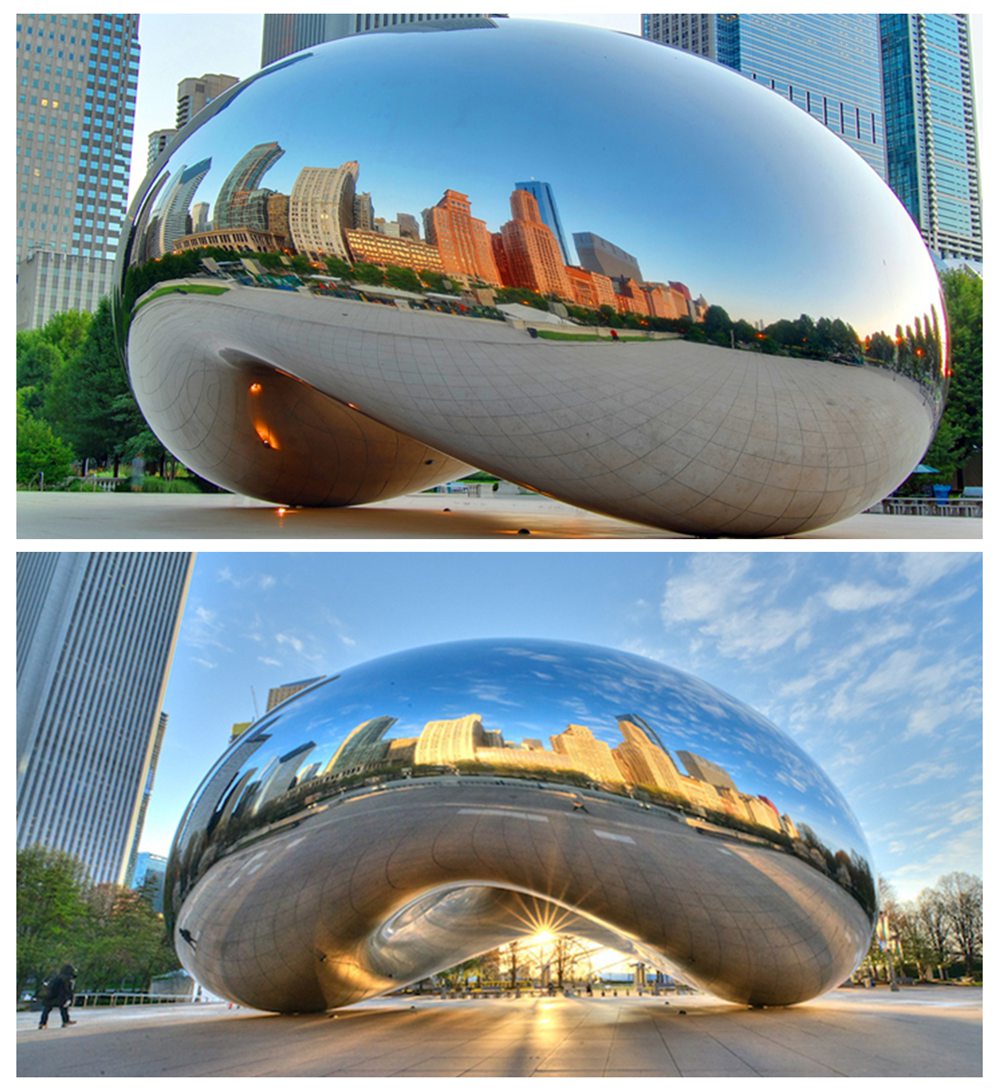
Completed: 2006 | Features: Highly polished stainless steel, designed for long-term outdoor exposure | Condition: Remains in excellent condition to this day. If you are interested in acquiring the Cloud Gate sculpture replica, please contact us directly.
How Long Do Corten Steel Sculptures Last?
Corten steel sculptures typically last 50 to 100+ years outdoors, thanks to their unique self-protective rust layer.
Lifespan Overview
- Standard outdoor: 50–100 years
- Coastal/harsh environments: 25–50 years
- Indoor: 100+ yrs
Why Corten Steel Lasts
Corten steel forms a stable rust-like surface that:
- Protects inner layers from corrosion
- Reduces the need for maintenance
Key Considerations
- Thickness matters (thicker steel lasts longer)
- Poor drainage design can shorten the lifespan
- Not ideal for highly humid or salty environments
Best Use
- Landscape design
- Garden sculptures
- Architectural installations
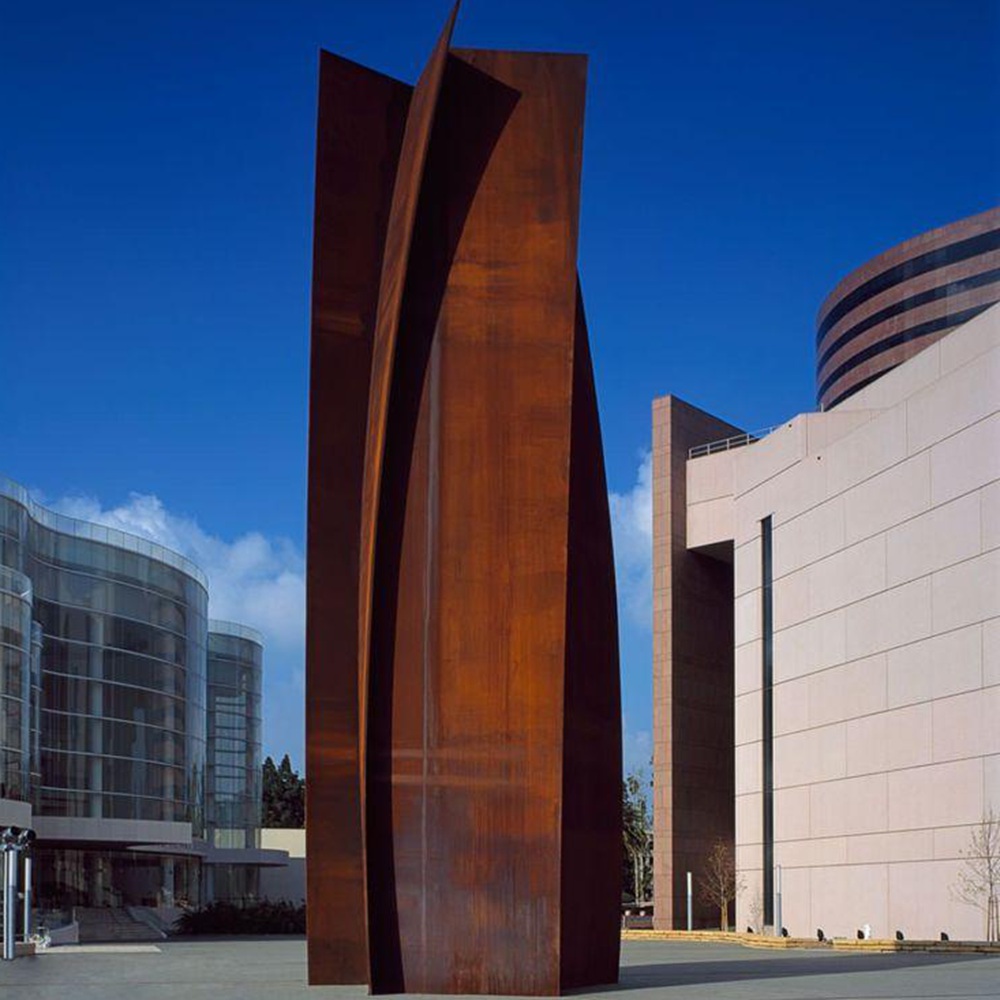
His works are widely distributed across public spaces, and most have existed for decades.
How Long Do Resin Statues Last?
Resin sculptures are a cost-effective option, but their lifespan is significantly shorter compared to stone or metal.
Lifespan Overview
- Indoor: up to 100 years with proper care
- Outdoor: typically 10–30 years
- Without protection: as little as 2–3 years
Why Resin Degrades Faster
The main issue is UV exposure, which can cause:
- Fading and yellowing
- Brittleness and cracking
Key Factors
- Quality of resin (epoxy vs low-grade)
- Sun exposure
- Temperature fluctuations
Best Use
- Indoor decoration
- Short- to medium-term outdoor use
- Budget-friendly projects
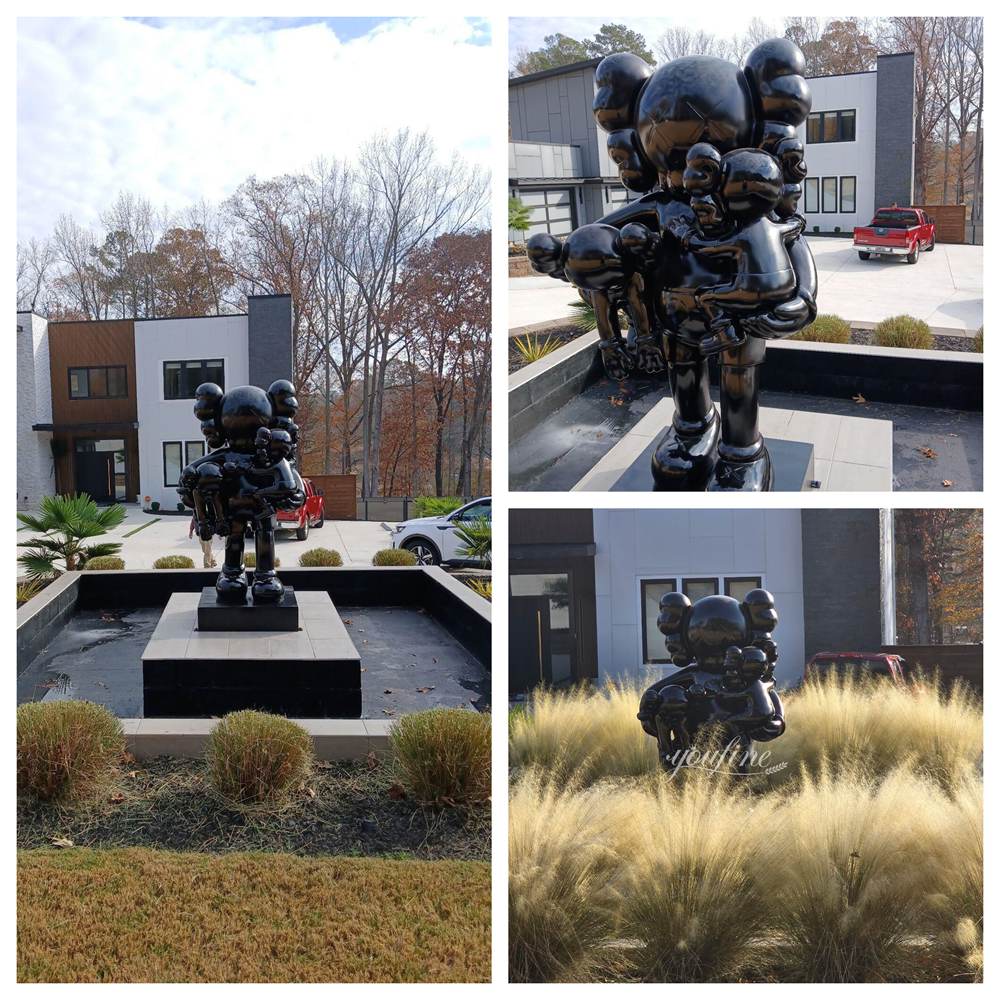
How Long Do Iron Sculptures Last?
Iron sculptures can last 20 to 50 years outdoors, but their lifespan heavily depends on maintenance.
Lifespan Overview
- Outdoor: 20–50 years (up to 100+ with care)
- Without maintenance: 5–10 years
Why Iron Is Vulnerable
Iron is highly prone to rust (oxidation), especially in:
- Humid climates
- Coastal environments
- Polluted areas
How to Extend Lifespan
- Apply protective coatings (paint, wax)
- Remove rust regularly
- Ensure proper drainage
Best Use
- Traditional decorative elements
- Indoor or protected outdoor areas
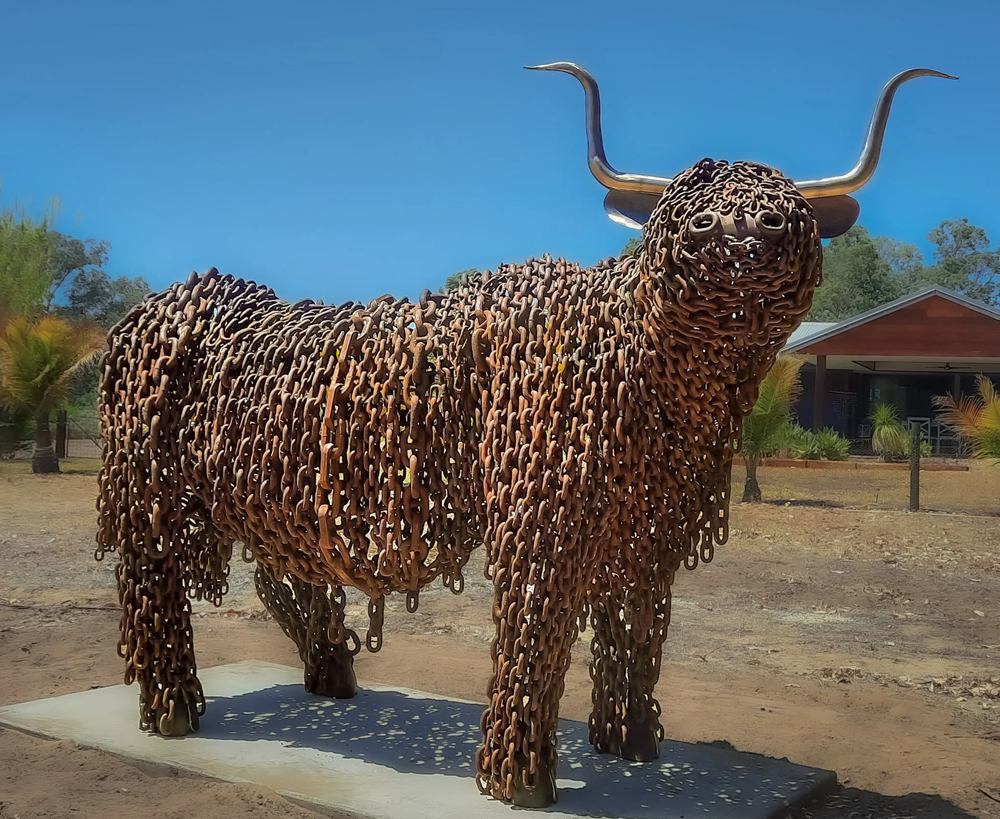
How Long Do Wooden Sculptures Last?
Wood sculptures vary greatly in lifespan, ranging from a few years to several decades, depending on conditions.
Lifespan Overview
- Indoor: decades to centuries
- Outdoor (unprotected): often only a few years
- Outdoor (treated hardwood): 10–20+ years
Key Factors
- Wood type (teak, cedar, oak) lasts longer
- Moisture and insect exposure
- Maintenance frequency
Challenges
Wood is an organic material that naturally:
- Cracks over time
- Absorbs moisture
- Requires continuous sealing
Best Use
- Indoor art
- Covered outdoor spaces
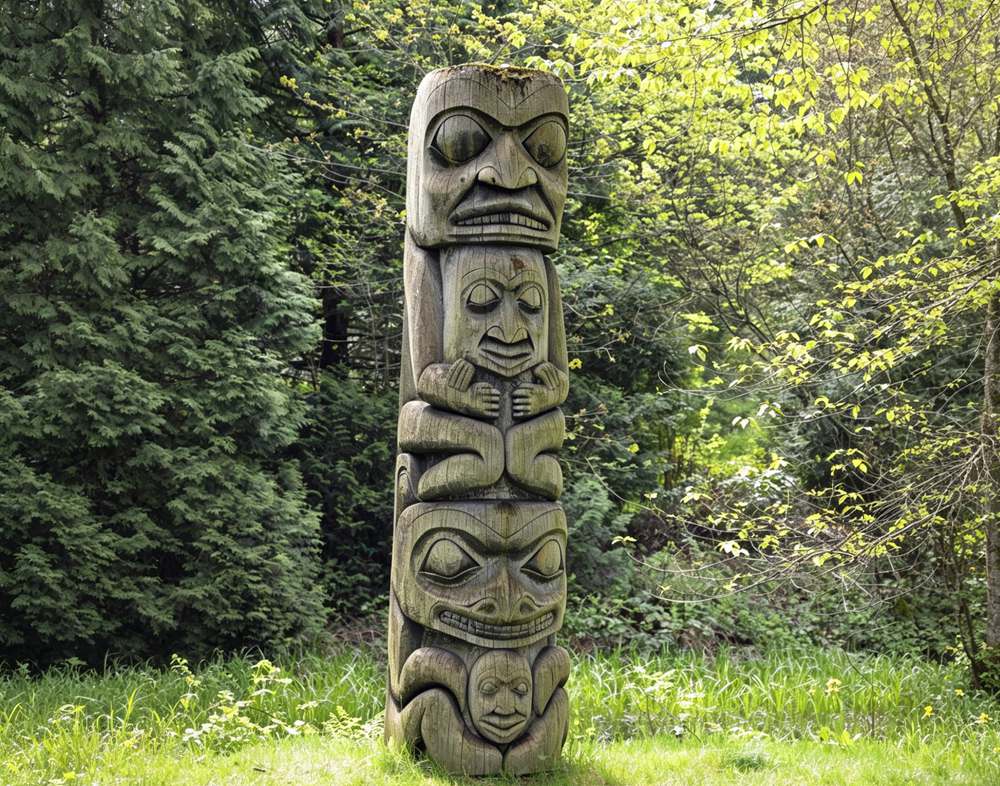
How Long Do Concrete Statues Last?
Concrete (cement) sculptures are widely used for outdoor applications and can last 30 to 50+ years, or longer with proper care.
Lifespan Overview
- Outdoor: 30–80 years
- With maintenance, 50–100 yrs
Why Concrete Lasts
Concrete is strong but porous, meaning water can enter and cause damage over time.
Key Risks
- Freeze–thaw cycles
- Moisture penetration
- Structural cracking
How to Extend Lifespan
- Apply sealant regularly
- Elevate from ground moisture
- Protect during winter
Best Use
- Garden statues
- Landscape features
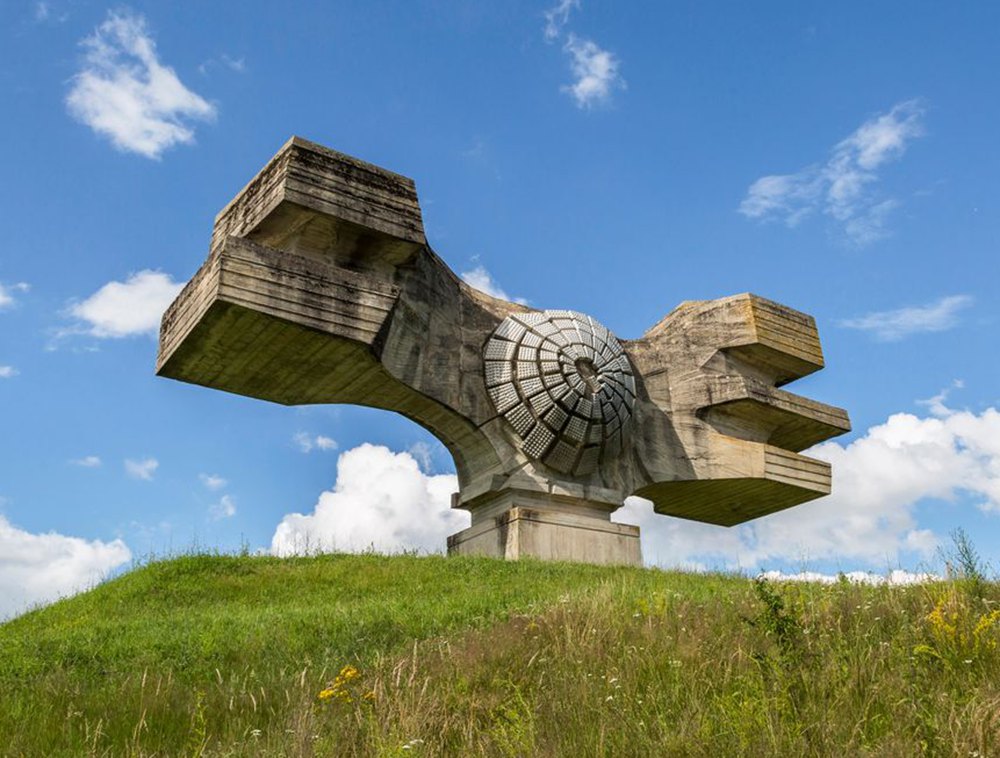
Constructed: 1960s–1970s | Material: Concrete | Status: Partially Preserved
What Affects Sculpture Lifespan? Key Factors Explained
The lifespan of a sculpture is not determined by material alone. In real-world conditions, multiple factors interact to either preserve or accelerate deterioration.
Material Quality & Composition
Even within the same material category, quality can vary significantly.
- High-density marble resists cracking and erosion better than lower-grade stone
- Hot-cast bronze (foundry bronze) is far more durable than cold-cast or bronze-coated resin
- 316 stainless steel performs significantly better than 304 in coastal environments
Poor-quality material can reduce lifespan by 50% or more, even under similar conditions.
Craftsmanship & Fabrication
How a sculpture is made is just as important as what it is made of.
Key craftsmanship factors include:
- Proper carving depth (for stone sculptures)
- Even wall thickness (for metal casting)
- High-quality welding and internal support structures
For example, a poorly welded stainless steel sculpture may fail structurally long before corrosion becomes an issue.
Structural Design
Design decisions directly affect durability over time.
- Thin or overly delicate parts are more prone to damage
- Flat surfaces that collect water accelerate deterioration
- Complex shapes may trap moisture or debris
Good design ensures:
- Water runoff
- Structural balance
- Long-term stability
Installation & Foundation
Improper installation is one of the most overlooked causes of early damage.
Key considerations:
- Drainage: Prevent water accumulation around the base
- Foundation: A stable base prevents shifting and cracking
- Elevation: Keeping sculptures off the soil reduces moisture absorption
For example, marble or concrete sculptures placed directly on soil may absorb moisture, leading to internal damage over time.
Environment & Climate (Most Critical Factor)
Environmental exposure is often the single biggest factor affecting lifespan.
Indoor vs Outdoor
- Indoor sculptures can last centuries or millennia
- Outdoor sculptures face constant weathering
Coastal Environments
- Salt accelerates corrosion (especially for metal)
- Stainless steel 316 or bronze performs better
Humid & Rainy Climates
- Promote mold, erosion, and rust
- Increase maintenance requirements
Cold Regions (Freeze–Thaw Cycles)
- Water enters pores → freezes → expands → cracks material
- Particularly damaging to marble and concrete
Hot & High-UV Areas
- Causes resin degradation
- Accelerates surface aging
Key Insight:
The same sculpture can last 300 years in a mild inland climate but only 50–100 years in a harsh coastal or freezing environment.
Maintenance Level
Maintenance dramatically extends lifespan.
- Regular cleaning prevents buildup
- Protective coatings slow deterioration
- Early repairs prevent structural failure
A well-maintained sculpture can last 2–3 times longer than one left untreated.
How to Extend Sculpture Lifespan?
Extending a sculpture’s lifespan requires a combination of preventive care and material-specific maintenance.
General Maintenance Tips
These apply to almost all sculpture types:
- Regular cleaning: Remove dirt, pollutants, and organic buildup
- Protective coatings: Seal surfaces against moisture and air exposure
- Proper drainage: Prevent water pooling around the base
- Correct installation: Ensure structural stability
Even simple maintenance can add decades to a sculpture’s lifespan.
Material-Specific Protection Methods
Marble
- Apply stone sealant every few years
- Avoid acidic cleaners (they erode the surface)
- Cover during extreme winter conditions
Bronze
- Apply wax coating every 1–3 years
- Clean gently to maintain patina
- Avoid abrasive materials
Stainless Steel
- Clean periodically to remove contaminants
- Inspect welds and joints
- Avoid prolonged exposure to industrial pollutants
Resin
- Apply UV-resistant coating
- Avoid direct sunlight when possible
- Store indoors during extreme weather
Iron
- Repaint or recoat regularly
- Remove rust immediately
- Ensure proper drainage
Wood
- Apply waterproof sealants annually
- Protect from insects and moisture
- Elevate above ground
Concrete
- Seal every few years
- Protect from freeze–thaw cycles
- Keep away from constant moisture
How to Choose the Best Sculpture Material for Longevity?
Choosing the right material is not just about appearance—it directly determines lifespan, maintenance cost, and long-term value. Due to the drawbacks in terms of appearance and durability of wood and concrete materials, we do not make any special recommendations. The following mainly presents some recommendations for common material sculptures.
- Based on Usage Scenario
For Churches & Religious Spaces
- Best: Marble or Bronze
- Reason: Long lifespan + timeless aesthetic
For Outdoor Large Sculptures
- Best: Bronze or Stainless Steel
- Reason: Strong weather resistance
For Garden Decoration
- Best: Marble, Resin, or Corten Steel
- Reason: Cost-effective and versatile
- Based on the budget
- High budget → Marble / Bronze
- Medium budget → Stainless Steel
- Low budget → Resin
- Based on Climate
- Coastal → Bronze or 316 stainless steel
- Cold regions → Avoid porous materials without sealing
- High UV → Avoid resin unless protected
- Based on Maintenance Preference
- Low maintenance → Bronze, Stainless Steel
- Medium → Marble
- High → Iron, Resin
Key Decision Principle:
Choose a material that matches your environment and maintenance ability—not just aesthetics.
FAQ
-
How long do marble statues last outdoors?
Typically 100–300+ years, depending on climate and maintenance.
-
Do bronze statues rust?
No. Bronze forms a protective patina instead of rusting.
-
What is the most durable sculpture material?
Bronze is widely considered the most durable.
-
How long do resin statues last outside?
Usually 10–30 years, depending on UV exposure.
-
Which sculpture material requires the least maintenance?
Bronze and stainless steel require minimal upkeep.
-
Can outdoor sculptures last forever?
Not forever, but some materials can last for centuries with proper care.
-
What is the best material for garden sculptures?
Bronze and stainless steel are popular, durable choices.
-
How can I protect a sculpture from weather damage?
Use sealants, proper installation, and regular maintenance. Also, you may place the sculpture indoors in a dry, well-ventilated area.
Final Thoughts
Sculpture lifespan is not fixed—it is the result of material choice, environmental exposure, craftsmanship, and maintenance. Knowing how long a sculpture lasts helps you make a smarter investment.
- Marble offers timeless beauty and centuries of life
- Bronze provides unmatched durability and reliability
- Modern materials like stainless steel balance longevity with contemporary design
If you require sculptures with a longer lifespan and superior quality—whether for life-size, large-scale, or monumental projects—please contact us directly. We would recommend the ideal sculptural material solution tailored to your specific setting, requirements, and climatic conditions.