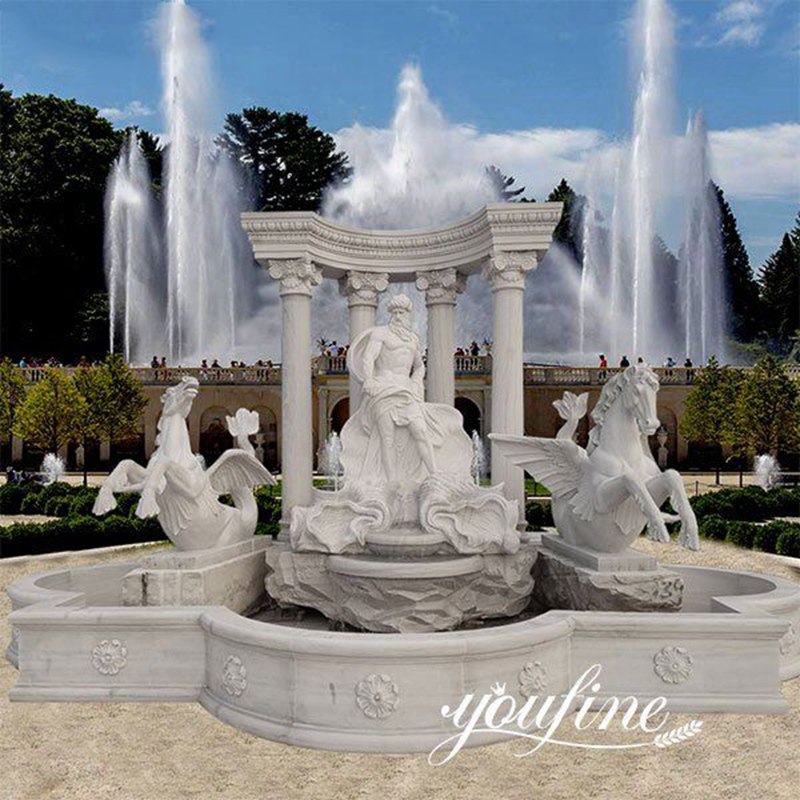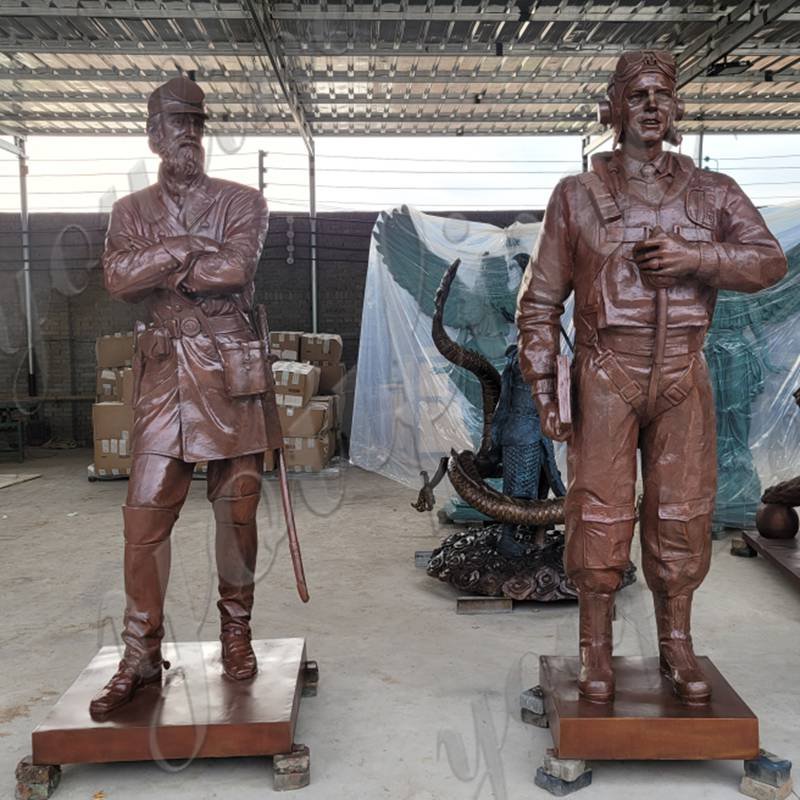
There is no single right answer when choosing between modern and classical sculpture. Both styles can work beautifully — it comes down to the space itself and what you are actually looking for.
Modern sculptures tend to use clean lines, open shapes, and minimal surface detail. Classical sculptures focus on proportion, storytelling, and decorative craftsmanship. Neither is better. The real question is: which one makes sense for your space, and which one do you genuinely like?
In this article, we break down the differences between the two styles, how each works in different settings, and what to think about before making your choice. Both factors matter — the space and your own preference. One without the other rarely produces the right result.
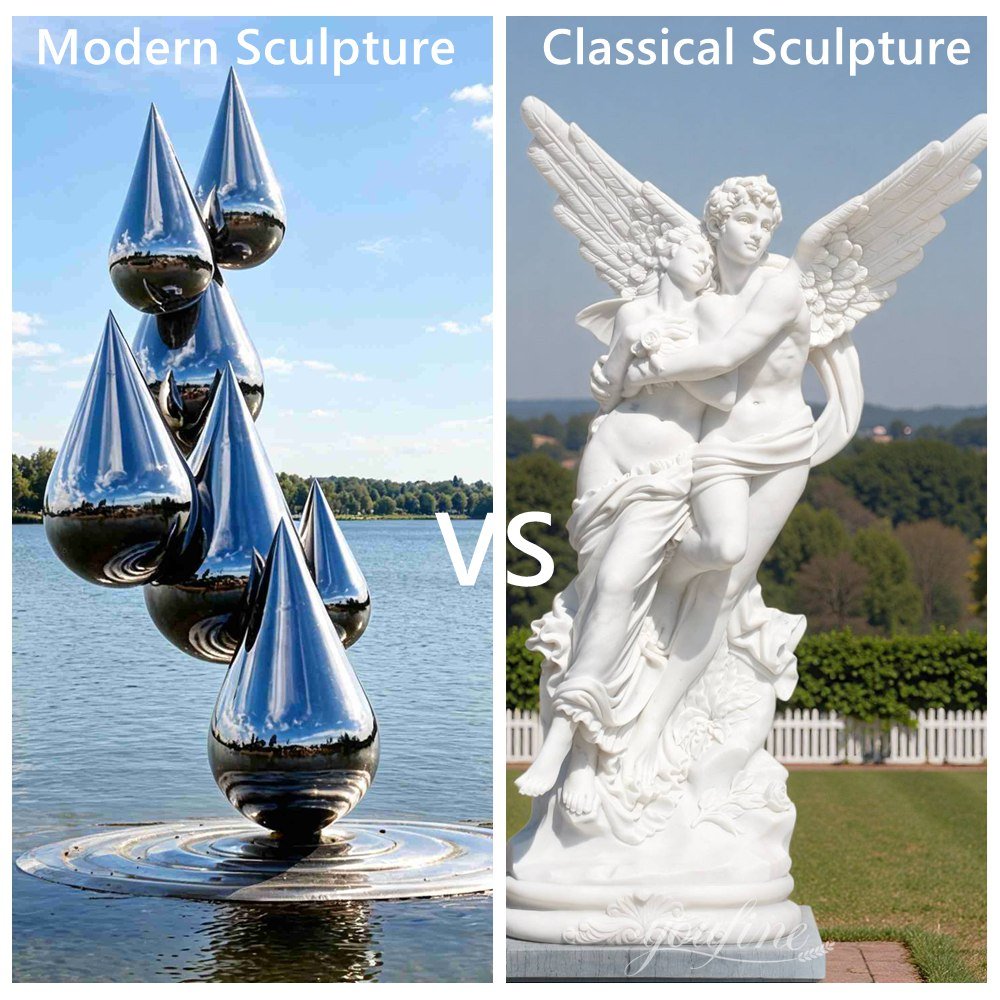
What Makes Modern and Classical Sculptures Different
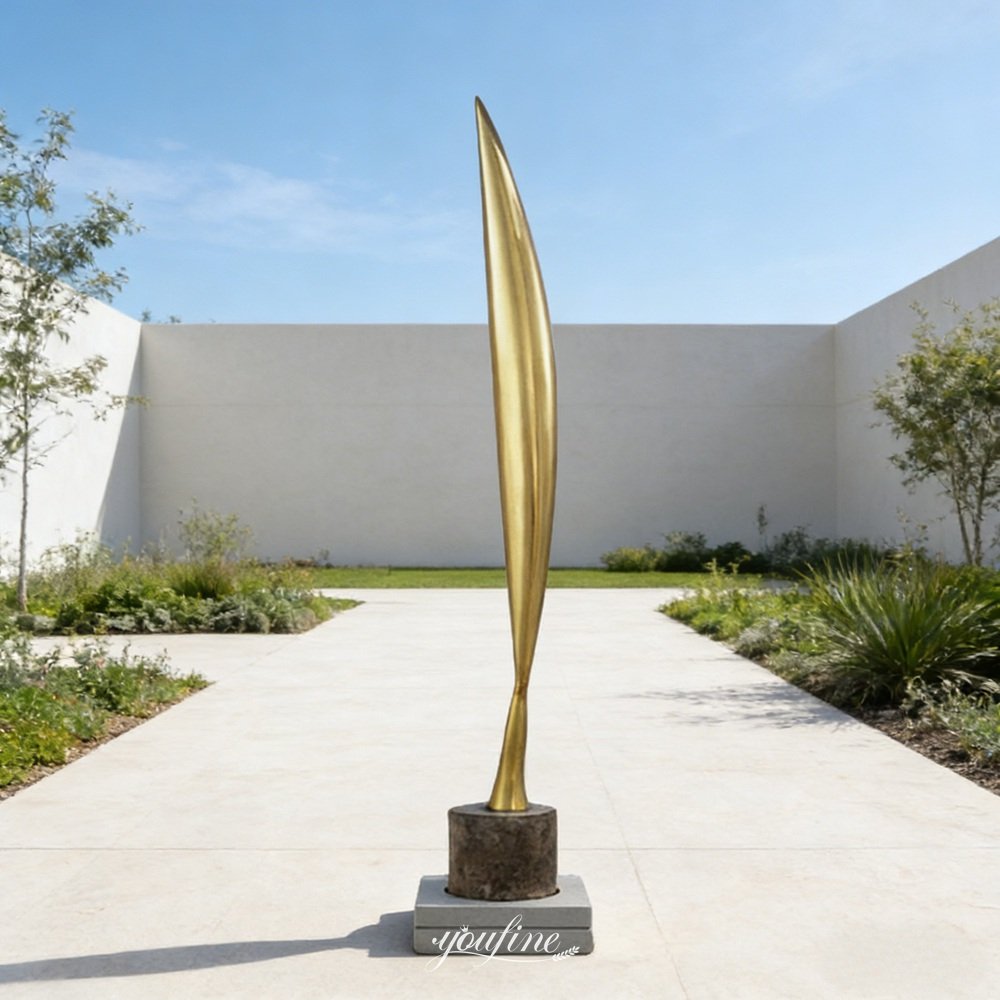
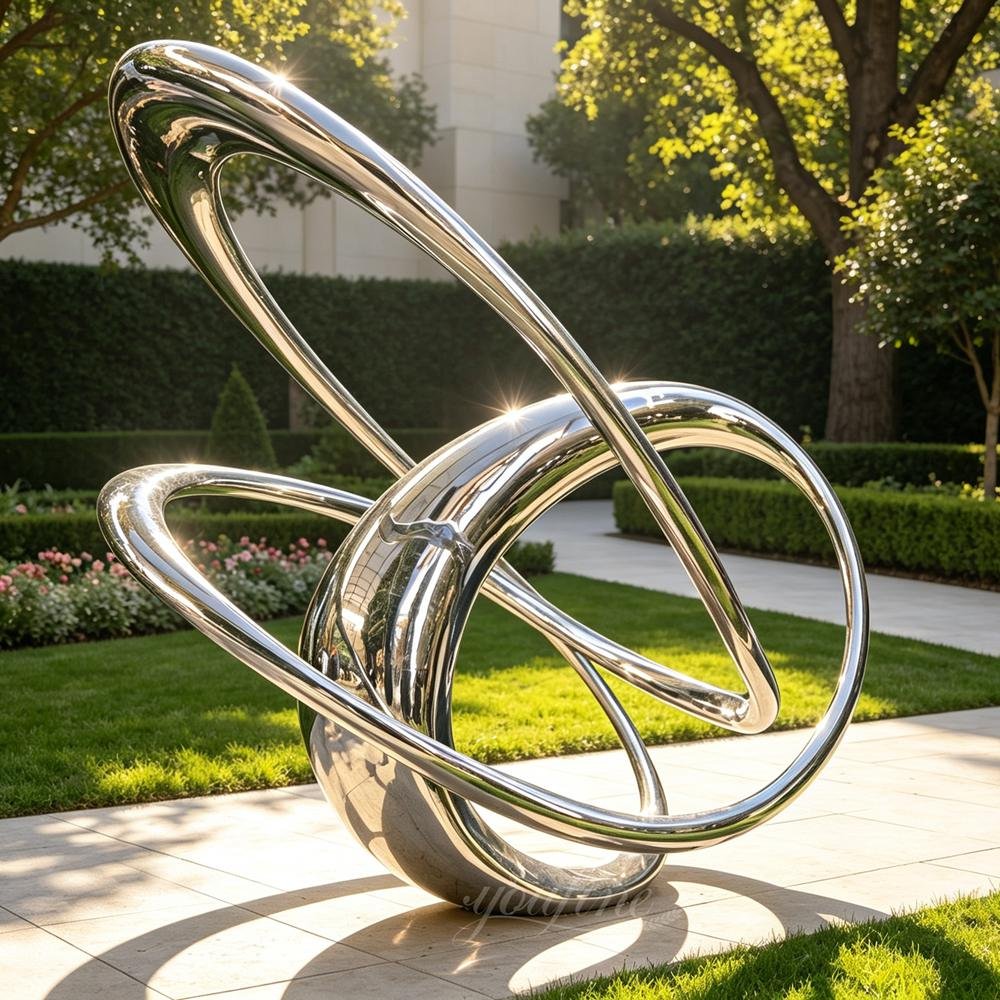
Modern sculpture prioritizes form over detail. The focus is on shape, balance, and how the piece interacts with its surroundings — a room, a garden, a building entrance.
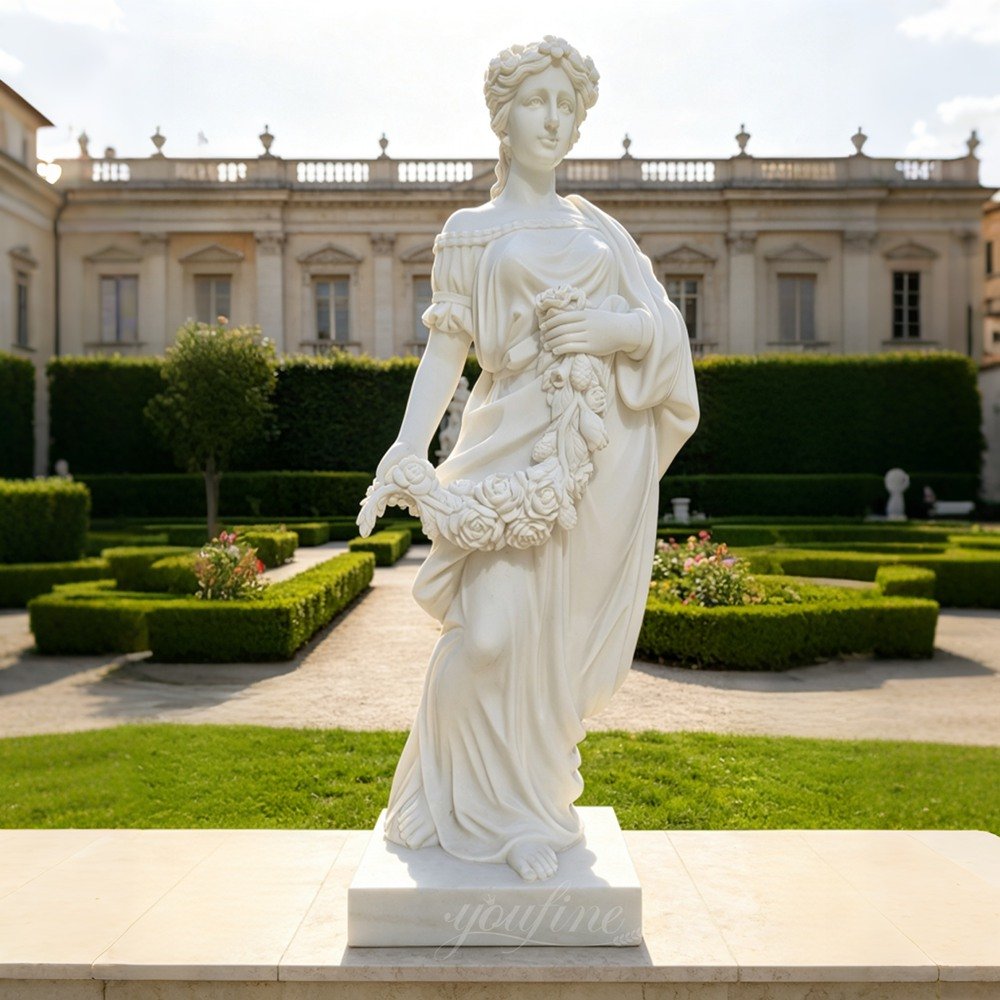
Classical sculpture draws from historical traditions — Greek, Roman, Renaissance — and typically features human figures, mythological subjects, or natural motifs, with careful attention to proportion and surface work.
Simply put: modern sculpture removes, classical sculpture adds. One gives a sense of lightness and space. The other brings weight and narrative.
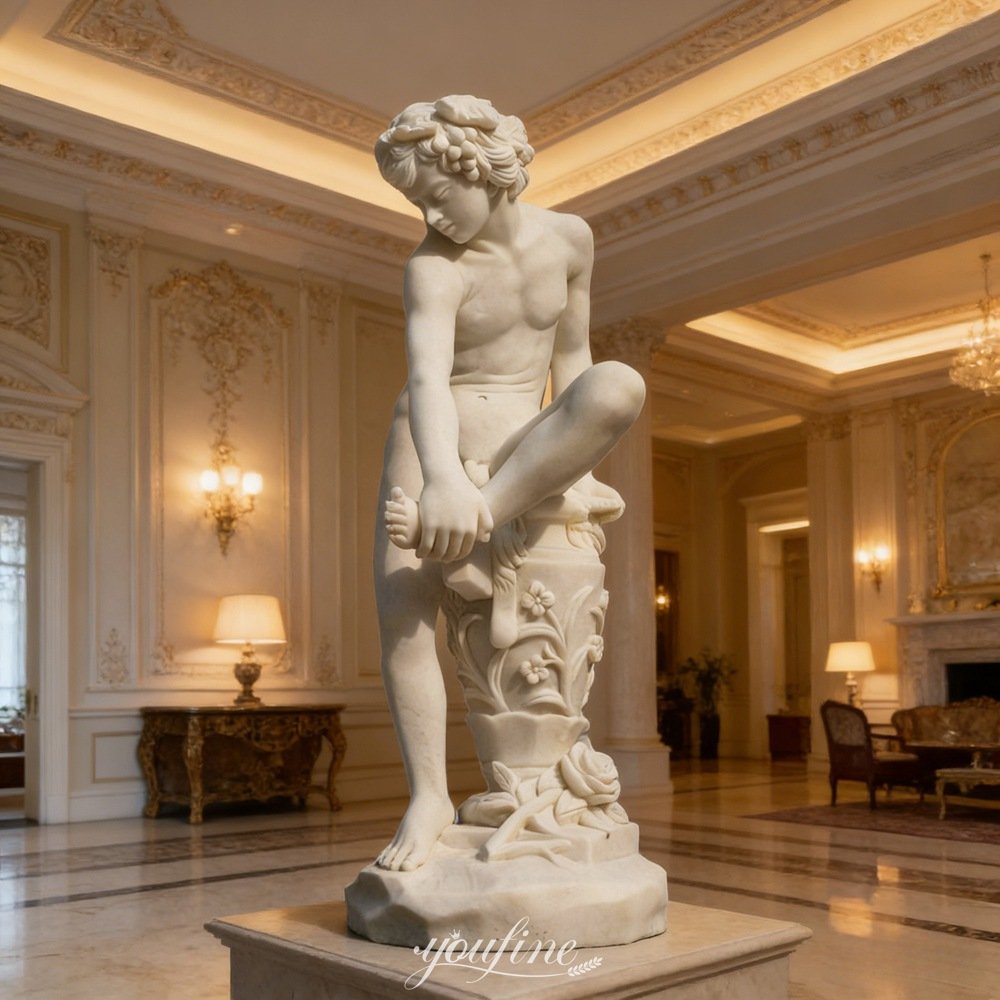
How Each Style Works in Different Spaces
The same room or garden can feel completely different depending on which style of sculpture you choose.
Two examples worth looking at more closely:
Entrance / Foyer: This is the first space people experience. A modern sculpture here creates a clean, uncluttered impression. A classical piece makes the entry feel more formal and deliberate. Many designers decide based on one simple question: what do you want someone to feel in the first three seconds?
Garden / Courtyard: In a garden, modern sculpture leaves room to breathe. It works particularly well alongside geometric planting, still water, or minimal hardscaping. Classical sculpture suits a more structured layout — placed along a path or axis so the garden unfolds gradually as you walk through it. Bronze at dusk works well in both settings.
Materials and Finishes: Choosing What Lasts
Style determines how a sculpture looks. Material determines how long it holds up. Get the material right, and a sculpture can stay in your space for decades — or much longer.
Placing the same piece indoors versus outdoors involves different considerations:
One practical rule: material determines how a piece ages; finish determines its color and character. Modern courtyard settings often use stainless steel. Classical garden settings tend toward bronze or marble. Always confirm the installation environment before finalizing the material — it makes a real difference long-term.

5 Questions to Help You Decide
If you are still unsure, work through these five questions. Most people find the answer becomes clearer by the end.
- What feeling do you want the space to have? Use the style table above and pick three words that fit.
- What is the sculpture for? Personal enjoyment, entertaining guests, brand presence, or a design commission? The intended purpose shapes how prominent the piece should be.
- Indoor or outdoor? Check the durability column in the materials table and narrow down your options from there.
- How much maintenance are you willing to do? For low maintenance, stainless steel or bronze are the straightforward choices. If you can manage periodic care, marble offers more variety. Resin is generally better suited to indoor positions.
- What is your budget? Budget is driven primarily by size and material — but style plays a role too. Classical sculptures often involve more hand work: figures, relief detail, intricate surface decoration — which takes more time and typically costs more than a simpler modern piece of the same size. That said, a minimal classical design or a highly detailed modern sculpture can both shift the final price significantly. A specific quote based on the actual design gives a more accurate picture.
Designers can use these five questions as a client brief. Individual buyers can use them as a checklist. The goal either way is straightforward: the right piece for the space, and something you want to live with.
Frequently Asked Questions
Can modern and classical sculptures be used together in one space?
Yes. The approach that works best is one dominant style with one accent piece — a classical detail in a modern setting, or a contemporary piece in a traditionally styled garden. Avoid splitting the space evenly between both; it tends to feel undecided.
Do outdoor classical sculptures require special maintenance?
It depends on the material. Bronze is low maintenance — the natural patina that develops over time is considered part of its appeal. Marble outdoors needs periodic sealing. Resin is UV-sensitive and is generally better suited for covered or indoor positions.
Can modern sculpture work in a traditional building?
Yes, often very well. The contrast between clean-lined modern work and a traditional architectural setting tends to bring out the character of both. It is an established approach in both interior and garden design.
How long does a custom sculpture take?
It depends on size, material, and design complexity. Most commissions run from several weeks to a few months, from design confirmation through to completion. Starting the conversation before construction or renovation begins is usually the better approach.
Is there a significant price difference between the two styles?
Not always. Price is mainly driven by material, size, and the amount of handwork involved. Classical sculpture often includes figures, relief detail, and complex surface work, which takes more labor and typically costs more than a simple modern design of the same dimensions. But a minimal classical piece or a highly detailed modern sculpture can both shift the number in either direction. The design itself matters more than the style label.
Can you handle both indoor and outdoor pieces for the same project?
Yes. Planning the indoor and outdoor elements together usually produces a more consistent result — the pieces relate to each other, and the overall feel of the space stays coherent. We are happy to discuss both as part of a single project.
Ready to Find the Right Piece?
If you have read through this, you probably have a clearer sense of which direction fits your space — and your own taste.
Whether it is a private residence, a commercial interior, a hospitality project, or a large-scale landscape — the process is the same: start with the space, get the material right, and find something you want to live with.
At artsculpturegallery, we work with homeowners, interior designers, architects, and landscape designers on both individual commissions and larger project collaborations. Tell us about your space and what you have in mind. We will take it from there.
References:
- MoMA — Sculpture: https://www.moma.org/collection/terms/sculpture
- V&A — Sculpture Collection: https://www.vam.ac.uk/collections/sculpture
- Tate — Sculpture: https://www.tate.org.uk/art/art-terms/s/sculpture