Ancient sculpture is one of the most influential art forms in Western history. Among all traditions, Greek and Roman statues stand out as the foundation of classical art. While Greek works deeply inspired Roman artists, they developed a distinct style that reflected their own culture, values, and political system.
So, what exactly is the difference between Roman sculpture and Greek sculpture? In this guide, we break down the 5 key differences between Greek and Roman statues, including style, subject, purpose, materials, and portraiture—plus additional tips to help you tell them apart instantly.
Greek vs Roman Statues: Quick Comparison
| Feature | Greek Statues | Roman Statues |
|---|---|---|
| Style | Idealized, perfect, youthful | Realistic, detailed, aged |
| Subject | Gods, heroes, athletes | Emperors, citizens, ancestors |
| Purpose | Religious & philosophical | Political & commemorative |
| Material | Bronze (originals), marble | Marble (often copies) |
| Portraiture | Full-body ideal figures | Realistic busts & portraits |
Idealism vs Realism (Style & Philosophy)
The most fundamental difference between Greek and Roman statues lies in their artistic philosophy.
Greek Statues (Idealism)
Greek artists pursued the “perfect human form,” believing beauty reflected divine harmony and order.
- Youthful, athletic, perfectly proportioned
- Smooth skin with no imperfections
- Even older figures appear idealized
This reflects a deeper cultural belief in balance, perfection, and universal beauty.
Roman Statues (Realism)
Romans valued realism (verism), believing identity and experience should be visible.
- Wrinkles, aging, and imperfections
- Strong facial detail and individuality
- Emphasis on status and authority
A Roman senator, for example, might be shown with a receding hairline and deep lines to symbolize wisdom.
Key takeaway:
Greek sculpture creates ideal humans, while Roman sculpture represents real people.
Knowledge Supplement: Greek sculptures often use contrapposto—a natural, relaxed stance that creates an elegant S-shaped curve in the body
Additional stylistic difference:
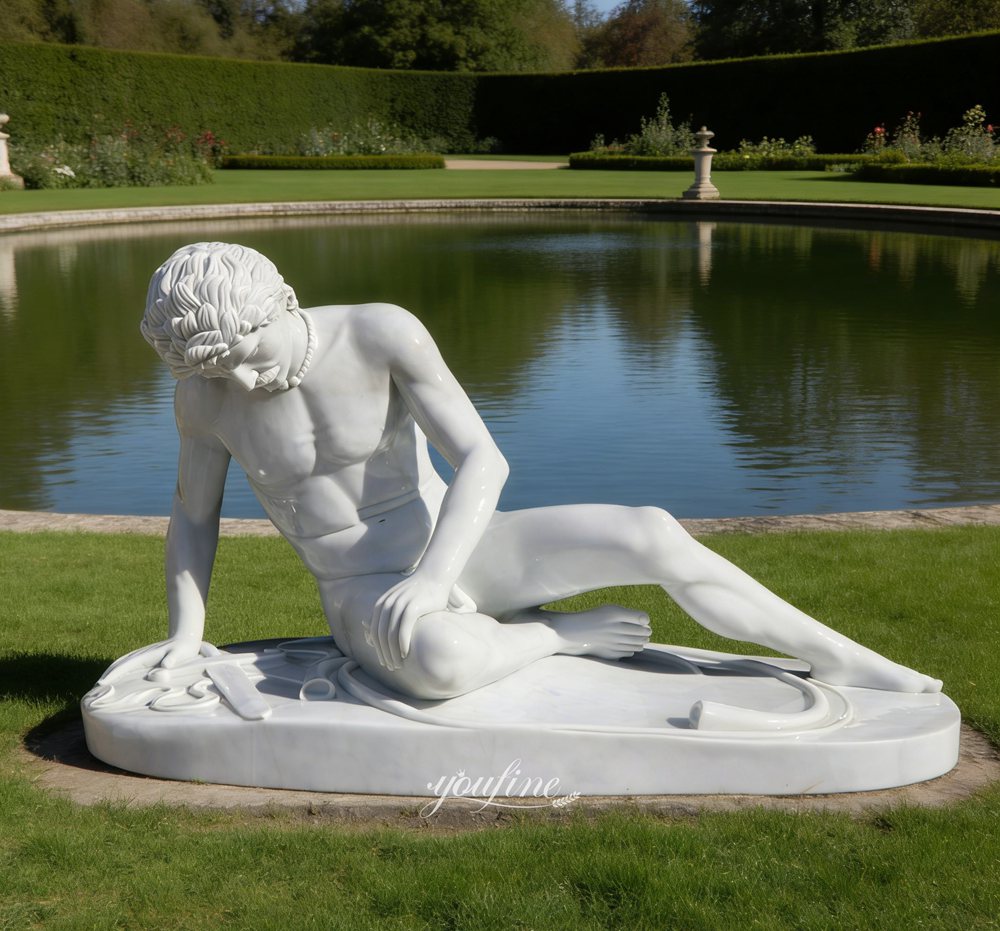
– Greek statues are often nude, celebrating the ideal human body
– Roman statues are usually clothed or armored, reflecting social status and civic identity
Gods vs Real People (Subject Matter)
The subjects of Greek and Roman sculptures reveal their cultural priorities.
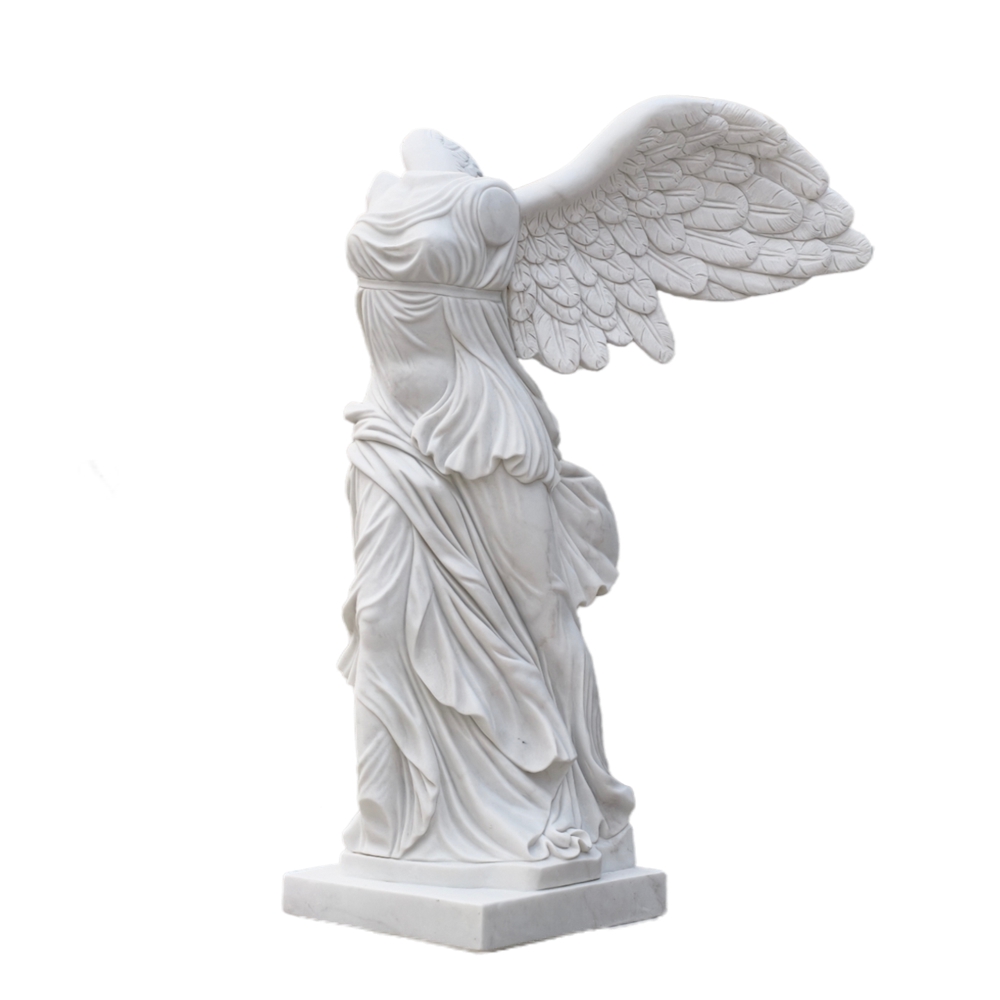
Greek Sculpture
- Olympian gods (Zeus, Athena)
- Mythological heroes
- Idealized athletes
Greek figures represent universal ideals, not specific individuals.
Roman Sculpture
- Emperors and political leaders
- Generals and elite citizens
- Ancestor portrait busts
Romans used sculpture as a tool for political power and family legacy.
Greek focuses on ideals; Roman focuses on identity.
Religious Art vs Political Tool (Purpose)
Greek Sculpture
- Temple decoration and worship
- Celebration of athletic victories
- Exploration of harmony and proportion
Core purpose: spiritual and philosophical expression
Roman Sculpture
- Public monuments of emperors
- Household ancestor busts
- Political messaging across the empire
Core purpose: power, propaganda, and social order
Bronze Originals vs Marble Copies (Materials & Techniques)
Greek Sculpture
- Primarily made in bronze
- Allowed dynamic, balanced poses
- More freedom in movement (e.g., contrapposto)
Roman Sculpture
- Mostly carved in marble
- Frequently copied Greek originals
- Required structural supports
Key identification tip:
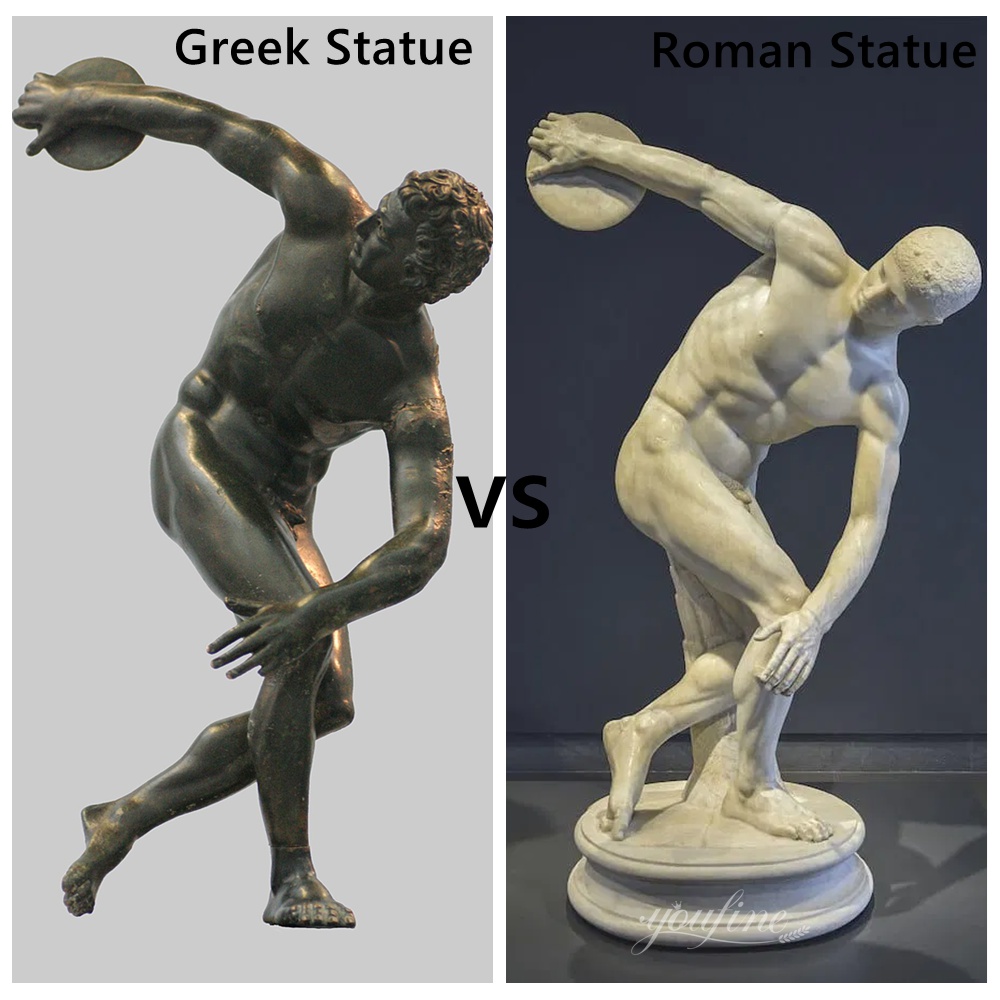
Tree trunks or support pillars often indicate a Roman marble copy.
Full Body vs Portrait Busts (Portraiture)
Greek Sculpture
- Focus on full-body perfection
- Less interest in individual identity
Roman Sculpture
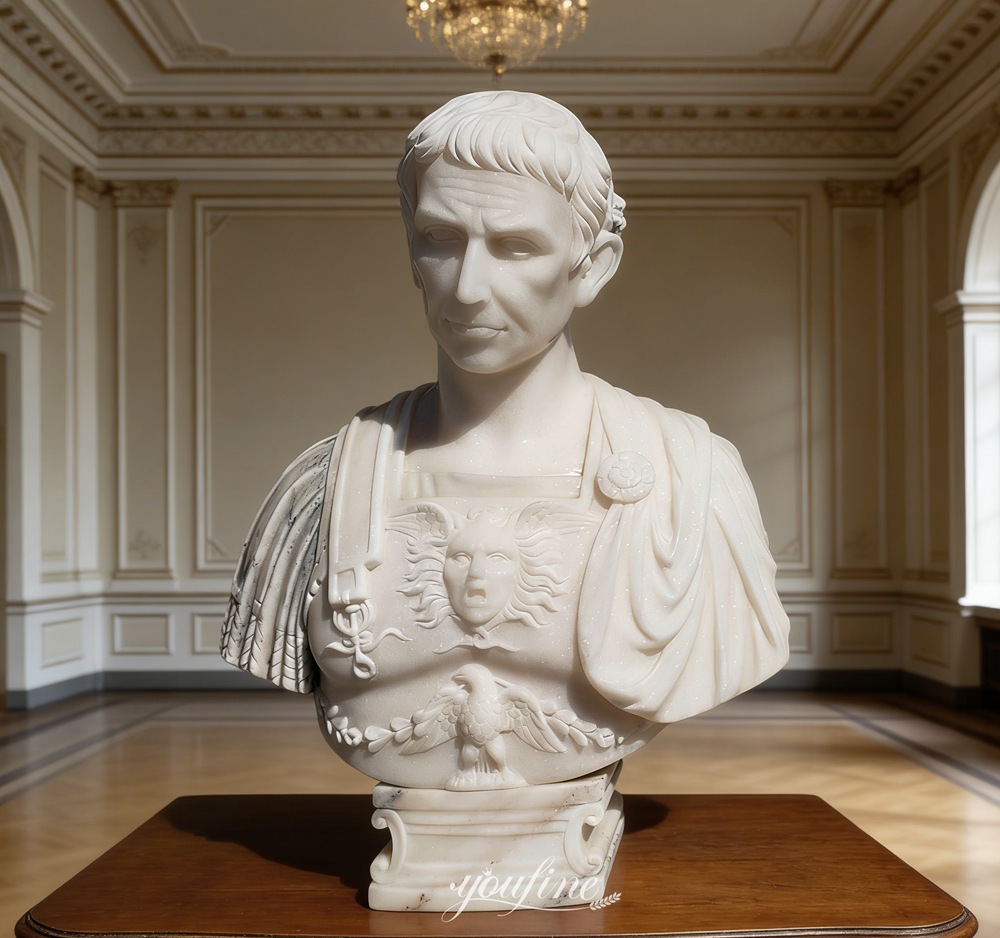
- Highly realistic portrait busts
- Focus on facial expression and psychology
- Representation of age, power, and status
A unique Roman feature:
They often combined a realistic head with an idealized body, blending truth and symbolism.
Knowledge Supplement: Roman portrait busts were partly influenced by death masks—wax casts taken from deceased ancestors—making their sculptures even more realistic and personal.
How to Tell Greek and Roman Statues Art Apart (Quick Guide)
If you’re unsure whether a statue is Greek or Roman, use these quick visual clues:
Face
- Smooth, youthful → Greek
- Wrinkled, aged → Roman
Body
- Perfect proportions → Greek
- Realistic or mixed → Roman
Clothing
- Often nude → Greek
- Armor or toga → Roman
Structure
- No support → Greek bronze
- Tree trunk/pillar → Roman marble
Subject
- Gods or athletes → Greek
- Emperors or real people → Roman
These simple checks can help you identify sculptures in just seconds.
Were Greek and Roman Statues Always White?
Many people believe ancient statues were made of pure white marble—but this is a misconception.
- Both Greek and Roman statues were originally painted in bright colors
- Common colors included red, blue, gold, and skin tones
- Some sculptures were even treated with oils and perfumes
Over time, the paint faded, leaving the white marble we see today.
This surprising fact not only changes how we view ancient art but also makes these sculptures more vivid and lifelike than commonly imagined.
Why Do Roman Statues Look Like Greek Statues?
You may notice that many Roman sculptures look very similar to Greek ones. There are two main reasons:
- Roman admiration for Greek art
Romans considered Greek art the highest standard of beauty.
- Copying and adaptation
Roman artists often recreated Greek bronze statues in marble.
Additionally, Roman art sometimes revived older Greek styles, blending tradition with new purposes.
Famous Greek and Roman Statues
Here are some well-known examples that highlight their differences:
Greek Statues
- Discobolus (The Discus Thrower) – ideal athletic form
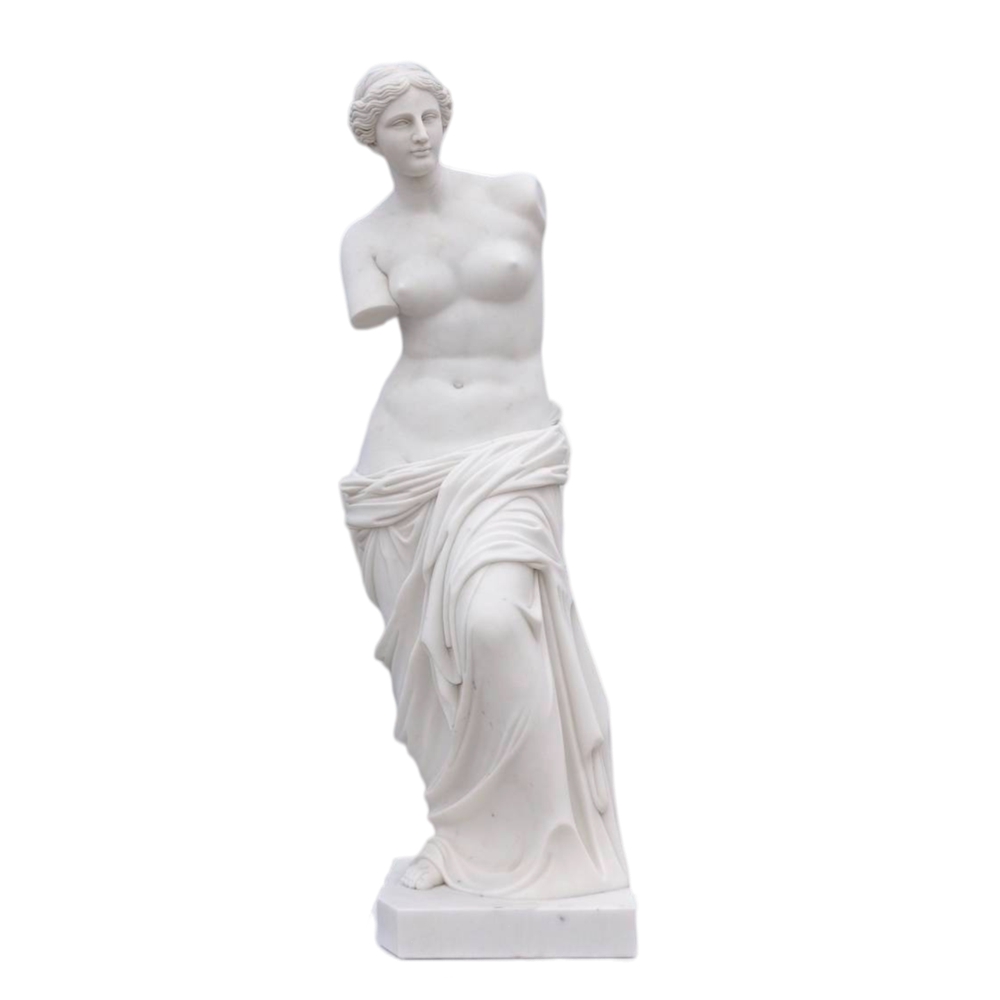
- Venus de Milo – graceful and balanced beauty
Roman Statues
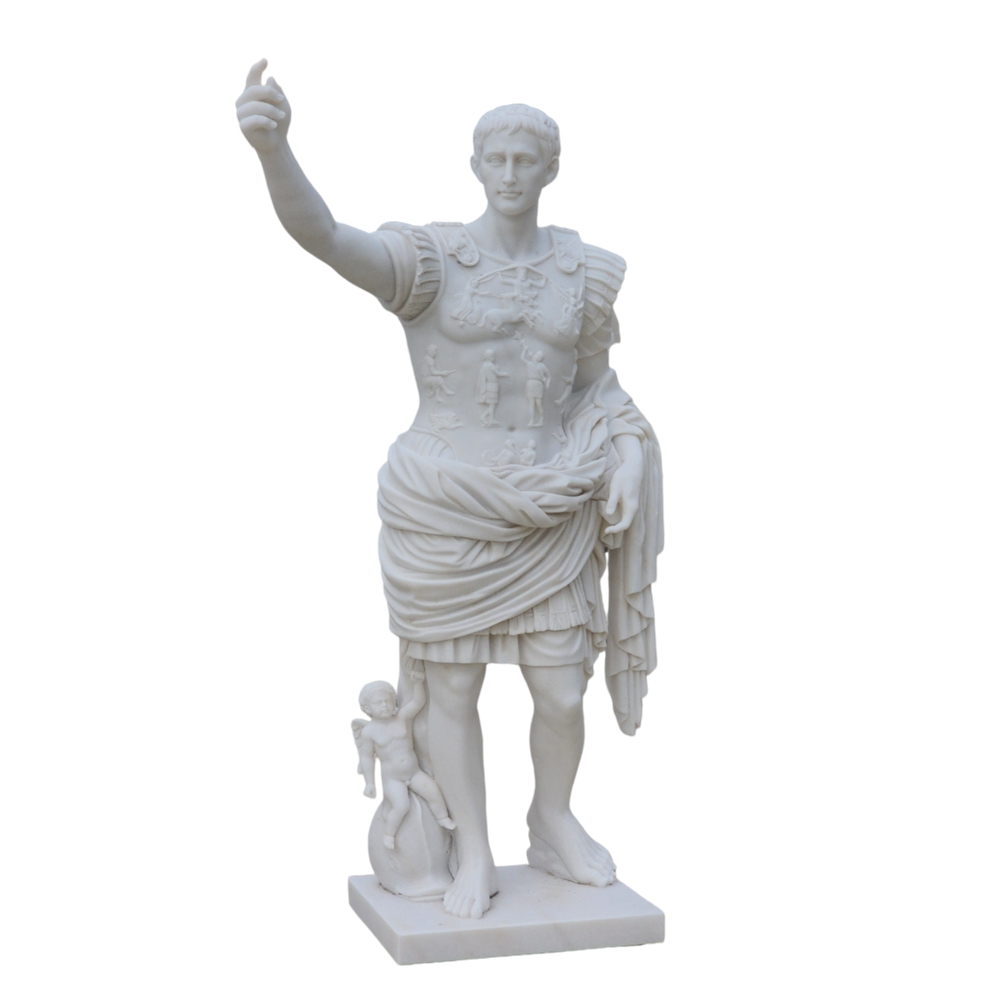
- Augustus of Prima Porta – political propaganda and power
- Roman portrait busts – realistic and individualized
These examples clearly show the contrast between ideal beauty and realistic identity.
FAQ
-
Which should I choose: Greek or Roman statues?
Choose Greek style if you want timeless, idealized beauty and mythological harmony. Opt for Roman style if you prefer realistic power, historical depth, and a strong, authoritative presence.
-
What materials are recommended for reproducing these statues?
We recommend bronze for capturing the dynamic movement of Greek art and natural marble for the lifelike facial textures of Roman portraits. Both materials ensure museum-quality durability and prestige.
-
For a custom bust, do you recommend the Roman or Greek style?
We strongly recommend the Roman style for custom busts. Their tradition of “Verism” excels at capturing unique facial character and psychological depth, whereas Greek styles are often too idealized.
-
How can I commission a custom bust?
Simply provide photos or your design, and we will create a 1:1 clay model for your approval. Once perfected, our artists will complete the final piece in bronze or marble using 40 years of expertise.
-
Which settings are best for Greek and Roman statues?
Greek statues are ideal for gardens, pool sides, and minimalist interiors. Roman statues are better suited for executive offices, private libraries, and corporate lobbies to add a sense of history and prestige.
Final Thought
Understanding the difference between Greek and Roman sculpture reveals two completely different worldviews:
Greek sculpture pursues perfection, balance, and timeless beauty
Roman sculpture captures reality, individuality, and power
If you’re looking for high-quality marble sculptures or bronze sculptures inspired by Greek or Roman styles, explore our collection or request a custom design.