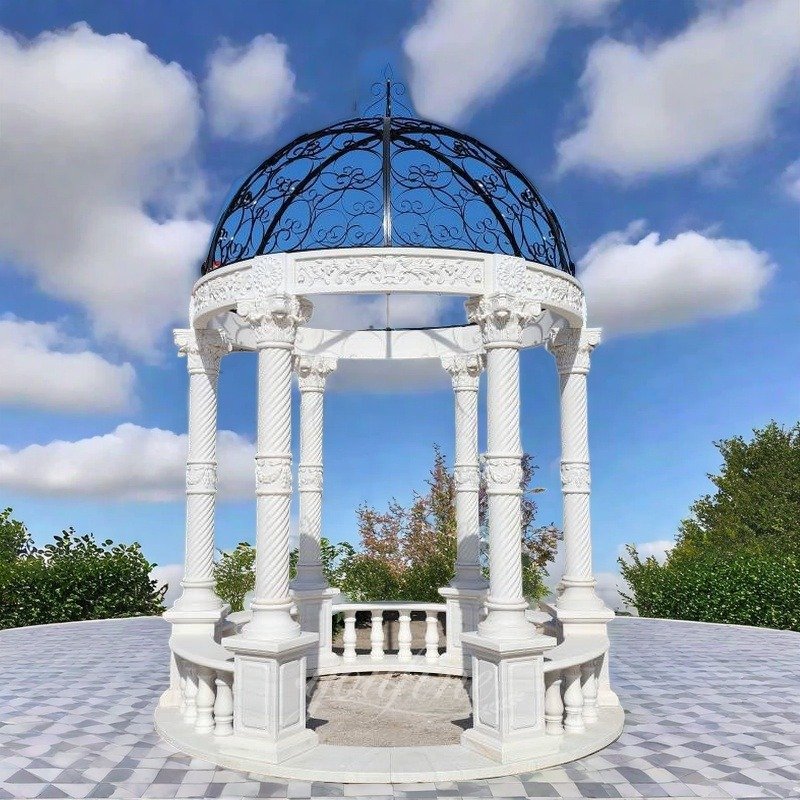
Whether you are a city planner creating a landmark, an architect designing a park, or a private owner honoring a family legacy, choosing the right terminology is the first step to a successful project.
With my own decade of project experience, I’ve noticed that “Monument” and “Memorial” are often confused. While both bridge the past and present, they differ fundamentally in design and emotion. Today, I’ll introduce these core differences in detail for you.
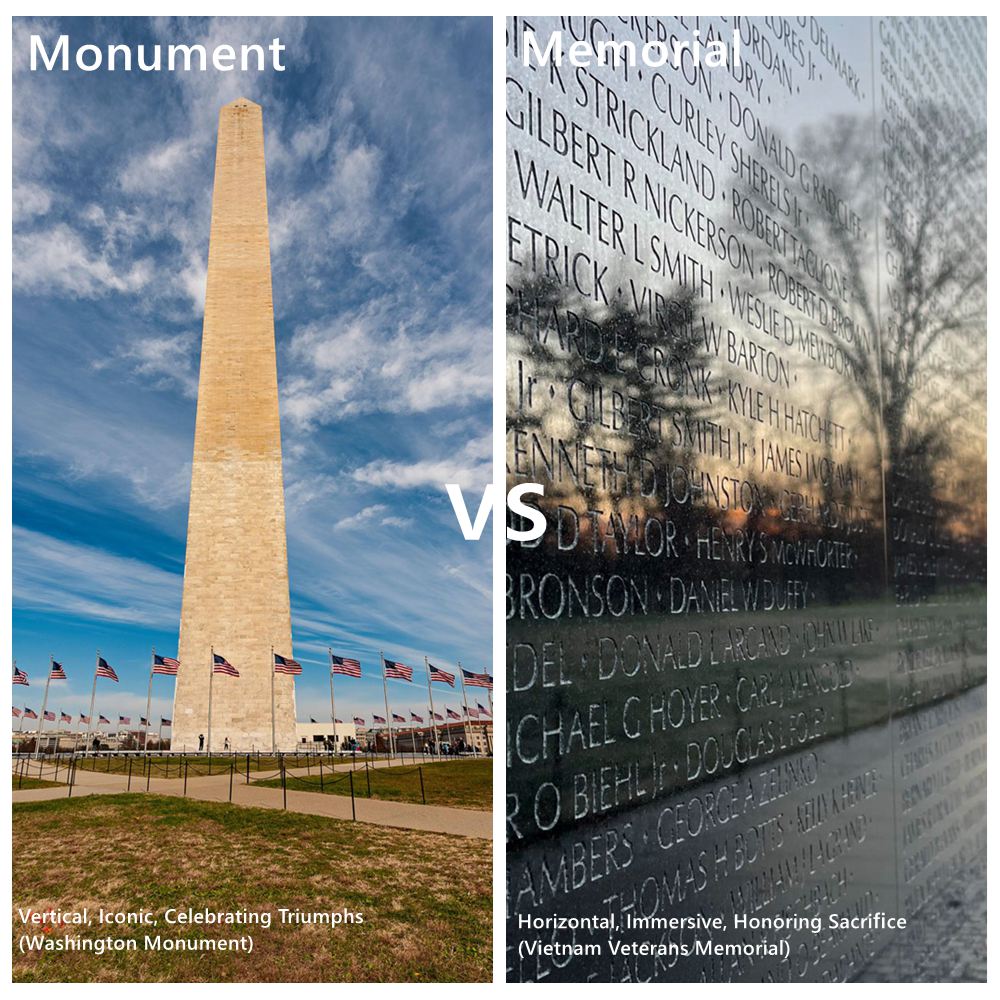
Quick Answer: Monument vs Memorial
| Aspect | Monument | Memorial |
|---|---|---|
| Core Purpose | Honor achievement or legacy | Remember loss or people |
| Emotion | Pride, power, celebration | Reflection, emotion, remembrance |
| Scale | Large, dominant | Human-scale or immersive |
| Interaction | Viewed from a distance | Experienced up close |
👉 In short:
A monument celebrates history, while a memorial helps people feel and remember it.
What is a Monument?
- Definition: A monument is a structure—often grand and permanent—created to celebrate a specific person, a significant achievement, or a historical event.
- Core Function: It serves as a symbol of power, national identity, or lasting historical status.
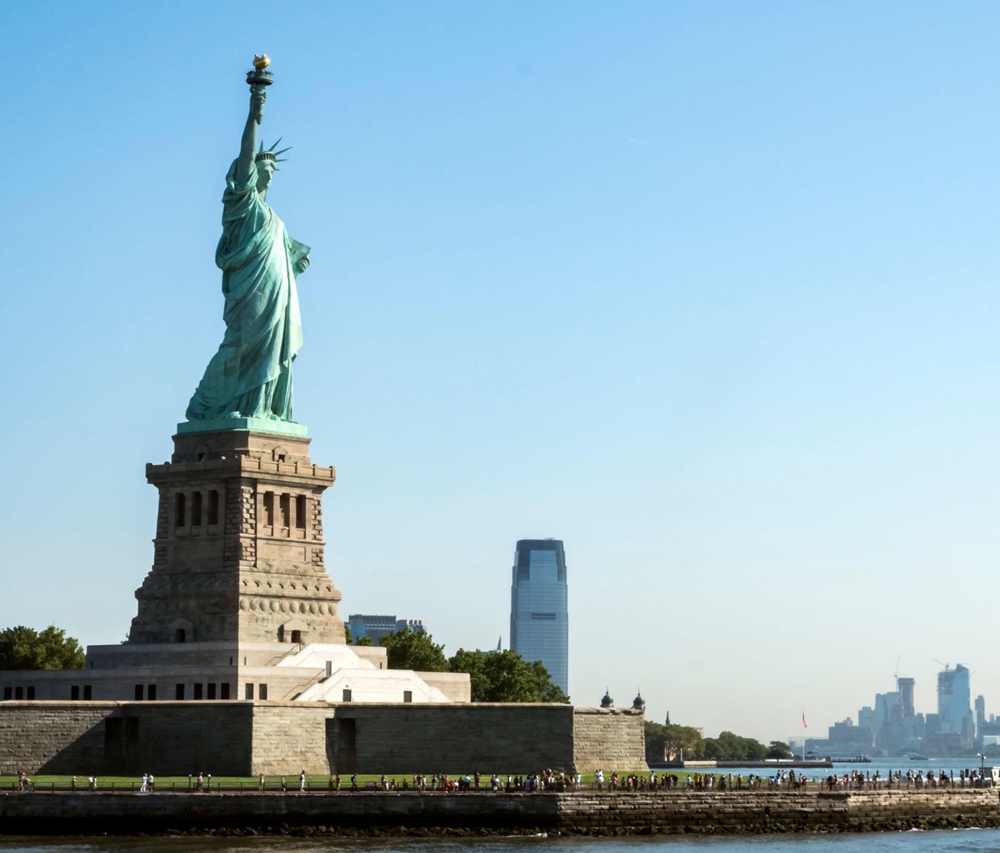
- Examples: The Washington Monument, The Statue of Liberty, or a massive bronze statue of a founding leader.
What is a Memorial?
- Definition: A memorial is a tribute focused on remembrance. Its primary goal is to preserve the memory of those who have passed or to reflect on a shared loss or tragedy.
- Core Function: It provides a space for emotional healing, empathy, and quiet reflection.
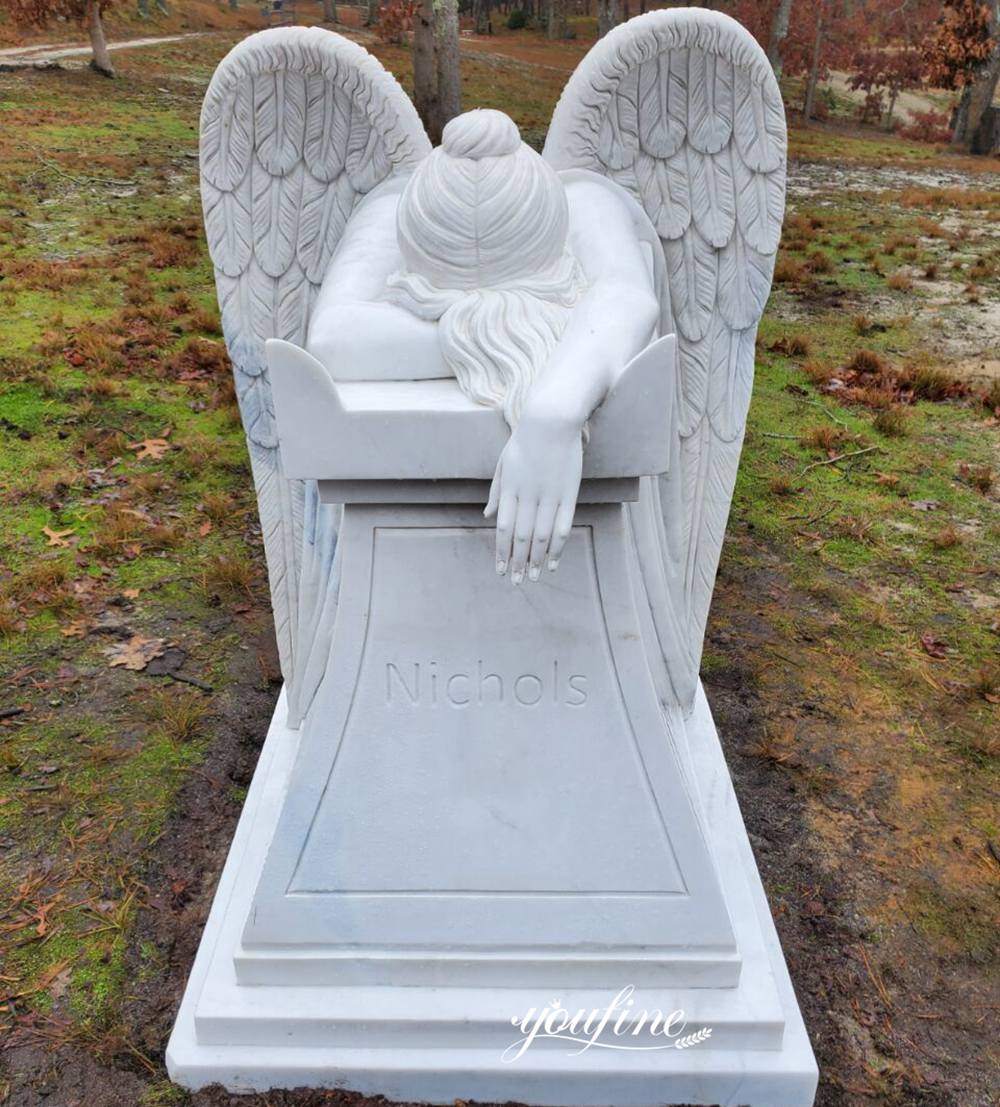
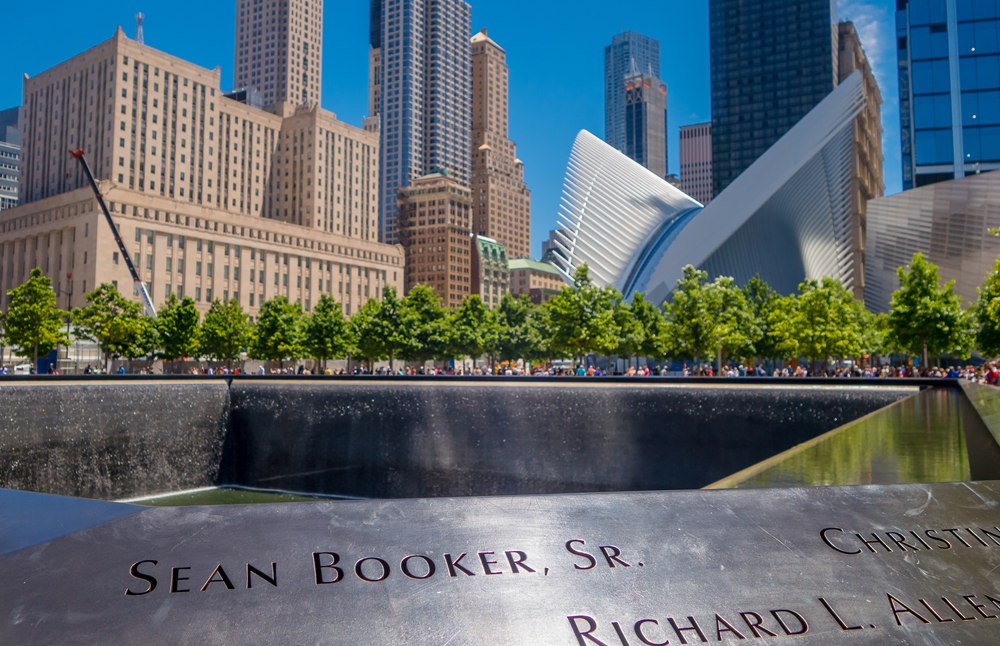
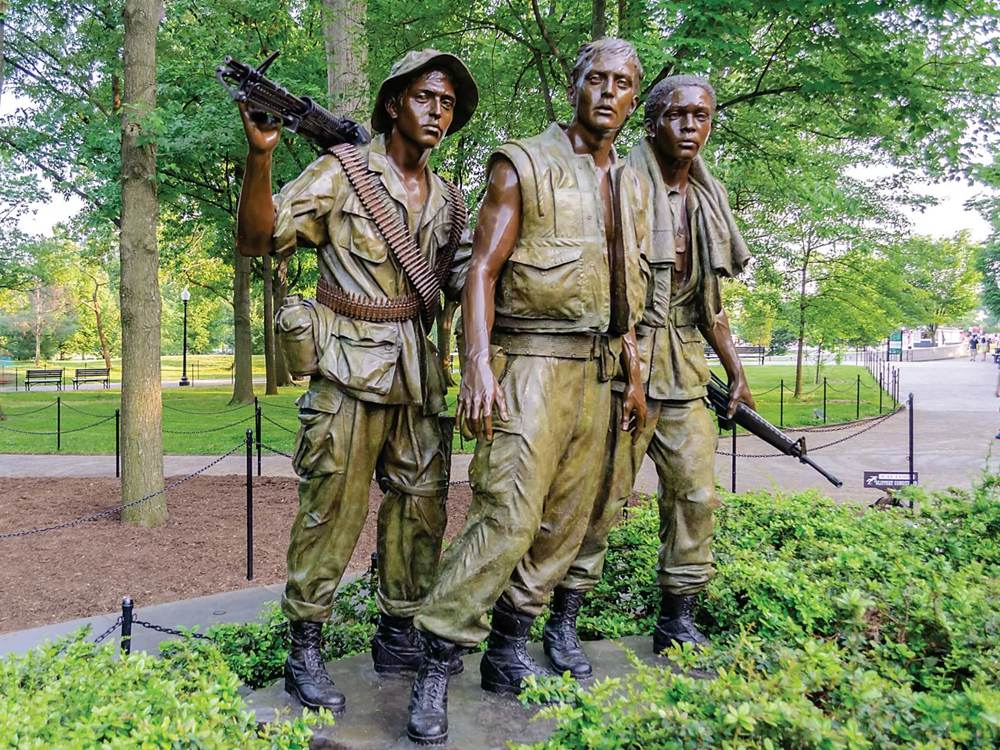
- Examples: The Vietnam Veterans Memorial, the 9/11 Memorial, or a custom-carved marble bust of a family patriarch, a custom marble headstone in memory of a loved one.
Monument vs Memorial: Key Differences Explained
Understanding these 7 key dimensions will help you determine the architectural direction of your project:
Purpose and Focus: Celebration vs. Healing
- Monument: At its core lies “tribute and celebration.” It serves to highlight a great achievement, a glorious victory, or an enduring historical legacy.
- Memorial: At its core lies “remembrance and healing.” Its existence serves to remind people of lost lives, profound tragedies, or collective sacrifices, with a primary focus on providing spiritual solace.
Emotional Expression: Pride vs. Solemnity
- Monument: Conveys grandeur and pride. Its artistic style typically possesses a heroic quality, designed to inspire a sense of awe and a collective or national sense of honor.
- Memorial: Cultivates an atmosphere of contemplation and solemnity. It acts more as a silent sanctuary, guiding visitors into an emotional state of tranquility, mourning, or deep reflection.
Design Scale: Distant Landmark vs. Intimate Experience
- Monument: Must be a grand, physical structure. It emphasizes visual impact; its design is often towering (such as an obelisk or a statue atop a high pedestal), ensuring its majestic presence can be admired from a great distance.
- Memorial: Takes on extremely diverse and flexible forms. It can be a monumental architectural structure, but equally a tranquil park, a scholarship fund, or even a small portrait. It places greater emphasis on the visitor’s intimate, up-close experience.
Audience and Subject: Leaders vs. The Collective
- Monument: Typically focuses on specific individuals or events—for instance, a leader who altered the course of history, or a battle that determined a nation’s destiny.
- Memorial: Focuses more on the victims or the collective group. It often serves to honor unsung heroes, those lost in disasters, or the ordinary people who paid the ultimate price.
Function and Interaction: Visual Admiration vs. Emotional Immersion
- Monument: Primarily centered on “admiration.” Its function is to serve as a visual focal point for public viewing, conveying authority and aesthetic beauty through its artistic form.
- Memorial: Encourages “engagement.” It is often designed as an immersive space that one can physically enter, guiding visitors to engage in deep emotional immersion—whether by touching inscribed names, offering flowers, or simply pausing for a moment of silent contemplation.
Comparison of Common Forms
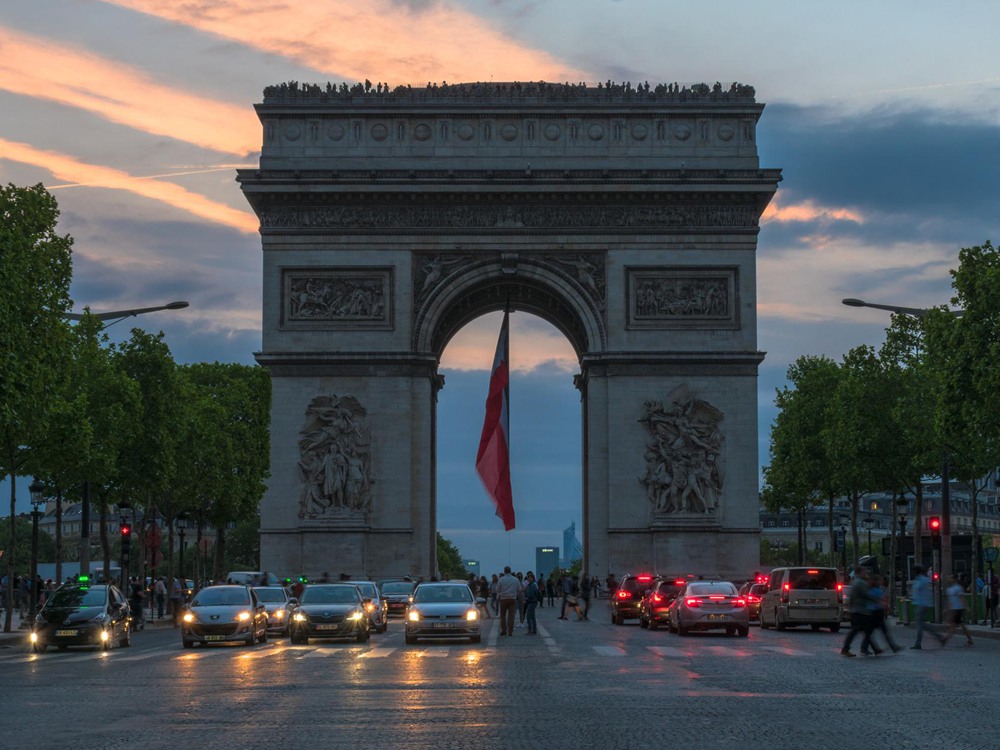
- Monument: Statues of prominent figures, obelisks, iconic urban sculptures, and large-scale symbolic structures (such as triumphal arches).
- Memorial: Walls inscribed with names, memorial parks, artistic gravestones, water features, and even temporary sites of public mourning.
The Temporal Dimension: Legacies for the Future vs. Remembering the Past
- Monument: Oriented toward the future. Its purpose is to ensure that great achievements transcend the boundaries of time and space, serving as an enduring legacy to be passed down and emulated by future generations.
- Memorial: Oriented toward the past. It fosters reflection on the significance of loss by preserving memories, thereby ensuring that lives once lived—and the profound lessons learned from them—are never erased by the passage of time.
Monument vs Memorial: Summary Comparison Table
| Dimension | Monument | Memorial |
|---|---|---|
| Purpose | Celebration of achievement, victory, or legacy | Remembrance of loss, tragedy, or sacrifice |
| Emotional Tone | Pride, grandeur, heroism | Solemnity, reflection, healing |
| Design Scale | Large, monumental, highly visible landmark | Flexible scale, from grand structures to small or symbolic forms |
| Audience & Subject | Leaders, historical figures, defining events | Victims, communities, collective memory |
| Function & Interaction | Visual admiration from a distance | Emotional immersion and close interaction (walking, touching, reflecting) |
| Common Forms | Statues, obelisks, triumphal arches, and landmark sculptures | Name walls, memorial parks, gravestones, water memorials, and temporary memorial sites |
| Time Orientation | Future-oriented legacy and inspiration | Past-oriented remembrance and reflection |
Do Monument and Memorial Overlap?
Yes—this is where many people get confused.
In practice, many projects function as both.
Examples:
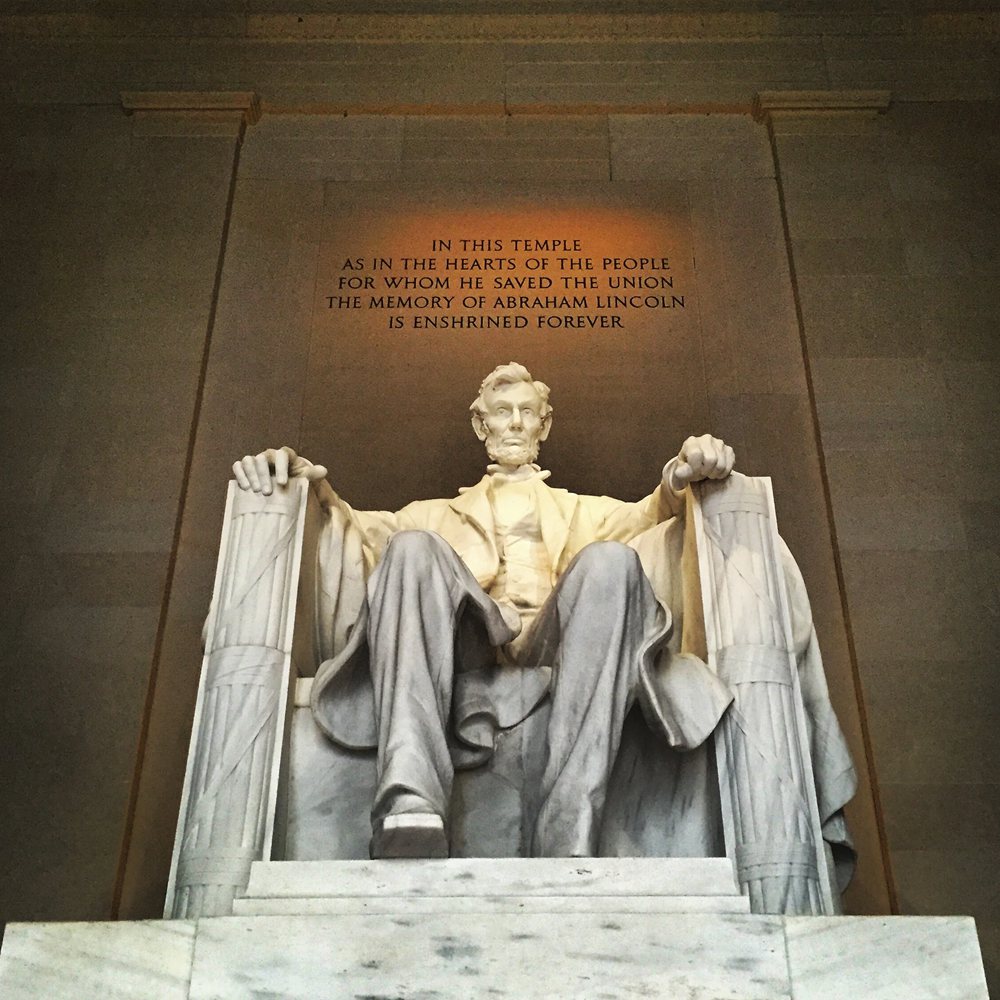
→ Honors a leader (monument) while creating a space for reflection (memorial)
Vietnam Veterans Memorial
→ Primarily a memorial, but monumental in scale and impact
Key insight:
A memorial can be a monument, but not all monuments are memorials.
How to Choose the Right Solution for Your Project?
In actual project applications, we can either choose one of them or combine the two cleverly, depending on the goals you wish to achieve for your project:
Monument vs Memorial: Basic Decision Guide
Choose a Monument if your goal is:
- Celebrating achievement or leadership
- Creating a landmark or city symbol
- Expressing power, identity, or national pride
Choose a Memorial if your goal is:
- Honoring the deceased or a group of people
- Commemorating loss or historical events
- Creating an emotional and reflective space
Hybrid Design: Combining Monument and Memorial
In modern architecture and sculpture design, many landmark projects successfully combine both functions.
- Government and civic landmark projects
- Cultural heritage and historical sites
- Large public squares and urban developments
- Corporate legacy or founder commemorations
Recommended Materials
| Type | Best Materials |
|---|---|
| Monument | Bronze, Marble, Stainless Steel |
| Memorial | Granite, Marble, Bronze |
Tip:
Granite → durability + solemn tone (ideal for memorials)
Bronze → prestige + detail (ideal for monuments)
Marble → timeless elegance (works for both)
Stainless Steel→ modern + highly interactive (ideal for monuments)
Key Takeaway
Monument = visibility, identity, achievement
Memorial = memory, emotion, reflection
Hybrid = the most powerful solution for modern landmark projects
FAQ
Q: Does a memorial have to be sad?
A: No. Modern memorials often focus on a “Celebration of Life,” using serene gardens or portrait busts to highlight a person’s positive and lasting legacy.
Q: Is a monument required to be massive?
A: Not necessarily, but it must have prominence. A monument’s goal is to be a visible landmark that evokes a sense of awe and historical importance.
Q: Can a monument be a memorial?
A: Yes. Many structures are hybrids, offering a grand visual impact from a distance (Monument) and a space for intimate emotional connection up close (Memorial).
Q: Which is more expensive to build?
A: Monuments often cost more in engineering and scale, while Memorials can be more expensive due to meticulous artistic labor, such as hand-carving and portraits.
Q: Why is it called the Washington Monument and not a memorial?
A: It’s a Monument because it celebrates George Washington’s triumphs and military leadership. Its towering obelisk is a symbol of power and victory rather than mourning.
Q: Is the Lincoln Memorial considered a monument?
A: Technically, it is a Memorial designed for quiet reflection on Lincoln’s legacy. However, its massive scale often leads the public to informally call it a monument.
Q: Is Mount Rushmore a monument or a memorial?
A: It is a National Memorial. While the colossal stone heads have a monumental scale, the primary intent is to preserve the memory of four key U.S. presidents.
Q: Is the Statue of Liberty a monument or a memorial?
A: It is a National Monument. It doesn’t mourn a person or tragedy but honors the grand, living ideal of liberty and democracy for the entire world.
Q: Is the Jefferson Memorial a monument?
A: It functions as a Memorial for reflection on Jefferson, but its iconic neoclassical dome also serves as a major architectural Monument in the D.C. skyline.
Q: What is the difference between a memorial and a headstone?
A: A headstone is a functional grave marker; a memorial is an artistic tribute.
Final Thoughts
The distinction between a “Monument” and a “Memorial” is far more than a mere difference in terminology—it is about the story you wish to tell.
- A monument is designed to proclaim: “Behold! These are the achievements we have attained.”
- A memorial is designed to whisper: “Remember this: this is everything we have lost.”
- Combining the two offers the perfect solution for creating truly iconic landmark projects.
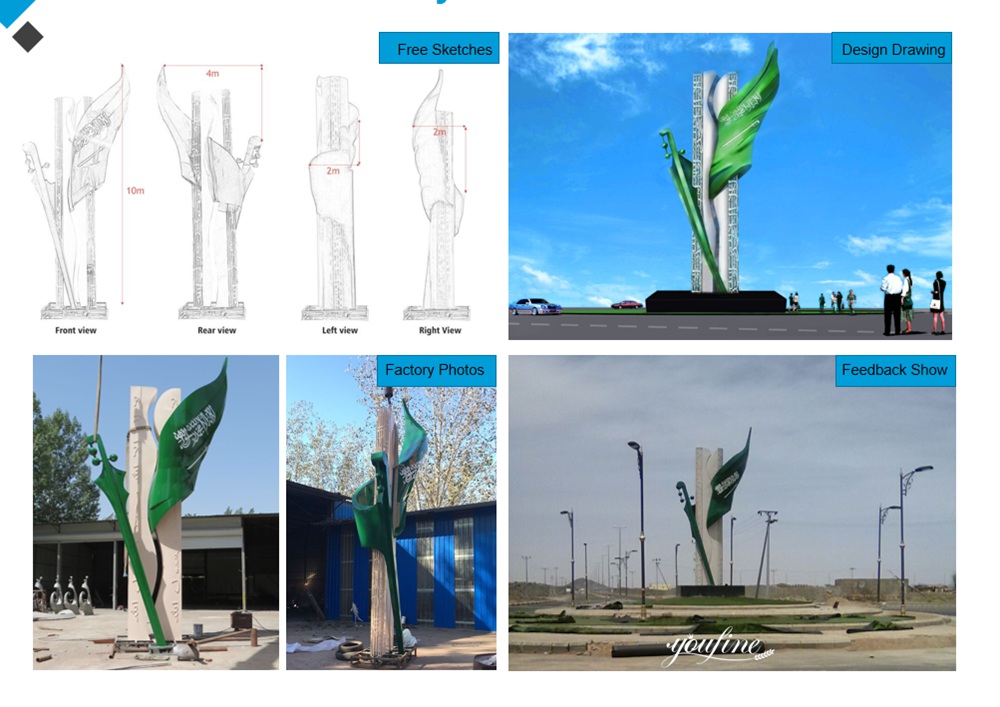
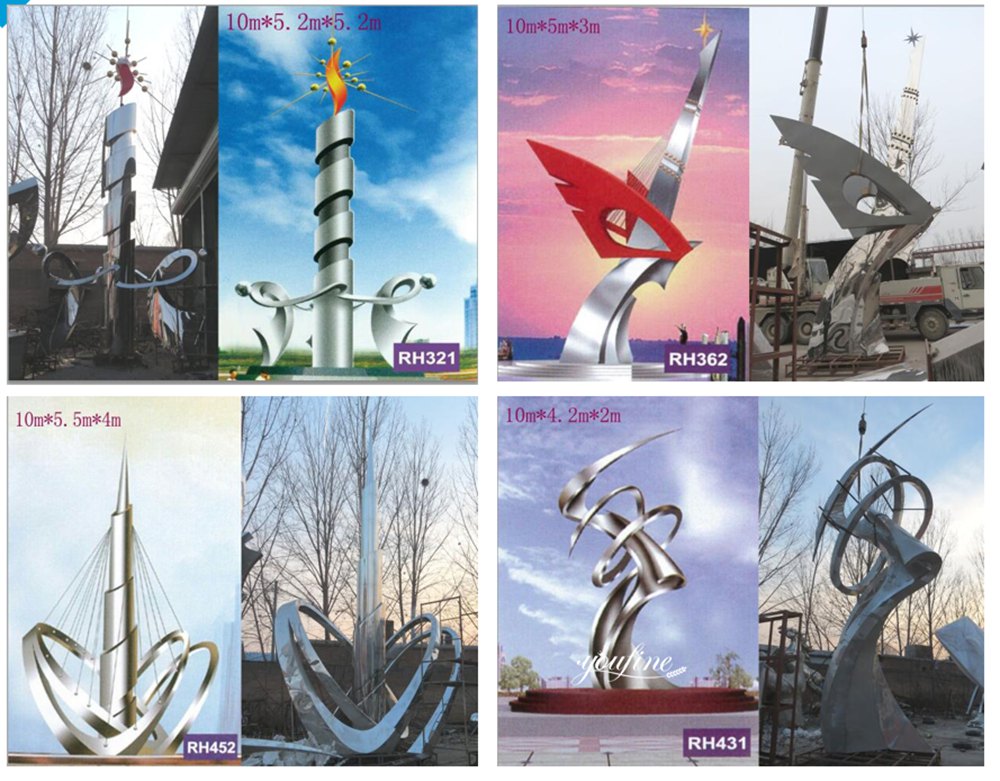
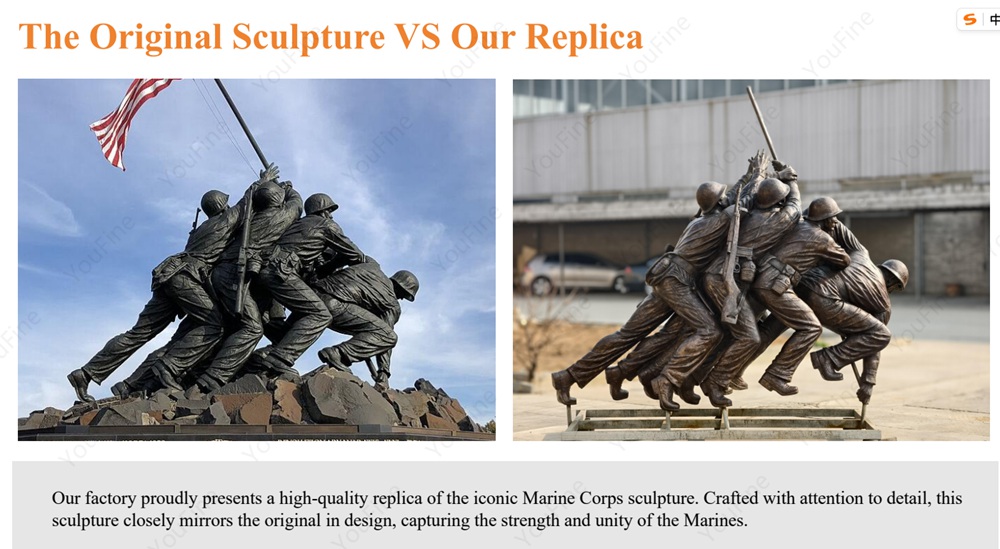
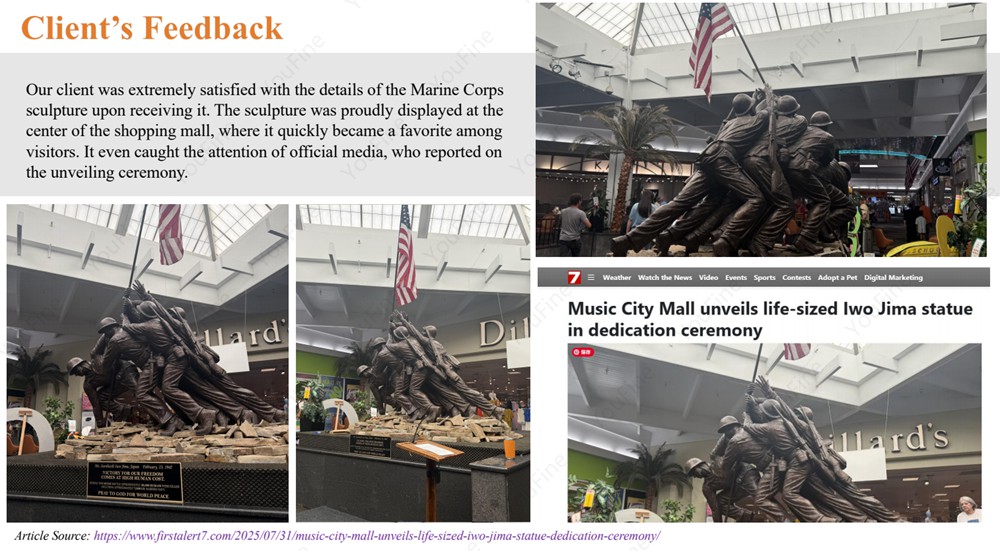
With over 40 years of deep expertise in the field of sculpture, ArtSculptureGallery possesses a wealth of experience and a rich legacy in crafting magnificent landmark sculptures, deeply evocative marble memorials, and commemorative bronze military statues and monuments. Regardless of your preferred material or the nature of your project, simply share your vision with us, and we will provide you with a comprehensive, worry-free, one-stop service. Contact us today and let us turn your vision into reality!