
Introduction
When comparing bronze vs brass, many people are confused by their similar appearance and shared copper base. However, these two metals have distinct differences in composition, color, durability, and real-world applications.
In this guide, we’ll break down the difference between brass and bronze, how to tell them apart, and which is better for your needs.
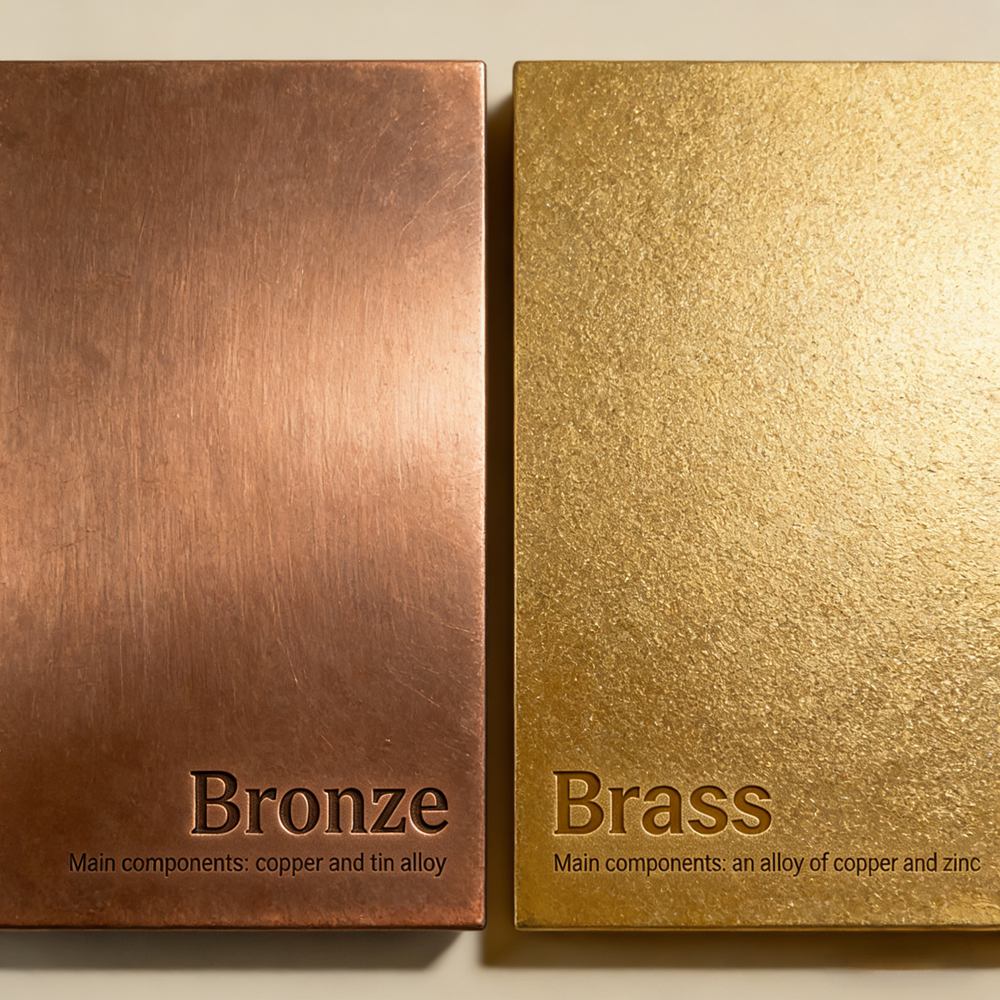
What is Brass? What is Bronze?
Before diving into the differences, let’s learn these two legendary alloys:
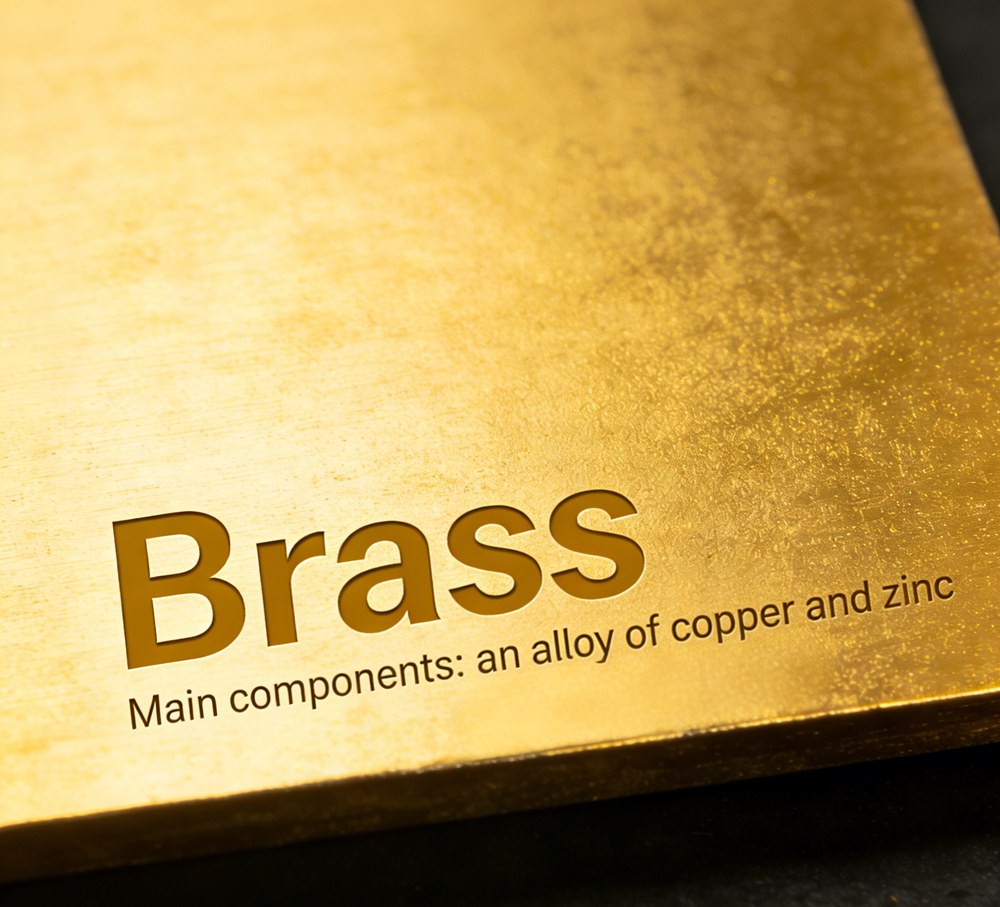
Brass: Primarily an alloy of Copper and Zinc. It is known for its bright, gold-like appearance and is highly workable, making it a favorite for intricate decorations and musical instruments.
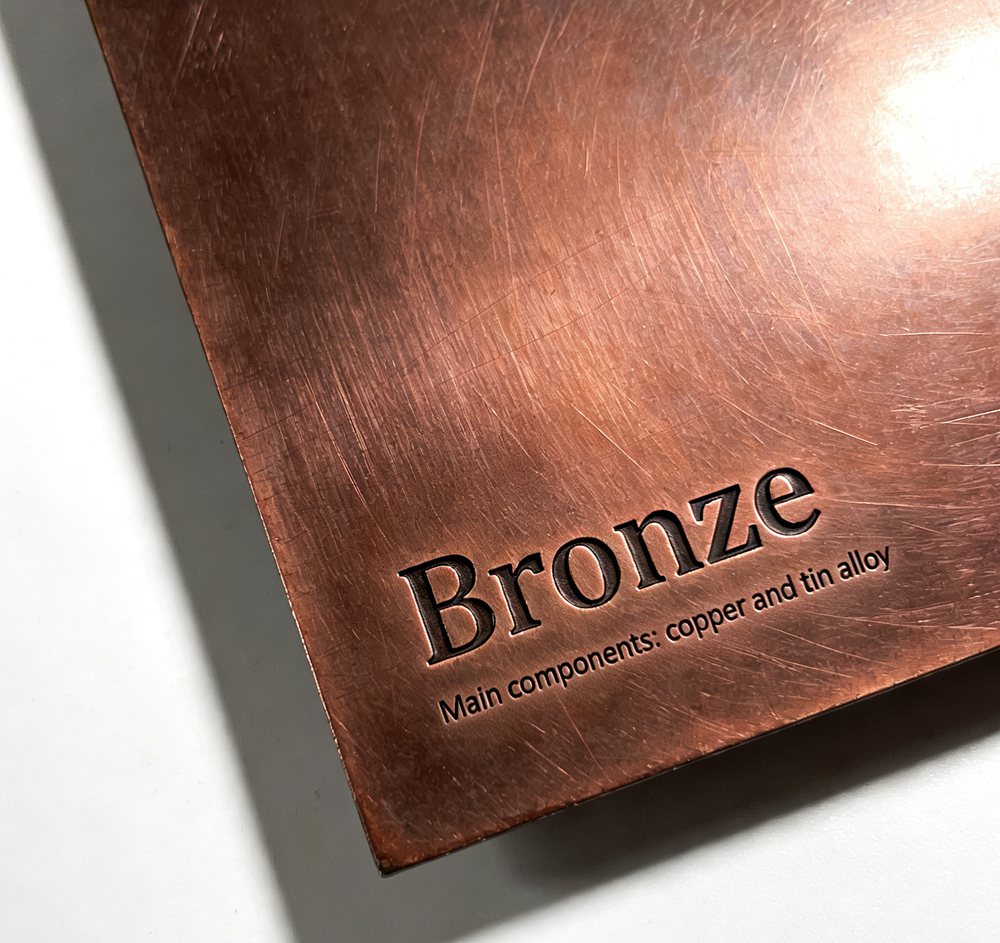
Bronze: Primarily an alloy of Copper and Tin. It is a much older alloy, dating back to the Bronze Age. It is exceptionally strong, corrosion-resistant, and has a deeper, reddish-brown tone.
Bronze vs Brass: Comprehensive Comparison Table
Quick Answer: The main difference between bronze and brass is that bronze is stronger and more corrosion-resistant, while brass is more affordable and easier to process.
| Category | Bronze | Brass |
|---|---|---|
| Composition | Copper + Tin (sometimes with aluminum, silicon, etc.) | Copper + Zinc |
| Types | Tin bronze, aluminum bronze, silicon bronze, etc. | Alpha brass, beta brass, high-zinc brass, etc. |
| Manufacturing Process | Mainly casting (ideal for complex shapes) | Commonly forging, rolling, and machining |
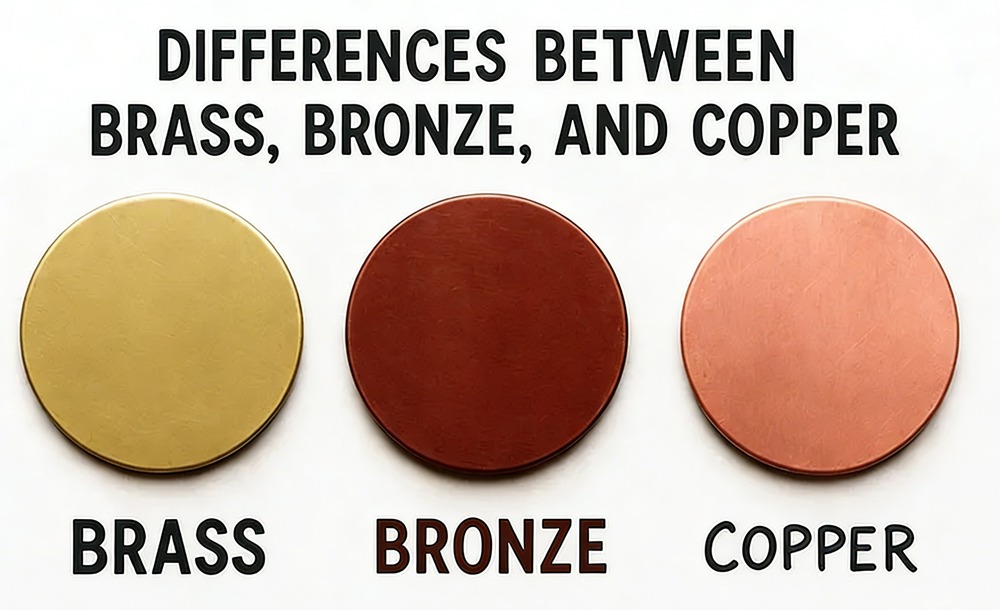
| Color | Reddish-brown to dark brown (can develop a green patina over time) | Bright yellow or gold-like color |
| Properties | High strength, excellent corrosion resistance, wear-resistant, and very stable | Good ductility, easy to process, relatively good conductivity |
| Strength | Higher, suitable for long-term and heavy-duty use | Lower, but sufficient for general applications |
| Corrosion Resistance | Excellent, ideal for outdoor and marine environments | Moderate, may tarnish over time outdoors |
| Advantages | – Long lifespan – Strong corrosion resistance – Ideal for fine detailing – High artistic value |
– Lower cost – Easy to shape and process – Attractive gold-like appearance |
| Disadvantages | – Higher cost – More difficult to machine |
– Lower strength – Less corrosion-resistant – Not ideal for large outdoor structures |
| Price | Higher (due to tin content and superior performance) | Lower |
| Applications | Sculptures, marine parts, industrial bearings | Decorative items, musical instruments, hardware fittings |
How to Tell the Difference Between Brass and Bronze
If you’re unsure whether a metal is brass or bronze, here are four simple ways to identify it:
-
Check the Color
Bronze has a darker, reddish-brown color
Brass appears brighter, with a yellow-gold color
-
Listen to the Sound
Brass produces a clearer, higher-pitched sound when tapped
Bronze sounds deeper and duller
-
Look at the Oxidation
Bronze develops a dark brown or green patina over time
Brass tends to tarnish into a dull yellow or brown
-
Compare Weight and Hardness
Bronze is typically heavier and harder
Brass is lighter and more flexible
Bronze vs Brass Price: Which Is More Expensive?
Generally, bronze is more expensive than brass.
The main reason lies in the cost of raw materials. Bronze contains tin, which is significantly more expensive than zinc, the primary alloying element in brass.
In addition, bronze is harder and has a higher melting point, which means that the casting and finishing process requires more energy, time, and skilled labor.
Because of these factors, bronze is not just a material cost—it is an investment in durability and longevity, especially for applications like outdoor sculptures or architectural elements where long-term performance matters.
Common Uses of Bronze and Brass
Brass: Doorknobs, musical instruments (trumpets, saxophones), electrical connectors, and interior decorative trim.
Bronze: Heavy-duty ship propellers, industrial bearings, historical bells, and—most importantly—fine art sculptures, statues, or monuments.

Bronze vs Brass in Sculpture
When it comes to art sculpture, bronze sculpture is more favorable. The reasons are as follows:
- Detail Preservation: Molten bronze expands slightly as it cools, pushing into every fine detail of a mold. This allows us to capture the minute textures of skin, hair, and fabric.
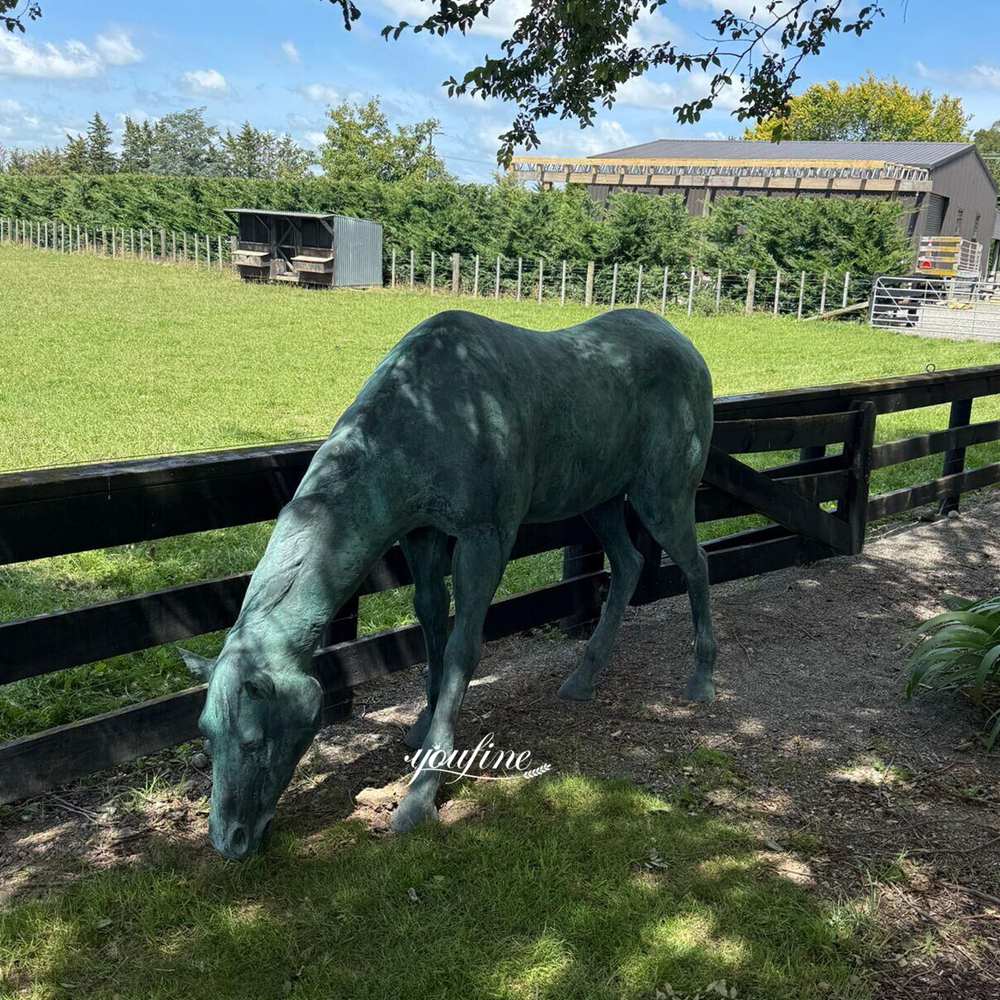
- Endurance: A brass statue will degrade if left in a garden for 50 years. A bronze statue can withstand 5,000 years of rain and sun, only growing more beautiful with its natural patina.
- Artistic Depth: The chemical reactions (patina) we apply to bronze allow for a range of colors—from deep blacks to vibrant greens—that brass simply cannot hold.
Supplemental Knowledge: Bronze vs Brass vs Copper
Quick Comparison Table
| Category | Copper | Bronze | Brass |
|---|---|---|---|
| Composition | Pure copper | Copper + Tin | Copper + Zinc |
| Color | Reddish-orange | Reddish-brown/dark brown | Yellow / gold-like |
| Strength | Medium | High | Medium |
| Corrosion Resistance | Good | Excellent | Moderate |
| Hardness | Relatively soft | Harder | Softer than bronze |
| Workability | Very high (easy to shape) | Moderate | Very high |
| Typical Uses | Electrical wiring, roofing | Sculptures, marine parts | Decorative items, instruments |
| Cost | Medium | Higher | Lower |
FAQ
-
Which is better: bronze or brass?
It depends on your needs: bronze is superior for outdoor durability and fine art, while brass is better for decorative interior accents and cost-effectiveness.
-
Which looks more like real gold, brass, or bronze?
Brass looks much more like real gold due to its high zinc content and bright yellowish brilliance. Bronze has a much deeper, reddish-brown antique tone.
-
Are bronze, brass, and copper magnetic?
In their pure state, all three metals are non-magnetic and will not be attracted to a magnet. If a magnet sticks, the object likely contains an iron or steel core.
-
Can I use brass for outdoor fountains or coastal areas?
It is not recommended, as brass can become brittle and lose its color in salty or wet environments. For these conditions, bronze is the industry standard due to its superior corrosion resistance.
-
How do I clean these metals without ruining the color?
Use only warm water and mild, pH-neutral soap with a soft cloth to avoid damaging the surface. Afterward, apply a thin layer of microcrystalline wax to seal and protect the original finish.
Final Thoughts
In summary, while brass is a brilliant and cost-effective choice for golden interior accents and musical instruments, bronze remains the undisputed king of durability and fine art. Understanding the differences in color, sound, and corrosion resistance ensures that your investment stands the test of time.
Bring Your Vision to Life with ArtSculptureGallery
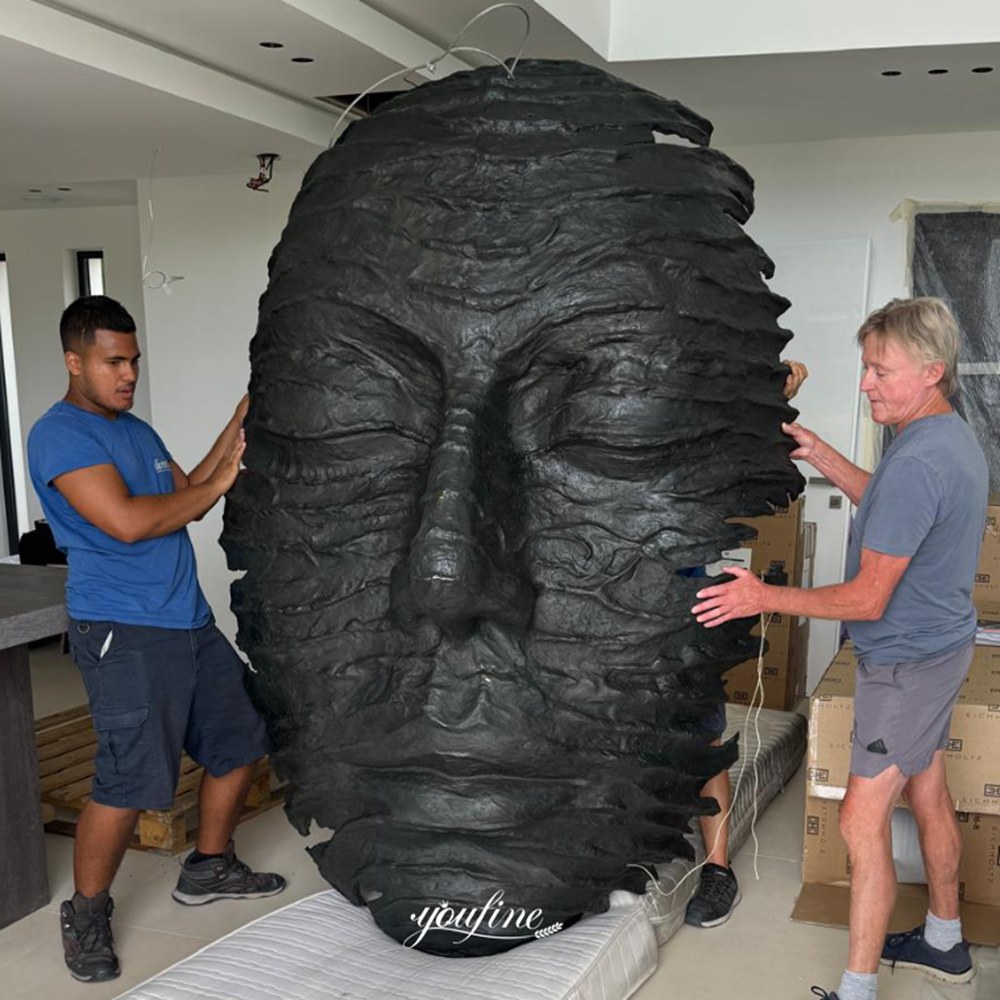
If you have statue needs, whether you are looking for a bespoke portrait bust, a life-sized heroic statue, or a monumental outdoor landmark, ArtSculptureGallery is your trusted partner. As a professional foundry with over 40 years of expertise in bronze sculpture casting, we specialize in all artistic styles and scales. From 1:1 clay modeling to the final exquisite patina, we guarantee a masterpiece that exceeds your expectations.
Ready to start your custom bronze statue project? Contact us today for a free consultation and quote!