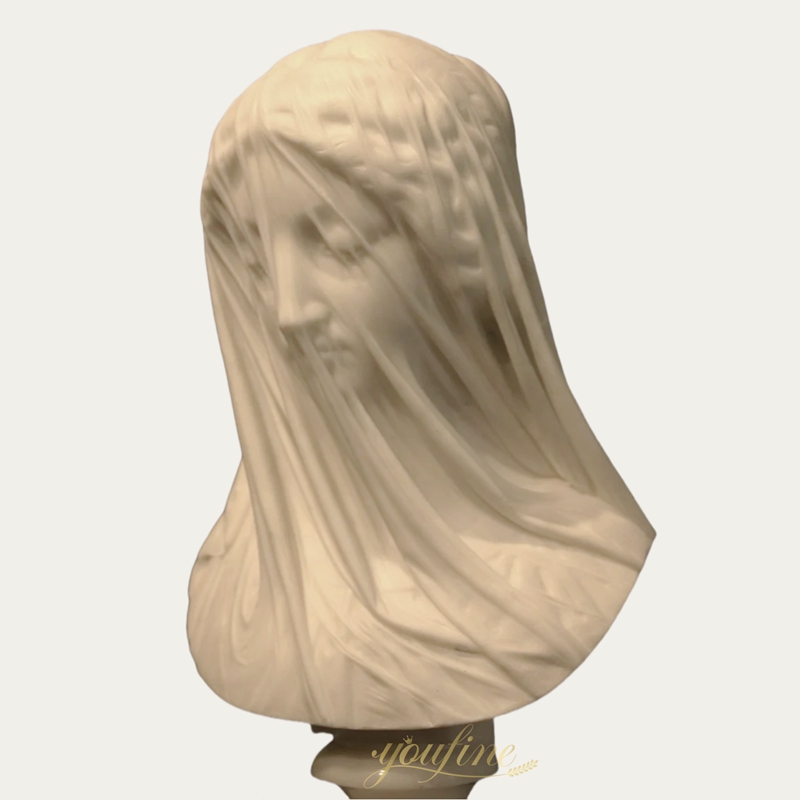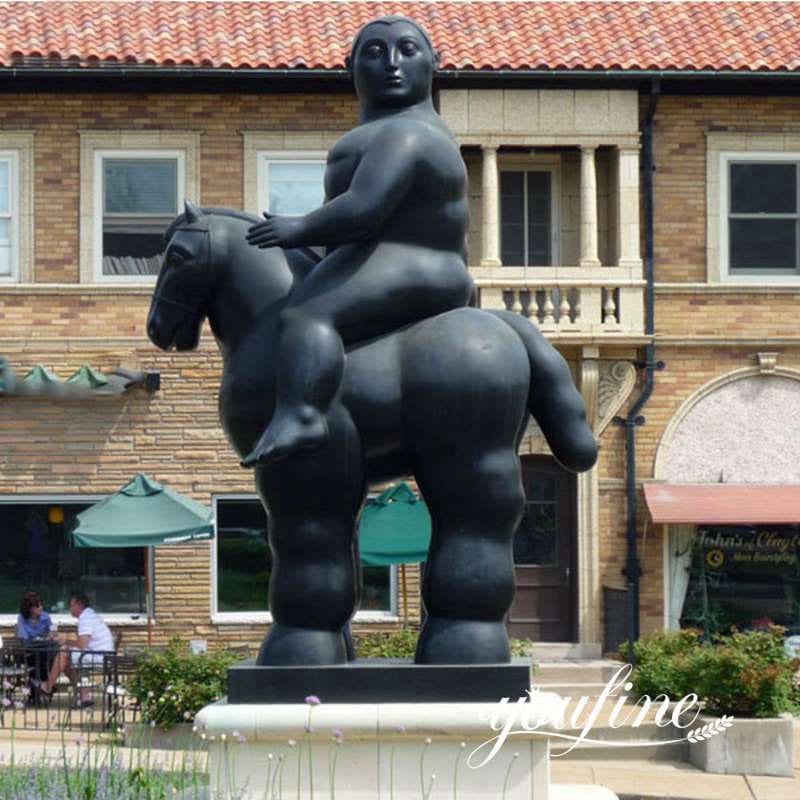
Abstract sculpture is a form of three-dimensional art that focuses on shape, form, texture, movement, and emotion rather than realistic representation. Instead of accurately depicting a person, animal, or object, abstract sculptures simplify, distort, or reinterpret forms to express an idea, feeling, or visual concept.
Quick Key Takeaways
- Abstract sculpture focuses on form, emotion, and interpretation rather than realism.
- It often uses geometric or organic shapes instead of lifelike figures.
- Common materials include marble, bronze, stainless steel, corten steel, wood, and resin.
- Abstract sculptures are popular in public plazas, gardens, museums, and modern architecture.
- Constantin Brâncuși is widely considered the father of abstract sculpture.
Abstract Sculpture vs Traditional Sculpture
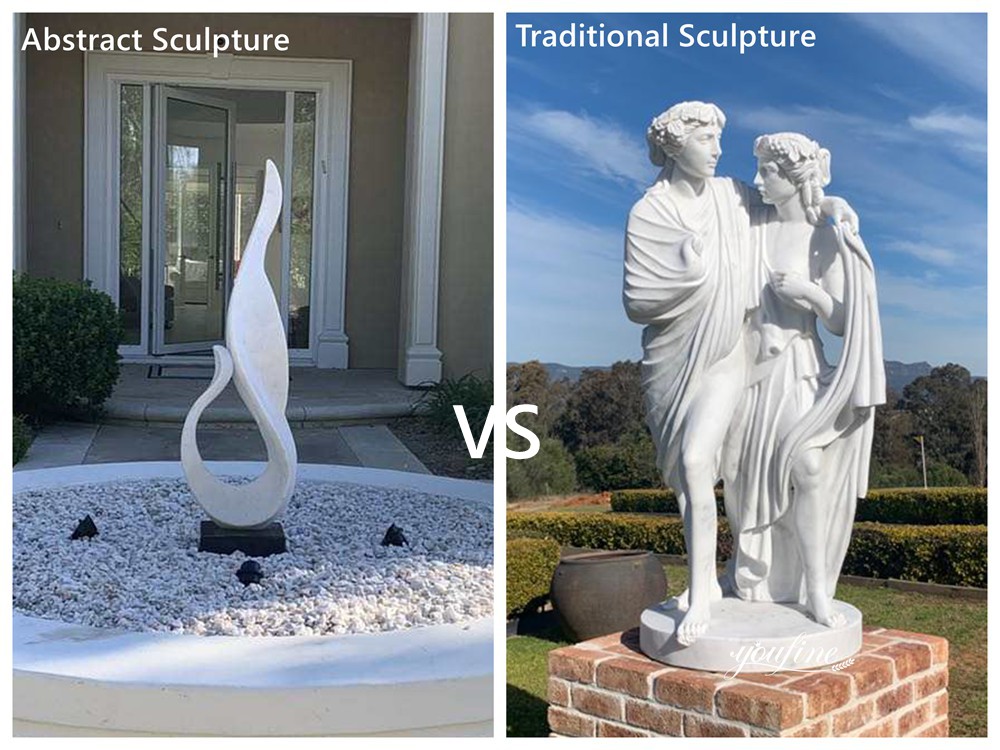
One of the easiest ways to understand abstract sculpture is to compare it with traditional sculpture.
| Feature | Abstract Sculpture | Traditional Sculpture |
|---|---|---|
| Objective | Expresses ideas, emotions, or concepts | Represents reality and recognizable subjects |
| Form | Simplified, distorted, or non-representational | Lifelike and anatomically accurate |
| Focus | Shape, movement, space, and interpretation | Realism, detail, and narrative |
| Style | Symbolic, geometric, or organic | Literal and representational |
| Viewer Experience | Open to personal interpretation | Clear subject and meaning |
Traditional sculpture often attempts to recreate reality, such as historical figures, religious icons, or animals. Abstract sculpture, however, explores the essence of a subject rather than its exact appearance. The meaning is often left open to the viewer’s imagination.
Key Elements of Abstract Sculpture
Although abstract sculptures vary greatly in style, most works are built around several core artistic elements.
Form and Shape
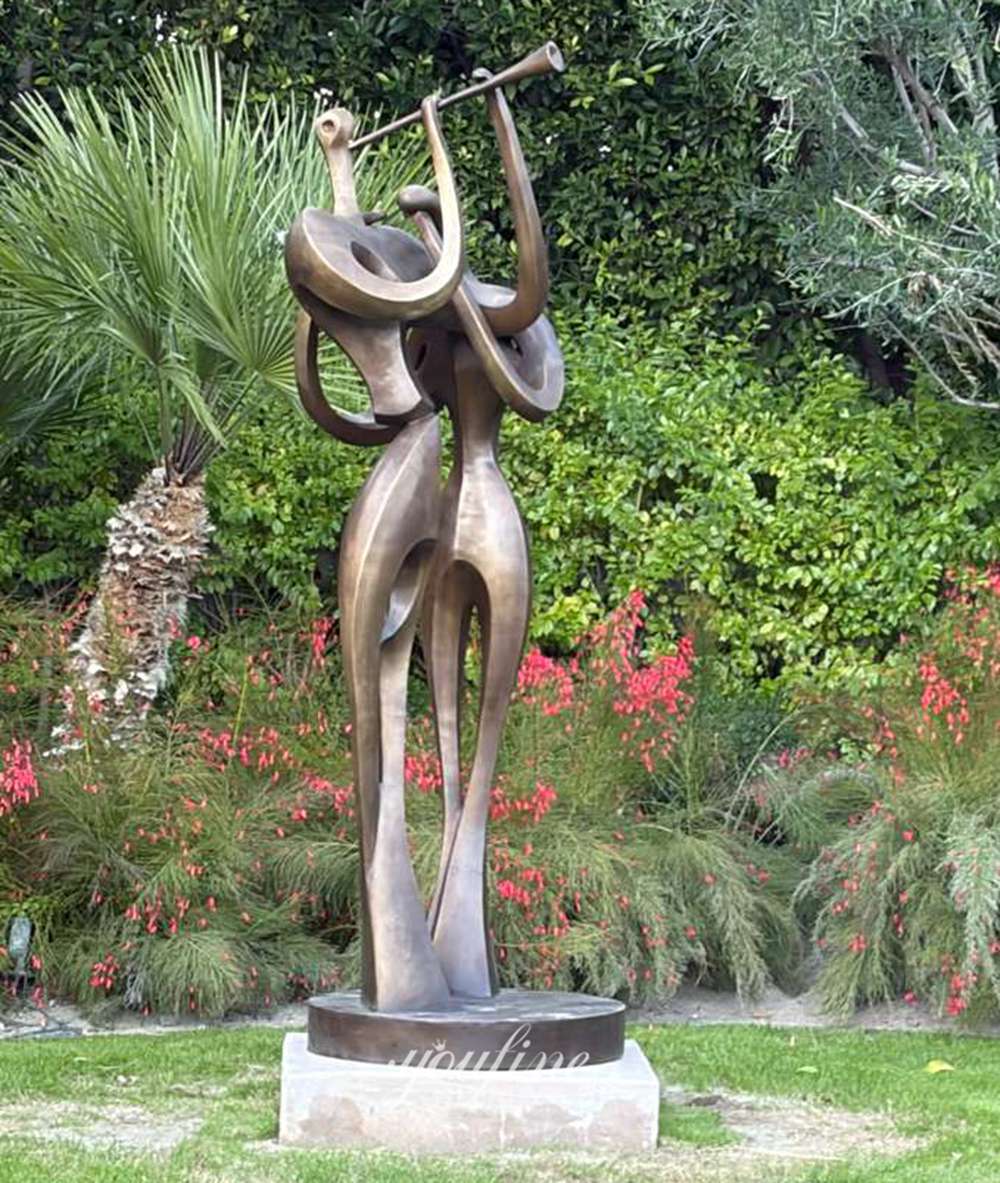
Abstract sculpture relies heavily on simplified geometric or organic forms. Artists may use circles, curves, spirals, cubes, or flowing silhouettes to create visual rhythm and balance.
Space
Space is one of the most important aspects of abstract sculpture. Many sculptures intentionally incorporate empty or negative space as part of the design, allowing light and surroundings to interact with the artwork.
Texture
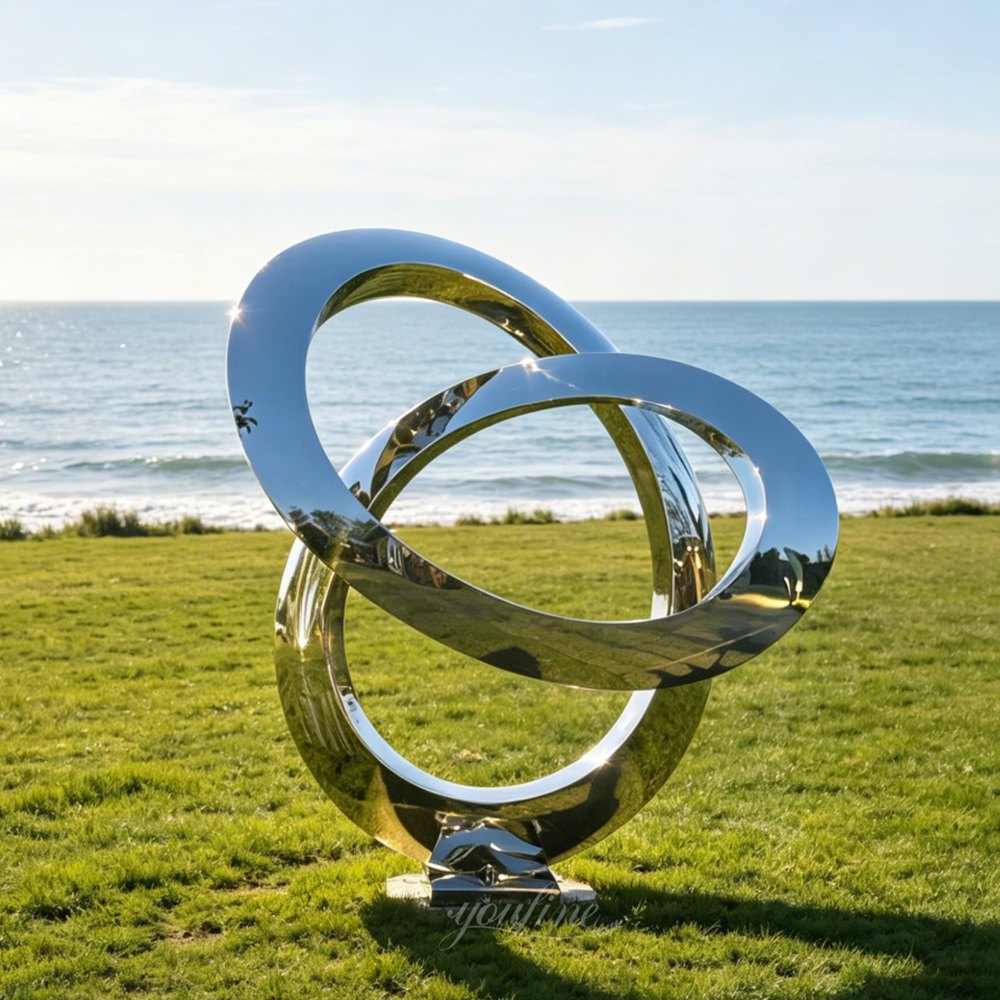
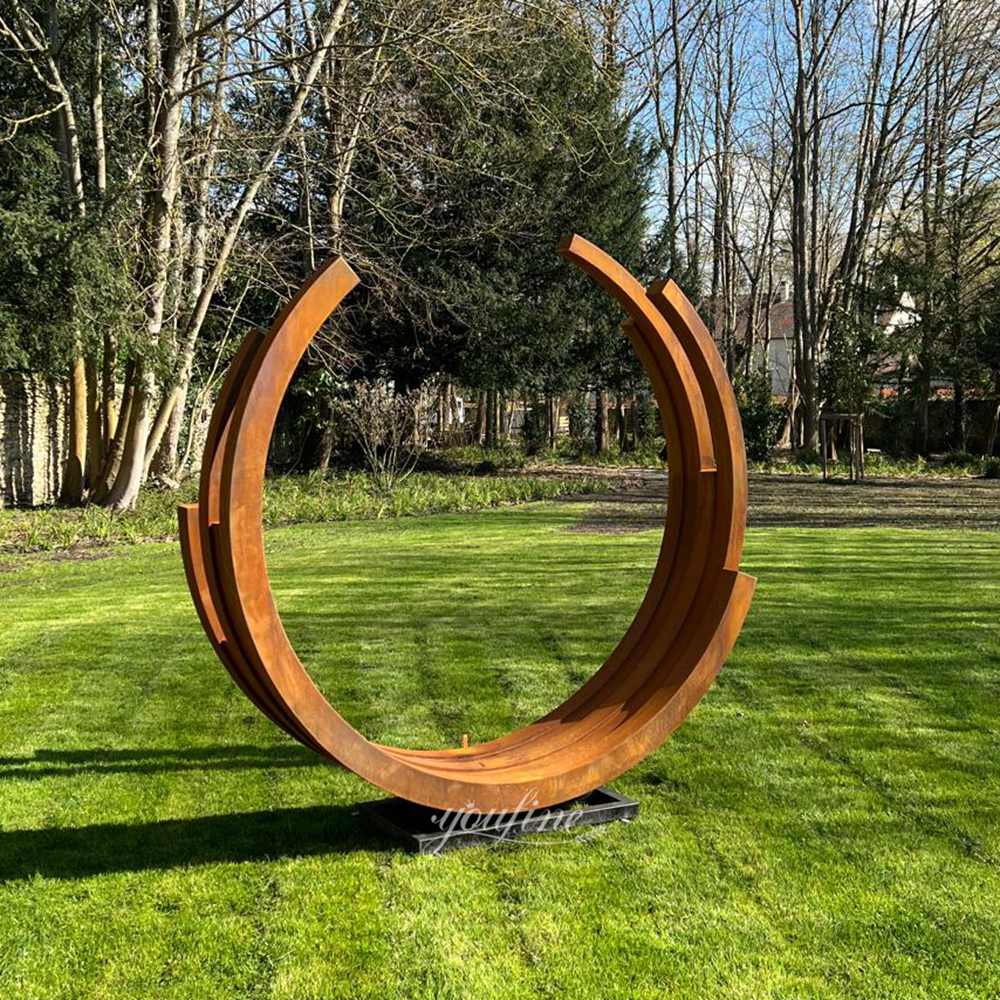
Surface texture can dramatically change the emotional feeling of a sculpture. Smooth polished stainless steel creates a modern and futuristic appearance, while rough bronze or weathered steel can feel more natural and expressive.
Movement
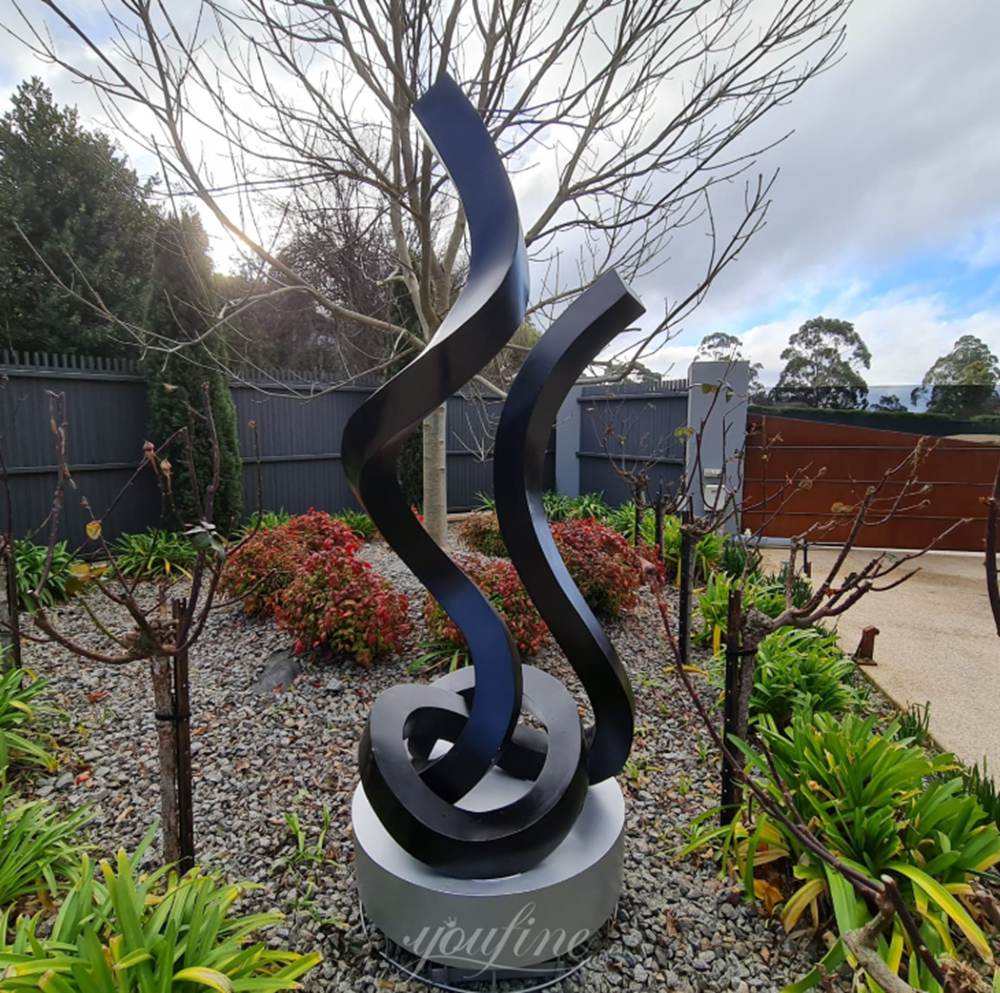
Many abstract sculptures guide the viewer’s eye through curves, angles, or layered forms. Some kinetic sculptures even move physically with wind or mechanical systems.
Emotion and Symbolism
Rather than telling a direct story, abstract sculpture often communicates emotions, ideas, or symbolic meanings through shape and composition.
Key Characteristics of Abstract Sculpture
Abstract sculpture has several defining characteristics that distinguish it from other forms of sculpture.
Non-Representational Design
Most abstract sculptures do not directly imitate real-world subjects. Instead, they reinterpret reality through simplified or conceptual forms.
Freedom of Interpretation
Different viewers may understand the same sculpture in completely different ways. This openness is one reason why abstract sculpture remains so engaging.
Emphasis on Materials
In abstract sculpture, materials are often part of the artistic expression itself. Reflective stainless steel, textured bronze, warm wood, or natural marble all create different visual experiences.
Integration With Space
Abstract sculptures are often designed to interact with architecture, gardens, landscapes, or public environments rather than existing as isolated objects.
Minimalism and Simplicity
Many abstract sculptures use minimal shapes and clean lines to create a powerful visual impact without excessive detail.
Why Did Abstract Sculpture Emerge and Become Popular?
Abstract sculpture emerged during the late 19th and early 20th centuries as artists began moving away from strict realism and classical traditions.
Several major cultural and artistic changes influenced this shift.
Modernism and Industrialization
Rapid industrial development transformed architecture, cities, and daily life. Artists wanted new artistic languages that reflected the modern world rather than ancient traditions.
Influence of Cubism and Futurism
Movements such as Cubism and Futurism encouraged artists to break objects into simplified geometric forms and explore movement, energy, and abstraction.
Desire for Emotional Expression
Many sculptors believed realistic representation limited creativity. Abstract sculpture allowed artists to express emotions, spirituality, rhythm, and conceptual ideas more freely.
Relationship With Modern Architecture
As modern architecture became more minimal and geometric, abstract sculpture naturally complemented contemporary buildings and open spaces.
Viewer Participation
Abstract sculpture invites personal interpretation. Instead of giving viewers one fixed meaning, it encourages imagination and emotional engagement.
Where Are Abstract Sculptures Commonly Used?
Today, abstract sculptures appear in a wide range of public and private spaces.
- Public Plazas and Urban Landscapes
Large abstract sculptures often become city landmarks and gathering points. Their monumental forms create visual identity and strengthen public spaces.
- Modern Gardens
Abstract sculptures are extremely popular in contemporary landscape design because they add artistic focal points without overwhelming natural surroundings.
For more inspiration, explore the blog:10 Popular Abstract Art Sculptures for Your Garden.
- Luxury Hotels and Commercial Buildings
Hotels, corporate offices, and shopping centers frequently use abstract sculpture to create a sophisticated and modern atmosphere.
- Museums and Art Galleries
Museums display abstract sculpture as an important part of modern and contemporary art history.
- Residential Interiors
Smaller abstract sculptures are increasingly used in minimalist homes, apartments, and luxury interiors.
The History and Evolution of Abstract Sculpture
The development of abstract sculpture was gradual rather than sudden.
- Origin & Break from Tradition
Abstract sculpture appeared in the early 1900s. It moved away from realistic figure art, focusing simply on form, material, and space to express emotion and artistic meaning.
- Early Art Influences
Cubism split objects into simple geometric shapes. Constructivism used industrial style and space design. Famous artists created plain, simplified forms and helped develop abstract sculpture.
- Mid-Period Changes
Sculptors used soft, natural shapes and empty space. Kinetic art added moving parts. New materials like stainless steel replaced traditional stone and bronze for more design possibilities.
- Modern & Today’s Style
Minimalism uses simple geometric shapes with the idea of “less is more”. Abstract sculpture became large public art for cities and landscapes. Now, mirror stainless steel and abstract bronze sculptures are widely used in architecture and gardens, with modern tech adding more creative forms.
Who Is the Father of Abstract Sculpture?
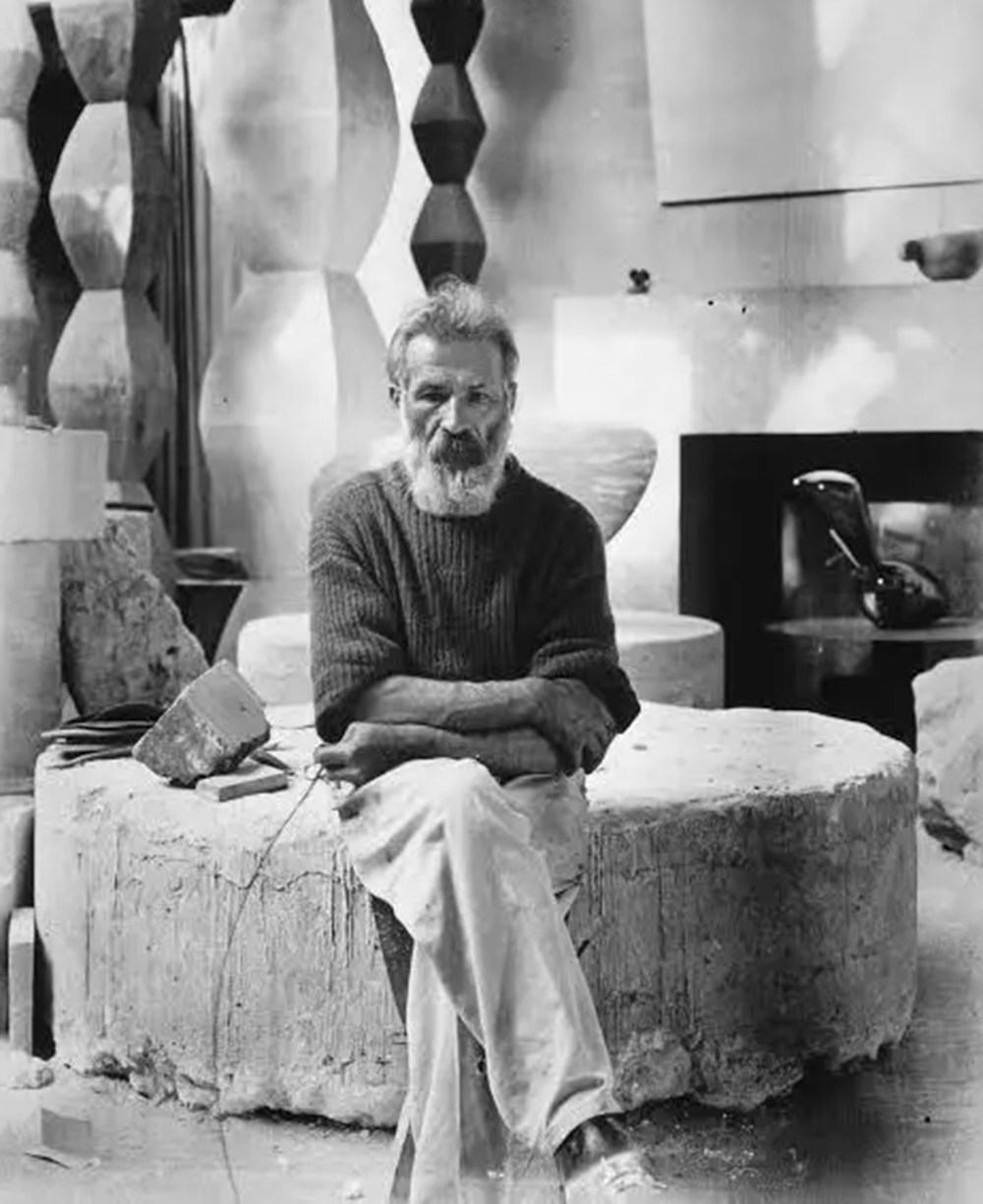
Constantin Brâncuși is widely considered the father of abstract sculpture.
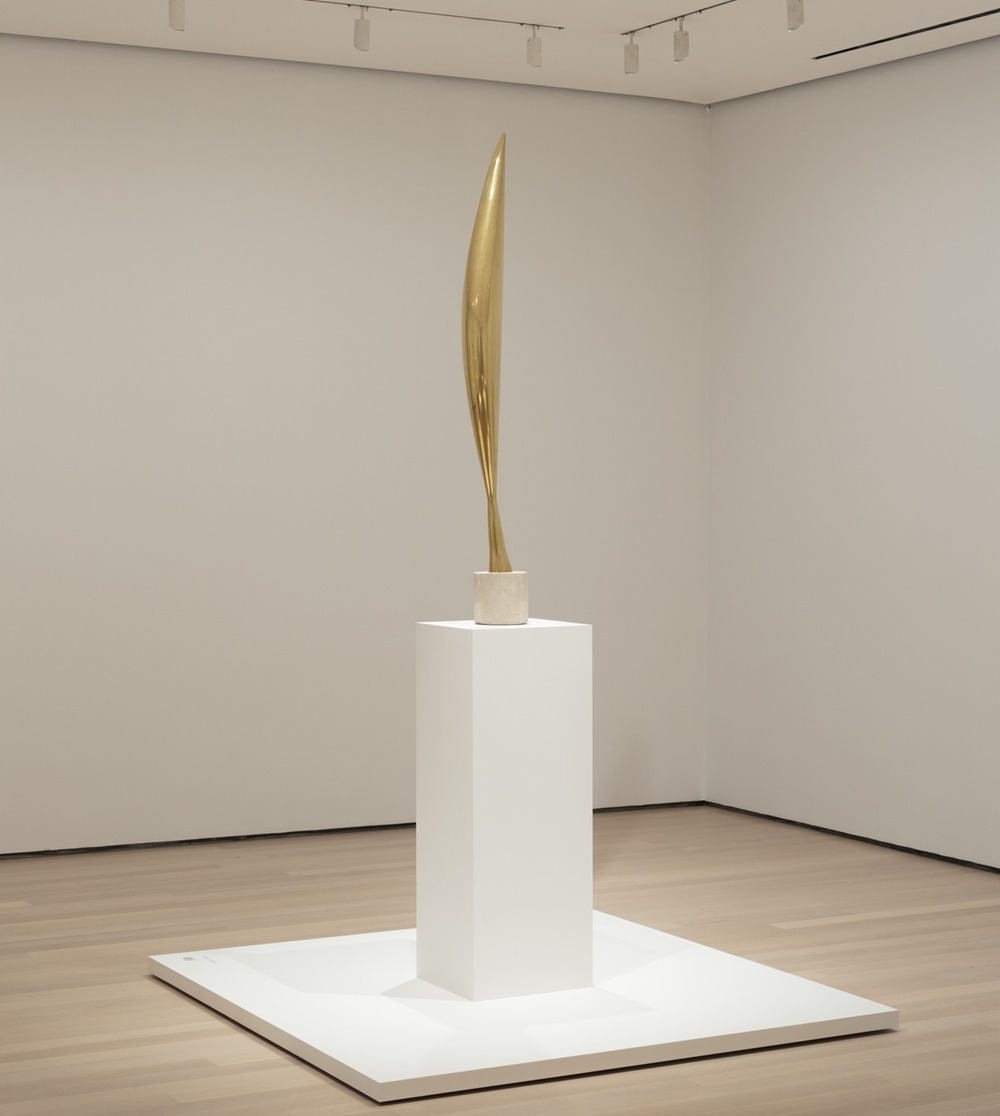
He revolutionized modern sculpture by reducing forms to their essential shapes rather than reproducing realistic details. His work Bird in Space simplified the idea of flight into a smooth, elegant form that emphasized movement and spirit instead of literal representation.
His approach helped establish abstraction as one of the defining movements in modern art and deeply influenced generations of sculptors.
Famous Abstract Sculpture Examples
Some abstract sculptures have become internationally recognized cultural landmarks.
Bird in Space
Artist: Constantin Brâncuși
Material: Bronze and marble versions
Style: Minimal abstraction
Why It Matters
This sculpture simplified the idea of flight into a sleek vertical form, proving that sculpture could express movement and emotion without realistic detail.
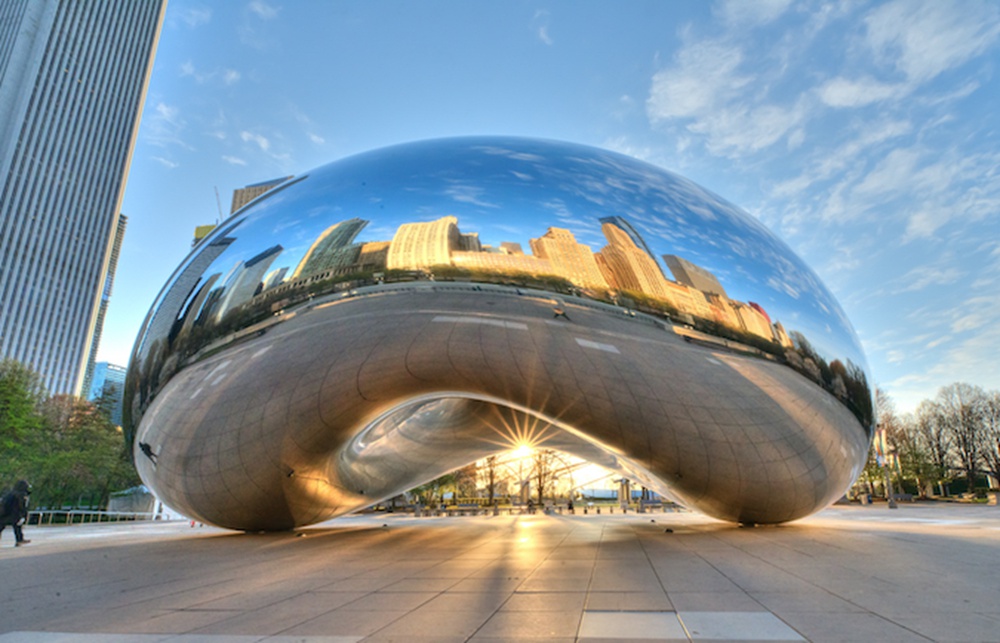
Cloud Gate
Artist: Anish Kapoor
Material: Mirror-polished stainless steel
Style: Contemporary public sculpture
Why It Matters
Its reflective surface transforms the surrounding skyline and visitors into part of the artwork itself, demonstrating the relationship between sculpture and space.
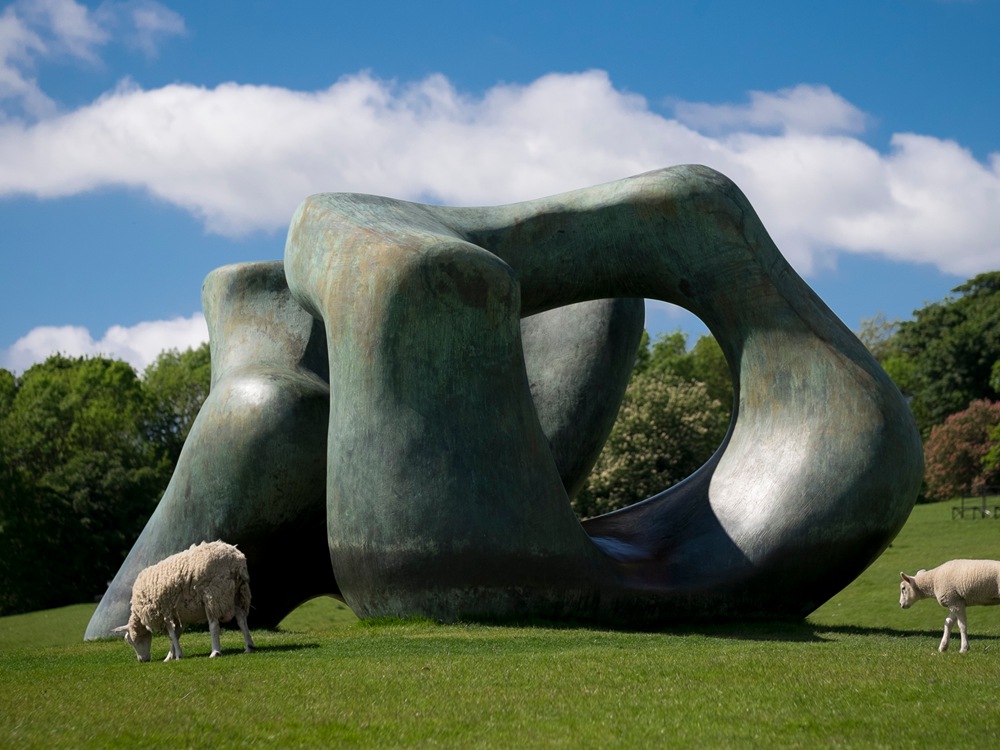
Large Two Forms
Artist: Henry Moore
Material: Bronze
Style: Organic abstraction
Why It Matters
This sculpture demonstrates how abstract forms can feel both monumental and deeply connected to nature and the human body.
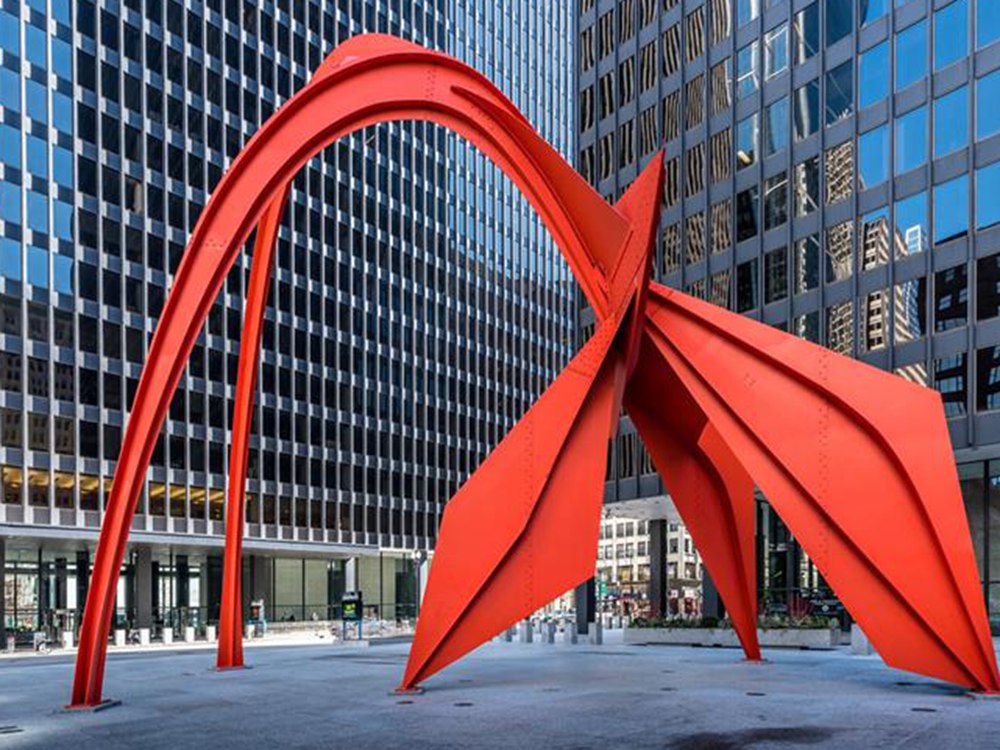
Flamingo
Artist: Alexander Calder
Material: Painted steel
Style: Geometric abstraction
Why It Matters
The sculpture introduced bold color, movement, and balance into large-scale public art.
For more iconic works, explore the blog: 10 Famous Abstract Sculptures in Public Landscape.
Famous Abstract Sculpture Artists
Several sculptors played major roles in shaping the history of abstract sculpture.
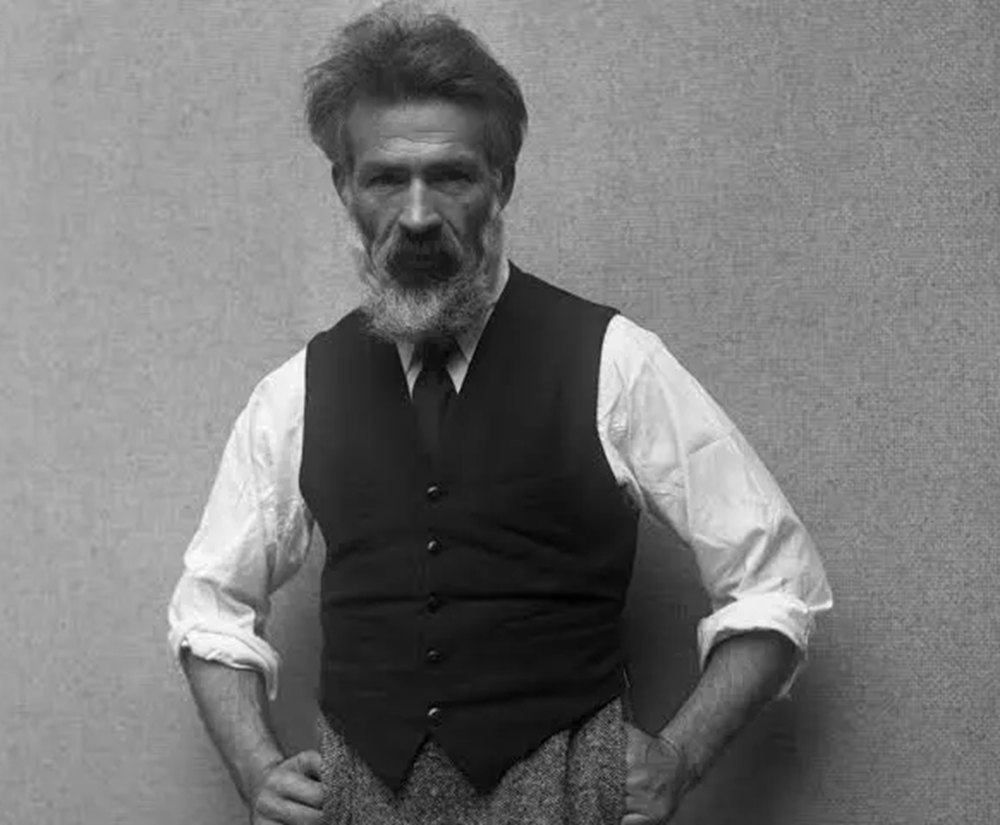
Constantin Brâncuși(1876–1957)
Artistic Style
Minimalist and symbolic abstraction focused on essential forms.
Major Contribution
Helped establish abstraction as a legitimate sculptural language.
Famous Works
Bird in Space, Sleeping Muse, The Endless Column
Influence
Inspired by modern minimalism and contemporary sculpture.
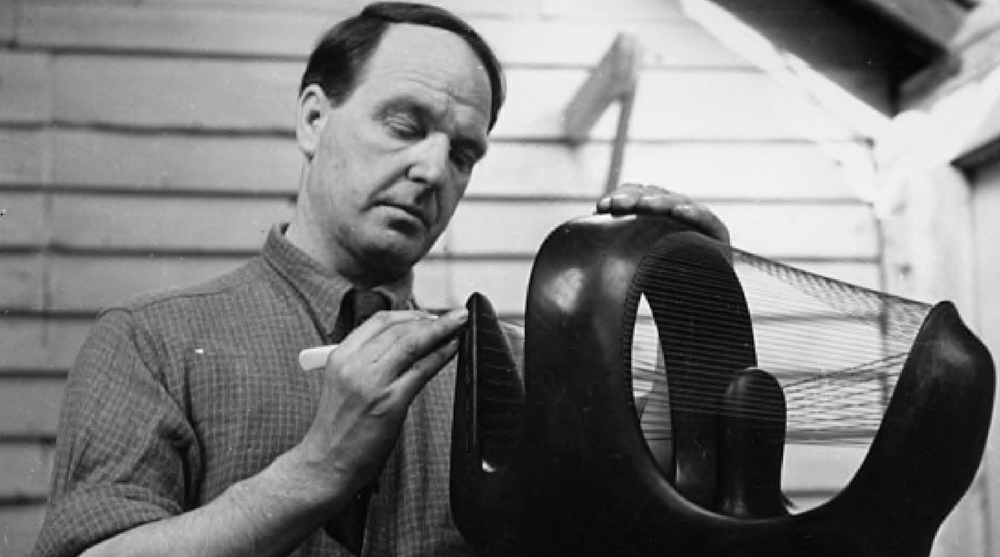
Henry Moore(1898–1986)
Artistic Style
Organic abstraction inspired by nature and the human body.
Major Contribution
Combined monumental sculpture with landscape interaction.
Famous Works
Reclining Figure, Large Two Forms
Influence
Redefined public sculpture and outdoor monumental art.
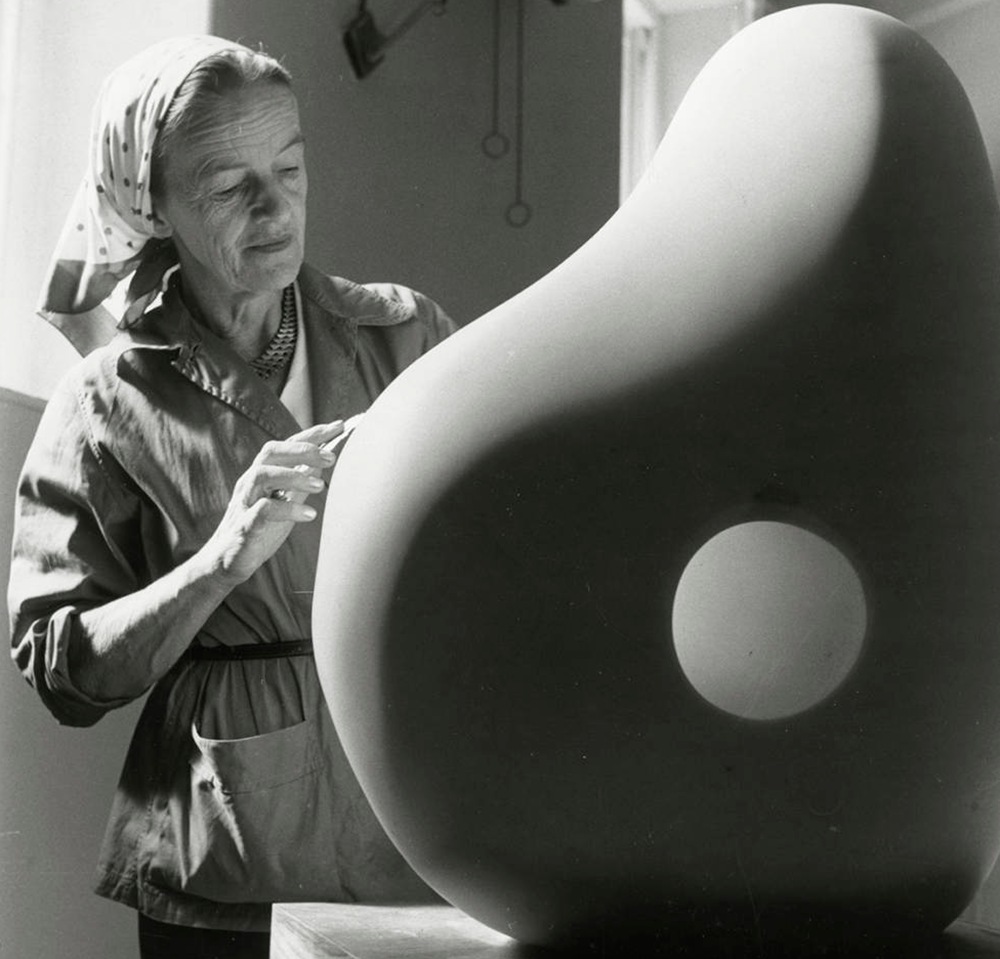
Barbara Hepworth(1903–1975)
Artistic Style
Smooth organic forms emphasizing balance and negative space.
Major Contribution
Integrated spatial openness into abstract sculpture.
Famous Works
Pelagos, Single Form
Influence
Expanded the role of space and harmony in modern sculpture.
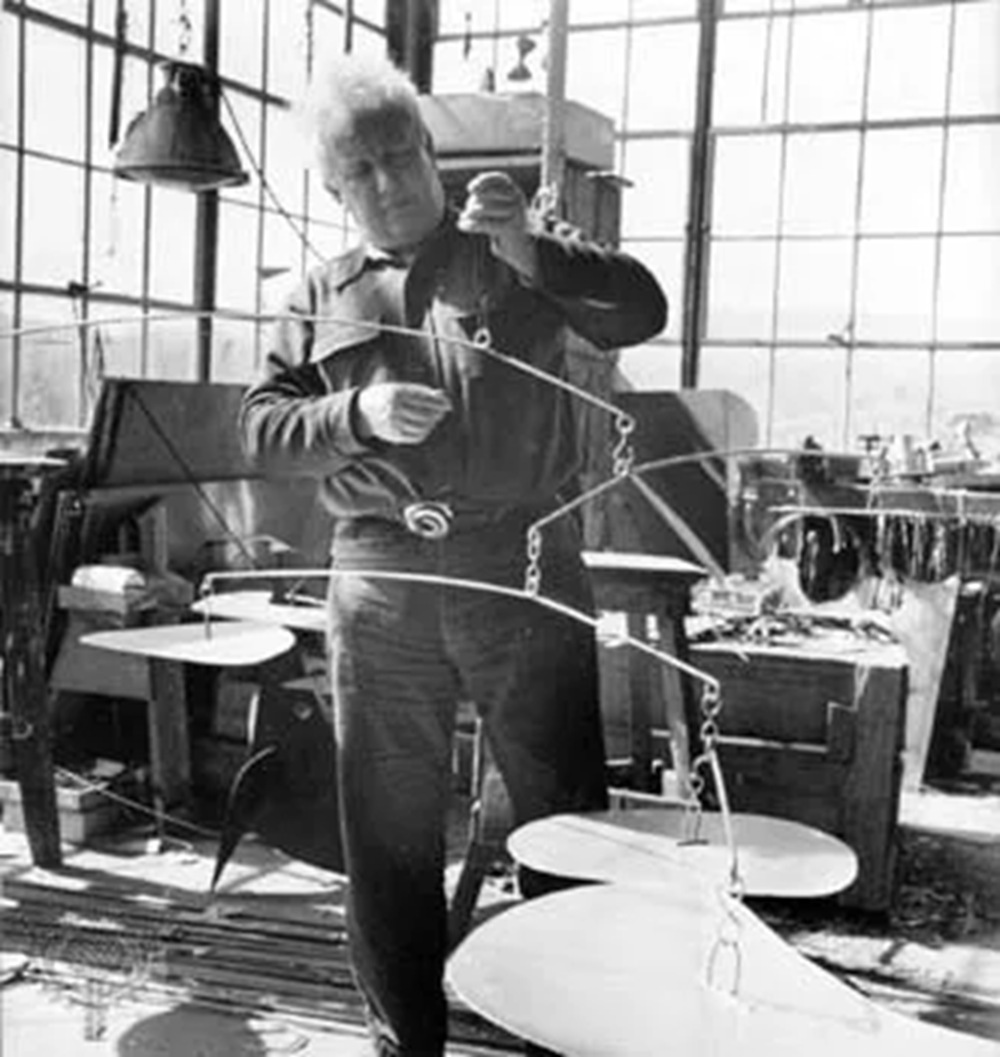
Alexander Calder(1898–1976)
Artistic Style
Dynamic geometric abstraction and kinetic sculpture.
Major Contribution
Invented mobile sculpture and introduced movement into abstract art.
Famous Works
Flamingo, Lobster Trap, and Fish Tail
Influence
Changed how viewers physically experience sculpture.
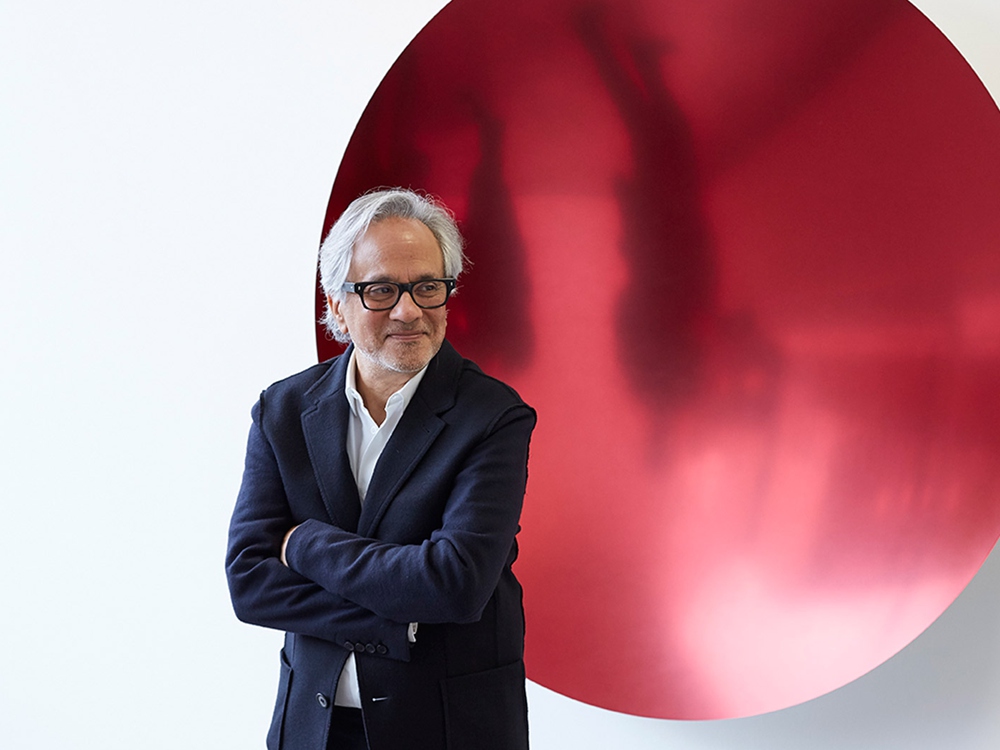
Anish Kapoor(1954–Present)
Artistic Style
Large-scale reflective and spatial sculpture.
Major Contribution
Explored perception, reflection, and environmental interaction.
Famous Works
Cloud Gate, Sky Mirror
Influence
Redefined contemporary public sculpture and stainless steel art.
Common Materials Used in Abstract Sculpture
Modern abstract sculpture uses a wide variety of materials. Each material creates different visual effects, durability levels, and emotional atmospheres.
| Material | Characteristics | Lifespan | Best For |
|---|---|---|---|
| Marble | Elegant, timeless, luxurious | Decades to centuries | Villas, gardens, classical-modern spaces |
| Bronze | Durable, artistic, textured | 100+ years | Public art, luxury landscapes |
| Stainless Steel | Reflective, modern, weather-resistant | 50+ years | Urban plazas, modern architecture |
| Corten Steel | Rustic industrial appearance | 40–80 years | Outdoor landscapes, minimalist gardens |
| Wood | Warm, natural, organic | 10–30 years | Indoor art, natural environments |
| Resin/Fiberglass | Lightweight, colorful, versatile | 10–25 years | Commercial decor, interior installations |
Each material creates a different visual effect, durability level, and spatial atmosphere, making material choice an important part of abstract sculpture design.
How to Choose the Right Abstract Sculpture for Your Space?
Choosing an abstract sculpture depends on both artistic style and how it blends with your surrounding environment. With over 40 years of project experience, we have summed up the key factors to help you make the best choice.
-
Match Space Size
Choose a sculpture scale to fit your area. Large open spaces need bold monumental pieces; small indoor areas suit compact, delicate designs.
-
Fit Architectural Style
Geometric stainless steel sculptures match modern angular buildings. Organic curved, bronze, or marble styles blend well with gardens and soft landscapes.
-
Select Suitable Material & Climate
Outdoor use weather-resistant materials: marble, 304/316 stainless steel, bronze, and corten steel.
Coastal areas use 316 stainless steel for anti-rust; normal outdoor spaces work with 304. Avoid limestone in cold regions. Indoor spaces can use wood and resin.
-
Choose Surface Finish
Mirror-polished looks modern and futuristic; matte and textured finishes bring a warm, natural feel.
-
Create Ideal Atmosphere & Customization
Abstract sculptures can create calm moods or add dynamic visual energy. Custom designs, paired with water features and lights, can achieve unique light and shadow effects.
FAQs
-
What is the difference between abstract and modern sculpture?
While often used interchangeably, “Modern” refers to a specific historical period (late 19th to mid-20th century), whereas “Abstract” refers to a style that does not represent outward reality. A modern sculpture can be figurative, but an abstract sculpture always focuses on form, line, and material over realistic subjects.
-
Does abstract sculpture have a hidden meaning?
Not always. Often, the “meaning” is simply the feeling it evokes or the way it balances the surrounding space.
-
Why is abstract sculpture popular in modern architecture?
Abstract sculpture complements contemporary architecture through minimalist forms, spatial interaction, and modern materials.
-
What are the common techniques for making abstract sculptures?
Techniques depend on the medium: Bronze typically uses the traditional lost-wax casting method for intricate detail. Stainless steel involves hand-forging, precision welding, and mirror-polishing. Marble sculptures are traditionally hand-carved to achieve unique, organic textures.
-
Which materials are most durable for outdoor abstract art?
Stainless steel, bronze, and marble are the premier choices for long-term durability in any environment. While wood and resin offer lower initial costs, they are prone to weathering and damage over time. For public landmarks or coastal areas, we highly recommend metal for its minimal maintenance.
-
How can I customize an abstract sculpture for my project?
Our process is seamless: Share your design or concept with us, and our designers will provide professional renderings. Once the size, material, and price are finalized, our artists begin handcrafting the piece. We provide real-time progress updates and allow for modifications to ensure the final masterpiece perfectly aligns with your vision.
Final Thoughts
Abstract sculpture transformed the history of art by moving beyond realistic representation and exploring emotion, movement, form, and space. From monumental public installations to minimalist garden artworks, abstract sculpture continues to shape modern architecture, landscape design, and contemporary visual culture.
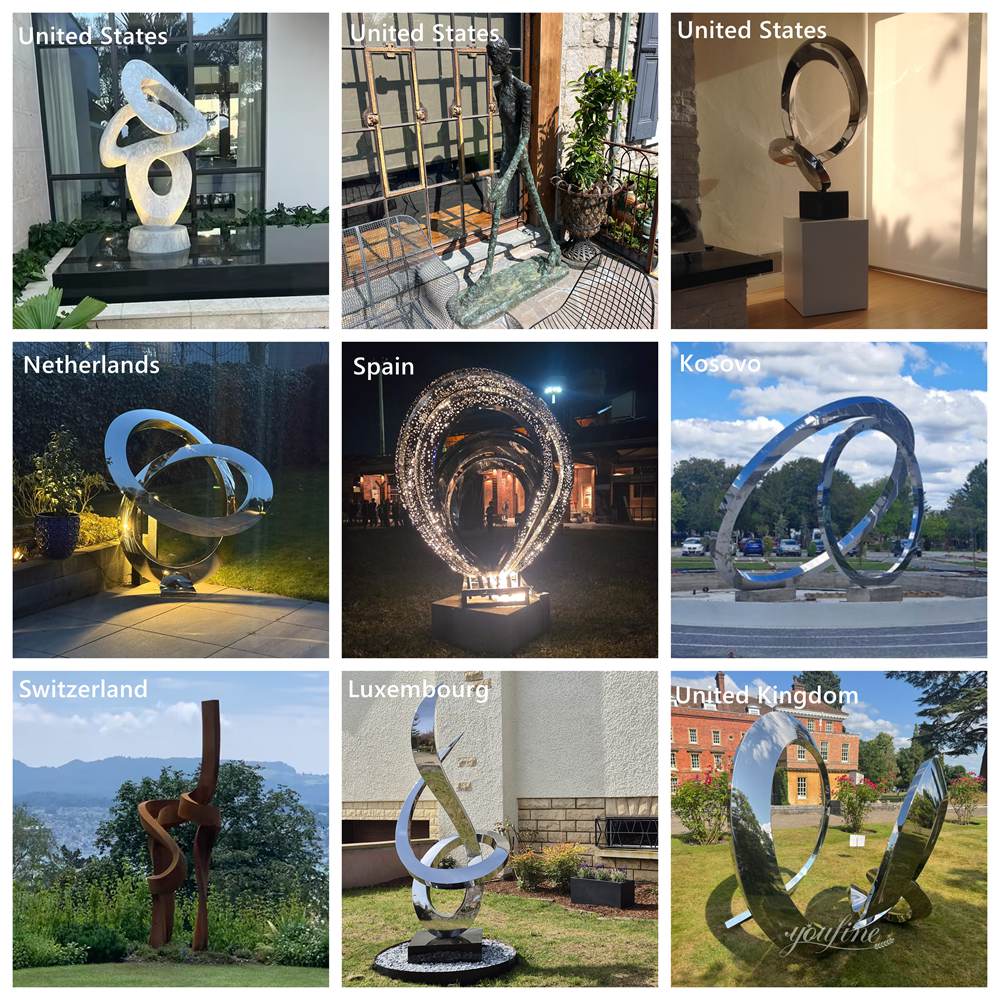
Whether you prefer elegant marble abstract sculptures, vintage bronze abstract sculptures, modern stainless steel abstract sculptures, or rustic corten steel abstract sculptures, feel free to contact us. With over 40 years of craftsmanship experience, our works have been sold to more than 30 countries worldwide. We offer personalized custom design and one-stop service to ensure your satisfaction.