The Boy with Thorn, also known as Fedele (Fedelino) or Spinario, is one of the most representative and enduring works of classical sculpture. This sculpture is renowned for its naturalistic pose and restrained emotional expression, and has captivated artists, collectors, and historians for centuries. Today, let’s delve into the world of this sculpture, exploring its historical origins, the stories behind it, its meaning, and the classic replicas that have preserved to this day.
What is the Boy with Thorn?
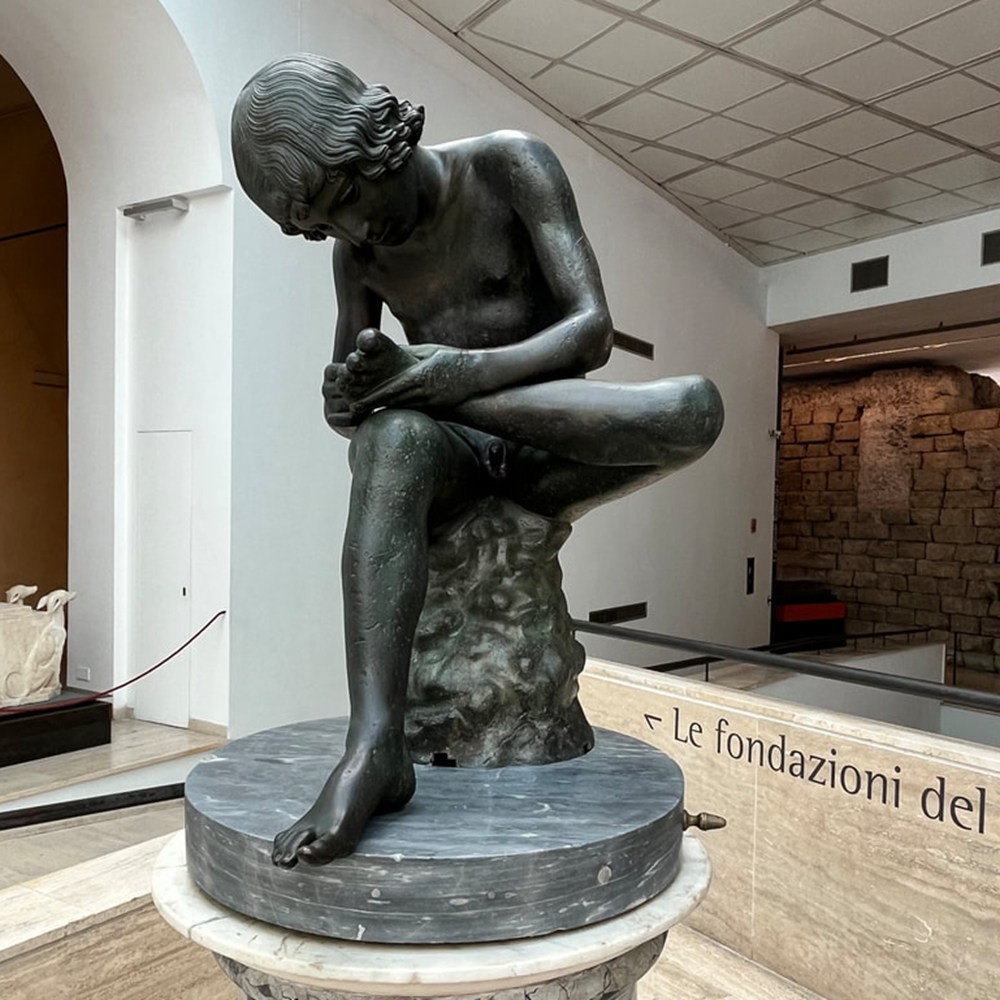
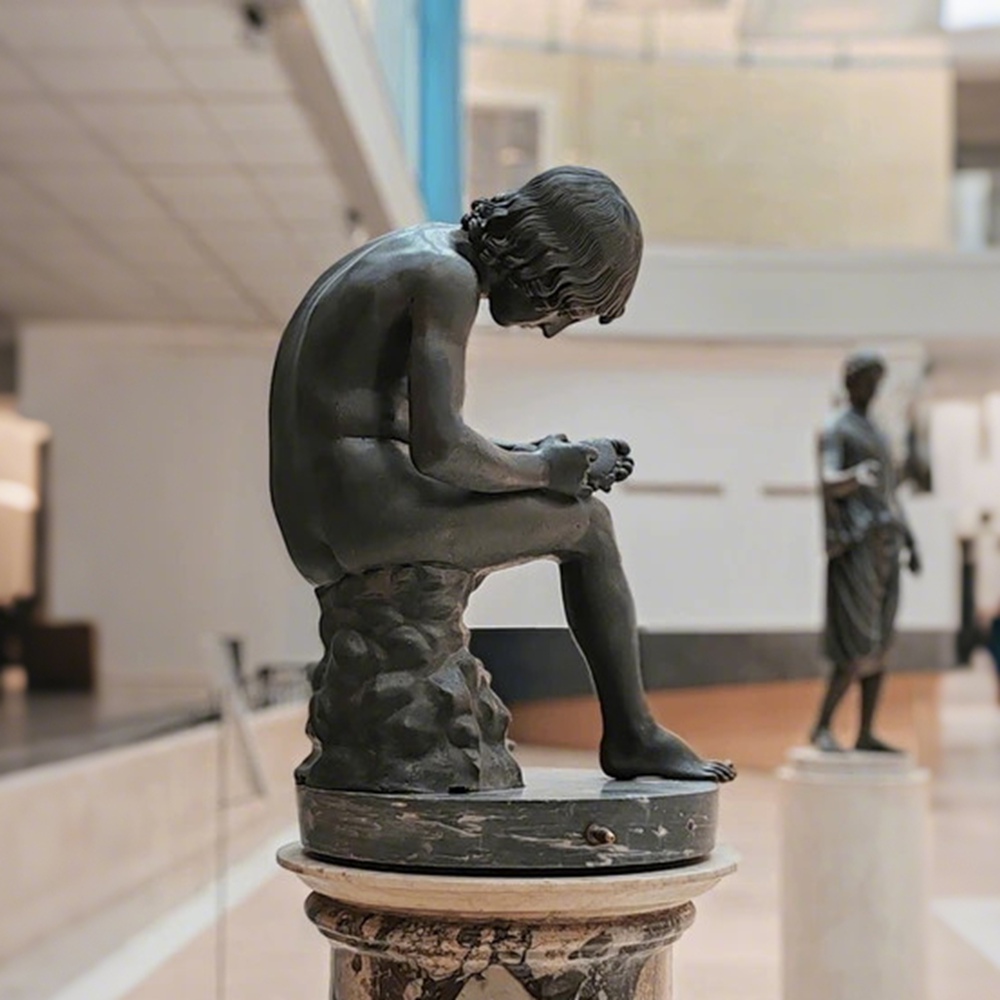
The Boy with Thorn statue, also known as the Spinario statue or Boy with Thorn in Foot statue, depicts a young boy sitting down, bending over, and intently removing a thorn from his foot. Unlike the heroes or mythological figures commonly found in classical art, this work portrays a quiet and intimate everyday scene.
Sculpture details:
Posture: Sitting position, body leaning forward, hands touching the feet
Expression: Calm and focused, without exaggerated pain
Artistic style: Natural and realistic human anatomy, delicate muscle tension
Scholars generally believe that this work is a Roman bronze replica from around the 1st century BC, with the original coming from an earlier Hellenistic period bronze original, which is now lost.
Where is the original located?
The most famous version of the Boy with Thorn is currently housed in the Capitoline Museums in Rome. This work has been continuously displayed since the time of ancient Rome and is one of the few classic sculptures that have survived from antiquity to the Renaissance and are still preserved today.
The Story Behind the Sculpture:
The specific creative background of the “Boy with Thorn” statue remains a subject of debate in academic circles, but it is generally believed to reflect ancient Greek art’s keen observation of nature and humanity, rather than mythological narratives.
Common interpretations include:
- The boy may symbolize a messenger who stopped to remove a thorn from his foot only after completing his mission.
- Others believe it represents the spirit of endurance and self-control.
- Renaissance artists regarded it as a model of human anatomy and emotional restraint.
Unlike many dramatic classical sculptures, the “Boy with Thorn” captures a highly human moment in a restrained and realistic way, which is precisely what makes it unique.
Why Is the Boy with Thorn So Popular?
The “Boy with Thorn” sculpture has transcended time due to its profound and universal symbolic meaning.
Common interpretations include:
- Patience and resilience: Maintaining composure in the face of pain
- Self-reflection: A brief pause for introspection
- The fragility and authenticity of human nature: Even young boys experience pain
This sculpture lacks a heroic aura, yet it resonates more deeply with viewers. It is this emotional authenticity and restraint that make it still so beloved today and a popular subject for classic reproductions.
Different Versions of the Boy with Thorn Sculpture
The image of the Boy with Thorn (Spinario) has been continuously copied, reshaped, and reinterpreted for over two thousand years since its origin in the ancient Greco-Roman period. From the ancient bronze prototype to the humanist versions of the Renaissance and the modern interpretations in the realistic style of the 19th century, this theme has consistently demonstrated enduring artistic vitality.
-
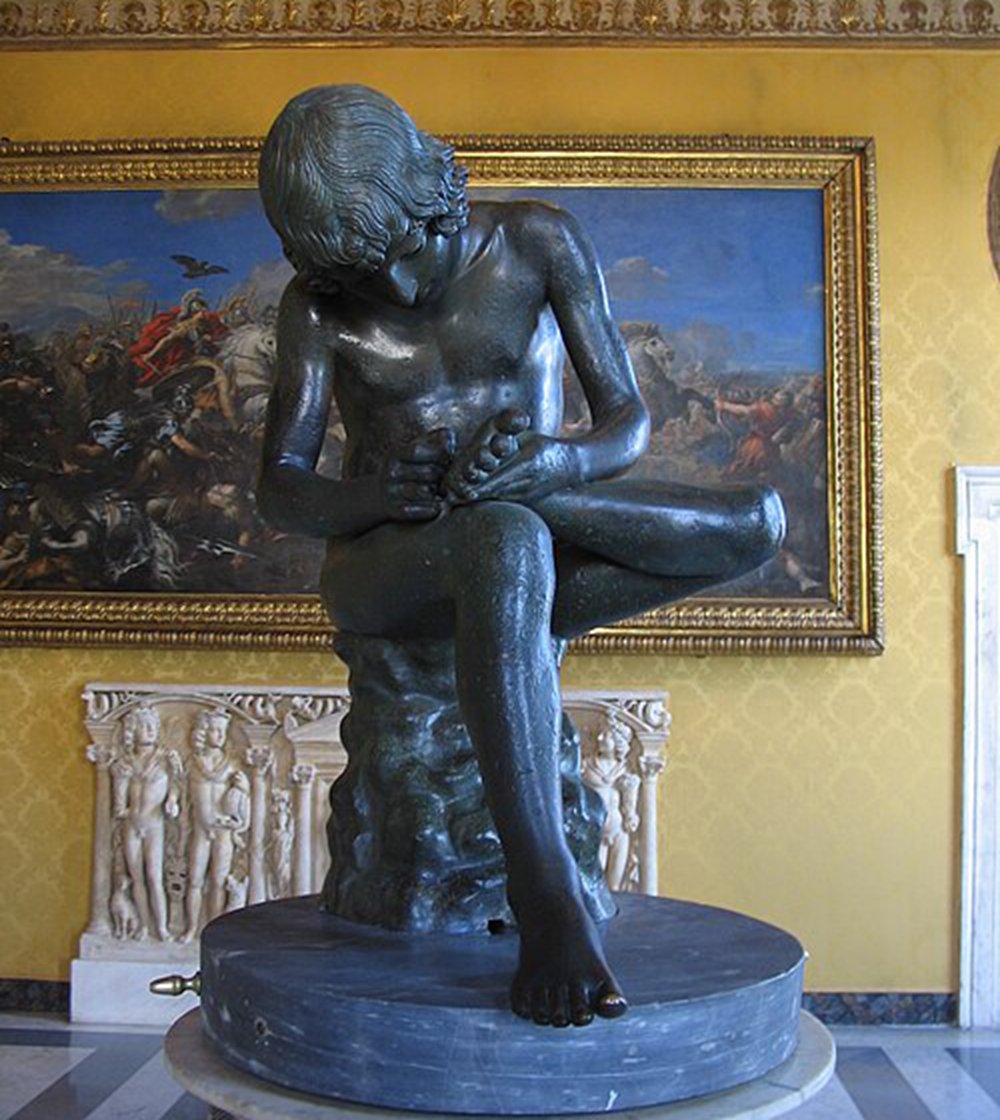
Capitoline Museums Version (Lo Spinario) | Rome
Ancient Prototype · Most Authoritative Version
Date: Approximately 1st Century BC
Material: Bronze
Location: Capitoline Museums, Rome, Italy
This is currently considered the oldest and most representative version of the “Boy with Thorn.” The sculpture, with its highly naturalistic seated posture and focused expression, demonstrates classical art’s precise capture of human anatomy and everyday moments.
This work was widely known in the Middle Ages and was considered a model for studying human anatomy and posture during the Renaissance, profoundly influencing later art.
-
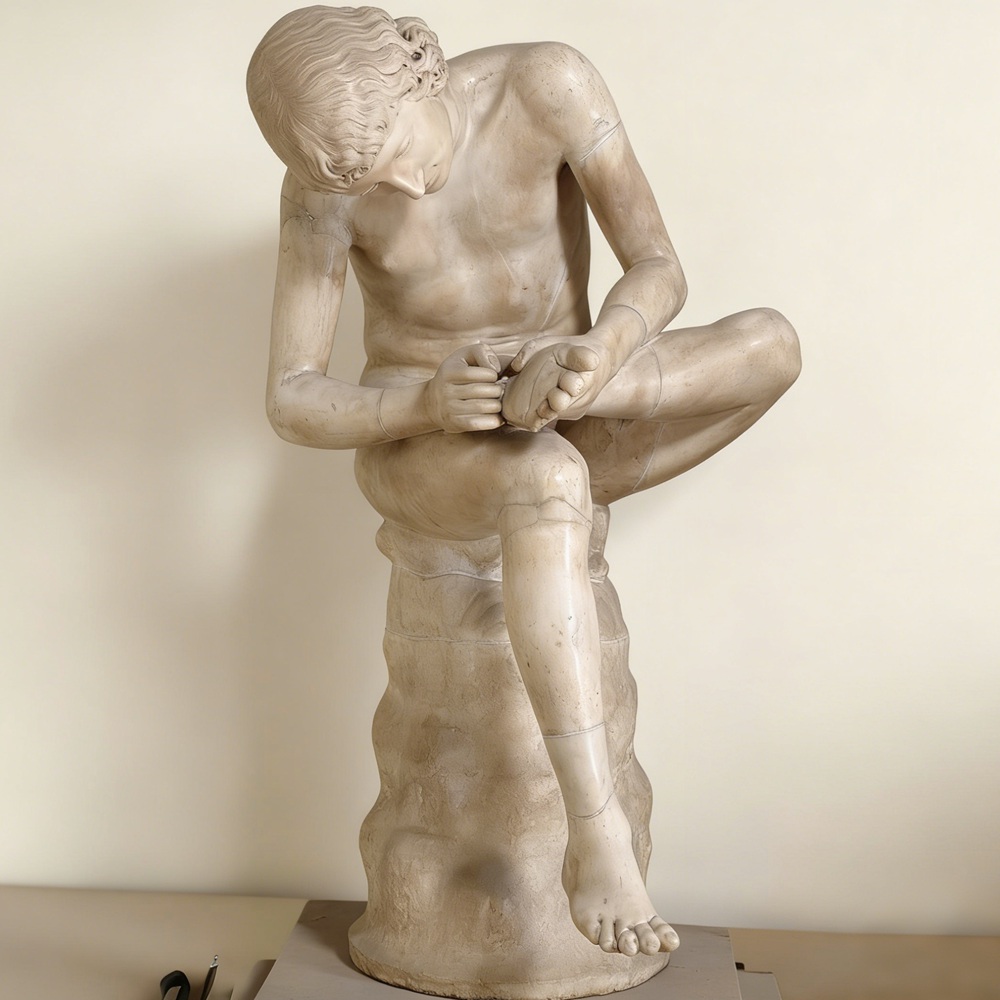
Uffizi Gallery Marble Version (Spinario) | Florence
Roman Period Copy · A Classic from the Aristocratic Collection System
Date: Approximately 1st Century AD
Material: Marble
Location: Uffizi Gallery, Florence, Italy
This version is a marble copy from the Roman period of an ancient Greek bronze prototype, and was once part of the Medici family collection.
Compared to the bronze version, the marble material softens the sharpness of the muscle tension, emphasizing the transition of light and shadow and overall softness, reflecting the different aesthetic preferences for classical art in the Roman period and the Renaissance collection system.
-
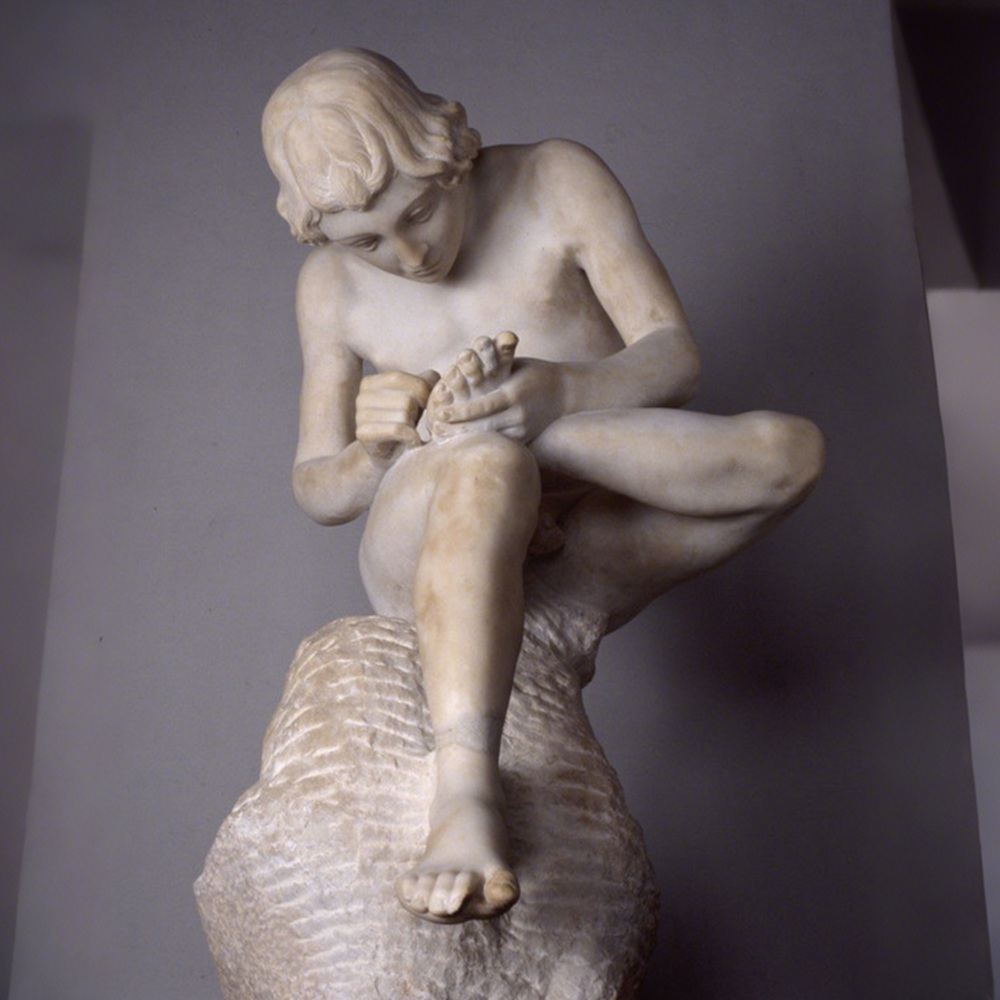
Borghese Gallery Version (Boy with Thorn / Marcius) | Rome
A Roman interpretation with a heroic narrative
Date: Possibly created in the late 16th century
Material: Marble
Location: Borghese Gallery, Rome, Italy
This version is often interpreted as depicting Marcius, a young hero from Roman legend.
Compared to the Capitoline version, this sculpture is more narrative in its portrayal of the figure, linking the act of “removing the thorn” to loyalty, responsibility, and self-restraint, reflecting the emphasis on heroic morality in Roman culture. This sculpture was acquired by Giovanni Battista Borghese in 1608.
-
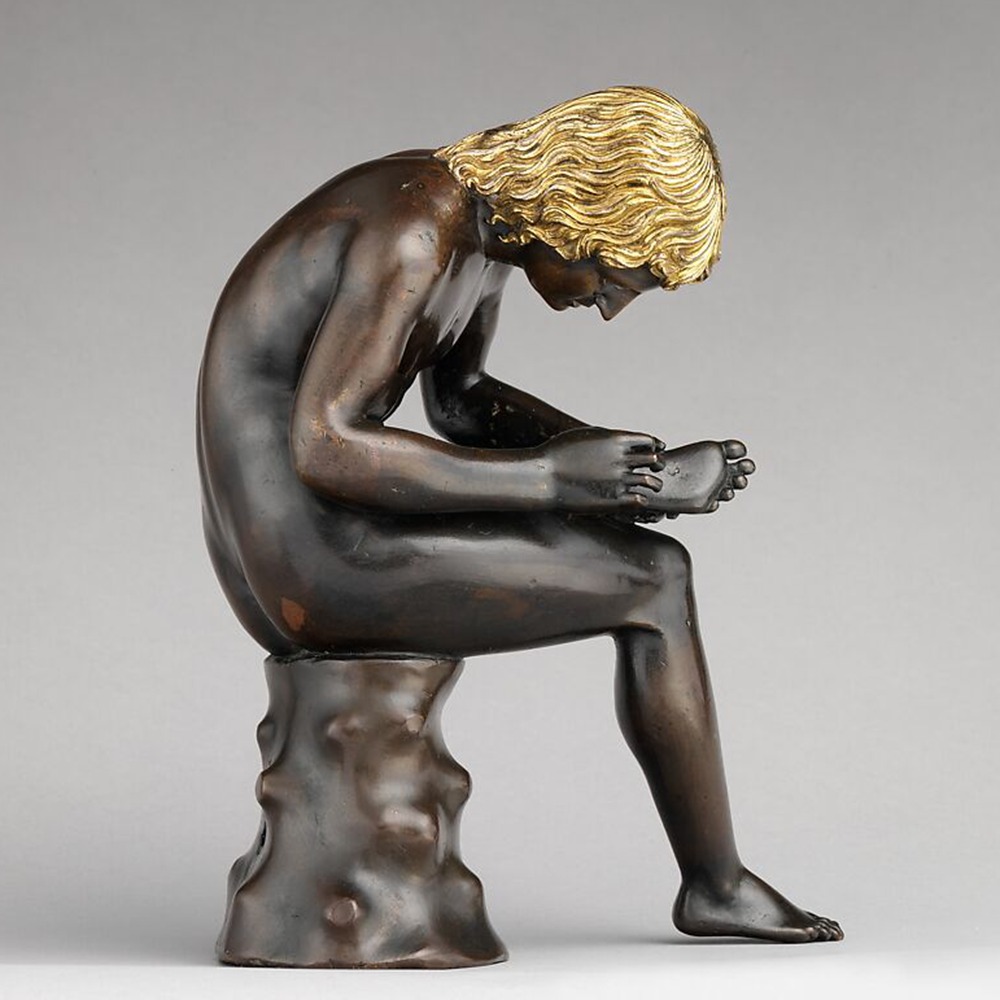
Antico Renaissance Bronze Version | The Metropolitan Museum of Art, New York
Classical Revival · Reimagining the Renaissance
Artist: Antico (Piero Jacopo Alari Bonacolsi)
Date: Circa 1501
Material: Bronze
Location: The Metropolitan Museum of Art, New York, USA
Antico was one of the most important artists of the Renaissance who recreated classical sculptures. His sculpture of a boy removing a thorn retains the classical pose while incorporating details such as gilded hair and silver eyes, reflecting the Renaissance era’s reverence for and ability to reinterpret classical art.
-
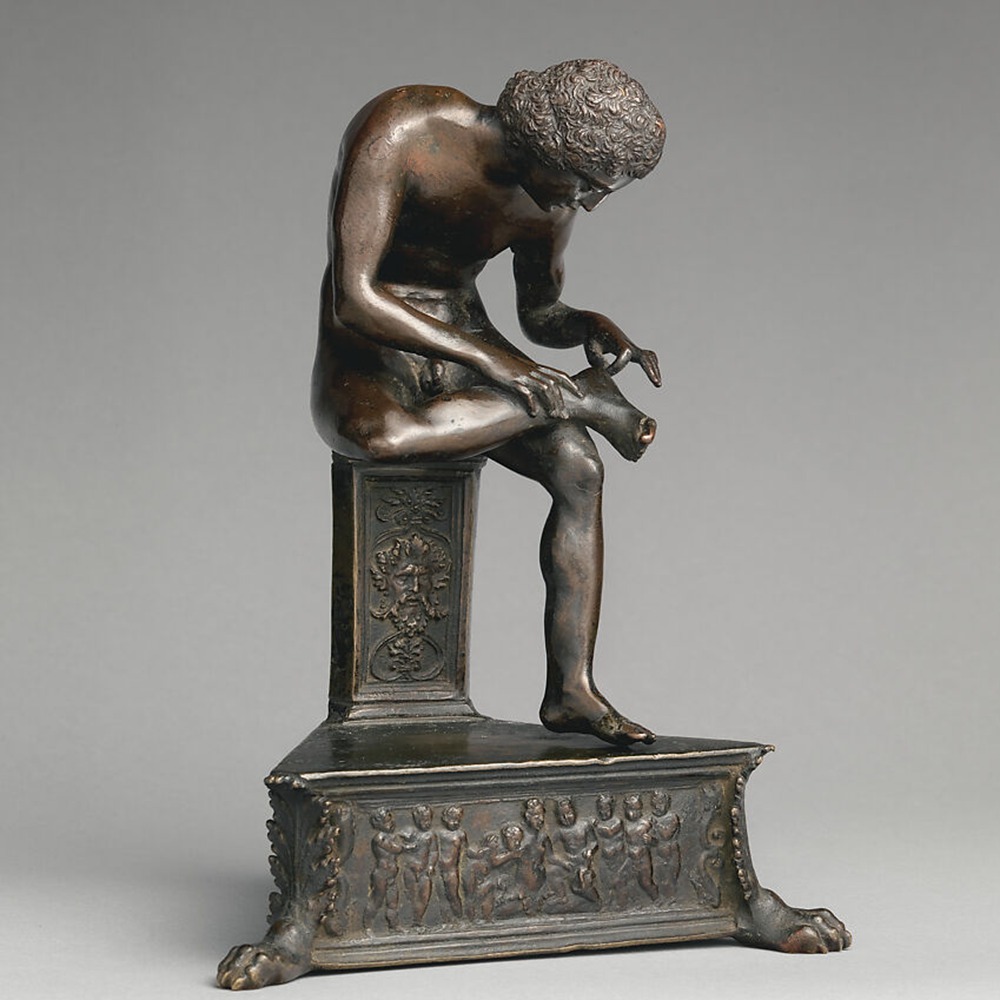
Other Versions at the Metropolitan Museum of Art | New York
A Continuation of 16th-Century Italian Workshops
Date: Early 16th Century
Material: Bronze
Collection Location: The Metropolitan Museum of Art, New York, USA
This version of the bronze “Boy Removing a Thorn” adds elements such as lion’s paws and figural reliefs, reflecting the continued interest in this classical motif during the late Renaissance.
Works of this type often appear as small bronze statues, suitable for interior decoration, emphasizing craftsmanship and collectible value.
-
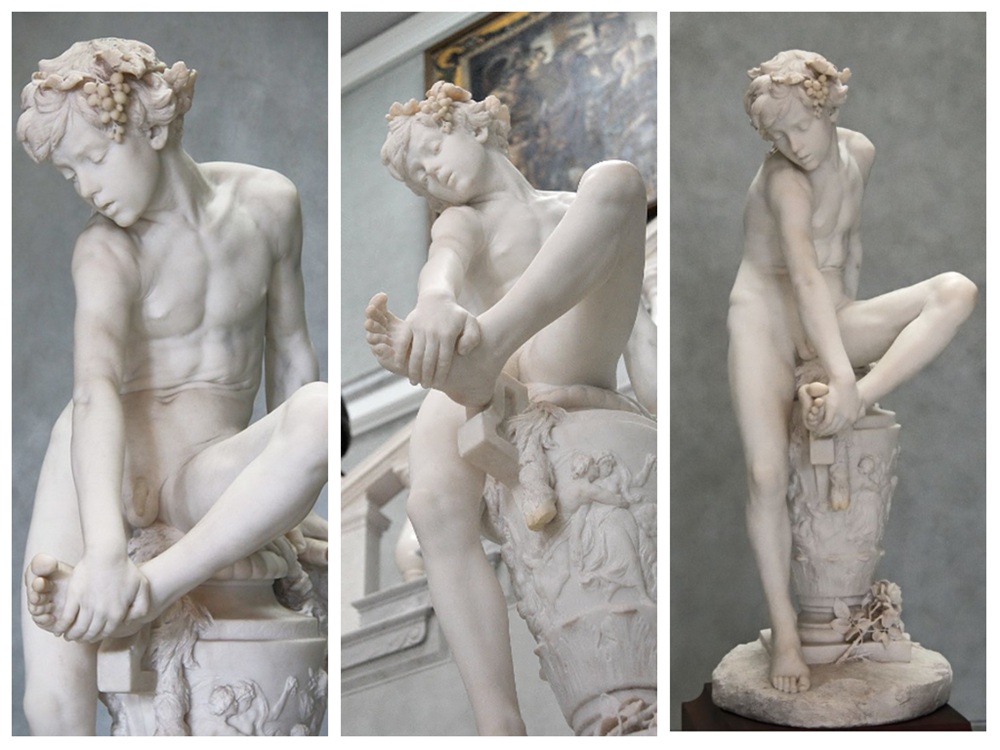
Gustav Eberlein, Dornauszieher (The Thorn Puller) | Berlin
A Modern Interpretation of 19th-Century Realism
Artist: Gustav Eberlein
Date of Creation: 1879–1885
Material: Marble
Title: Dornenzieher (German: The Thorn Puller)
Location: Alte Nationalgalerie (Old National Gallery), Berlin, Germany
Eberlein’s The Thorn Puller is a modern realist reinterpretation of the classical Spinario theme.
Unlike the restraint and idealization of the ancient versions, the boy’s features in this work are more handsome, the base beneath his body is transformed into an elaborately decorated vase, and his body is more slender and lean.
It emphasizes the character’s genuine emotions, sense of physical weight, and psychological state, reflecting the 19th-century European sculpture’s focus on humanity and realistic experience.
Choose YouFine’s for Your Replica:
As a professional sculpture factory established in 1983, YouFine has undertaken many large-scale projects and collaborated with numerous artists. More importantly, we have already produced different versions of the “Boy with Thorn” sculpture replicas for several clients and received positive feedback.
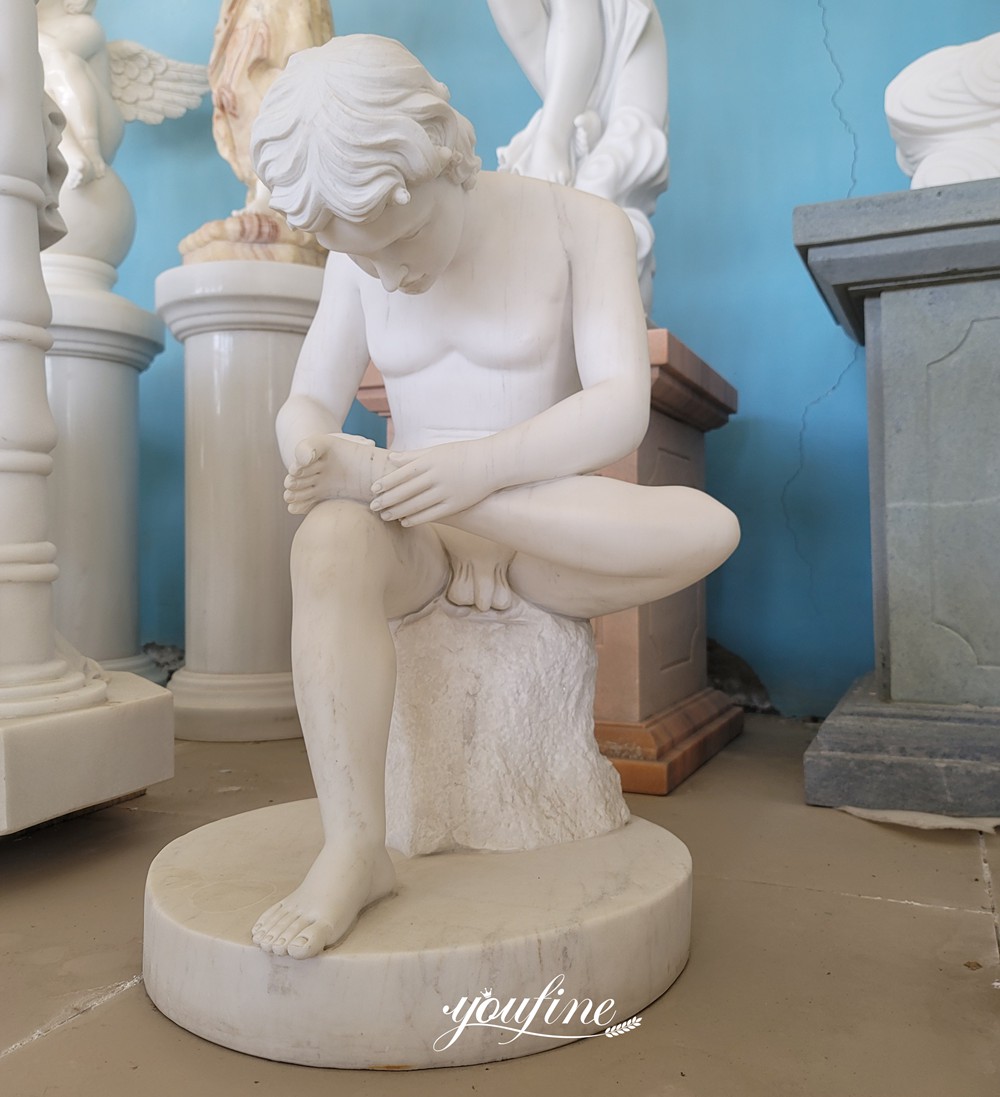
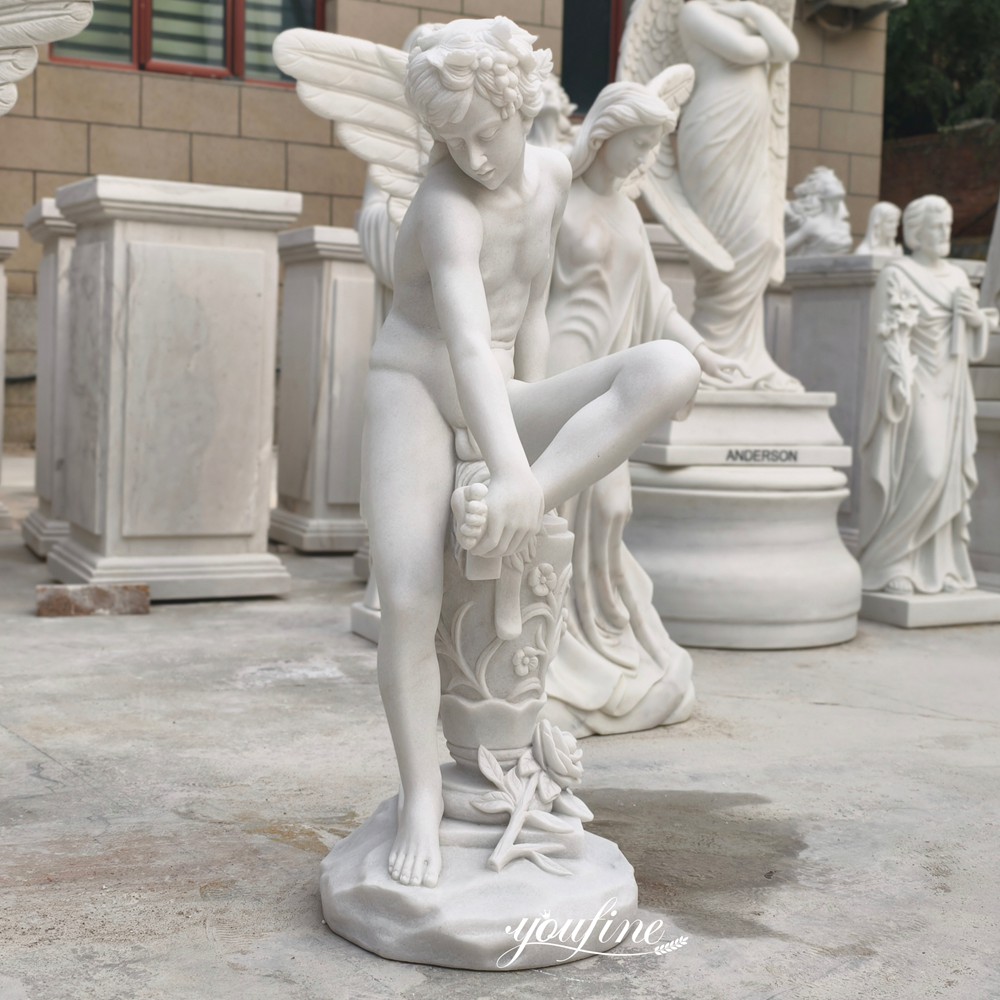
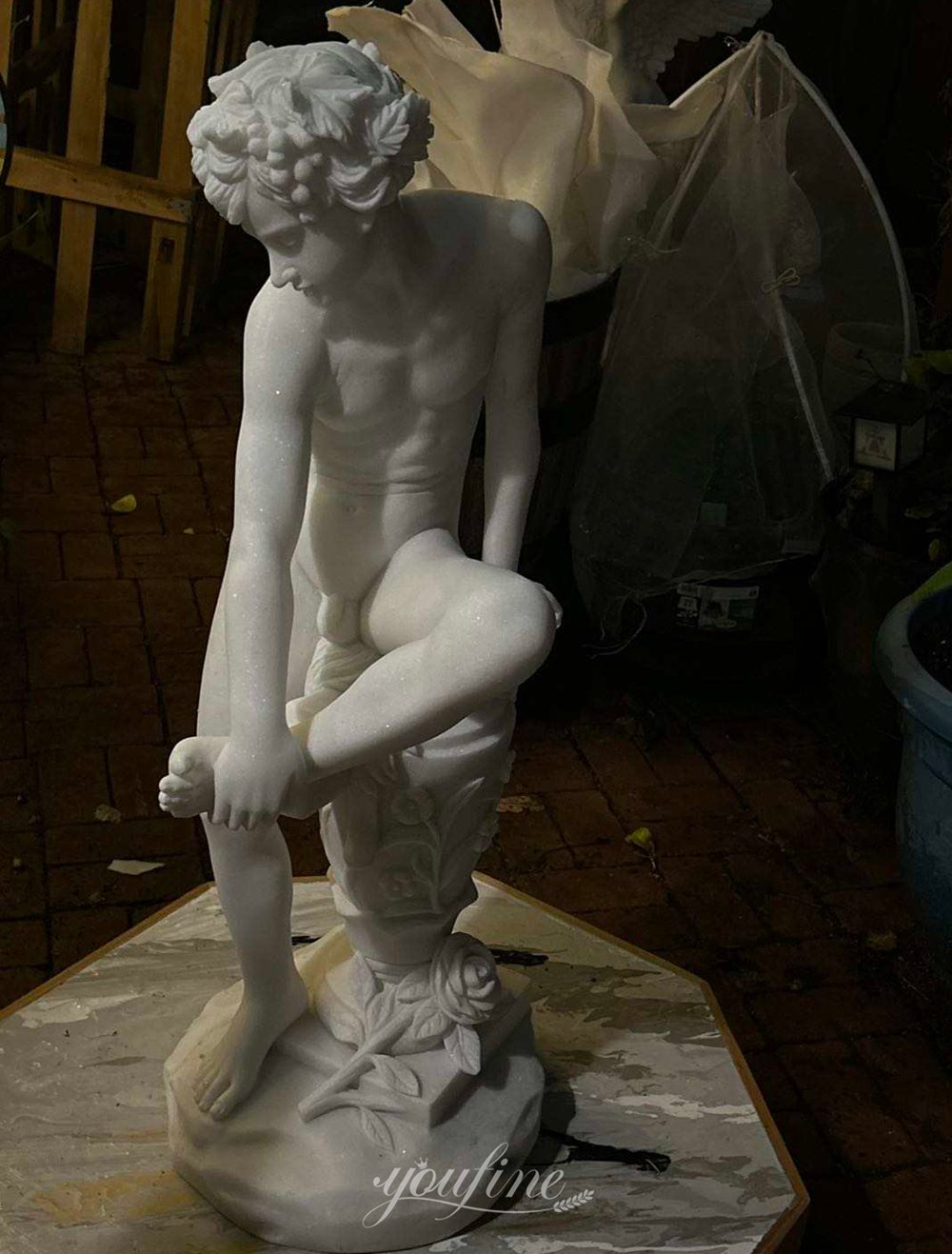
If you are interested, please contact us. We offer bronze or marble materials, and custom sizes are available, including life-size or larger. We ship worldwide and guarantee high quality to ensure your satisfaction.
References & Museum Sources
For historical accuracy, this article references the following museum and academic resources:
– https://en.wikipedia.org/wiki/Boy_with_Thorn
– https://www.uffizi.it/en/artworks/lo-spinario-or-boy-with-thorn
– https://www.collezionegalleriaborghese.it/en/opere/boy-with-thorn
– https://www.metmuseum.org/art/collection/search/238971
– https://www.metmuseum.org/art/collection/search/200569