In the world of art collecting, there’s a famous saying: “Bronze gives a sculpture form, while the patina gives it life.” When you walk into an ancient square or a modern art gallery, the unique charm of those bronze sculptures originates from the patina of bronze. It is the ultimate chapter of chemistry and art, and a key standard for measuring the artistic value of a bronze work.
This article will detail what bronze patina is, how it forms, common patina colors for bronze sculptures, and its applications in bronze sculpture.
What is Patina?
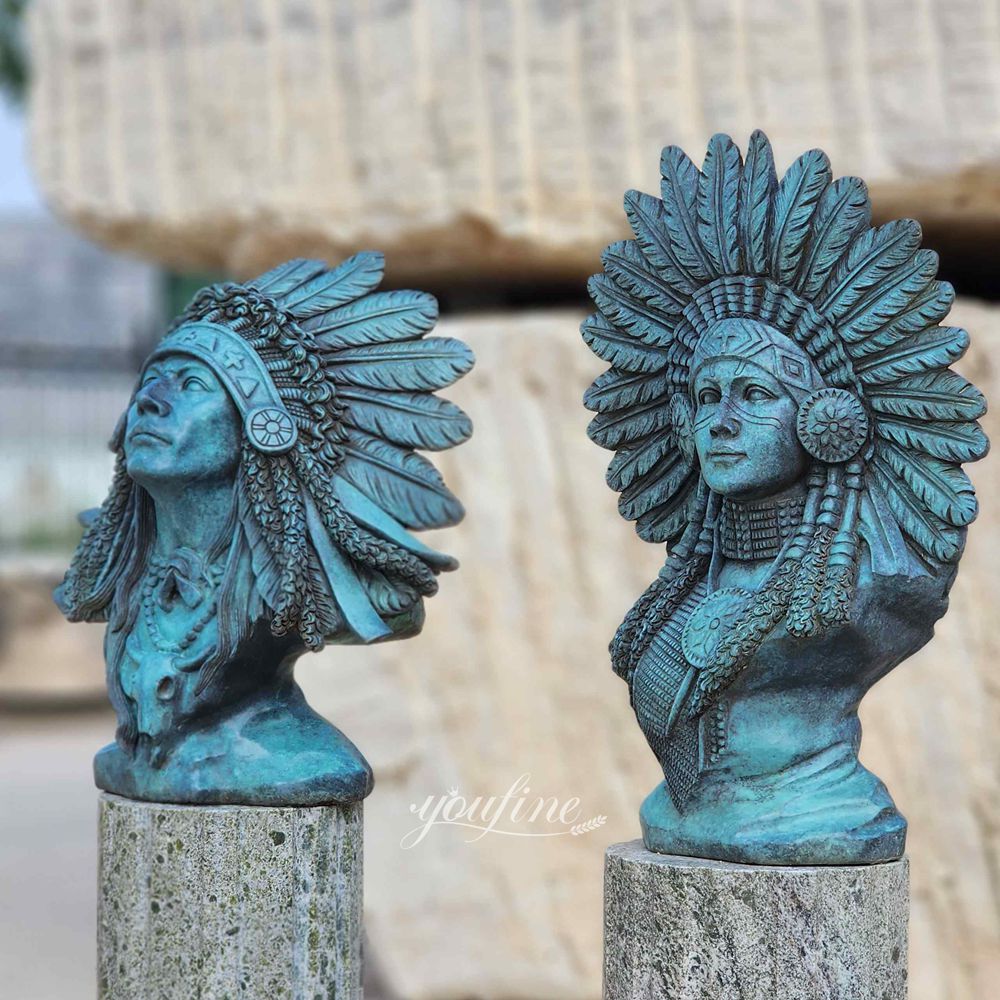
Patina refers to a thin layer of oxide that forms on the surface of metals such as bronze, copper, or brass after a chemical reaction with air, moisture, and environmental elements. This reaction alters the color and texture of the metal surface.
How Does Bronze Patina Form?
In bronze sculptures, patina typically forms in two ways:
- Natural Patina: This is a masterpiece of time. When bronze is exposed to air, moisture, and environmental elements for a long period, it undergoes a lengthy natural oxidation process. For example, the iconic green of the Statue of Liberty is the result of centuries of natural weathering.
- Artificial Patina: To achieve specific artistic effects in a short time, sculptors or foundries use heat and chemical reagents to accelerate this reaction. By precisely controlling the temperature and formula, it is possible to artificially create a sense of weight and depth that transcends millennia or a vibrant, modern color.

The Core Functions of the Patina in Bronze Sculpture
Why is the bronze sculpture patina so important? It mainly serves three functions:
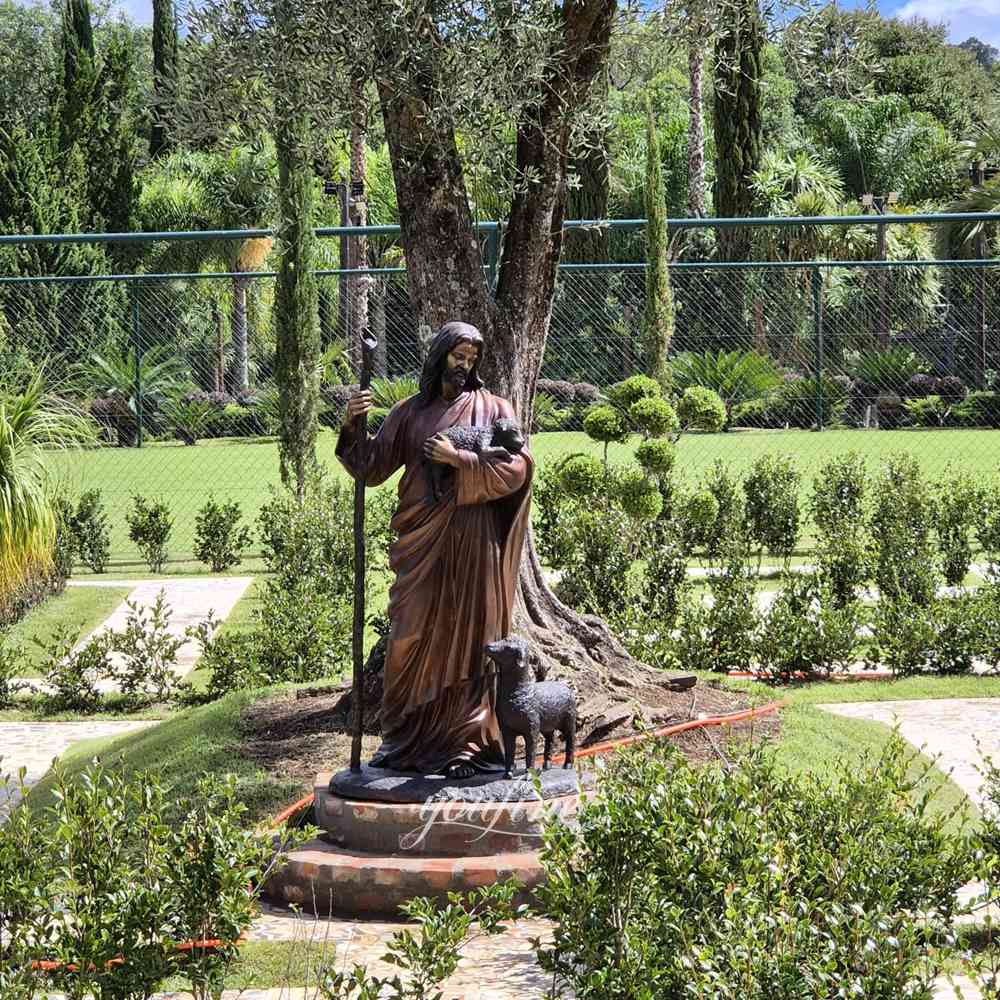
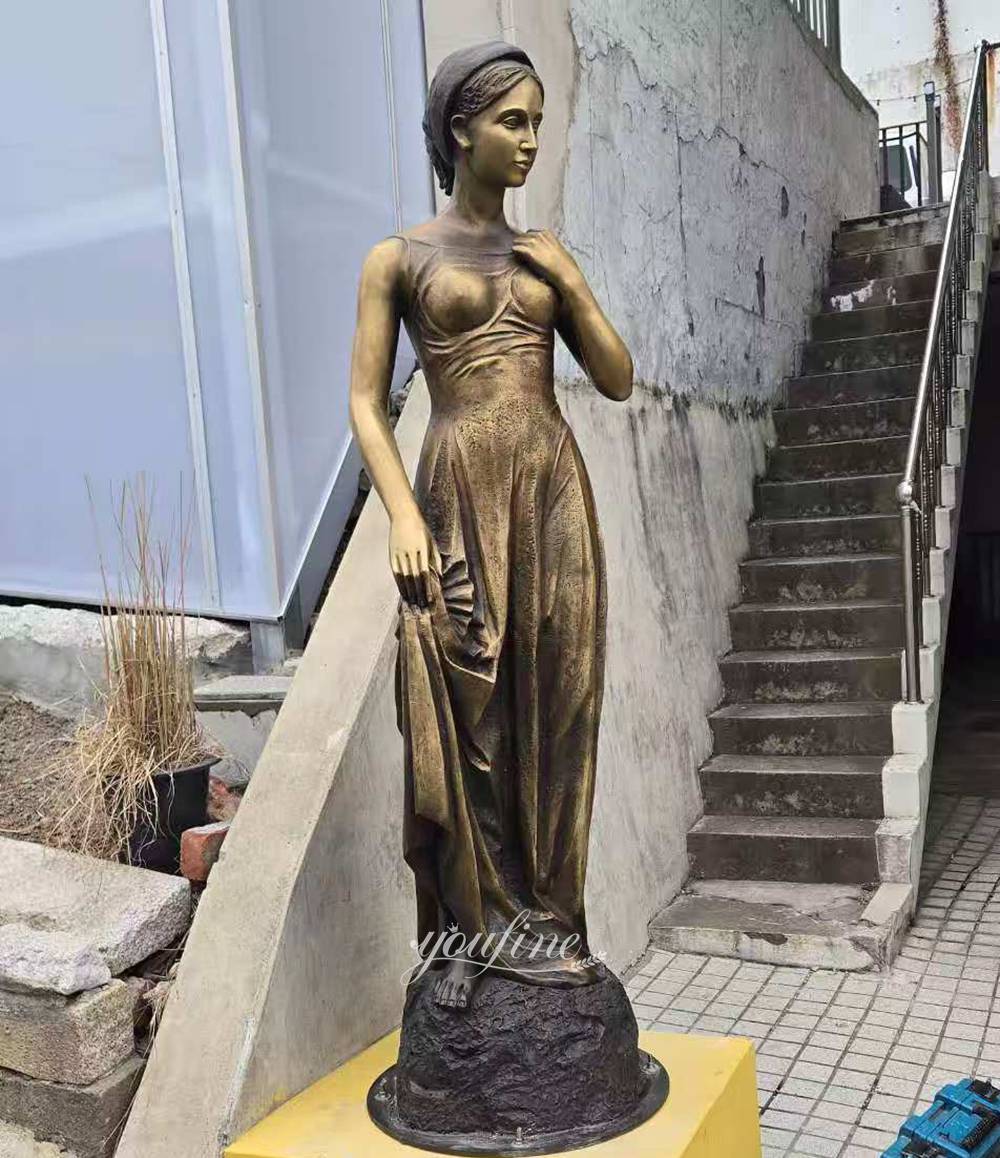
- Superior Artistic Expression: The patina enhances the visual depth of the sculpture, highlighting fine details such as muscle lines, hair strands, or clothing folds, and giving the metal richer color gradations.
- Strong Protective Barrier: Like a layer of “skin,” it locks in the metal surface, effectively isolating oxygen and moisture, preventing the bronze from undergoing deep oxidation or harmful corrosion.
- Imbuing with History and Emotion: Through specific coloring techniques, newly cast sculptures can instantly acquire an antique-like sense of age or present a serene and sacred visual atmosphere.
Patina Colors Commonly Used in Bronze Sculptures
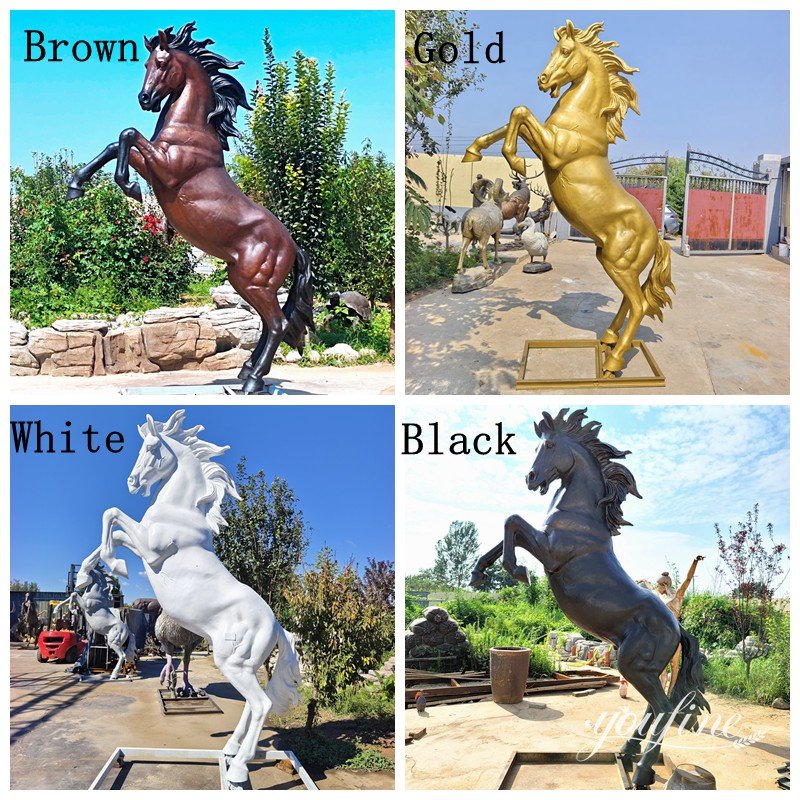
Different colors represent different aesthetic styles. Below are some colors commonly used in the industry and in the YouFine Artsculpturegallery factory for bronze sculptures:
| Patina Color | Chemical Application (Common Reagents) | Visual Style & Best Use Cases |
|---|---|---|
| Brown | Ferric Nitrate | The most classic and natural tone. Enhances the raw texture of bronze; ideal for portrait sculptures, realistic wildlife statues, and formal garden settings. |
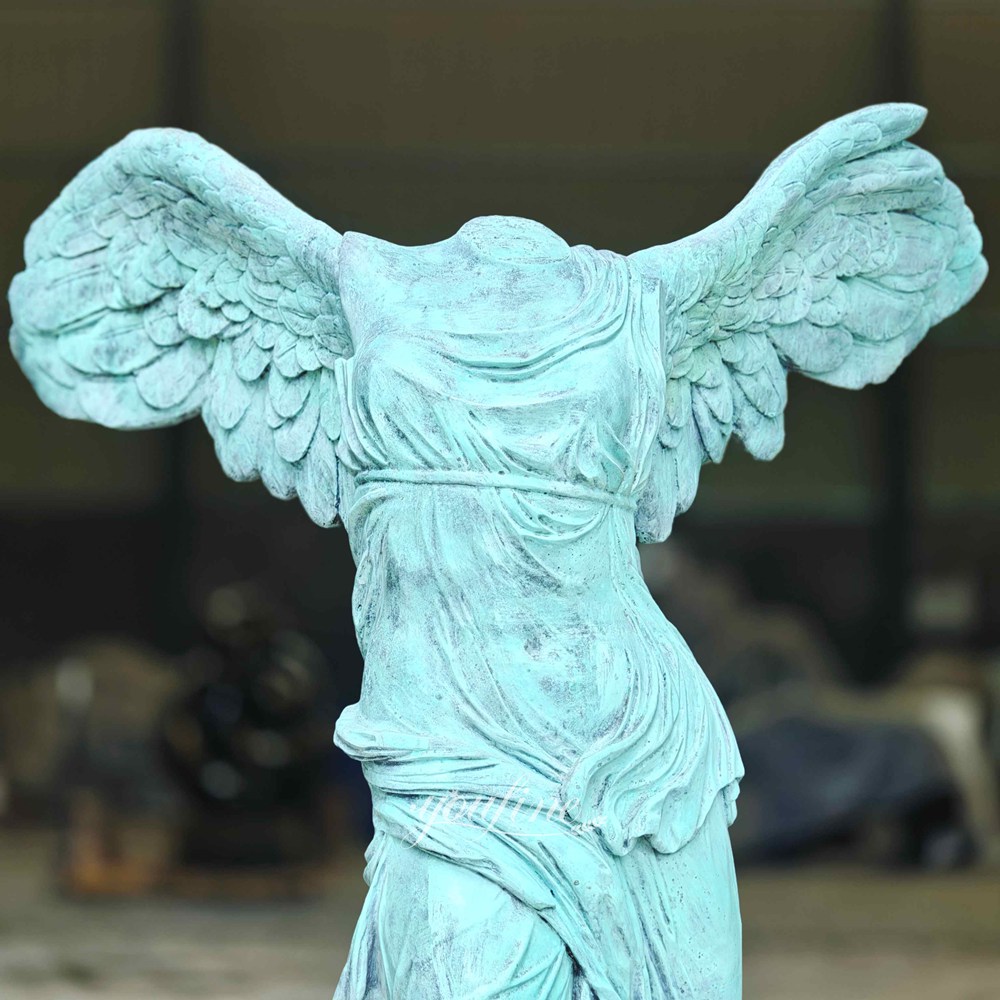
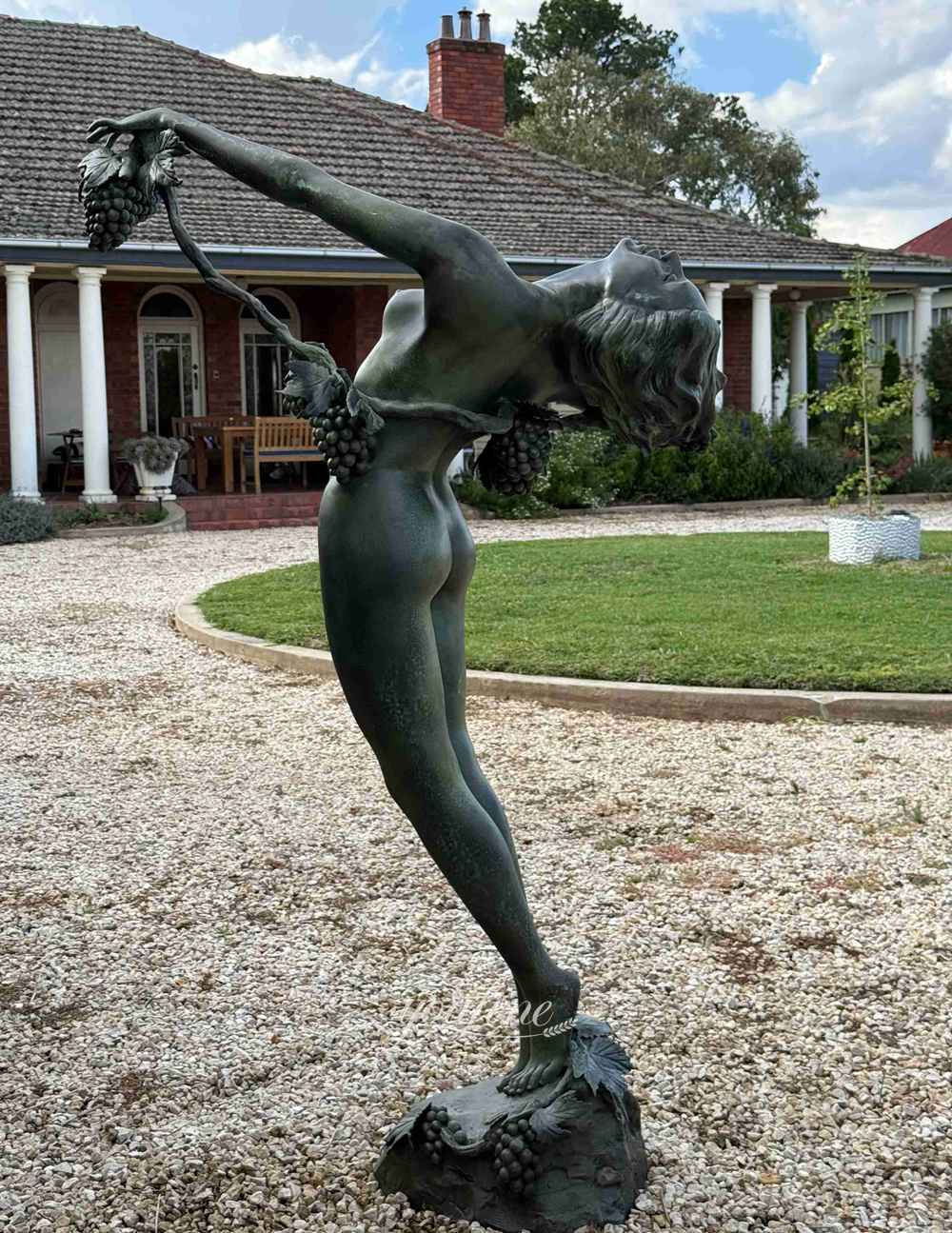
| Green (Verdigris) | Cupric Nitrate | Creates a strong classical and historical appearance. Often associated with Greco-Roman sculpture styles; commonly used for large garden fountains and classical figures. |
| Black | Liver of Sulfur | Produces a bold and modern visual effect. Strong contrast highlights sculpture details; ideal for modern abstract sculptures or minimalist architectural spaces. |
| Blue | Ammonium Chloride / Custom Chemical Formulas | Rare and visually striking. Provides an oceanic or sky-like artistic texture; often used in contemporary sculptures and art installations. |
| Gold / Grey / Red | Composite Metal Salts with Controlled Heat Treatment | Conveys luxury, stability, or dramatic artistic expression. Gold is often used for decorative accents, while red patina can emphasize energy and dynamic movement. |
Methods Used to Create Patina on Bronze Statue
In the market, you might hear the concepts of “hot casting” and “cold casting,” but their quality is completely different.
Hot Cast Bronze with Chemical Patination (Most Common):
This is the traditional and most professional method for creating genuine bronze sculptures.
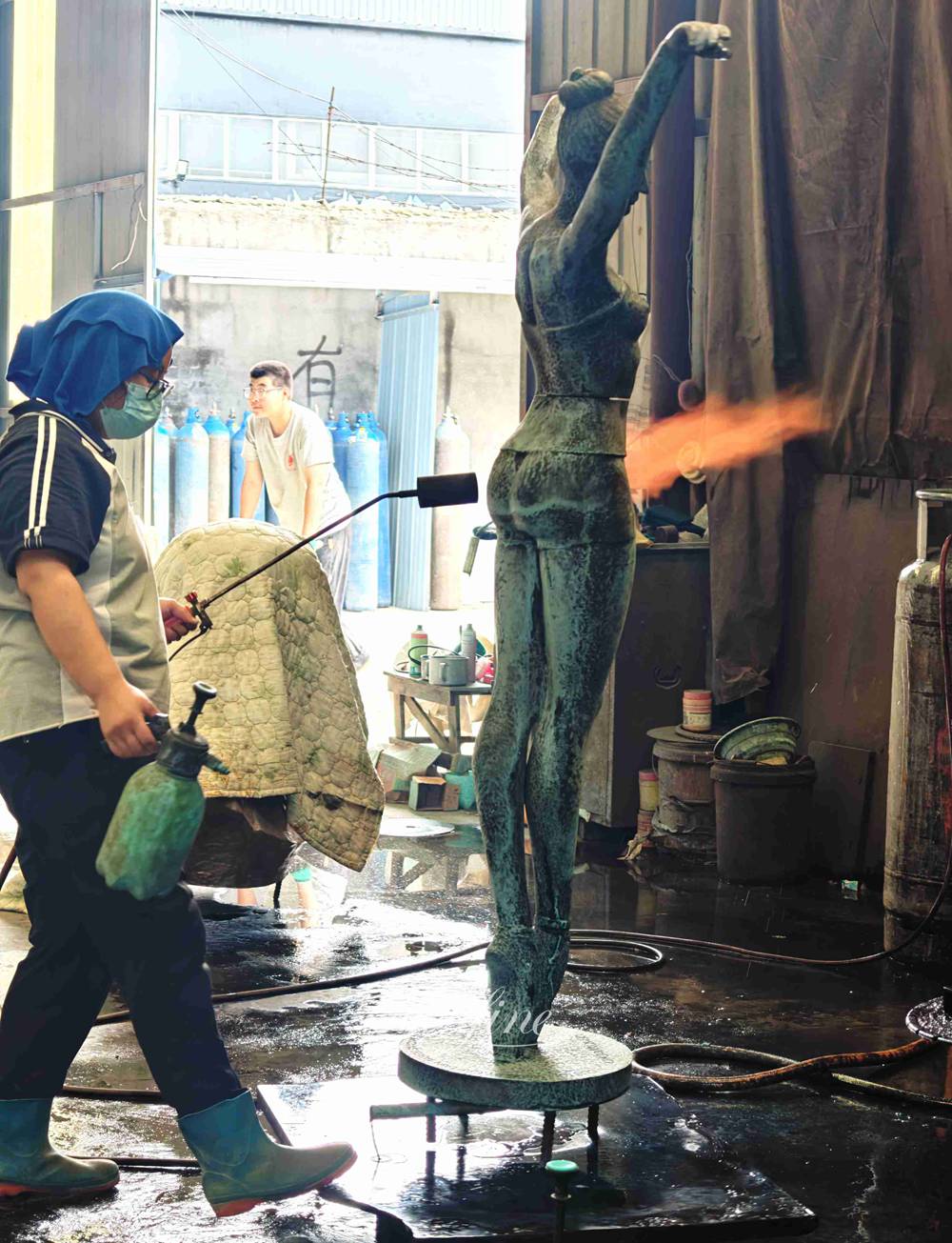
After the bronze is cast, the craftsman uses a blowtorch to heat the surface of the sculpture, then sprays on chemical agents to induce a deep oxidation reaction, and finally seals it with a layer of wax or oxidized water.
This process allows the color to penetrate the micropores of the metal, creating a natural, deep, and durable artistic texture, making it the preferred choice for high-end artworks.
Cold Cast Bronze:
This is a lower-cost alternative that simulates a metallic appearance by mixing bronze powder and color with resin.
While cold casting can produce similar colors, it is not solid bronze; the patina effect is merely on the surface of the coating.
In terms of weight, feel, durability, and long-term artistic value, it cannot compare to the true hot cast bronze patina process.
YouFine Artsculpturegallery Offers Professional Custom Patina Services
At YouFine Artsculpturegallery, we specialize in creating high-quality bronze sculptures and provide professional patina finishing. Our foundry boasts over 40 years of experience and has consistently been a leader in the sculpture industry.
- Proficient in various coloring techniques: Our artists are skilled in blending hundreds of subtle color variations to accurately reproduce your design concepts.
- Strict color plate confirmation: Before the official coloring process, we will create a custom color plate and send it to you for confirmation, or conduct a video confirmation with you to ensure the final color perfectly matches your expectations.
- Quality commitment: Our chemical coloring process is environmentally friendly and professional, ensuring natural, even, and long-lasting colors that stand the test of time.
- Immersive experience of the coloring process: If you prefer, we can take you to see the coloring process on-site or via video, and adjust the color depth according to your preferences.
The Role of the Environment
Patina is dynamic; it constantly evolves with changes in sunlight, humidity, and temperature, developing new, natural patinas that deepen the color of the sculpture, imbue it with a sense of history, and ultimately allow it to blend perfectly with its environment.
To maintain its luster without hindering its natural evolution, all our sculptures undergo a high-quality UV protection treatment.
How to Maintain and Care for Patina?
Proper maintenance can extend the lifespan of patinas and preserve the sculpture’s beauty.
Suggested maintenance methods include:
- Regular Cleaning: Clean the surface dust with a soft cloth and mild soapy water.
- Waxing Protection: Apply a professional bronze protective wax 1-2 times per year.
- Avoiding Strong Cleaners: Chemical cleaners may damage the verdigris layer.
- Avoid Direct Sunlight: Choose an outdoor environment with shade, such as trees or a dry indoor environment for placement.
- Professional Maintenance: Large outdoor sculptures can undergo regular professional maintenance.
With proper maintenance, patinas can last for decades or even longer.
FAQ
What is patina vs rust?
A: Many people confuse patina with rust, but they are completely different.
Patina is a protective oxide layer that forms on the surface of bronze or copper.
Rust is an oxide layer formed when iron or steel corrodes.
Unlike rust, patina not only doesn’t damage bronze, but it also protects the metal surface.
What’s the difference between tarnish and patina?
A: Tarnish (darkening due to oxidation) is usually a dull discoloration on a metal surface, commonly seen in metals like silver.
Patina, on the other hand, is a stable surface layer with artistic value, often artificially created in bronze sculptures.
What’s the difference between Patina and Verdigris?
A: Patina is a general term for all oxidized finishes on metal surfaces (including brown, black, gold, etc.), while Verdigris specifically refers to the most classic “greenish-blue” oxide layer produced by natural weathering or chemical processes.
How long does patina last?
A: If patina is properly treated and sealed for protection, it can last for decades or even centuries.
Outdoor sculptures may show natural changes over time, but these changes are often considered part of the sculpture’s historical feel.