Sculpture restoration refers to the professional process of repairing, reinforcing, and protecting damaged sculptures to restore their structural stability, appearance, and historical value. It is a part of art conservation and closely related to the cultural relic preservation work carried out by museums like the British Museum.
Simply put, the core purpose of sculpture restoration is to extend its lifespan while respecting the authenticity of the original work, rather than simply “restoring it to a brand-new state.” Restoration work typically involves crack treatment, corrosion control, surface weathering repair, reconstruction of missing parts, and structural reinforcement.
When Need Professional Sculpture Restoration?
- Structural Damage: Visible cracks, broken limbs, or instability in the sculpture. This type of restoration involves internal piling and reinforcement, which cannot be performed by non-professionals.
- Chemical Deterioration: Bronze: Powdery green patina (commonly known as “copper oxide”) appears, a chemical reaction that continuously corrodes the metal surface.
- Stone: Extensive peeling or crumbling of the surface.
- Surface Coating Failure: Large areas of the original chemical patina peel off, exposing the uneven metallic color.
- Irreversible Physical Damage: Severe dents, graffiti, or traces of incorrect early repairs.
Professional Advice: For sculptures of collectible value, we strongly advise against attempting any chemical solvents yourself. Inappropriate acid or alkaline cleaners can damage the crystalline layer of marble or the protective film of bronze, turning a simple restoration into an expensive rework.
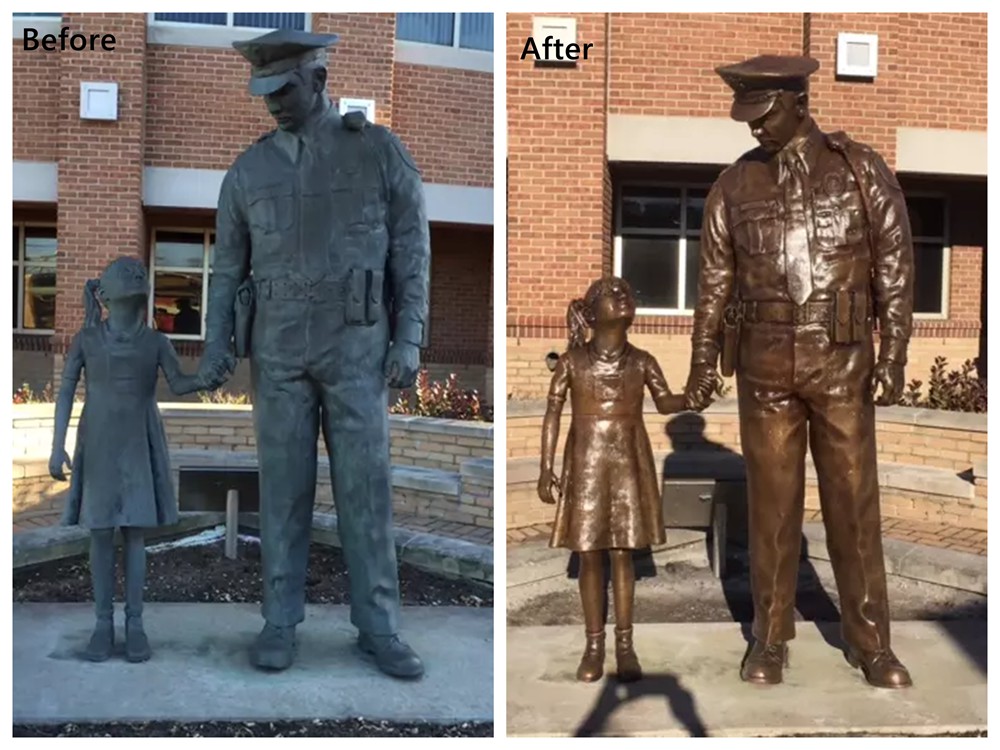
Key Points of Restoration for Different Materials Sculptures
In actual sculpture material restoration, the materials that can be used for repair usually include metal, stone, wood, ceramic clay, modern and composite materials, and plaster. This section focuses on the restoration of sculptures made from three materials:
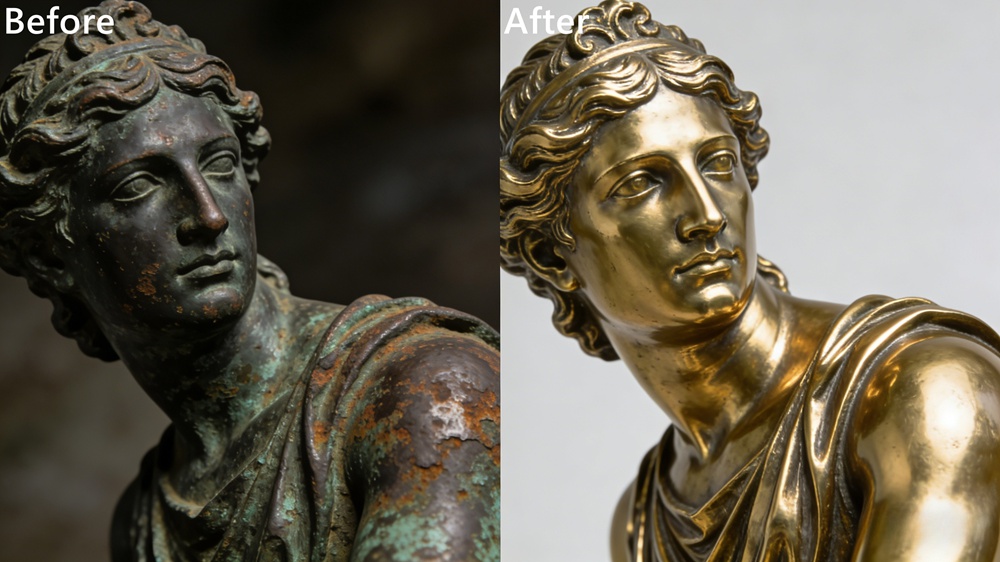
Bronze Sculpture Restoration
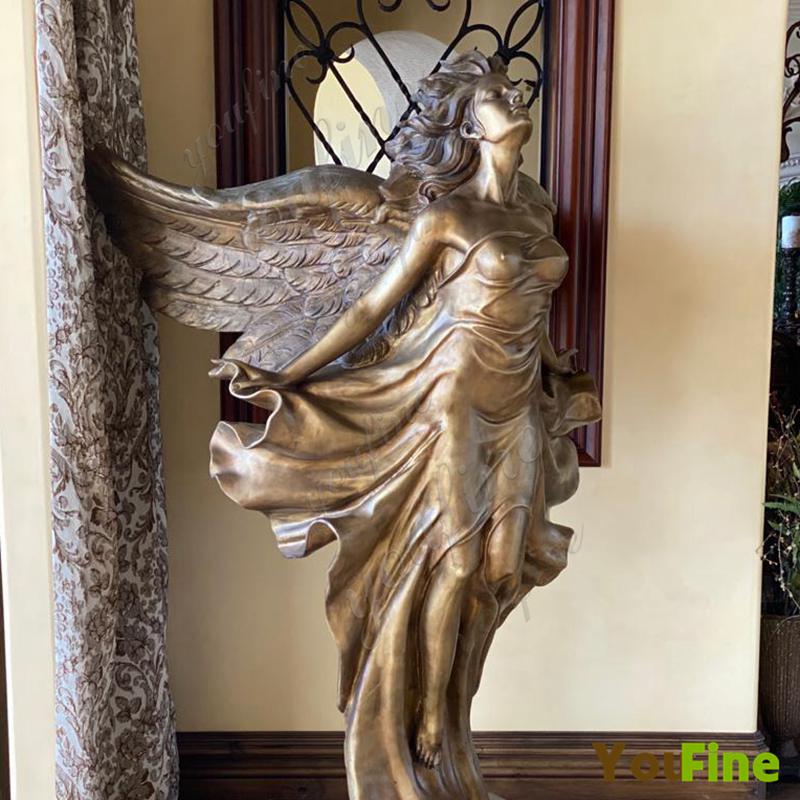
While bronze sculpture is sturdy, it is highly susceptible to chemical corrosion.
- Core Problem: The most fatal problem is bronze disease (powder corrosion caused by chlorides), which devours the metal like cancer; other issues include patina loss, casting cracks, and loosening of welds.
- Restoration Methods: Chemical stabilization treatments are used to stop corrosion, cracks are repaired through micro-welding, and a professional chemical coloring process is used to rebuild the patina. Finally, a microcrystalline wax protective layer is applied.
- Restoration Challenges: The challenge lies in determining the metal corrosion mechanism and achieving a unified surface texture. This requires the restorer to possess extensive metallurgical knowledge and exquisite color restoration techniques.
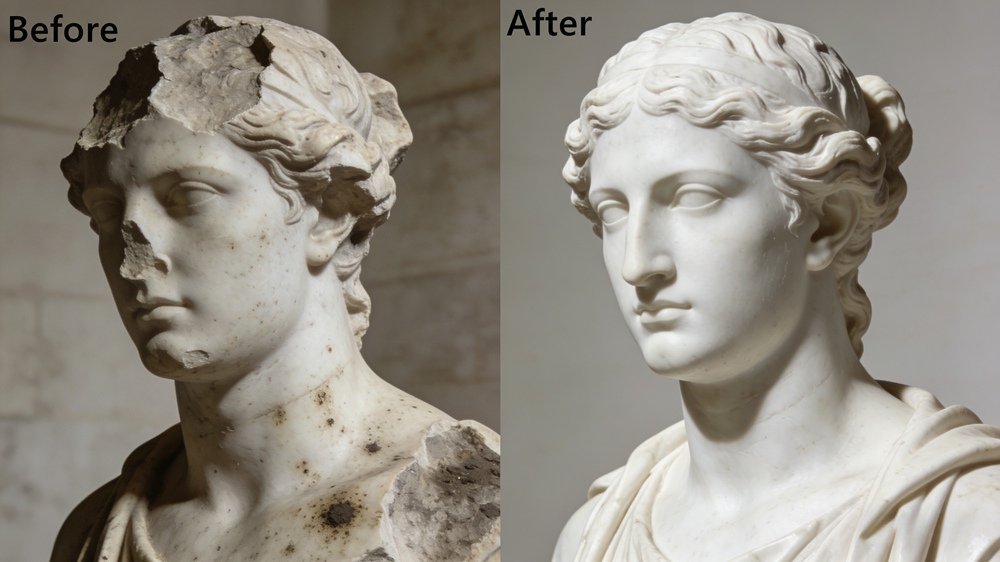
Marble Sculpture Restoration
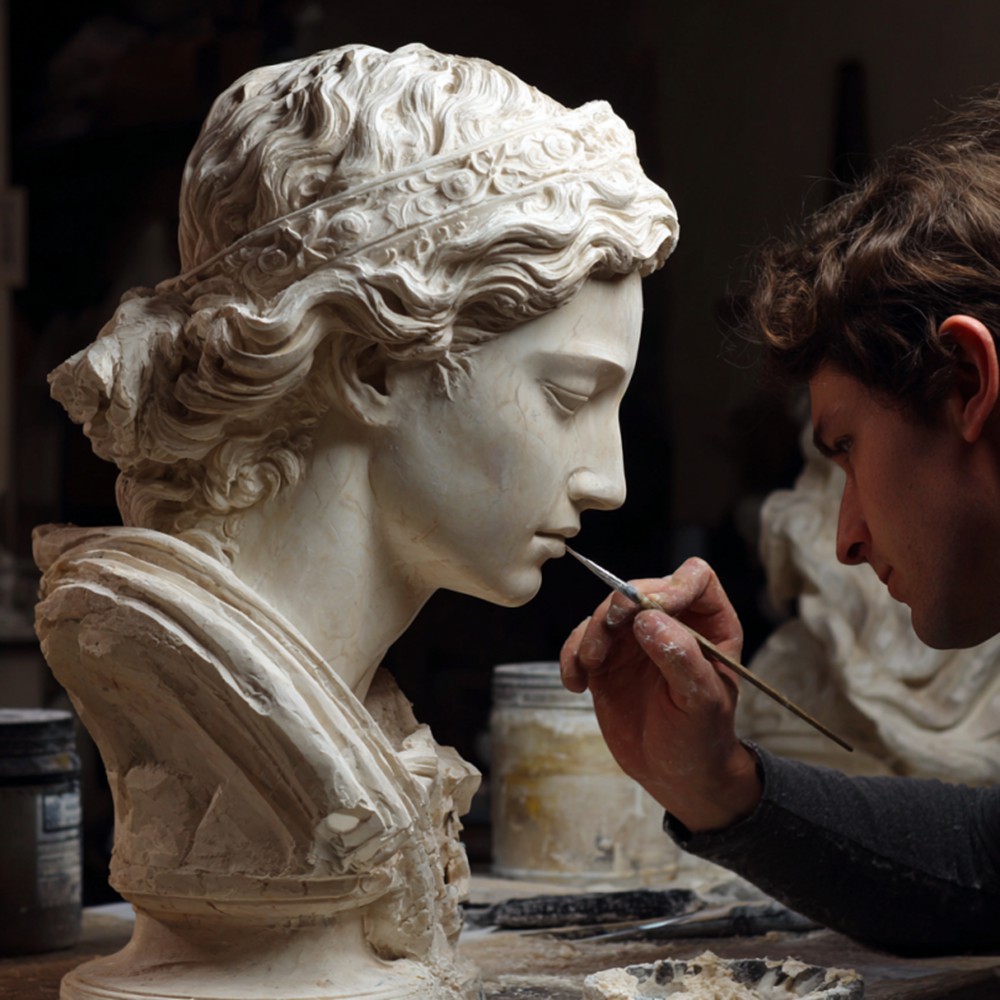
Marble sculpture possesses an elegant veins, but its physical properties are relatively fragile and extremely sensitive to the environment.
- Core Issue: Long-term outdoor placement leads to surface weathering, wear and tear on details, and even severe cracking. Furthermore, the adhesion of moss and other organisms can secrete acidic substances that erode the texture.
- Restoration Methods: Controlled cleaning to remove dirt; internal reinforcement with steel pins (embedded stakes) at the fracture points, combined with specialized adhesive filling; appropriate restoration of missing details.
- Restoration Challenges: The challenge lies in the irreversibility. Over-cleaning or improper polishing of marble will permanently damage its original natural texture and rustic feel.
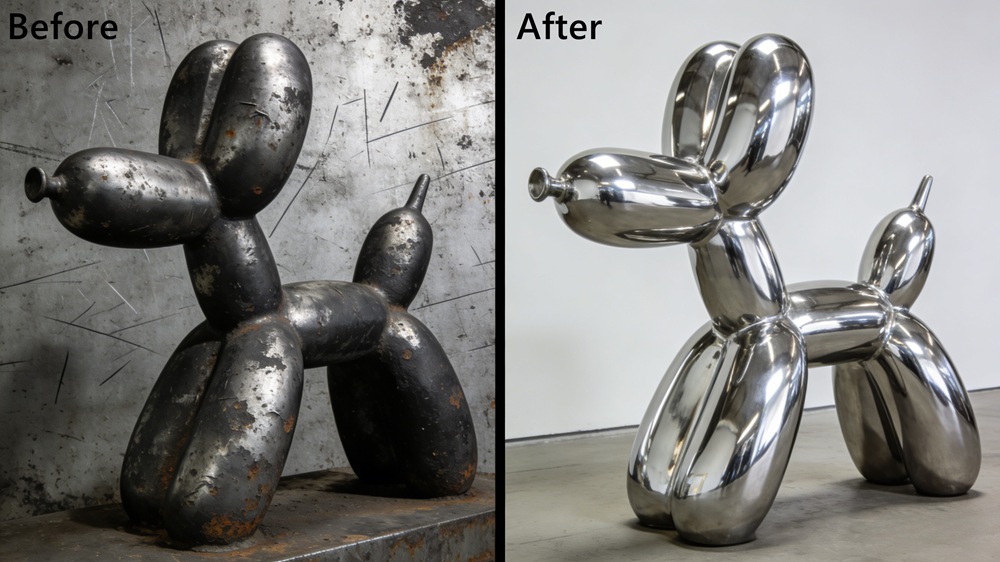
Stainless Steel Sculpture Restoration
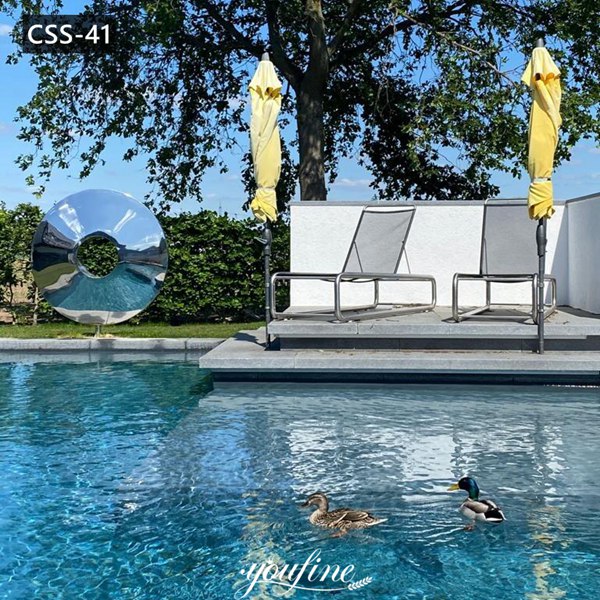
As a mainstay of modern public art, the focus of stainless steel sculpture restoration is on maintaining visual integrity.
- Core Issues: Common damage includes surface scratches, oxide spots, deformation caused by impacts, and cracks at weld seams.
- Restoration Methods: Scratches are removed through fine grinding and polishing; cracks are re-welded; and the surface is re-treated according to the original design (such as mirror restoration or brushed texture restoration).
- Restoration Challenges: The challenge lies in achieving surface consistency. Restoring mirror-finish stainless steel requires extremely high precision; even the slightest weld residue or uneven polishing will produce noticeable visual flaws under sunlight.
How Much Does it Cost to Restore a Sculpture?
Restoration prices depend on the extent of damage, the material, and the size of the sculpture. Below are some standard industry reference prices (in USD):
- Minor cleaning and rewaxing: $300 – $800. Suitable for small to medium-sized sculptures with a dull surface but intact structure.
- Medium crack repair and partial repainting: $1,500 – $4,500. Suitable for broken limbs or moderate oxidation.
- Large outdoor sculpture complete restoration: $5,000 – $15,000+. Involves scaffolding, sandblasting, complete Patina repainting, and a high-grade protective layer.
Note: For priceless museum artifacts, restoration costs may be calculated based on expert hours, and there is often no upper limit.
What are the Steps Involved in Sculpture Restoration?
While the process varies considerably from project to project, it typically includes the following steps:
- Step 1: Assessment and Recording: Detailed inspection, photographic documentation, structural analysis.
- Step 2: Cleaning: Removal of dirt, controlled chemical, or mechanical cleaning.
- Step 3: Structural Repair: Crack reinforcement, welding or pinning, adhesive repair.
- Step 4: Surface Treatment: Antiquing of bronze, polishing of stainless steel, and color correction of marble.
- Step 5: Protective Layer Treatment: Waxing, anti-corrosion coating, surface sealing.
In-depth Summary: Restoration or Repurchase?
For sculptures with historical significance, cultural relic value, or deep family sentiment, restoration is essential; they are carriers of cultural heritage.
However, for most sculptures in ordinary residences, commercial spaces, or public parks, our professional advice is: consider buying a high-quality replica.
Why?
- Cost-effectiveness: The cost of restoring a severely damaged sculpture often approaches 70%-100% of the price of a new piece.
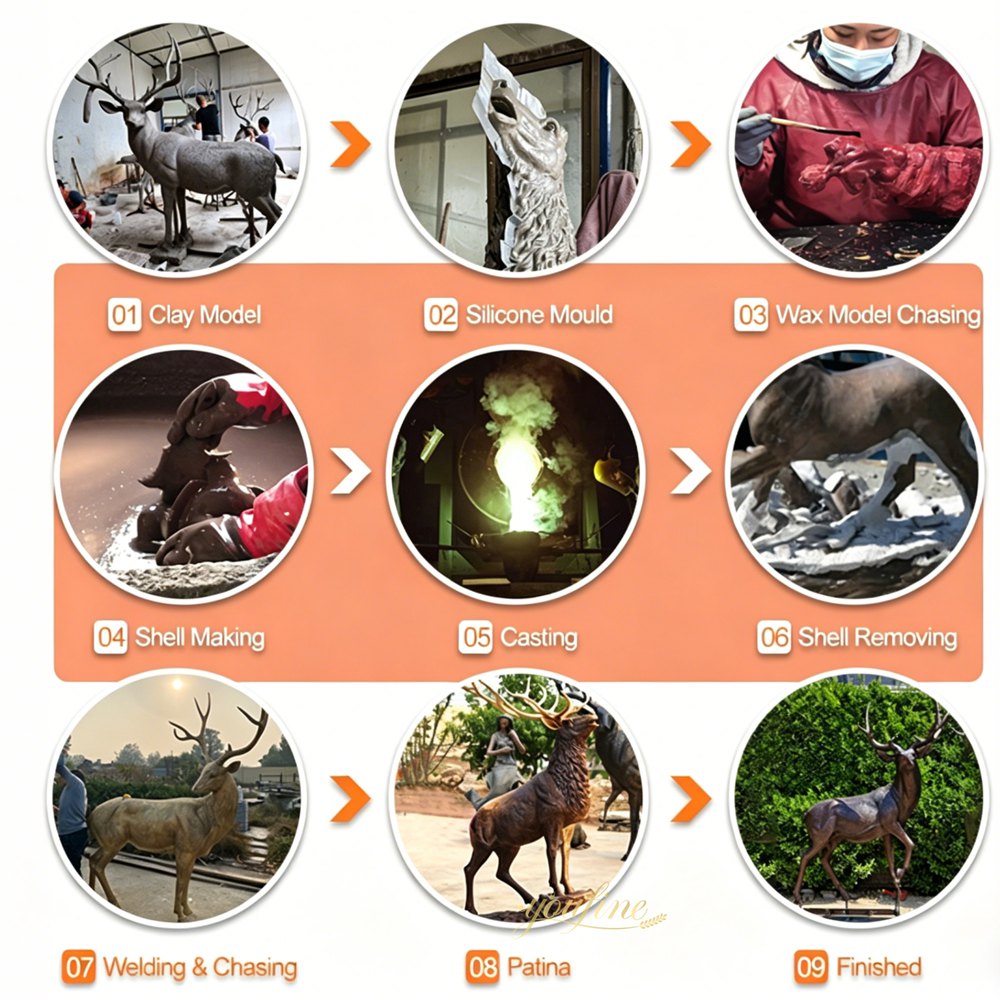
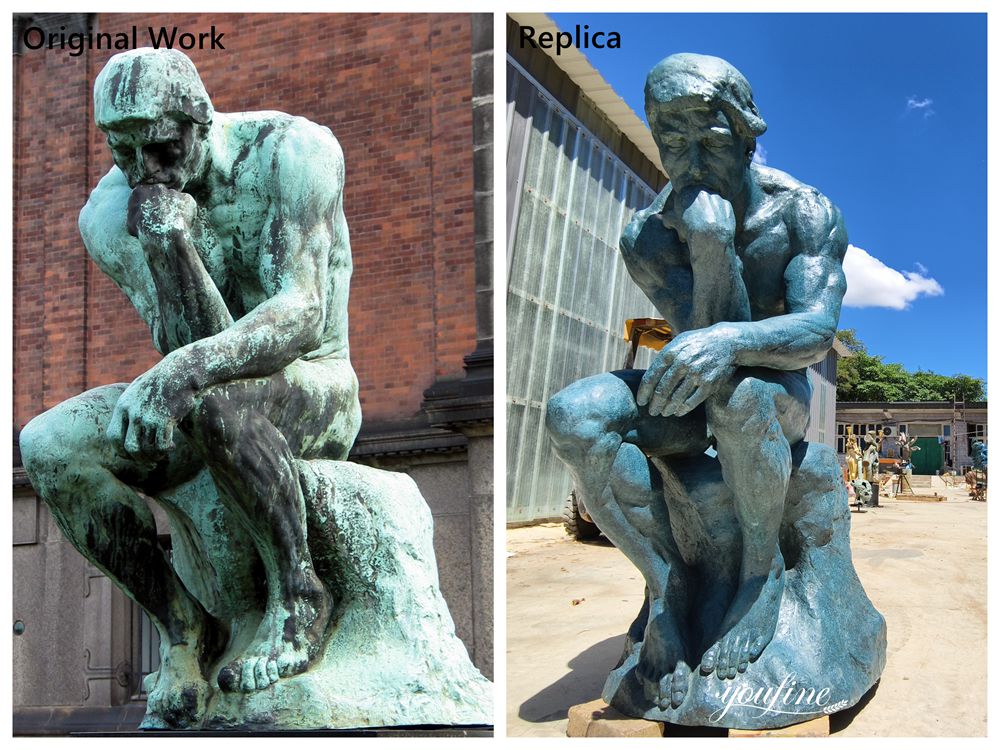
- Quality: Replicas utilize new processes (such as YouFine’s silica sol precision casting), fundamentally solving the problems of whitening and rusting, making them more weather-resistant than repaired pieces.
- Aesthetics: Replicas can 100% restore the original, perfect state of a masterpiece, eliminating the subtle traces left by restoration.
- Protecting cultural relics: The lifespan of works of art is finite. The highest standard for protecting cultural relics is not to forcibly leave the original outdoors to endure the elements, but to ensure that they receive proper protection and that high-quality replicas continue their glory. For example, the bronze Gates of Paradise currently on display outside the Baptistery in Florence are a replica, while the original has been properly preserved.
YouFine Art Sculpture Gallery, with 40 years of experience in sculpture reproduction, can provide you with museum-quality reproductions that are more cost-effective and of higher quality than restoration. Therefore, if you have any needs for sculpture replicas, please feel free to contact us directly. We look forward to cooperating with you.
FAQ:
What is the difference between sculpture maintenance, repair, and restoration?
Sculpture maintenance is preventative care; sculpture repair addresses localized damage; and sculpture restoration is a systematic and professional restoration of the overall structure and artistic value.
How long does sculpture repair take?
Small projects: 1–2 weeks
Large public sculptures: Several months
Will restoration affect the value of a sculpture?
Unprofessional restoration will reduce its value.
Professional and standardized restoration usually helps maintain or even enhance its value. Therefore, please seek help from a professional team for restoration.