Bronze is the most vibrant medium in the history of sculpture. From ancient civilizations thousands of years ago to modern city landmarks, bronze, with its unparalleled weather resistance, expressiveness, and metallic texture, has recorded every highlight of human civilization.
In this blog, we will take you through 12 of the world’s most famous bronze statues, exploring the artistic value and casting techniques behind these famous bronze sculptures, and analyzing the influence and status of these famous bronze artists in art history.
The Thinker – Auguste Rodin
As the soul of modern sculpture history, Rodin‘s The Thinker is almost synonymous with bronze art.
- Year of Creation: 1904 (Large Version)
- Brief Description: It is one of the most representative figures in modern sculpture, depicting a man lost in thought. Rodin, through powerful muscular lines, materializes abstract philosophical thought into a dynamic body language.
- Artistic Value: It is the ultimate celebration of humanity’s capacity for profound thought.
- Craftsmanship Highlights: Rodin preserved the texture of his fingerprints from the clay sculpting process. Through the lost-wax casting method, the interplay of light and shadow on the bronze surface perfectly conveys the tension of the muscles.

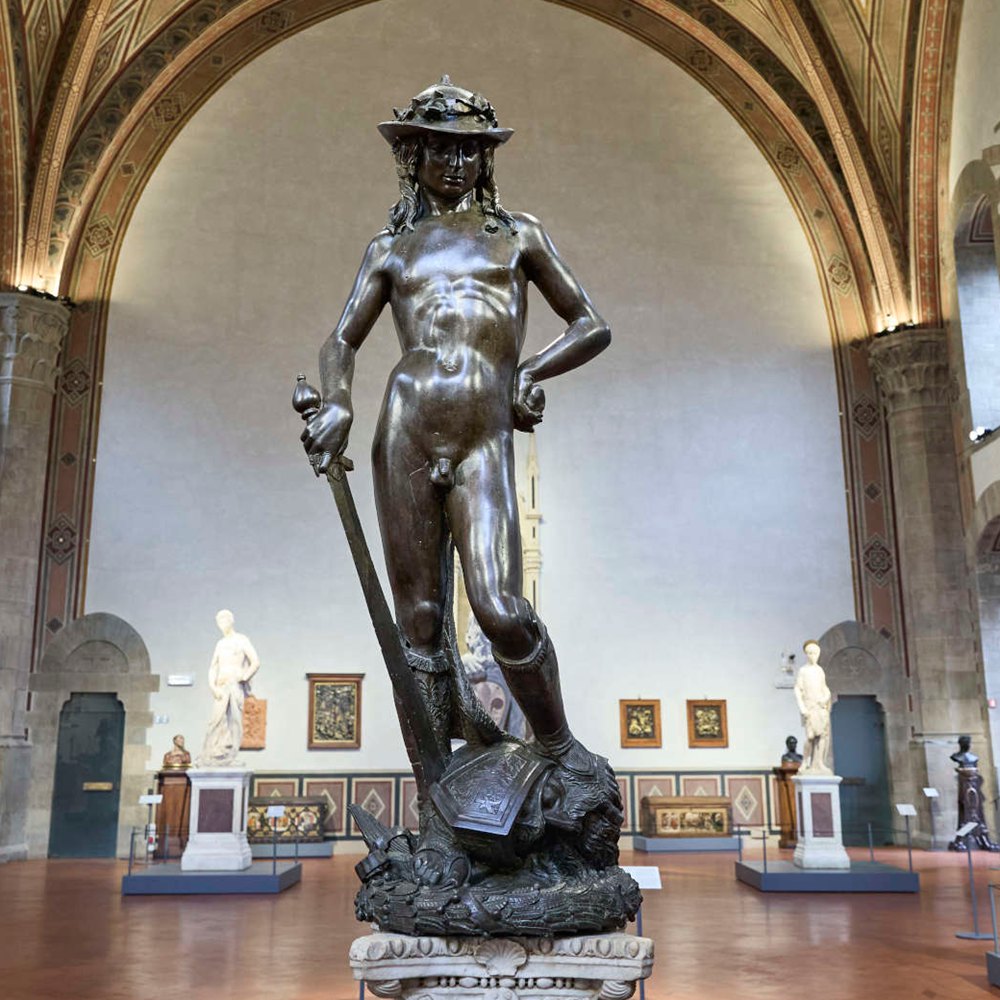
David – Donatello
This is the first independent bronze sculpture in the round from the early Renaissance.
- Year of Creation: circa 1440
- Brief Description: As the first independent bronze sculpture in the round from the Renaissance, it depicts the elegant posture of young David after his victory over Goliath. Its delicate metallic sheen perfectly expresses the softness of human skin.
- Artistic Value: It marks the revival of classical realism in Europe.
- Craftsmanship Highlights: The bronze surface is polished to a fine, skin-like finish, showcasing the extremely high level of polishing and patina techniques available at the time.
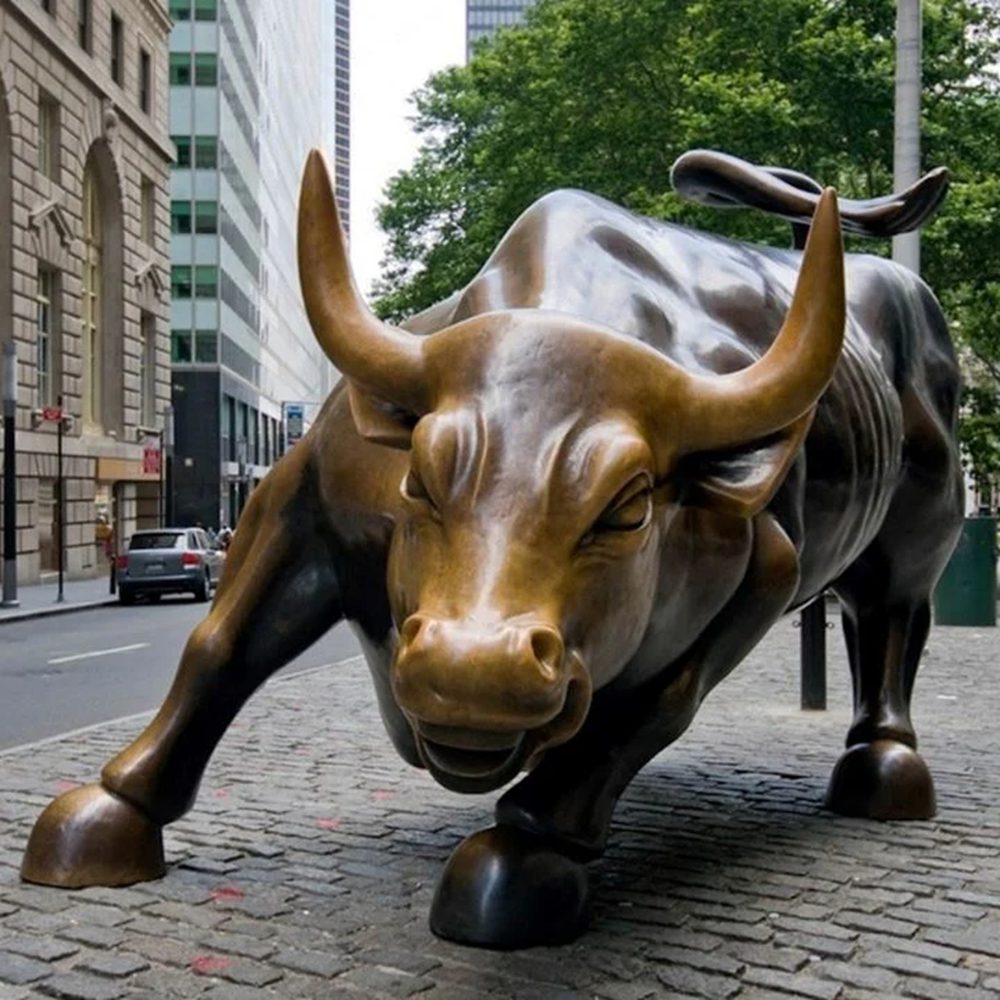
Charging Bull – Arturo Di Modica
This is perhaps the most successful and famous bronze statue in the business world, symbolizing power, optimism, and wealth.
- Year of Creation: 1989
- Brief Description: This magnificent 3.2-ton work is a symbol of wealth and power. Its bowed head, poised to pounce, vividly captures the optimistic spirit and tenacious vitality of a bull market.
- Artistic Value: It is a perfect combination of modern urban public art and economic culture.
- Craftsmanship Highlights: This large-scale, realistic bronze animal sculpture requires a precise structural framework and a modular casting and polishing process.
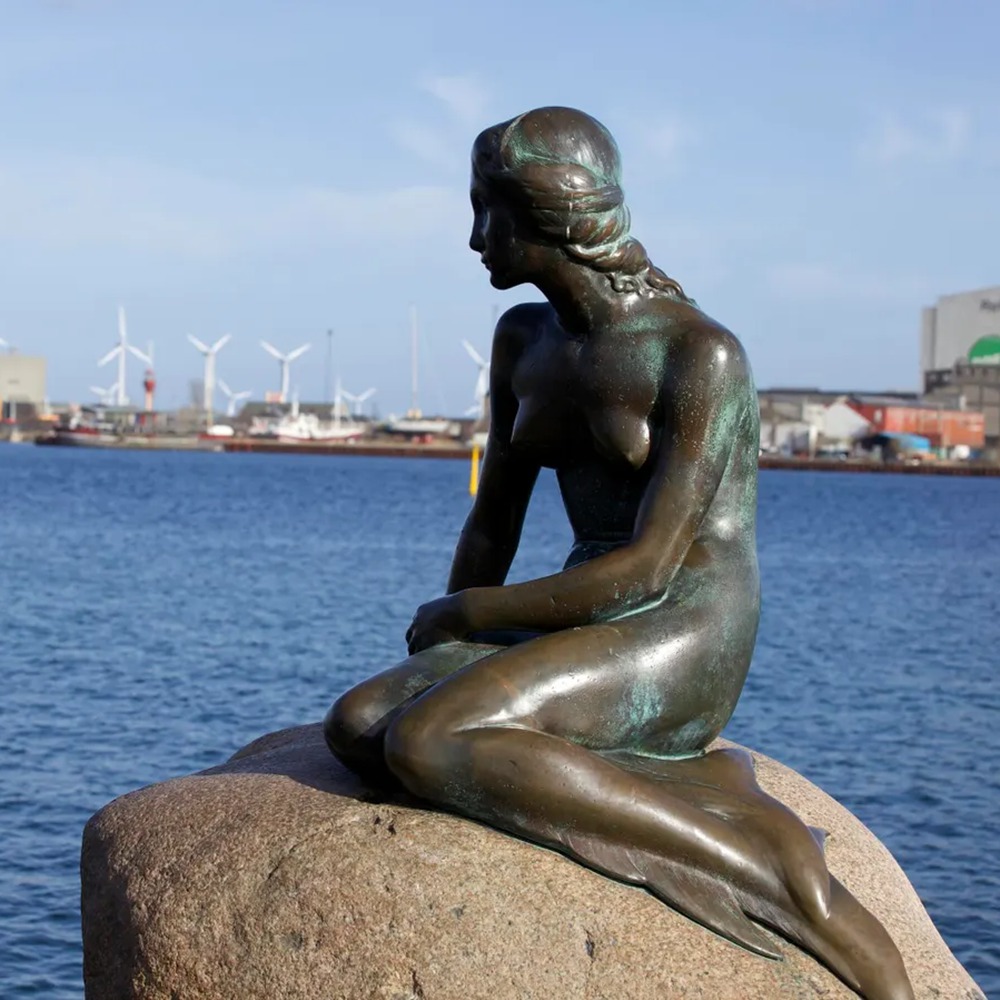
The Little Mermaid – Edvard Eriksen
Located on the Copenhagen seashore, it demonstrates the remarkable resilience of bronze in harsh natural environments.
- Year of Creation: 1913
- Brief Description: Inspired by Hans Christian Andersen’s fairy tale, this sculpture sits serenely on a sea rock in Copenhagen. It is a prime example of how bronze can evoke melancholy and tranquility, and has become a national symbol of Denmark.
- Craftsmanship Highlights: It shows how to treat the corrosion resistance and patina color of bronze in outdoor environments (even near water).
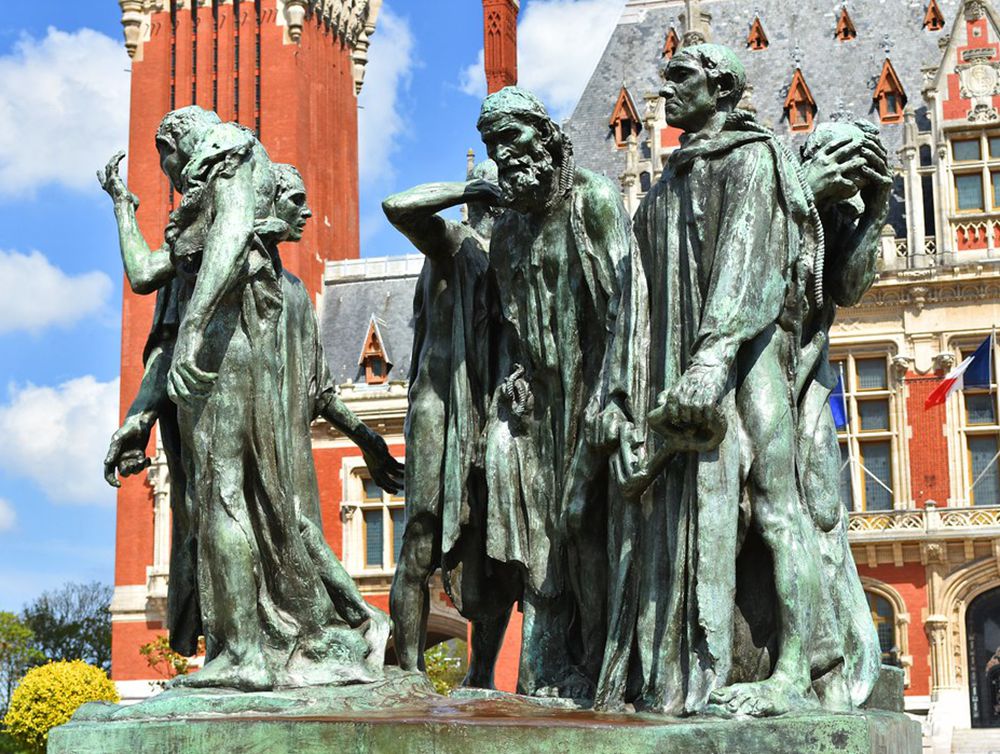
The Burghers of Calais – Auguste Rodin
This is a stunning group sculpture.
- Year of Creation: 1889
- Brief Description: This is a group sculpture of six heroes, depicting sacrifice and heroism. Rodin broke away from traditional monumental compositions, imbuing each figure with an extremely realistic expression of pain and compassion.
- Craftsmanship Highlights: The six life-size figures, each with distinct postures, demonstrate how to balance the overall structure and individual emotions within a large-scale bronze work.
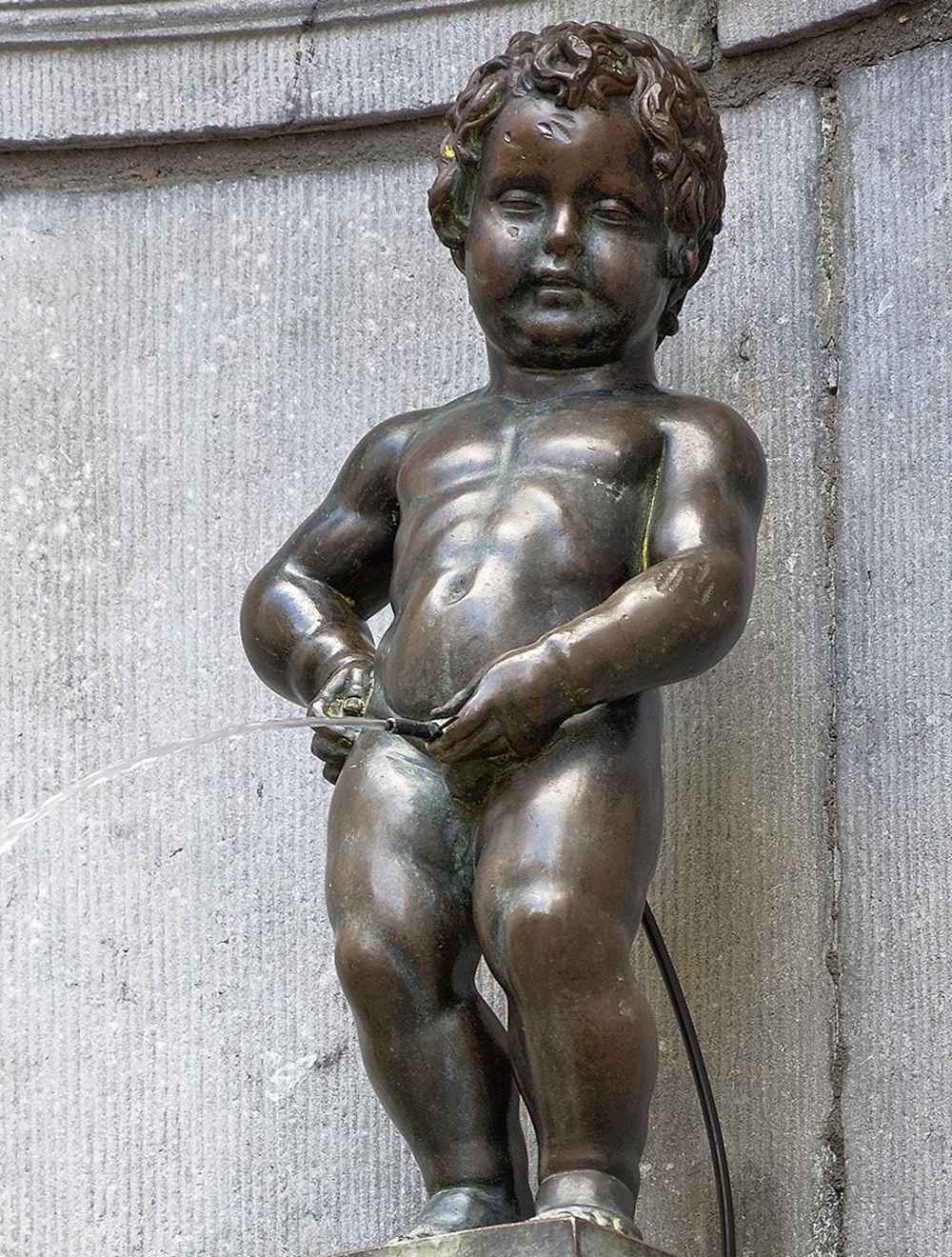
Manneken Pis – Hieronymus Duquesnoy the Elder
This small piece is a classic example frequently referenced in landscape fountain sculptures worldwide.
- Year of Creation: 1619
- Brief Description: Despite its small size, it is one of the world’s most famous whimsical fountains. This work showcases the humorous side of bronze art and is a classic microcosm of European urban public landscape design.
- Craftsmanship Highlights: Showcasing the exquisite craftsmanship of small bronze pieces and the integration of fountain functions.
Marine Corps War Memorial
Based on a famous photograph, this is the pinnacle of realist sculpture.
- Year of Creation: 1954
- Brief Description: This massive bronze sculpture group recreates an iconic moment from World War II. Its precise depiction of soldiers’ movements, clothing details, and the dynamics of the flag showcases the pinnacle of realist casting techniques.
- Craftsmanship Highlights: Showcasing extremely complex motion capture, harmonious proportions of multiple figures, and casting techniques for grand narratives.

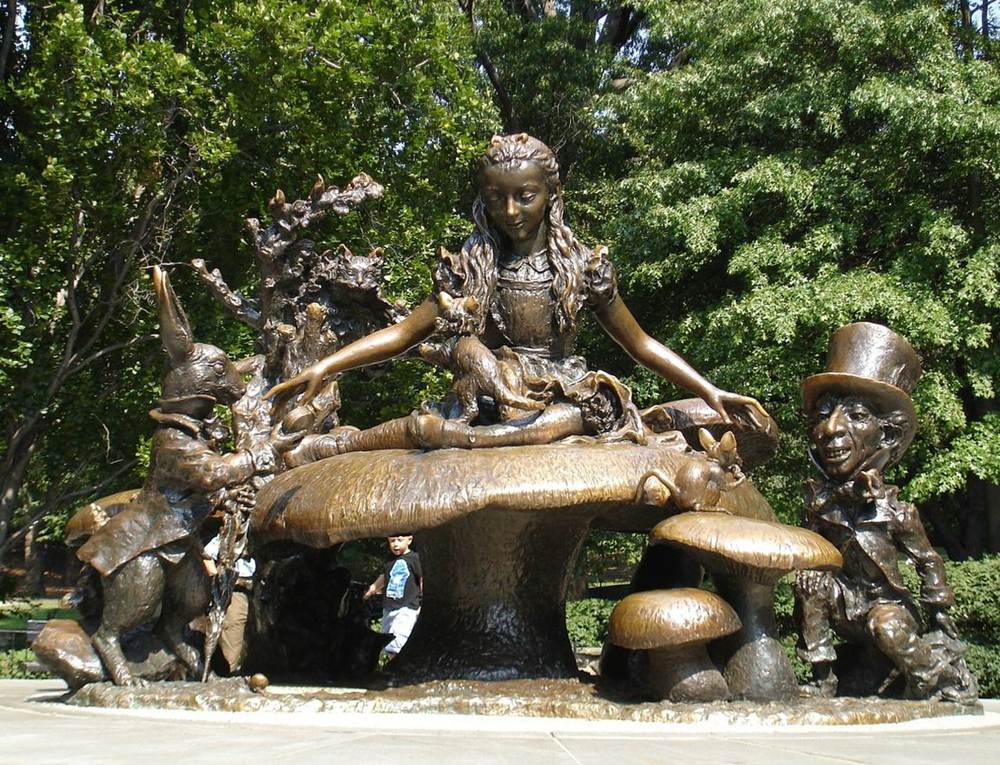
Alice in Wonderland Statue – George Creed
Located in Central Park, New York City, this is a highly interactive landscape art piece.
- Year of Creation: 1959
- Brief Description: This interactive sculpture in Central Park is beloved by children. It combines fairytale characters with giant mushrooms, demonstrating the flexibility of bronze in creating complex, narrative landscapes.
- Craftsmanship Highlights: Demonstrating comprehensive casting capabilities for combining multiple elements (Alice, the rabbit, and the mushroom).
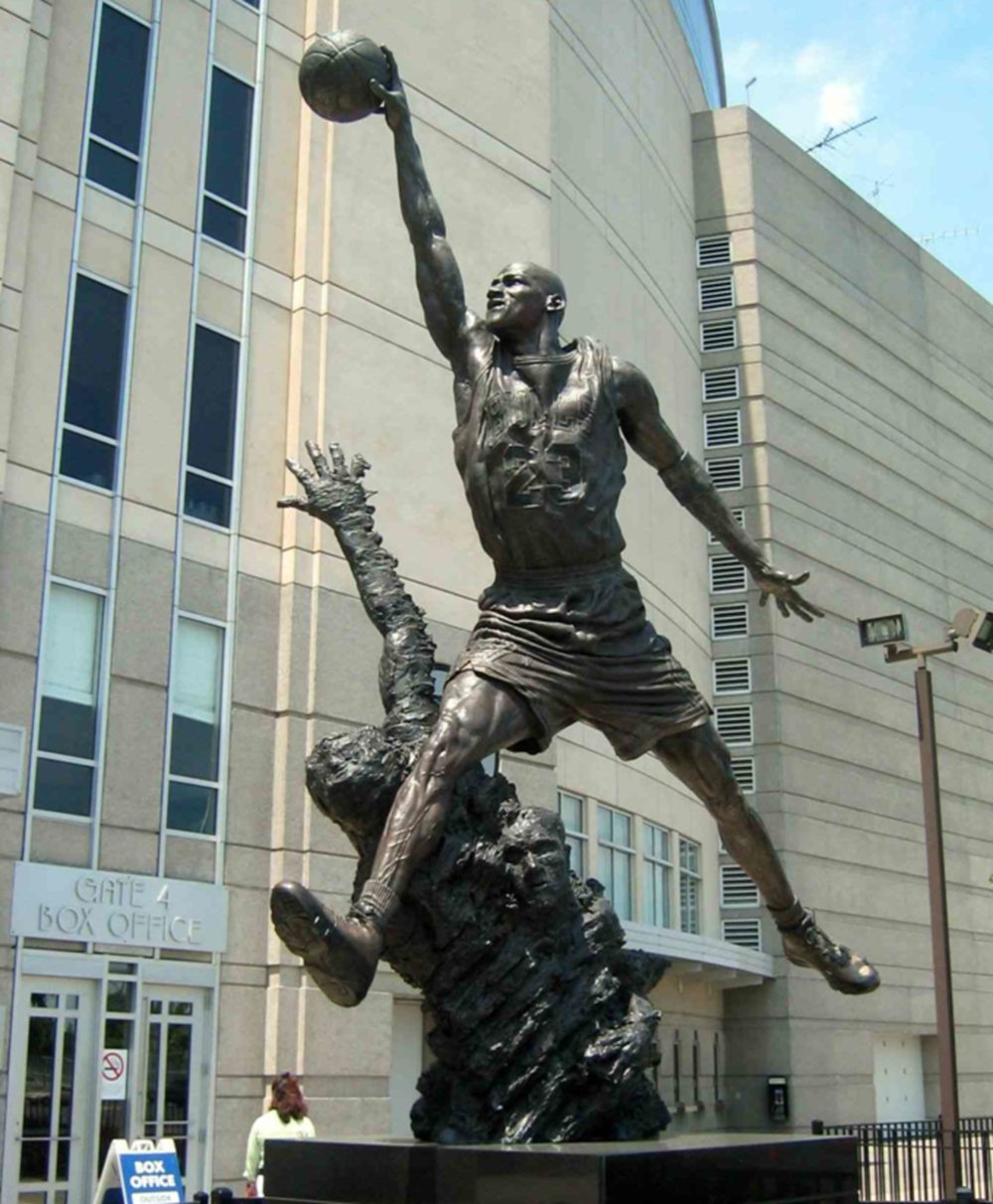
Michael Jordan Statue (The Spirit) – Omri Amrany
As a contemporary representative of famous bronze artists, the artist captures Jordan’s moment of flight through a suspended structure.
- Year of Creation: 1994
- Brief Description: This sculpture captures the iconic moment of Michael Jordan leaping to dunk. Supported by bronze, the suspended body successfully conveys the athlete’s speed and the beauty of defying gravity.
- Craftsmanship Highlights: Showcasing realistic facial portraiture and the stability of suspended structures.
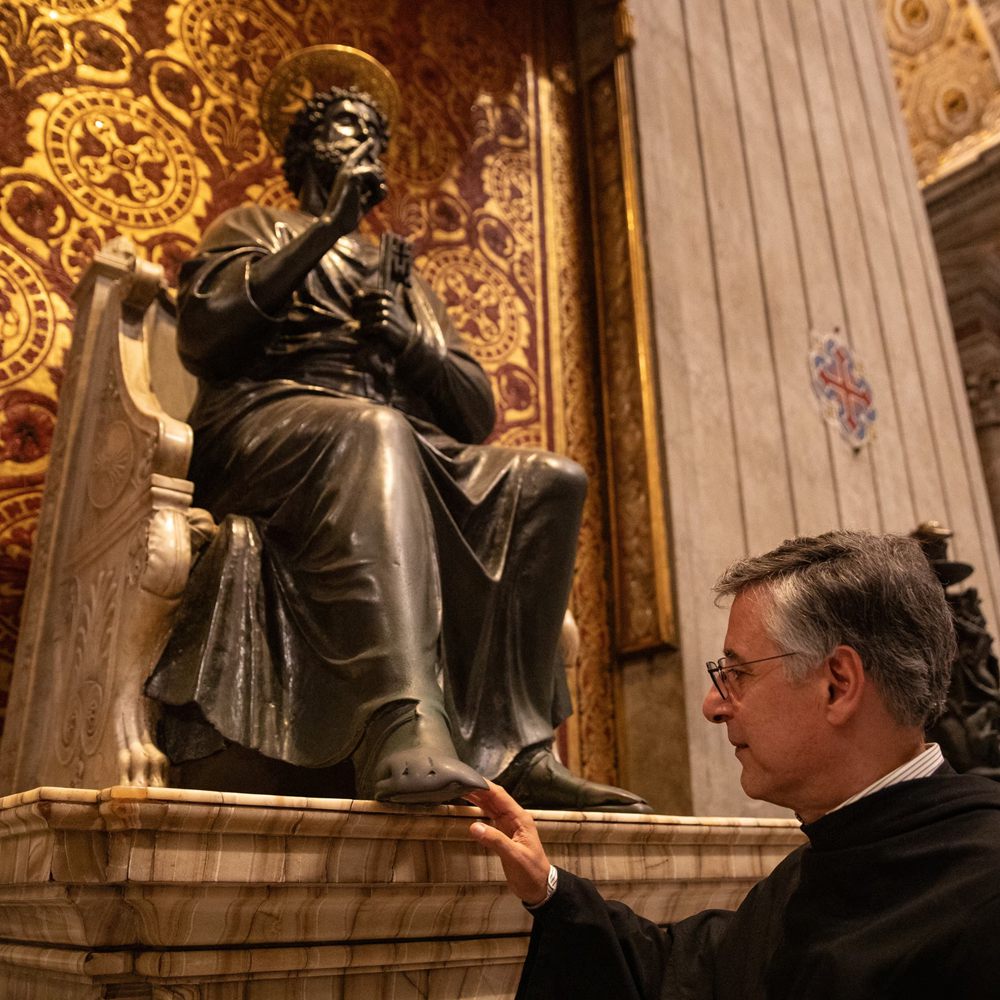
Statue of St. Peter – St. Peter’s Basilica
The feet of this medieval work have been worn smooth by the kisses of devotees.
- Year of Creation: Circa 13th century
- Brief Description: Located in the Vatican Basilica, St. Peter sits enthroned. After hundreds of years of touching by believers, the bronze right foot has been worn smooth, a mark of time that lends the sculpture a deeper humanistic dimension.
- Craftsmanship Highlights: Demonstrating how to replicate the rich, antique patina of ancient bronzes.
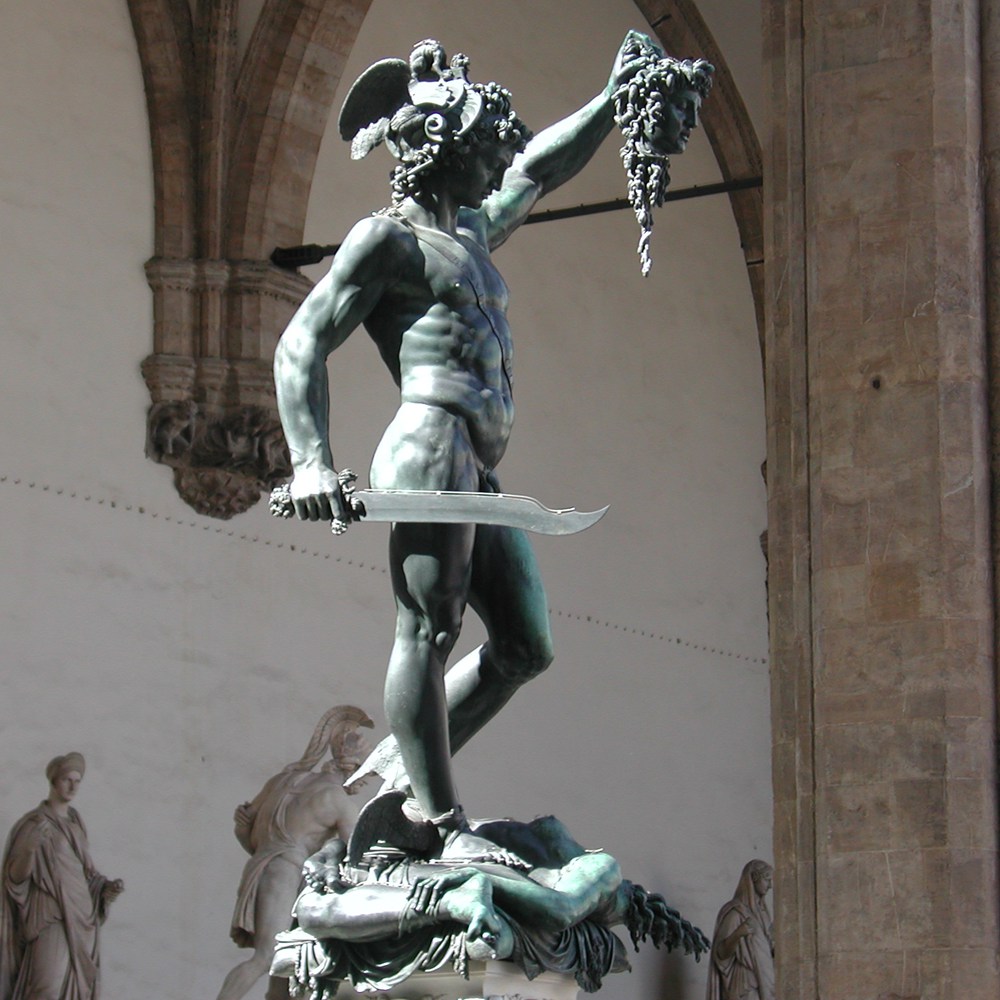
Perseus with the Head of Medusa – Benvenuto Cellini
- Year of Creation: 1554
- Brief Description: This is one of the most exquisite castings of the Late Renaissance. The figure of Perseus holding Medusa’s head aloft is extremely complex, showcasing the artist’s masterful control over the intricate decorative textures of bronze.
- Technological Highlights: Benvenuto Cellini tackled the extremely challenging task of layered casting with exquisite detail, making this a representative work of art deco bronze.
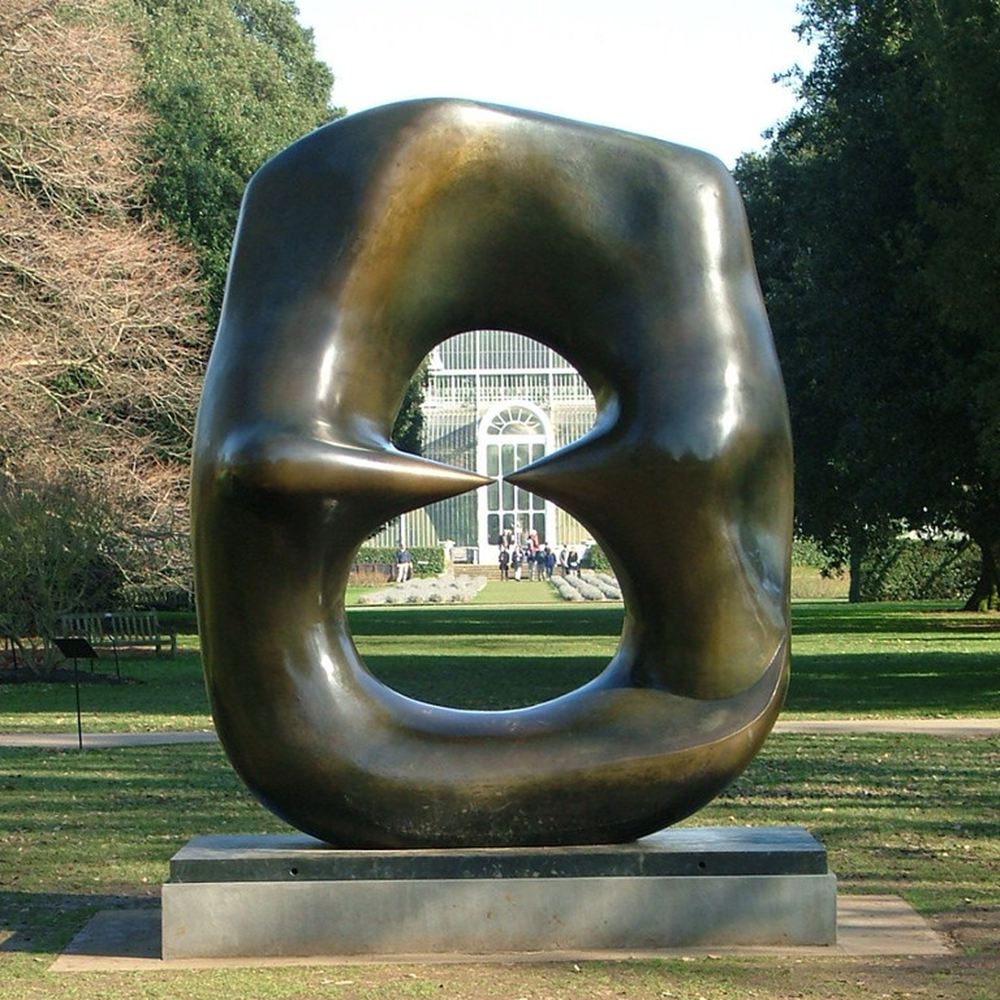
Oval with Points – Henry Moore
Represents a leap forward in modern sculpture towards abstract forms.
- Year of Creation: 1968
- Brief Description: As a pinnacle of modern abstract sculpture, it explores the connection between the internal voids of the form and the external space. The flowing curves and sharp contact points imbue the hard bronze with an organic sense of life.
- Craftsmanship Highlights: Showcases the smooth treatment of large abstract geometric shapes and the design expression of “spatial openings.”
Comparison of Famous Bronze Sculptors
| Artist | Period | Representative Works | Influence / Status |
|---|---|---|---|
| Donatello | Renaissance | David | Pioneer of Renaissance bronze sculpture |
| Benvenuto Cellini | Renaissance | Perseus with the Head of Medusa | Master of technical bronze casting |
| Auguste Rodin | 19th Century | The Thinker, The Burghers of Calais | Founder of modern sculpture |
| Henry Moore | 20th Century | Oval with Points | Leader of modern abstract sculpture |
| Arturo Di Modica | Contemporary | Charging Bull | Public art and financial symbolism |
These famous bronze sculptures artists shaped sculpture history across centuries, from classical realism to abstract modernism.
Where to Buy Famous Bronze Sculpture Replicas?
If you’re looking for a masterpiece of bronze sculpture for a commercial property, city square, or private garden, choosing a foundry with a strong foundation in casting is crucial.
YouFine Art Sculpture Gallery’s advantages:
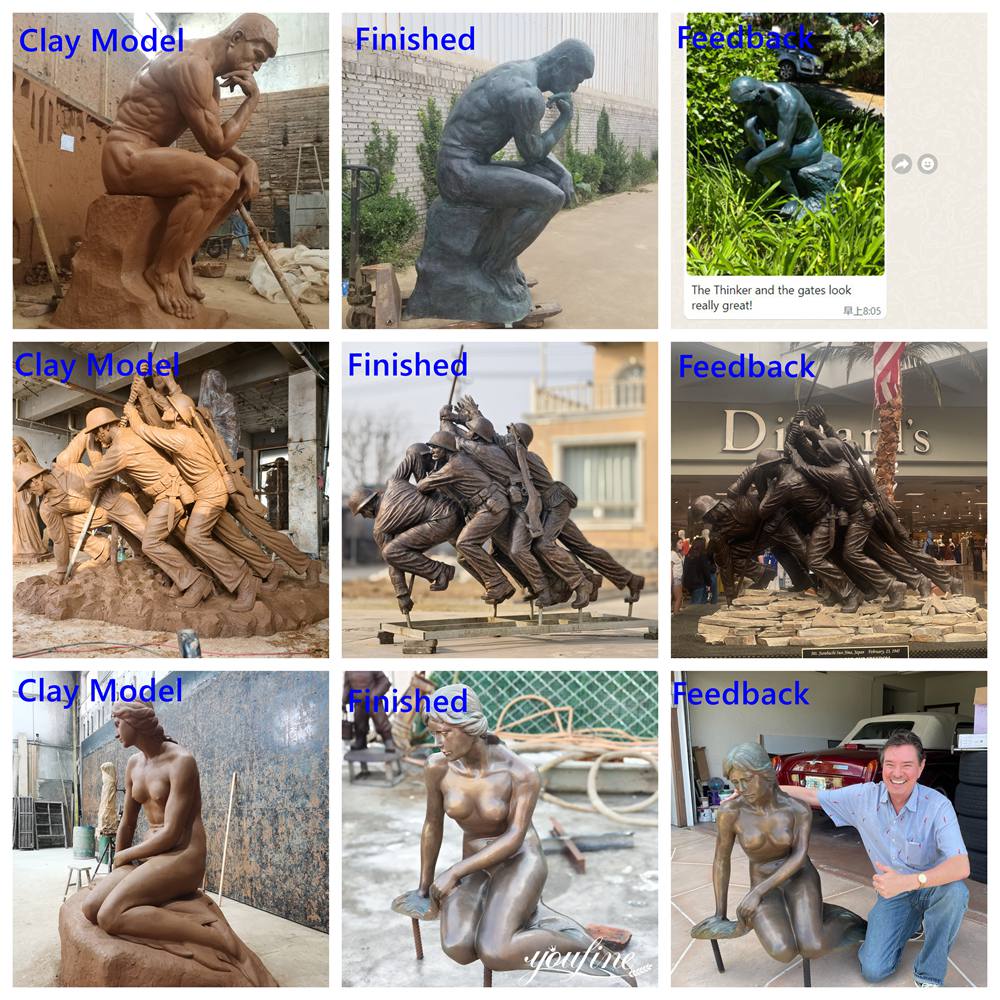
- 1:1 Precise Reproduction: Our artists, with 40 years of experience, use clay models to accurately recreate the spirit of the original.
- Lost-Wax Casting: We adhere to the ancient lost-wax casting process, maintaining strict standards at every stage to ensure every detail (such as muscles and clothing folds) is clearly visible.
- Custom Patina: Our team of artists is proficient in various colors and can customize a range of colors for you, from vintage green to modern black, guaranteeing even, natural, and long-lasting colors.
- Custom Sizes: Our foundry can perfectly reproduce the original and can also customize life-size, large, and extra-large sizes to meet your needs.
- Global One-Stop Service: In addition to casting, we also provide professional services such as design, packaging, shipping, and installation.
Therefore, if you have any requirements, please feel free to contact us directly. We look forward to cooperating with you. To show our sincerity, we will also offer you a special discount.
Conclusion
From Renaissance masterpieces to modern public landmarks, these most famous bronze sculptures showcase the timeless allure of bronze. Whether symbolizing faith, heroism, philosophical reflection, or financial power, bronze sculptures have always held a significant place in public spaces worldwide.
FAQ
Who is the most famous bronze sculptor in history?
A: While history is rich with talented individuals, Auguste Rodin is generally considered the most famous bronze artist to have made the greatest contribution to modern bronze art.
How to identify a high-quality bronze replica?
A: Observe the fineness of the surface (presence of pores), the polishing at the seams, and the naturalness of the patina. High-quality replicas typically use high-purity bronze rather than inexpensive alloys.
How long can modern bronze sculptures last?
A: Bronze has extremely strong corrosion resistance; if properly maintained, its lifespan can reach hundreds or even thousands of years.