Bronze sculptures are valued for their durability, artistic detail, and long-term investment potential. However, many buyers struggle to tell whether a statue is real bronze or a cheaper imitation made from resin, zinc alloy, or bronze-plated.
If you’re planning to buy, collect, or evaluate a sculpture, knowing how to identify real bronze can help you avoid costly mistakes.
Based on over 10 years of industry experience, combined with real customer cases and communication with senior artists in the factory, I have compiled the following practical guide. In this guide, you’ll learn:
- 10 proven ways to identify real bronze
- How to spot fake bronze statues
- How to estimate the age of a bronze sculpture
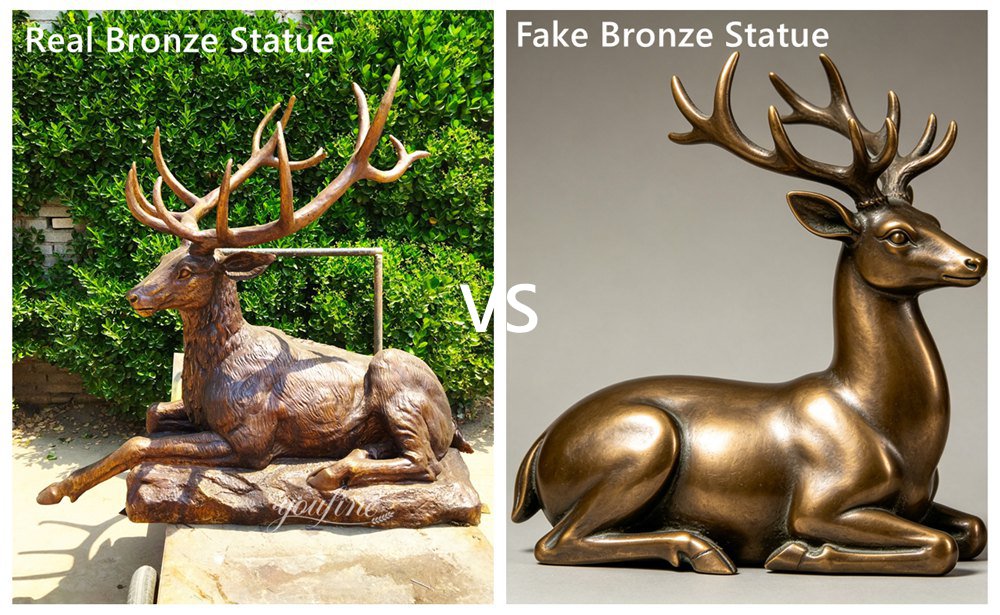
10 Proven Ways to Tell If a Statue Is Bronze
-
Weight Test (Density Check)
Real bronze is a dense metal alloy, meaning it feels significantly heavier than materials like resin or zinc alloy.
- What to do: If it is a small statue, hold the statue and compare its weight to its size
- Real bronze: Feels solid, heavy, and substantial
- Fake bronze: Feels light, hollow, or “empty.”
Note: Even hollow bronze statues (common in large sculptures) still feel heavier than resin or plated bronze.
-
Magnet Test (Quick Elimination Test)
Bronze is a non-ferrous metal, so it does not attract magnets.
- What to do: Place a small magnet against the surface
- Real bronze: No attraction at all
- Fake bronze: Magnetic reaction (likely iron or steel core)
Note: Some fakes are non-magnetic (like resin or zinc), so this test should be combined with others.
-
Sound Test (Tap Test)
One of the most effective and simple methods.
- What to do: Lightly tap the statue with a metal object (like a key)
- Real bronze: Produces a clear, bell-like ringing sound that lingers
- Fake bronze: Produces a dull, flat, or hollow sound
Note: This works because bronze has excellent acoustic resonance.
-
Scratch Test (Hidden Area Only)
This test reveals the true material beneath the surface.
- What to do: Gently scratch a hidden area (bottom or back)
- Real bronze: Reddish-brown or warm golden metal underneath
- Brass: Bright yellow
- Fake (zinc/resin): Grey, silver, or different core material
Note: Only perform this on non-visible areas to avoid damage.
-
Patina Inspection (Natural, Chemical & Fake Finish) ⭐
Patina is the surface color on bronze. It can form naturally over time or be applied intentionally using chemical treatments. Both are common in real bronze sculptures.
Real Bronze (Natural or Chemical Patina)
- Color looks layered and slightly varied, not perfectly uniform
- Green, brown, or dark tones blend naturally into the surface
- The finish feels like it is part of the metal, not just a coating
Important: Chemical patina is still real bronze finishing, not fake.
Fake Bronze (Painted or Coated Surface)
- Color looks too uniform or artificial
- May look like paint or spray coating
- Can chip or wear off, revealing a different base material
Note: Please do not judge authenticity by patina alone. Always combine this test with weight, sound, and material checks.
-
Detail Quality (Craftsmanship Test)
Bronze captures extremely fine details when cast properly.
Check areas like:
- Hair strands
- Facial expressions
- Fingers and toes
Real bronze: Sharp, crisp, highly defined
Fake bronze: Soft, blurred, or “melted” appearance
Note: Poor detail often indicates low-cost casting or non-bronze materials.
-
Casting Method & Seams (Manufacturing Clues)
Most real bronze statues are made using the lost-wax casting method.
Real bronze:
- Subtle, hand-finished seams
- Slight irregularities in craftsmanship
Fake bronze:
- Obvious mold lines
- Thick, rough seams
- Mass-produced look
Note: If seams look too perfect or too rough, it’s a red flag.
-
Interior Inspection (If Accessible)
If the base is open or visible, check inside.
Real bronze:
- Rough interior surface
- Same color family as exterior (brown/green tones)
Fake bronze:
- Different materials inside (grey, white, plastic)
- Thin outer coating only
Note: This is one of the most decisive tests when possible.
-
Temperature Test (Thermal Conductivity)
Metal behaves differently from resin or plastic.
- What to do: Touch the statue’s surface
- Real bronze: Feels cool initially and warms slowly
- Fake bronze: Feels closer to room temperature
Note: This is a subtle but useful supporting test.
-
Signature & Foundry Marks (Authentication Clues)
Authentic bronze statues often include identifying marks.
Look for:
- Artist signature
- Edition numbers (e.g., 5/20)
- Foundry stamps
Real bronze: Often includes at least one of these
Fake bronze: Missing, poorly engraved, or copied marks
Note: Marks alone do not guarantee authenticity; some foundries may not leave special marks on the products during the manufacturing process to meet the customers’ requirements. They must match craftsmanship quality.
Important Note:
Please do not draw definitive conclusions based on a single test alone. The most accurate method for authenticating valuable bronze sculptures involves a comprehensive assessment utilizing multiple testing techniques: Weight + Sound + Patina + Details. If all these indicators align, it is probably a genuine bronze sculpture.
Quick Comparison Table (Real vs Fake Bronze Statue)
| Feature | Real Bronze | Fake Bronze |
|---|---|---|
| Weight | Heavy, dense | Light |
| Magnet | Not magnetic | May attract |
| Sound | Clear ringing | Dull, hollow |
| Surface | Natural patina | Painted or uniform |
| Detail | Sharp and refined | Soft or blurred |
| Color under scratch | Reddish-gold | Yellow or silver |
| Temperature | Cool to touch | Neutral/warm |
| Seams | Subtle, hand-finished | Obvious mold lines |
What is a Genuine Bronze Sculpture?
A bronze sculpture is a work of art composed of an alloy of copper and tin, or an alloy of copper and silicon. The copper content typically ranges between 83% and 95%, and the sculptures are primarily cast using the lost-wax method.
This process results in sculptures with vivid details, natural coloring, and exceptional durability for outdoor display. For specific details on the manufacturing process, please refer to our article: “How Are Bronze Sculptures Made?”
What is a Fake Bronze Sculpture?
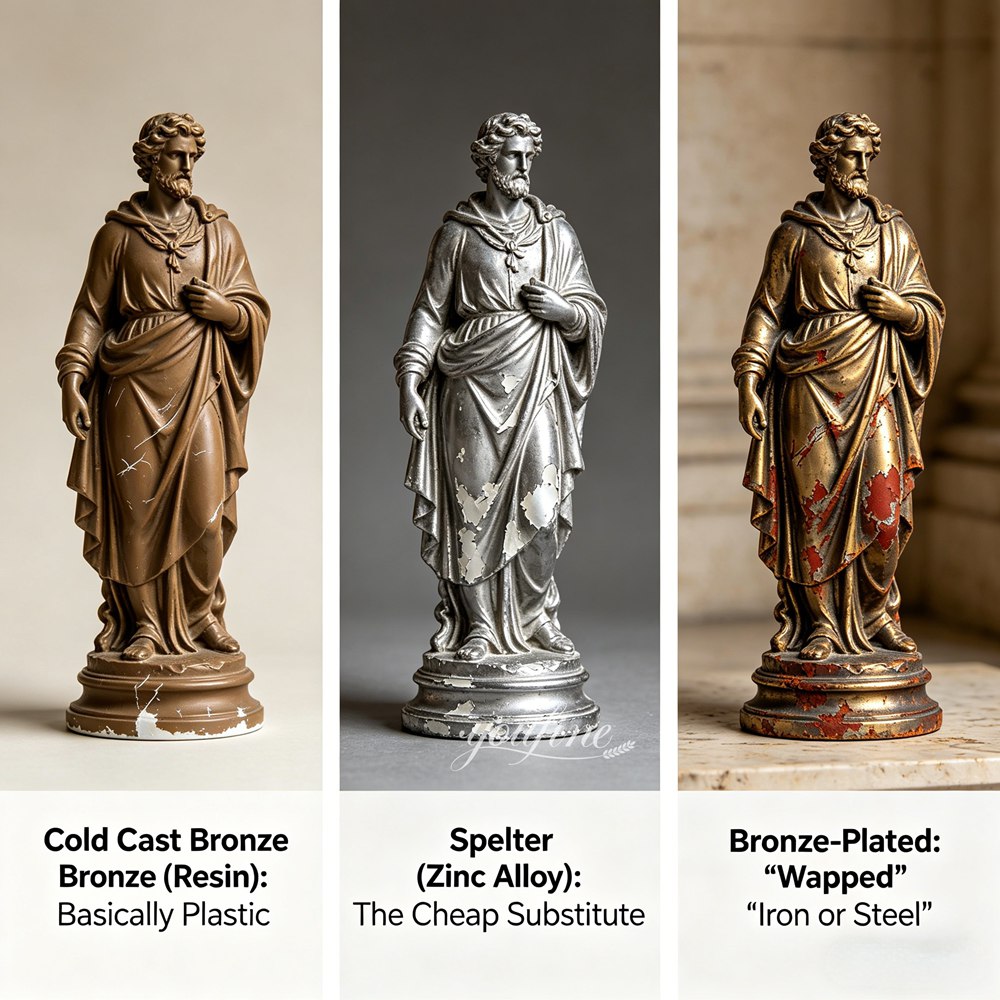
The essence of a fake bronze sculpture lies in its “imitation of material and appearance”; the object itself contains no bronze, or only a negligible amount of copper. Currently, there are 3 main types of fake bronze sculptures found on the market:
-
Cold Cast Bronze (Resin): Basically Plastic
This is a resin (plastic) statue mixed with a thin layer of bronze powder on the surface.
- The Look: The color often looks flat and “fake.” It lacks the deep, rich layers of real metal.
- The Flaw: It feels warm to the touch. If it gets scratched, you will see white or grey plastic underneath. It is also very light and easy to carry.
-
Spelter (Zinc Alloy): The Cheap Substitute
A mix of zinc and lead, usually painted to look like bronze.
- The Look: It lacks the warm, glowing shine of real bronze and often looks dull.
- The Flaw: It is very brittle (it breaks like a ceramic plate if dropped). Over time, the paint often flakes off, revealing a silvery-white metal inside.
-
Bronze-Plated: “Wrapped” Iron or Steel
These have a cheap iron or steel core with a paper-thin layer of real bronze on the outside.
- The Look: It looks very real at first, but the secret is hidden inside.
- The Flaw: Magnetic. If a magnet sticks to the statue, it’s iron, not bronze. Also, if the surface is scratched, it will produce red rust, which never happens to real bronze.
Real vs Fake Bronze Statue (Small Test)
I downloaded a very common Buddha head sculpture online. Just by looking at this photo, can you tell if it’s a real bronze sculpture or a fake one? Take 30 seconds to think.
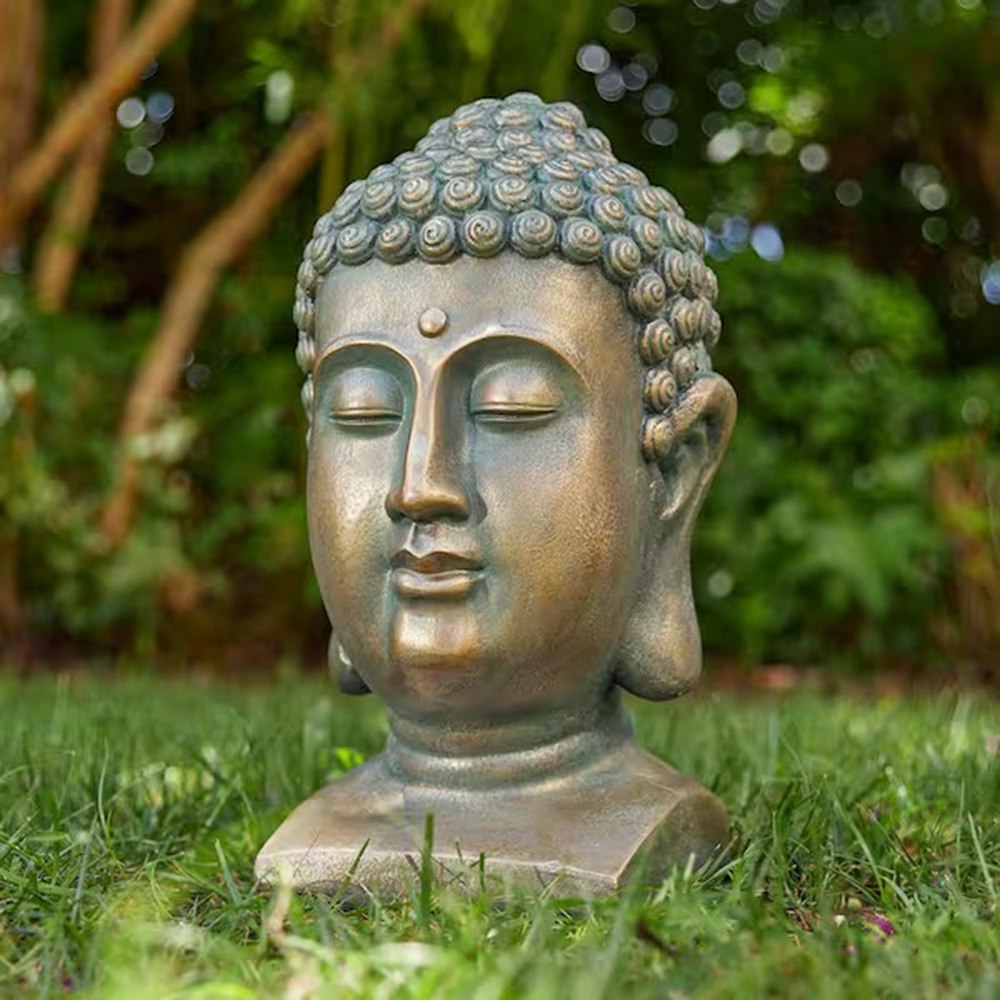
The answer: It’s a fake bronze sculpture.
This is a resin sculpture made to look like bronze. From the image, we can see several clear signs:
- The surface is too smooth and uniform, with no natural texture or detail that real bronze would have from casting and oxidation.
- The “bronze” color and green patina look flat and painted on, with no strong, layered effect like real bronze patina.
- The whole sculpture has a plastic or foam-like feel, lacking the solid weight and metallic luster of real bronze.
How to Tell the Age of a Bronze Statue: 4 Fast Clues
Generally speaking, the older a bronze sculpture is, the more valuable it will be. Determining the age of a bronze sculpture requires a keen eye for detail. Here are the four core elements expert appraisers look for:
-
The Patina (Layering)
- Antique: A genuine patina is the result of decades of natural oxidation. It is multi-layered and uneven, showing a rich mix of greens, browns, and blacks.
- Modern: Chemically aged pieces often look too uniform. The color usually appears to be “sitting on the surface” like paint, lacking depth and transparency.
-
Foundry Marks & Signatures
- Look for Stamps: Check the edges of the base. Famous 19th-century foundries often applied a crisp foundry seal or stamp.
- Spot the Fake: If a signature looks blurry or “melted” into the metal, it is likely a modern reproduction cast from an original.
-
Interior Construction (Casting)
- Check the Inside: Older bronzes usually have irregular wall thickness and may contain remnants of the original clay core or manual grinding marks from a century ago.
- Join Lines: Large antique works often show signs of brazing (early soldering) at the joints. Modern pieces use high-tech welding, making seams nearly invisible.
-
Natural Wear Patterns
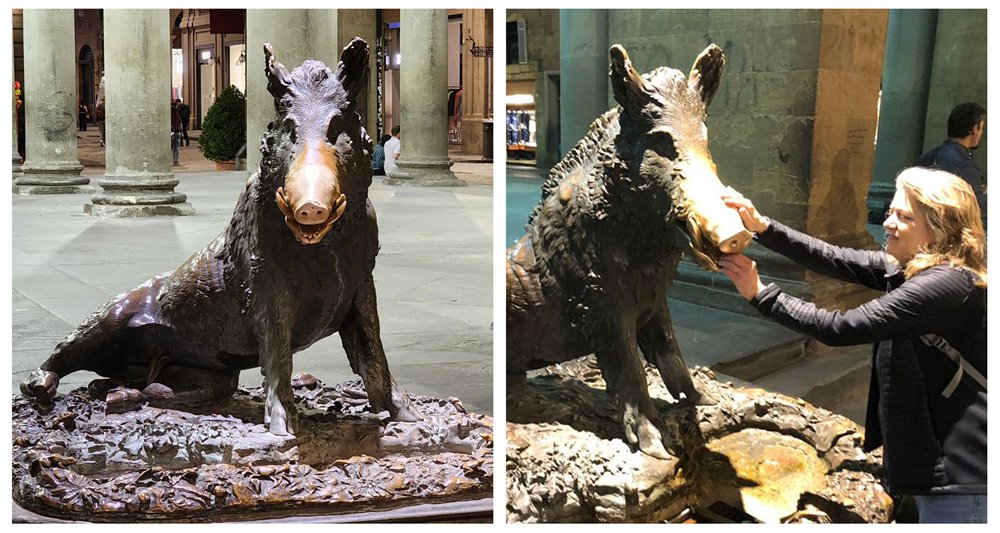
- High-Touch Points: Look at the nose, hands, or hair of the figure. Over a hundred years of handling, the patina in these areas should be naturally worn away, revealing the warm glow of the underlying metal.
- Red Flag: If a statue looks aged everywhere except where people would naturally touch it, it’s likely an artificial aging job.
Pro Tip: Please don’t over-clean an antique bronze statue! The Original Patina is the heart of its historical value. Stripping it away can reduce the artwork’s market value by up to 80%. At the same time, if you want to determine the production time of the antique sculpture, you can seek the assistance of a professional appraiser for an appraisal.
FAQs
-
Will a magnet stick to a bronze sculpture?
No. Real bronze is non-magnetic. If a magnet sticks, it’s iron or steel hiding under a bronze coating.
-
Do bronze statues rust?
No. Bronze develops a protective “patina” (usually green or brown) rather than destructive red rust.
-
How long does a bronze statue last?
Thousands of years. Bronze is one of the few materials that can withstand the elements for centuries.
-
Why are most bronze statues hollow?
To ensure structural integrity and prevent shrinking during casting. It’s a sign of professional lost-wax casting.
-
What makes a bronze sculpture valuable?
The artist’s signature, the detail of the casting, the thickness of the metal, and its historical provenance.
Final Thoughts
Spotting a real bronze sculpture isn’t just about passing a test — it’s about protecting your investment. Whether you use a magnet, check the sculpture’s temperature, or examine the patina, the truth is always in the details.
While these tips help you shop with confidence, the better way to guarantee a true, heritage-grade masterpiece is to partner with a professional foundry.
At YouFine Art Sculpture Gallery, our legacy is built on over 40 years of bronze sculpture casting. Guided by our “Quality First” philosophy, we’ve proudly served collectors and project visionaries in more than 50 countries.
Every sculpture we make is cast to last for generations:
- We use only high-purity bronze material
- Every detail is hand-cast with precision
- Our top patina techniques create rich, lasting color and depth
- A strict quality control process oversees every step of production
Whether you’re planning a large-scale public art project or searching for a single statement piece for your space, we invite you to experience the YouFine difference.
Contact us today to bring your vision to life.