Walk through any historic city, museum, or public square, and you’ll quickly notice a pattern—many of the world’s most important sculptures are made of bronze. From ancient civilizations to modern public art, bronze has remained the gold standard.
So, why is bronze used for statues, instead of materials like marble, steel, or resin?
The answer lies in a powerful combination of durability, artistic precision, structural strength, and timeless beauty. In this guide, we’ll go beyond surface-level explanations and explore the craftsmanship and real-world advantages that make bronze the preferred material for artists and collectors alike.
What Is Bronze?
Before explaining why are statues made of bronze, it’s important to understand what bronze actually is.
Bronze is an alloy of copper and tin, typically composed of about 88–90% copper and 10–12% tin, though other elements like aluminum or silicon may be added for specific properties.
Bronze vs brass (copper + zinc), bronze is harder and more durable, making it far more suitable for sculpture work—especially for outdoor installations.
The 6 Core Reasons Why Bronze Is Used for Statues
Exceptional Durability (Lasts for Centuries)
One of the main reasons bronze is used for sculptures is its remarkable longevity.
- Resistant to rain, wind, and temperature changes
- Performs well in coastal and humid environments
- Can last hundreds or even thousands of years
Comparison:
Marble → can crack and erode
Iron/steel → prone to rust
Resin → degrades over time
Bronze, by contrast, forms a protective surface layer that shields it from further damage.
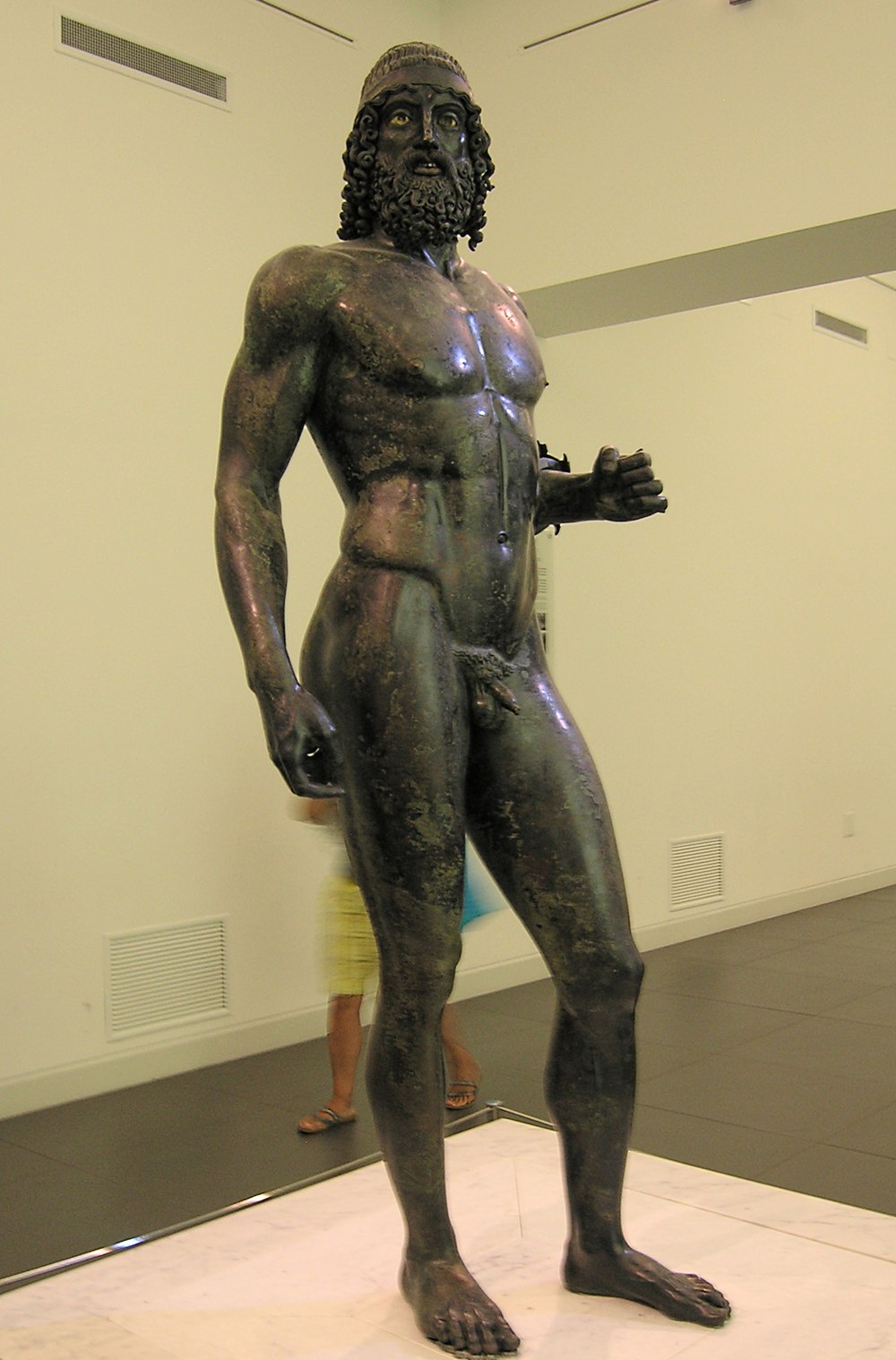
Date: c. 460–450 BC (nearly 2,500 years old)
Condition: Nearly perfect. Recovered from the seabed off the coast of Italy in 1972, because the seawater cut off oxygen exposure, the musculature, strands of hair, facial expressions, and bronze patina have been preserved in astonishingly pristine condition.
Superior Detail Capture (Perfect for Fine Art)
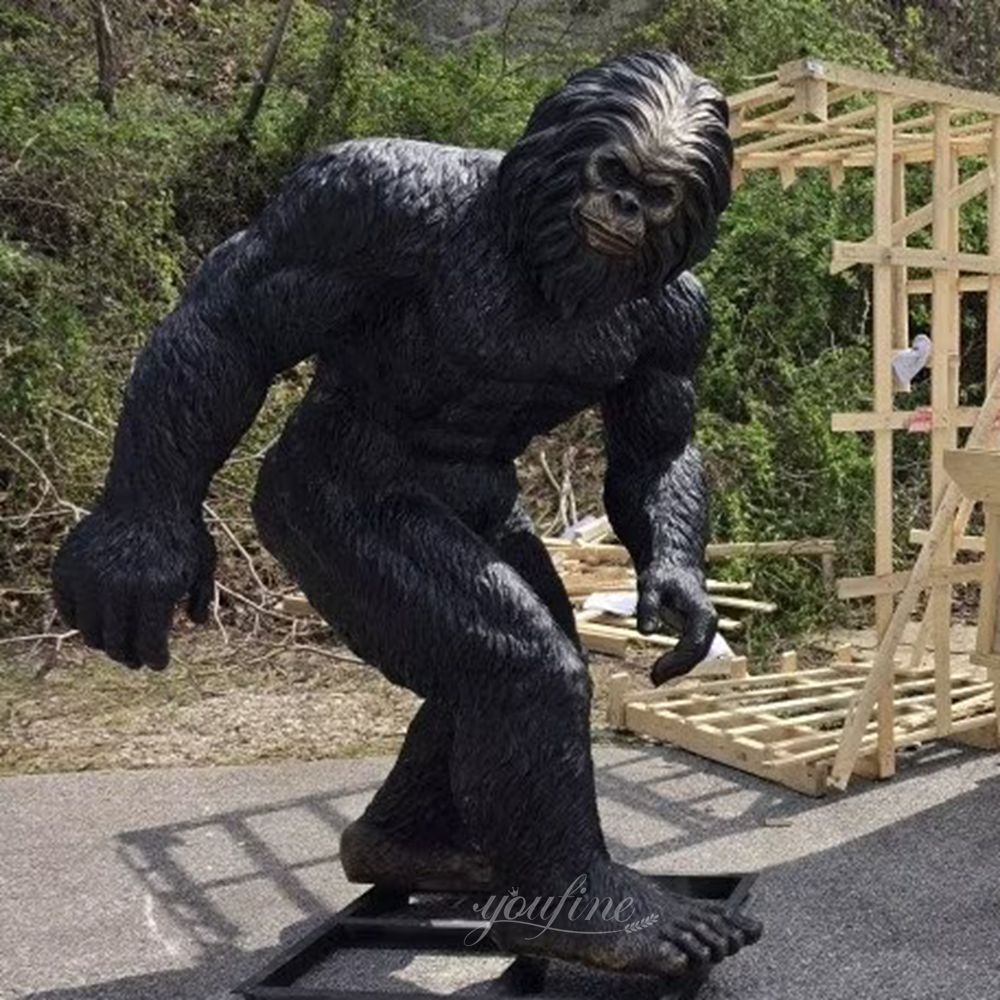
Bronze is ideal for intricate designs thanks to the lost-wax casting method.
Why it works so well:
- When molten bronze is poured, it slightly expands, filling even the smallest details of the mold
- As it cools, it shrinks slightly, allowing easy removal
This unique behavior allows sculptors to capture:
- Facial expressions
- Muscle definition
- Fine textures like hair, fabric, or feathers
This is a key reason why bronze sculptures look more lifelike and detailed than many other materials.
Strength and Flexibility (Supports Complex Designs)
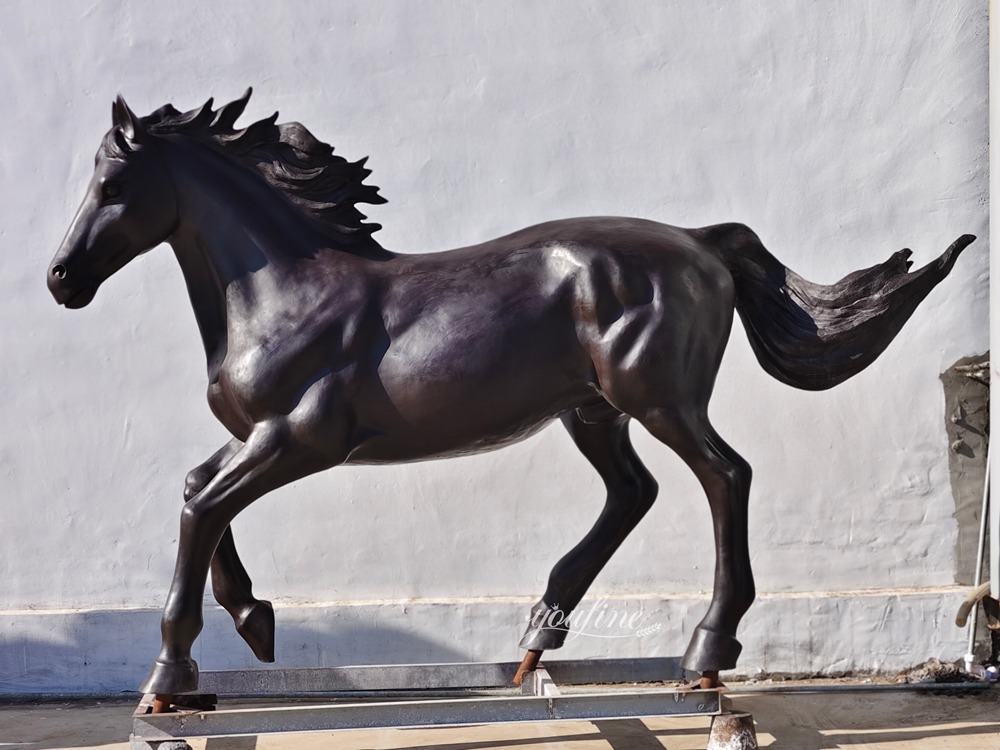
Bronze strikes an ideal balance of strength and flexibility, making it perfect for dynamic sculptures.
Unlike marble, which is brittle and prone to cracking under stress or its own weight, bronze has high tensile strength and good ductility. It can easily support extended limbs, leaping poses, flying figures, and delicate, slender structures—without needing heavy external supports.
This is why bronze is the top choice for creating expressive, gravity-defying sculptural designs.
Natural Patina (Beauty That Improves Over Time)
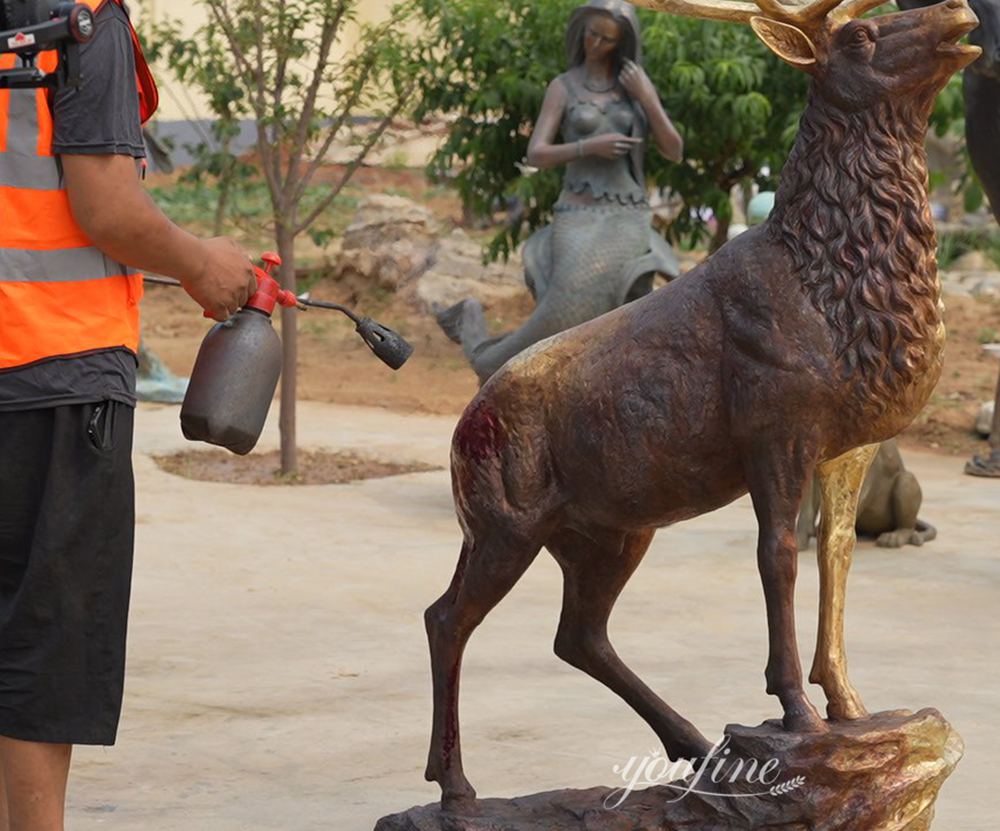
Bronze is a “living” material. Unlike many materials that deteriorate visually, bronze actually becomes more beautiful with age.
A natural chemical reaction that forms a thin surface layer.
Color evolution:
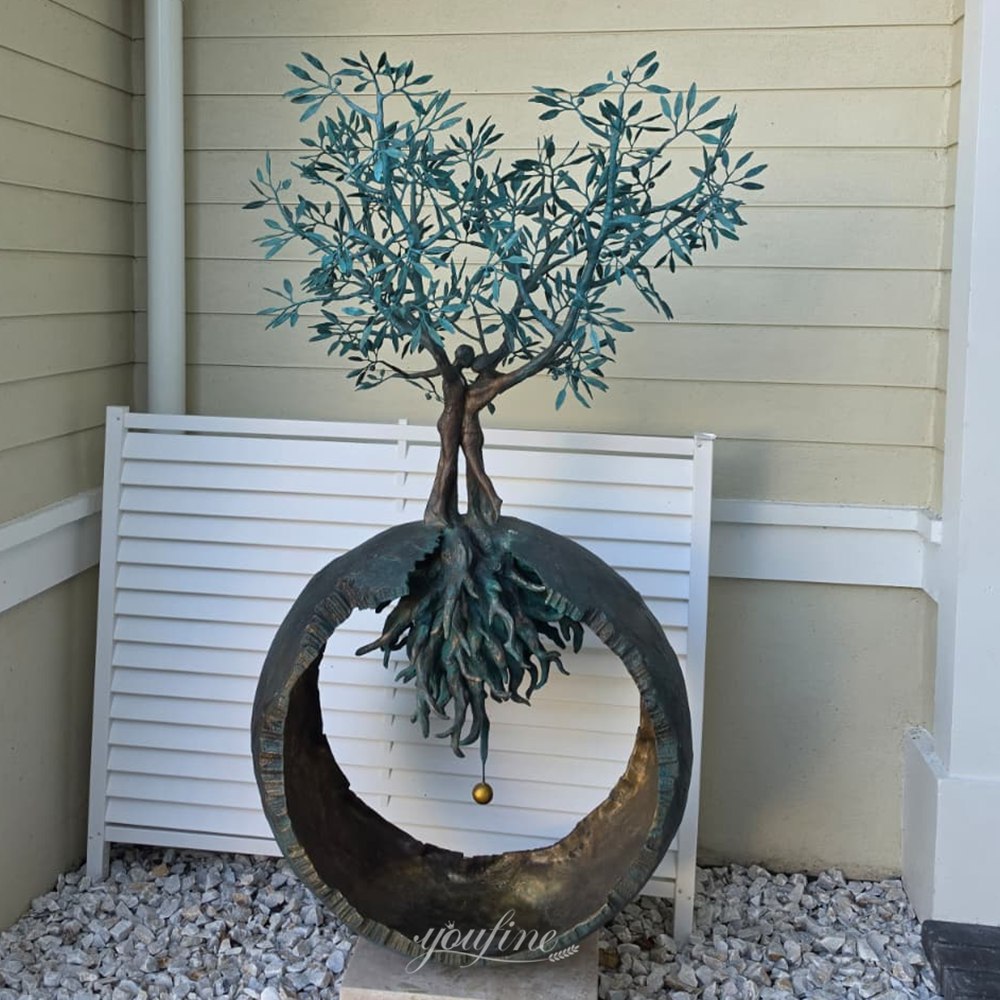
Warm brown → deep chocolate → green (oxidized finish)
Key advantages:
- Acts as a protective barrier
- Enhances artistic character
- Can be artistically controlled using chemical treatments
Those add character and depth that synthetic materials simply cannot replicate. This is why many collectors and designers specifically seek out aged bronze sculptures.
Versatility in Production (More Design Freedom)
Another reason why bronze is used for statues is its unmatched versatility.
- Can be cast as solid or hollow (reduces weight and cost)
- Suitable for small artworks and monumental sculptures
- Allows replication and editions
- Can be welded, assembled, and modified
- Can be worked with to create smooth, intricate surfaces
For artists and manufacturers, bronze offers creative freedom that few materials can match.
Repairability & Long-Term Value
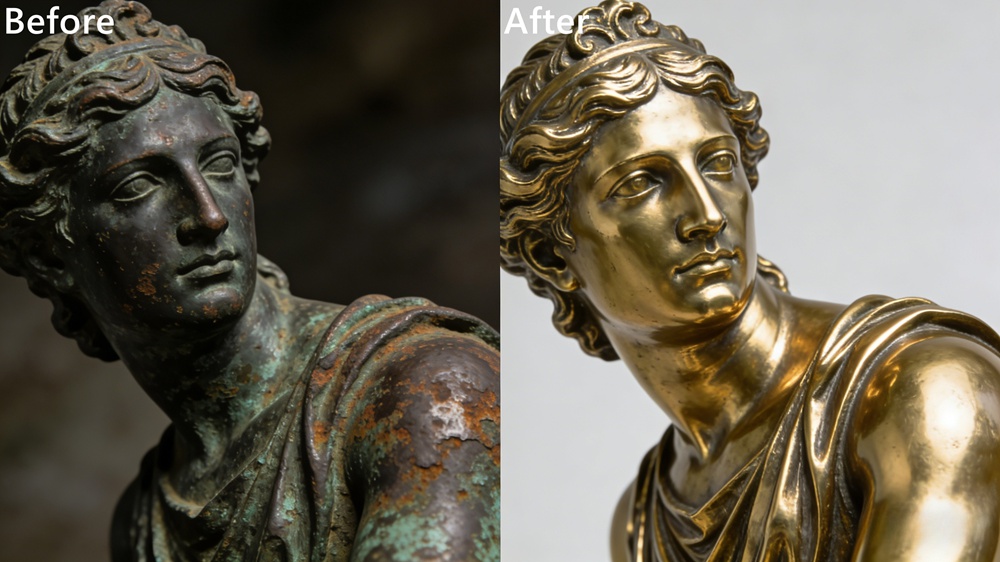
Bronze sculptures are not only durable—they are also maintainable. If a bronze statue is damaged or dented, it can be welded, reshaped, and re-patinated to its original glory.
Compared to other materials:
Marble → difficult to repair invisibly
Resin → often cannot be restored
Steel → corrosion damage can be severe
This makes bronze a long-term investment, especially for public art and collectors.
Bronze vs Other Materials: Why Not Marble, Steel, or Resin?
| Material | Durability | Detail | Outdoor Use | Flexibility | Maintenance |
|---|---|---|---|---|---|
| Bronze | ⭐⭐⭐⭐⭐ | ⭐⭐⭐⭐⭐ | ⭐⭐⭐⭐⭐ | ⭐⭐⭐⭐ | ⭐⭐⭐⭐⭐ |
| Marble | ⭐⭐⭐ | ⭐⭐⭐⭐ | ⭐⭐ | ⭐ | ⭐⭐ |
| Steel | ⭐⭐⭐⭐ | ⭐⭐ | ⭐⭐⭐ | ⭐⭐⭐ | ⭐⭐⭐ |
| Resin | ⭐ | ⭐⭐ | ⭐ | ⭐⭐ | ⭐ |
Key Takeaway:
Bronze is the only material that excels in every category, making it the most balanced and reliable choice.
A Brief History: Bronze in Sculpture
Bronze has a 4,000-year history as a premier sculptural material, spanning classical to modern times.
- Ancient Greece & Rome: Used for idealized, lifelike statues of gods, heroes, and figures, symbolizing power and permanence.
- Renaissance: Revived by masters such as Donatello for its realism and dynamic movement, impossible in stone.
- Modern era: Continues to dominate public monuments, memorials, and contemporary art, carrying cultural legacy and timeless prestige.
Are There Any Downsides to Bronze?
Objectively, bronze has two main challenges:
- Cost: Due to the high price of copper and the labor-intensive casting process, it is more expensive than resin or steel.
- Weight: Though lighter than solid stone, it still requires professional handling.
The Verdict: While the initial investment is higher, the fact that a bronze statue remains an appreciating asset for generations makes it the most cost-effective choice in the long run.
When Should You Choose Bronze for Your Sculpture?
As a 40+ years of professional bronze sculpture foundry, we especially recommend it for:
- Outdoor installations – memorials, public squares, and garden statues, with strong weather and corrosion resistance for thousands of years of use (with care).
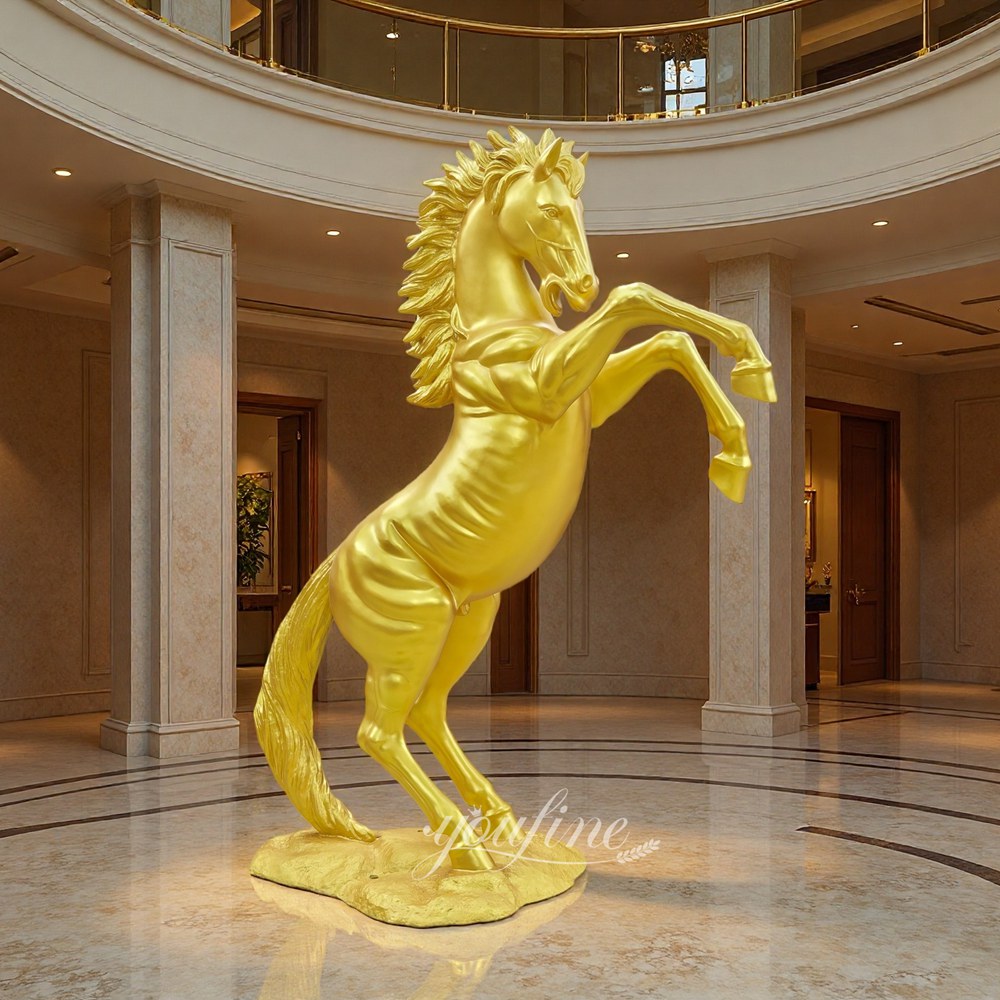
- Dynamic, complex designs – leaping horses, extended figures, and detailed poses, supported by bronze’s strength and flexibility.
- High-end & collectible art – custom patinas, sizes, and styles for investment-grade art and architectural decoration.
- Hand cast quality – made via traditional lost-wax casting by skilled artisans, ensuring a unique, fine-art finish.
Bronze is the ideal choice when you want unmatched durability, prestige, and long-term value.
FAQ
Are bronze statues worth any money?
Yes, they are considered investment-grade art due to the intrinsic value of the copper-tin alloy and the labor-intensive casting process. Their prestige and durability often lead to significant appreciation in value over time.
How long do bronze statues last?
Known as the “immortal metal,” bronze statues can last for thousands of years, as proven by pristine artifacts from Ancient Greece. Its natural resistance to corrosion makes it the premier choice for outdoor monuments intended to last for generations.
Does bronze turn green?
Yes, this is a natural oxidation called patina, which actually creates a protective shield for the metal. We can also use a professional Chemical coloring method to customize your preferred color, from classic brown to antique green.
How long does it take to create a bronze statue?
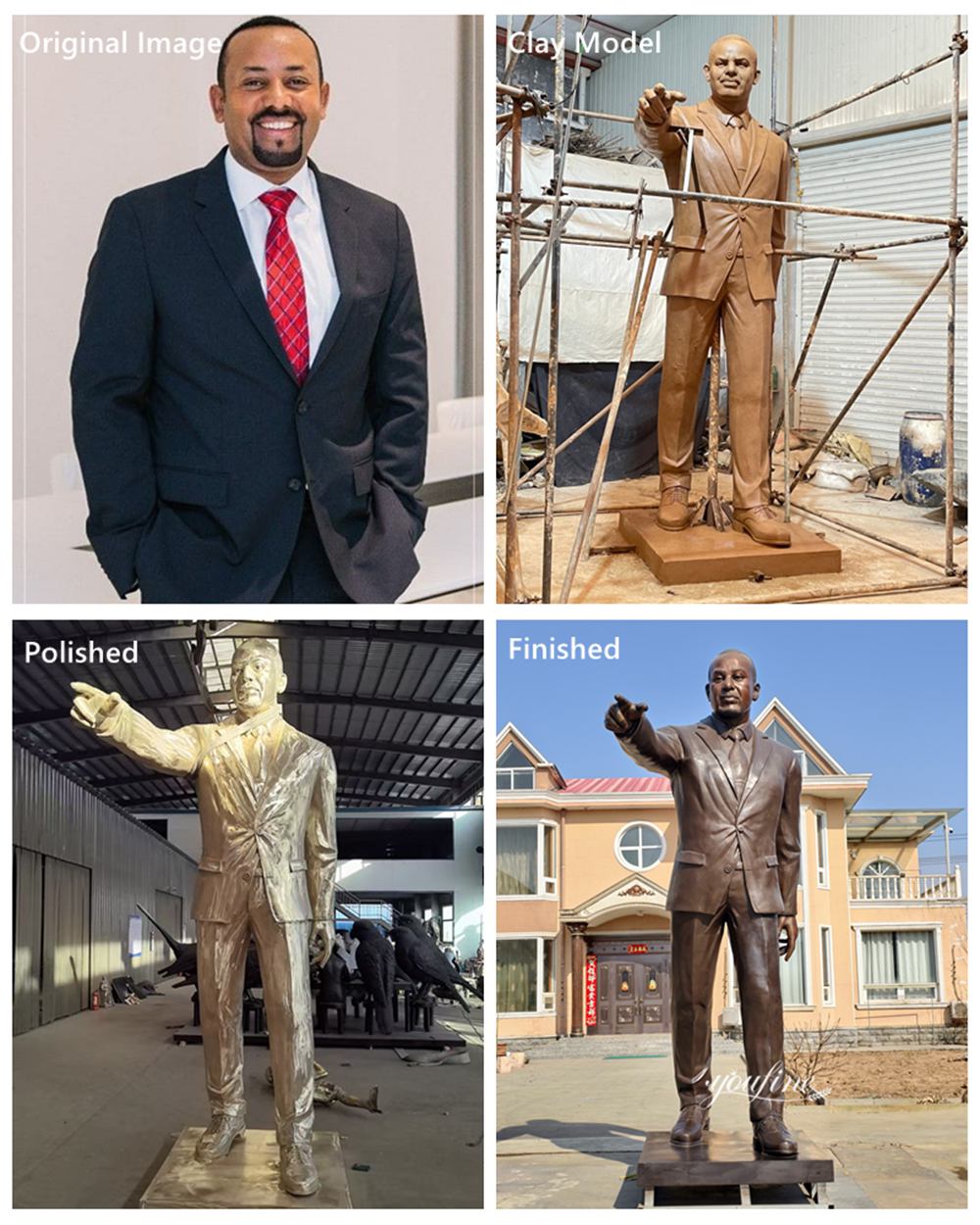
The meticulous “lost-wax” process typically takes 4 to 12 weeks from the clay model to the final polish. This timeline ensures every fine detail is perfectly captured and structurally sound.
How do I maintain a bronze statue?
Maintenance is remarkably simple, requiring only basic cleaning and a coat of specialized wax once or twice a year. This routine protects the surface from pollutants and keeps the artistic finish looking vibrant.
Final Thoughts
Bronze is chosen for sculpture production primarily for six exceptional qualities: outstanding durability, exquisite detail, sturdy structural strength, versatility, a unique aesthetic patina, and reparability.
If you want to own a special bronze sculpture that will last for hundreds of years and be a true work of art, YouFine Art Sculpture Gallery can make it real. Whether you need a big public sculpture project, a custom-made private portrait, or a precise copy of a famous classical work, we can help. We are a top foundry, with 40 years of experience and a great team of artists. We will make sure that every piece we create perfectly shows your unique vision.