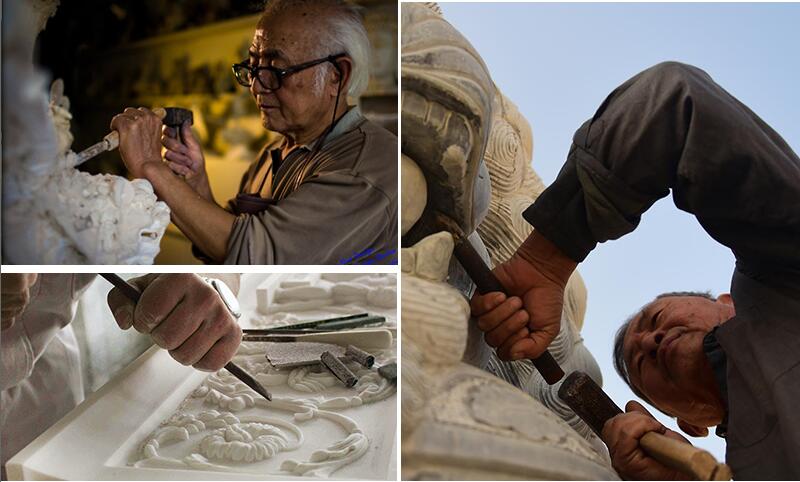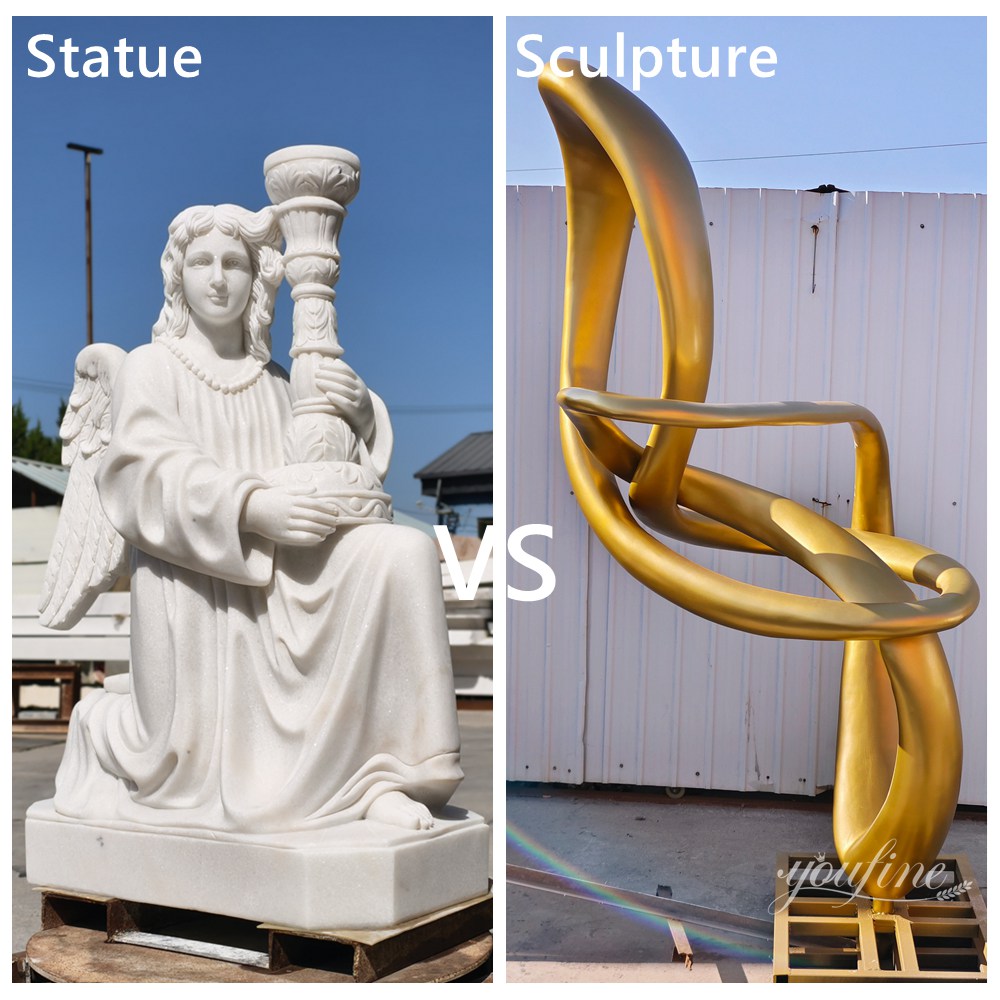
A figurative marble sculpture is a three-dimensional artwork carved from natural marble that depicts a recognizable subject, such as a human figure, animal, saint, angel, or mythological character. Unlike abstract sculptures, figurative sculptures focus on realistic forms, proportions, movement, and expression, allowing viewers to immediately identify the subject.
For over 2,500 years, artists have used marble to create some of the world’s most celebrated sculptures. From ancient Greek masterpieces to modern garden statues, figurative marble sculptures continue to be valued for their beauty, craftsmanship, and timeless appeal.
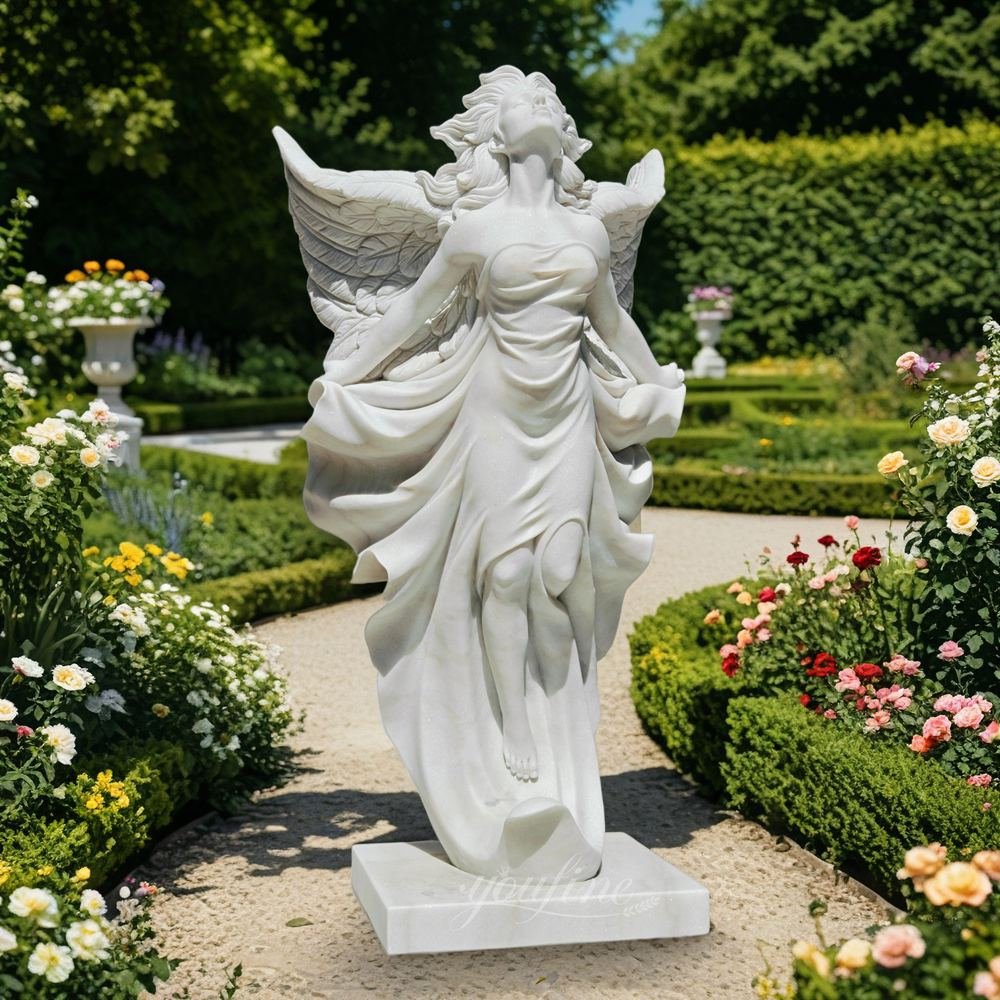
What Makes a Sculpture Figurative?
The term “figurative” refers to art that represents recognizable living forms. In sculpture, this means the artist creates a subject that viewers can easily identify, rather than abstract shapes or conceptual designs.
Common figurative subjects include:
- Human figures
- Religious figures
- Animals
- Mythological characters
- Portrait busts
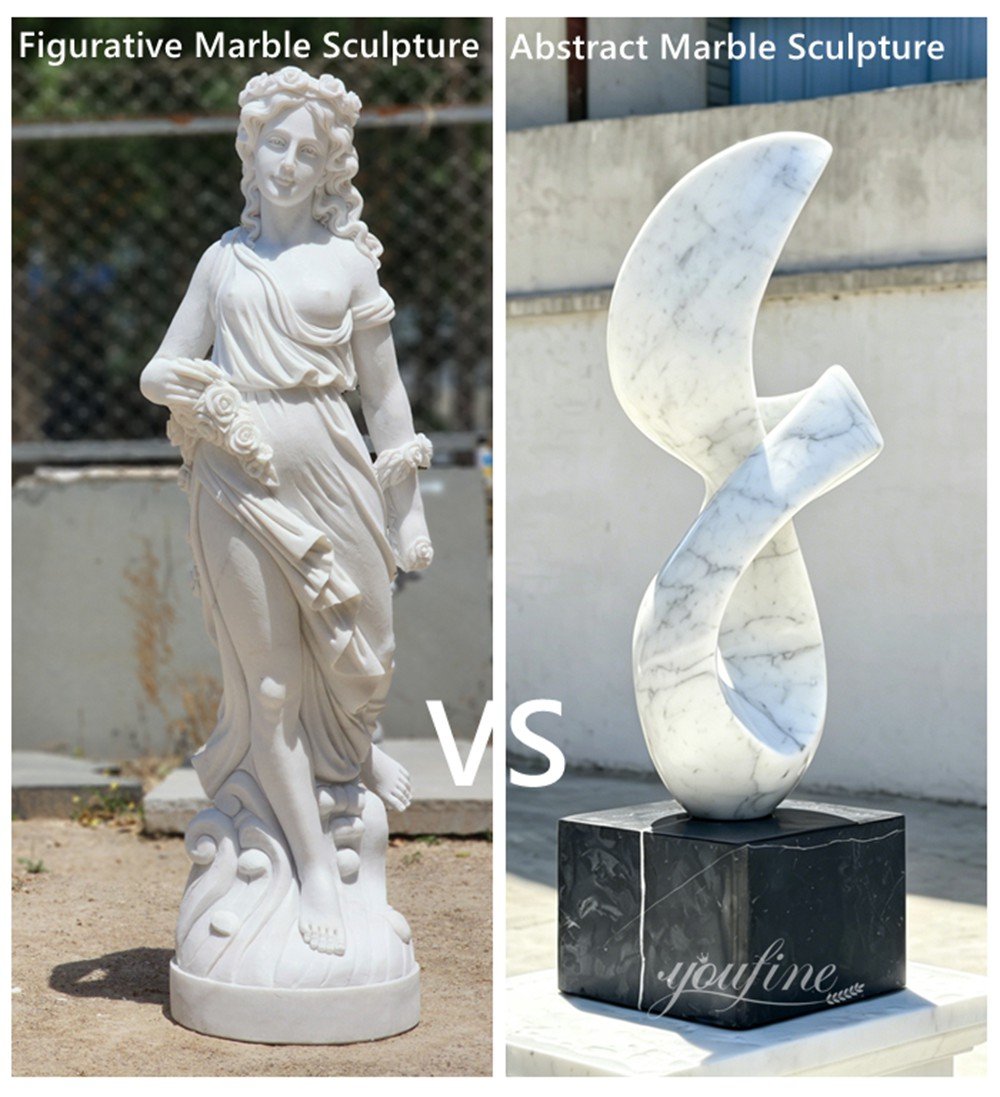
Figurative Sculpture vs. Abstract Sculpture
| Figurative Sculpture | Abstract Sculpture |
|---|---|
| Depicts recognizable subjects | Uses symbolic or non-representational forms |
| Focuses on realistic anatomy | Focuses on concepts and shapes |
| Human, animal, or religious themes | Geometric or experimental designs |
| Easy for most viewers to interpret | Often open to interpretation |
Because of its realism and emotional connection, figurative sculpture remains one of the most popular forms of sculpture worldwide.
Why Is Marble the Preferred Material for Figurative Sculpture?
Many materials can be used for sculpture, but marble has long been considered the gold standard for figurative art.
Natural Beauty
Fine-grained marble has a subtle translucency that reflects light beneath the surface, creating an appearance similar to human skin.
Exceptional Detail
Marble allows sculptors to carve intricate features such as:
- Facial expressions
- Hair and beards
- Flowing drapery
- Muscle definition
- Delicate hands and fingers
Durability
Many marble sculptures created in ancient Greece and Rome still survive today, proving marble’s remarkable longevity.
Timeless Appeal
Whether displayed in a classical villa, church, luxury hotel, or modern landscape, marble conveys elegance and prestige that never goes out of style.
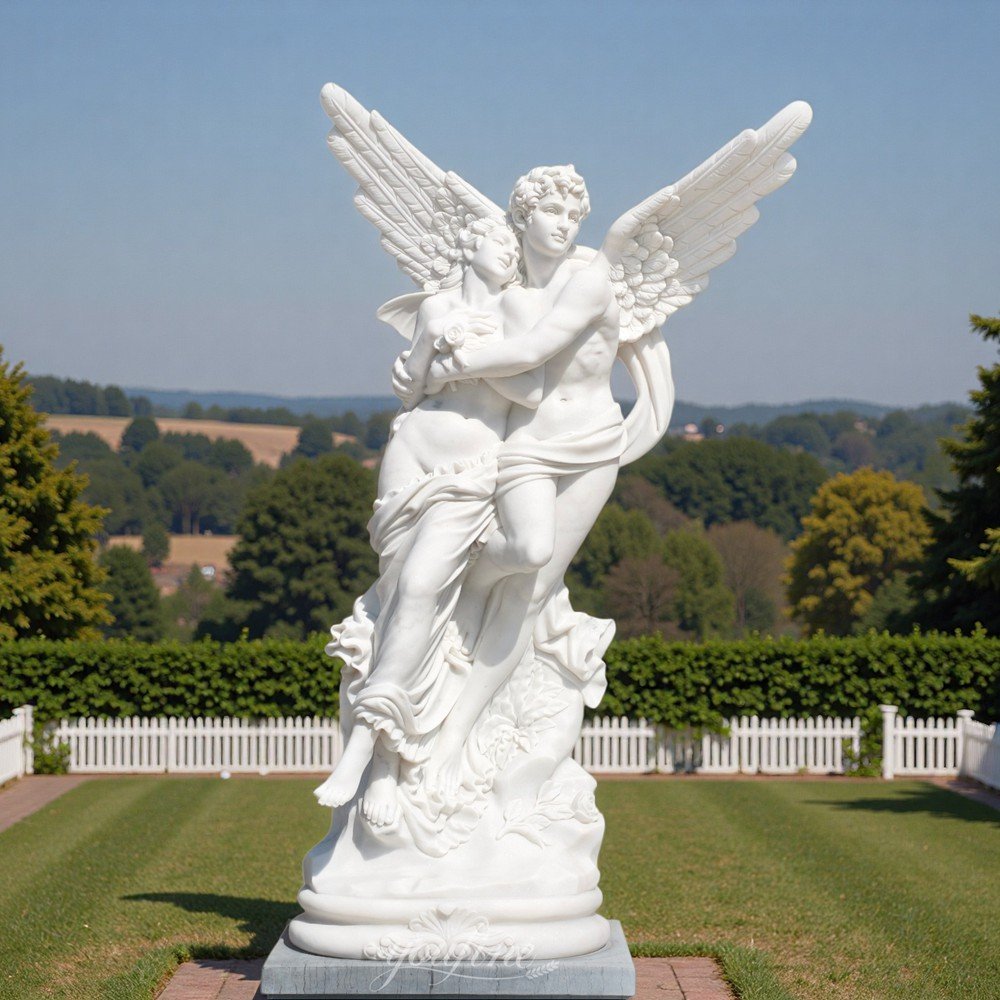
A Brief History of Figurative Marble Sculpture
Ancient Greece
The tradition of figurative marble sculpture began to flourish in ancient Greece around the 5th century BCE. Greek sculptors pursued ideal beauty, balance, and realistic anatomy, creating some of history’s most influential artworks.
Ancient Rome
Roman artists adopted Greek techniques while adding greater realism, particularly in portrait busts and commemorative statues.
Renaissance Europe
During the Renaissance, artists revived classical sculpture traditions. Masters such as Michelangelo elevated marble carving to extraordinary levels of artistic achievement.
Modern Era
Today, figurative marble sculptures continue to be commissioned for homes, gardens, churches, memorials, hotels, and public spaces around the world.
Most Popular Types of Figurative Marble Sculptures
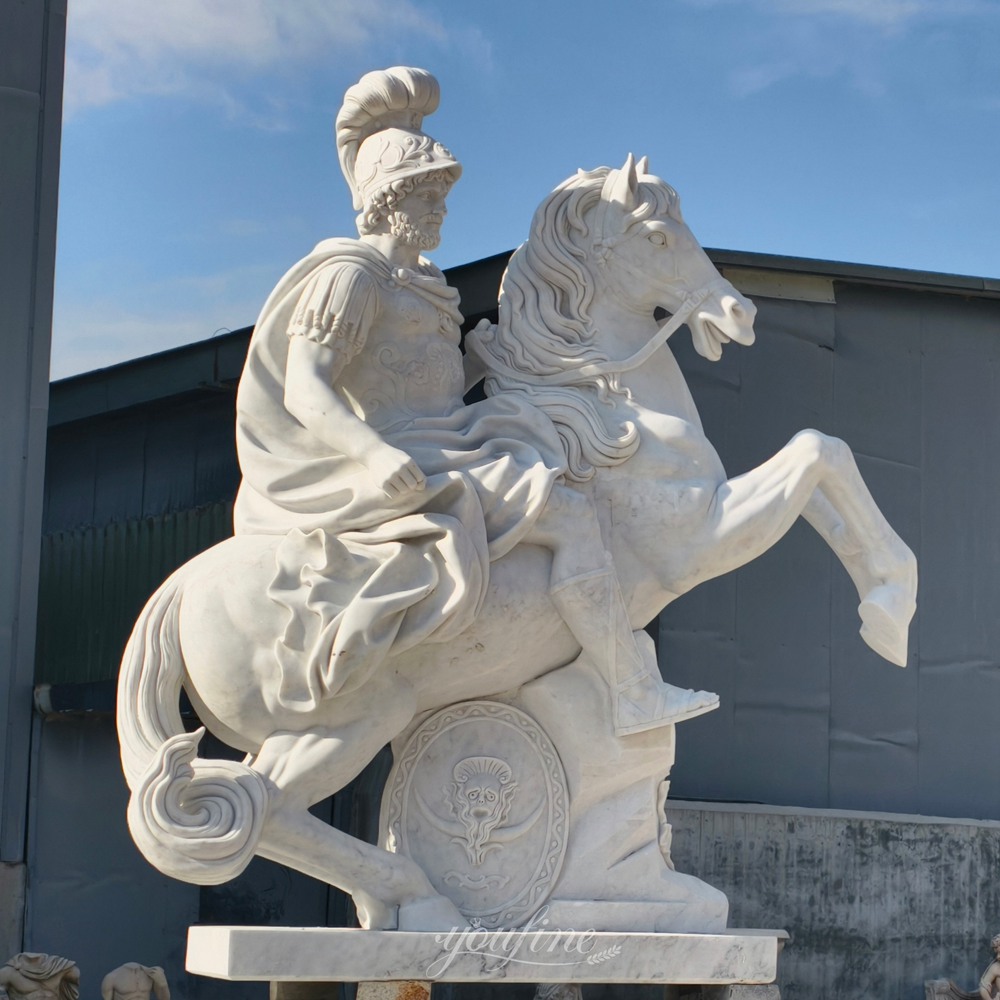
Human Figure Sculptures
Human figures are the most common form of figurative sculpture. They may depict idealized beauty, historical figures, athletes, dancers, or everyday people.
Popular styles include:
- Life-size statues
- Standing figures
- Seated figures
- Contemporary figurative sculptures
Religious Sculptures
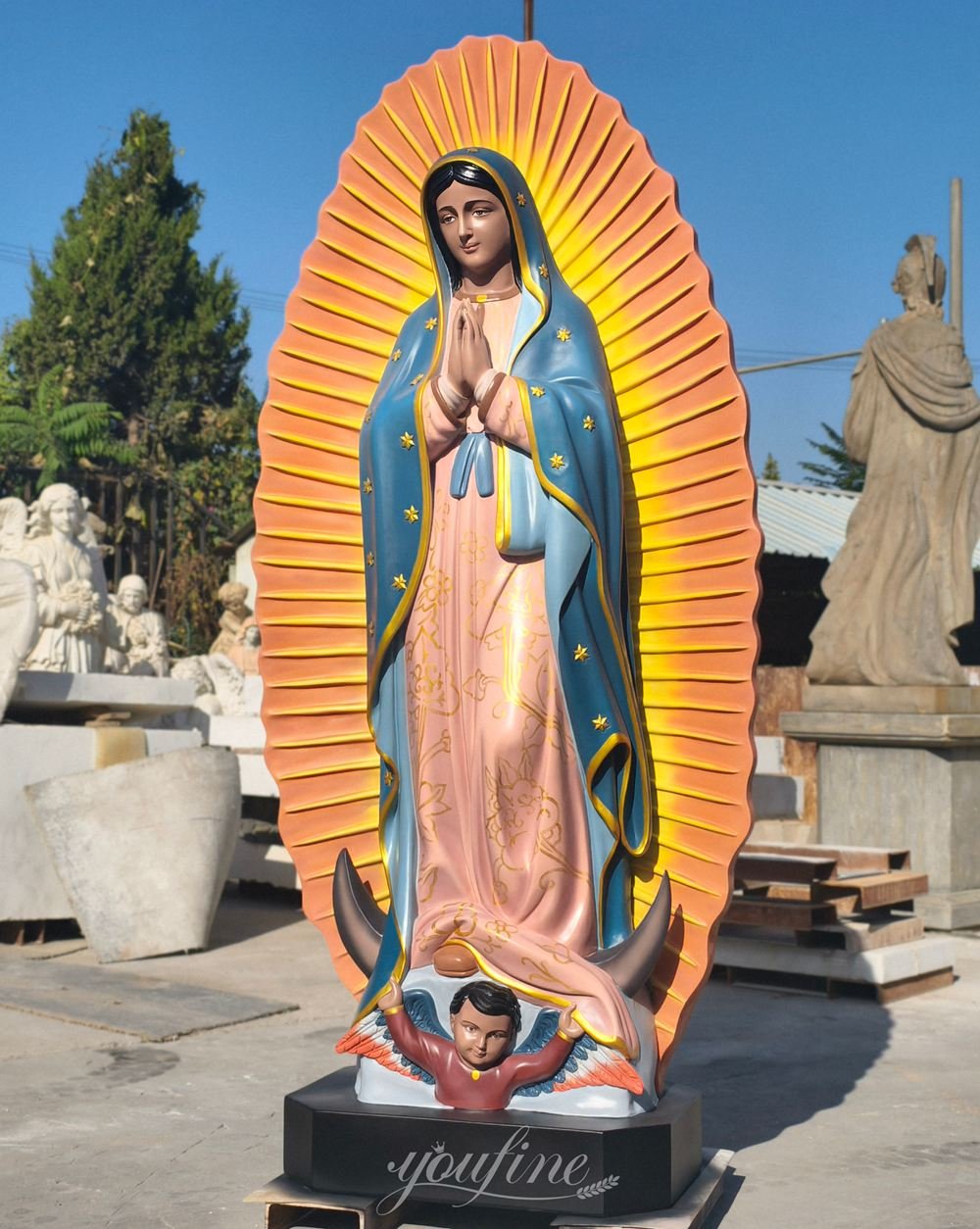
Religious marble sculptures have inspired faith and devotion for centuries.
Common examples include:
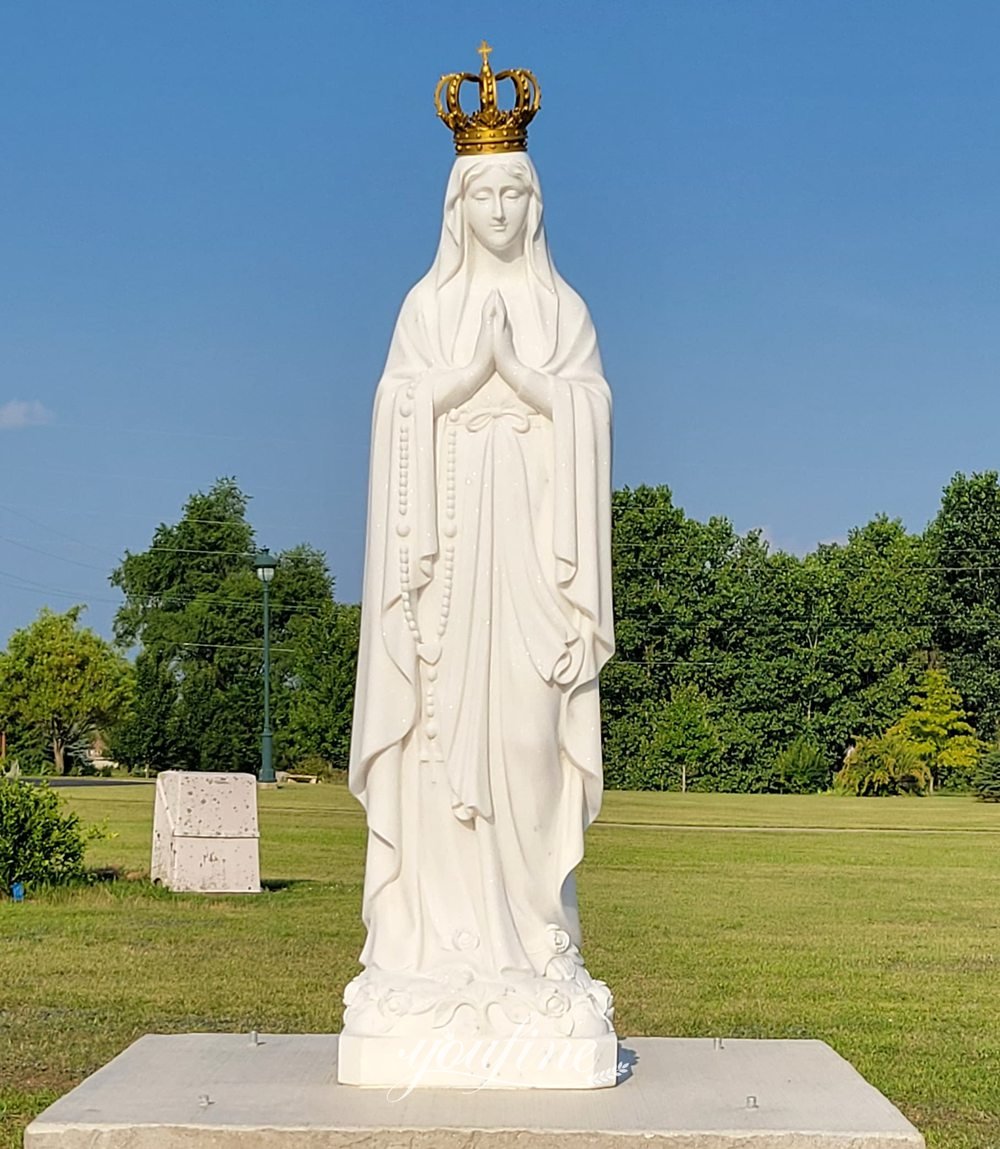
- Virgin Mary statues
- Jesus Christ statues
- Saint Michael statues
- Angel sculptures
- Saint statues
These sculptures are often placed in churches, cemeteries, prayer gardens, and religious institutions.
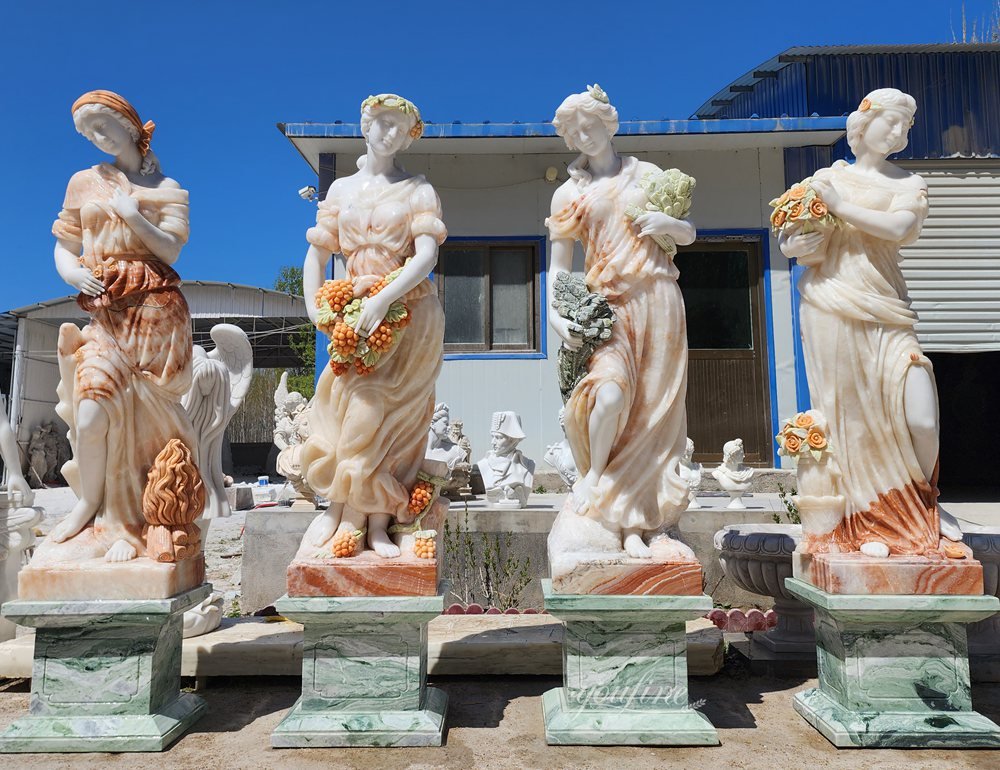
Mythological Sculptures
Mythology has been a major source of inspiration throughout art history.
Popular subjects include:
- Venus
- Apollo
- Athena
- Atlas
- Hercules
These sculptures combine storytelling, symbolism, and classical beauty.
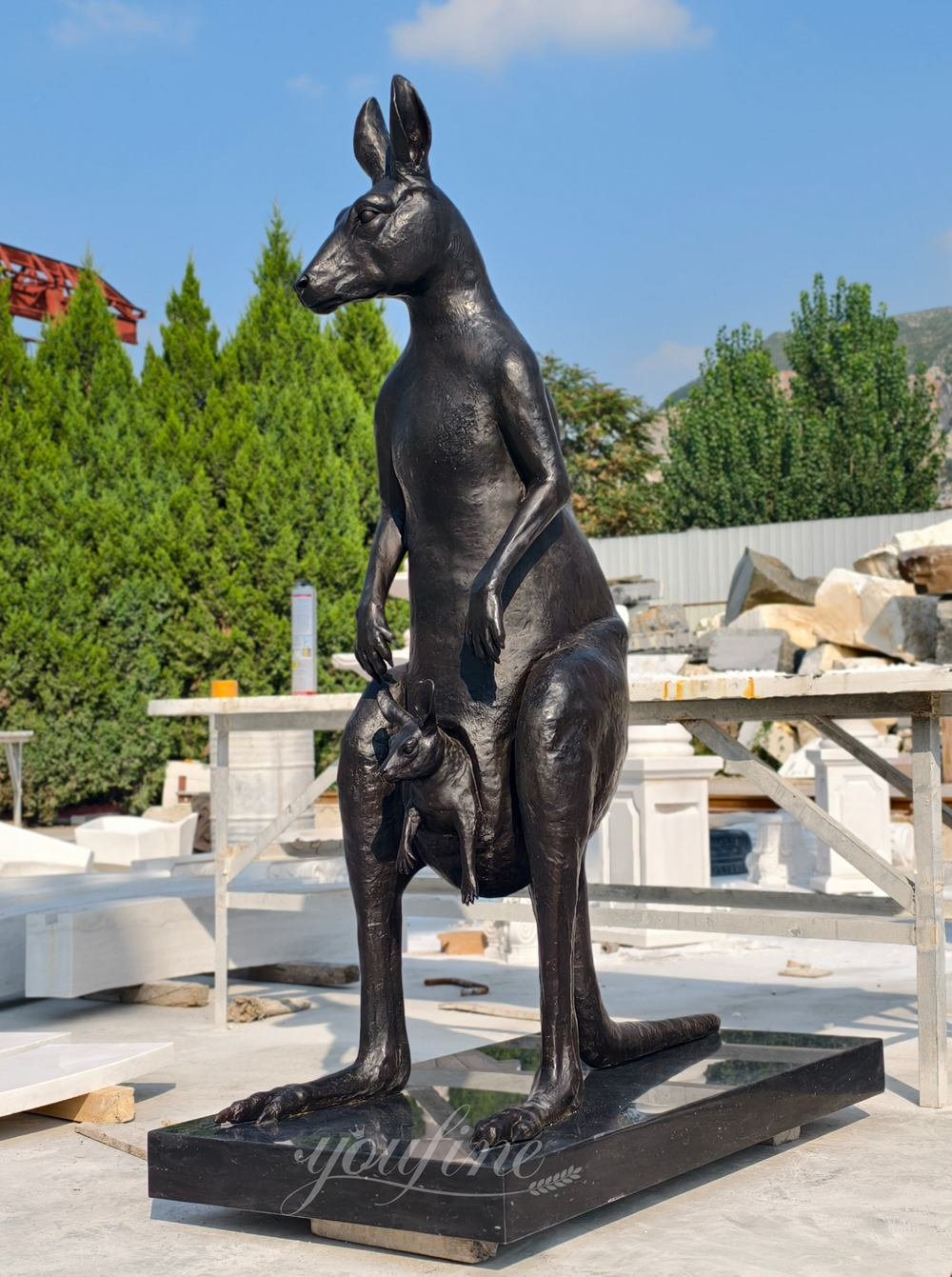
Animal Sculptures
Animal sculptures symbolize strength, courage, wisdom, and freedom.
Popular marble animals include:
- Horses
- Lions
- Eagles
- Deer
- Dogs
They are frequently used in estates, gardens, parks, and entranceways.
Portrait Busts
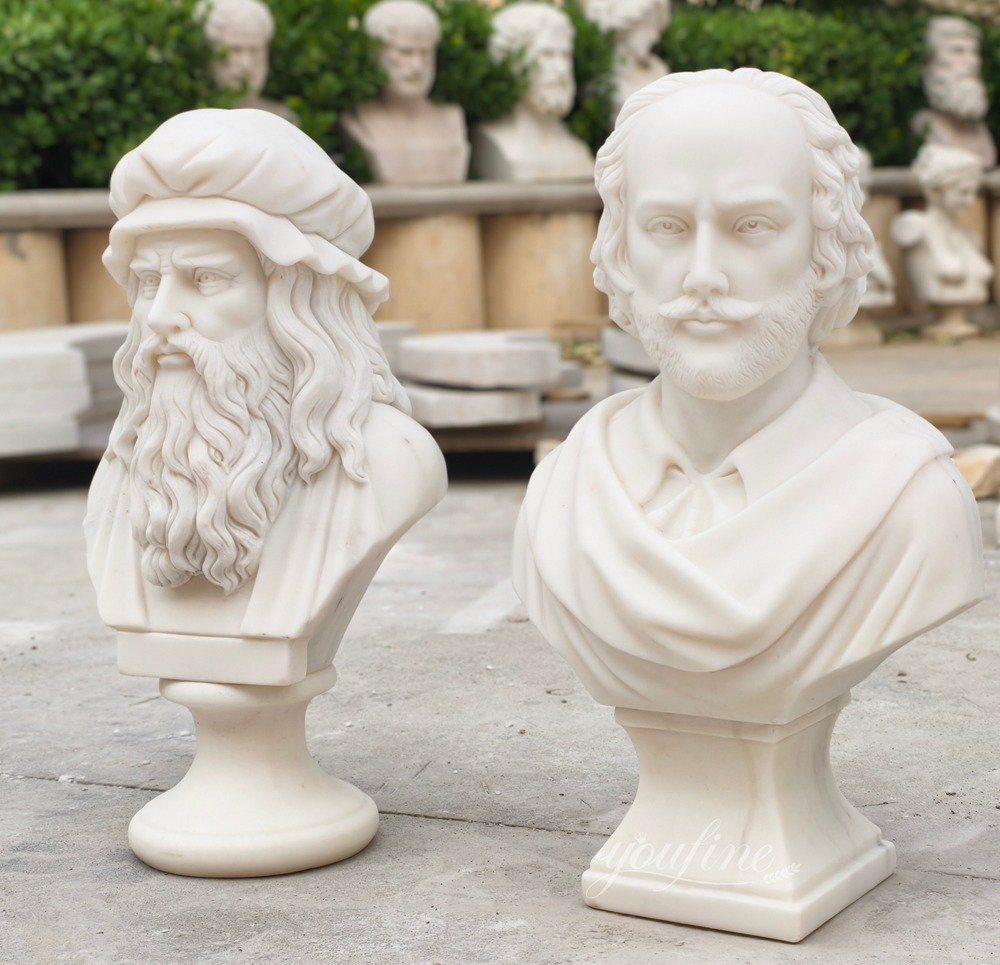
Portrait busts focus on the head and upper torso of an individual.
They are commonly created to commemorate:
- Historical figures
- Family members
- Religious leaders
- Public officials
- Cultural icons
Portrait busts remain one of the most traditional forms of figurative sculpture.
Famous Figurative Marble Sculptures Around the World
Throughout history, some figurative marble sculptures have become symbols of artistic excellence and cultural heritage. These masterpieces demonstrate how marble can capture the human form with extraordinary realism, emotion, and beauty.
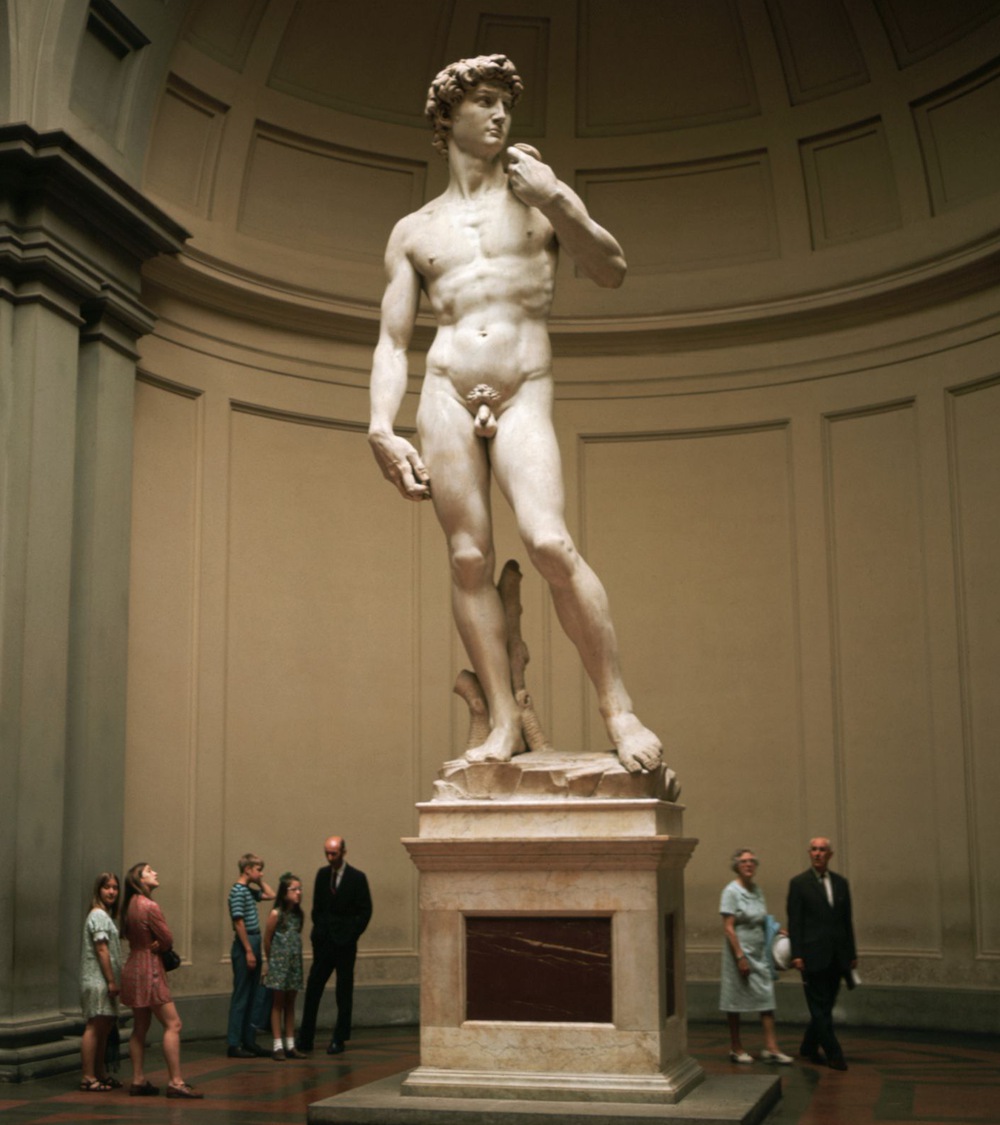
David by Michelangelo (1501–1504)
Widely regarded as one of the greatest sculptures ever created, David was carved by Michelangelo during the Italian Renaissance and is now displayed in the Galleria dell’Accademia in Florence, Italy. Standing over 17 feet tall, the statue depicts the biblical hero David before his battle with Goliath. Renowned for its anatomical accuracy, lifelike proportions, and expressive detail, David became a symbol of courage, human potential, and Renaissance artistic achievement.
Venus de Milo (c. 130–100 BCE)
The Venus de Milo is one of the most famous surviving sculptures from ancient Greece. Discovered on the Greek island of Milos and now housed in the Louvre Museum in Paris, France, the statue is believed to represent Aphrodite, the Greek goddess of love and beauty. Despite its missing arms, the sculpture remains an enduring icon of classical art and is admired for its graceful pose and idealized beauty.

Pietà by Michelangelo (1498–1499)
Located in St. Peter’s Basilica in Vatican City, the Pietà depicts the Virgin Mary holding the body of Jesus after the Crucifixion. Created when Michelangelo was only in his twenties, the sculpture is celebrated for its remarkable craftsmanship and emotional depth. The delicate drapery, realistic anatomy, and serene expressions make it one of the most admired religious sculptures in the world.

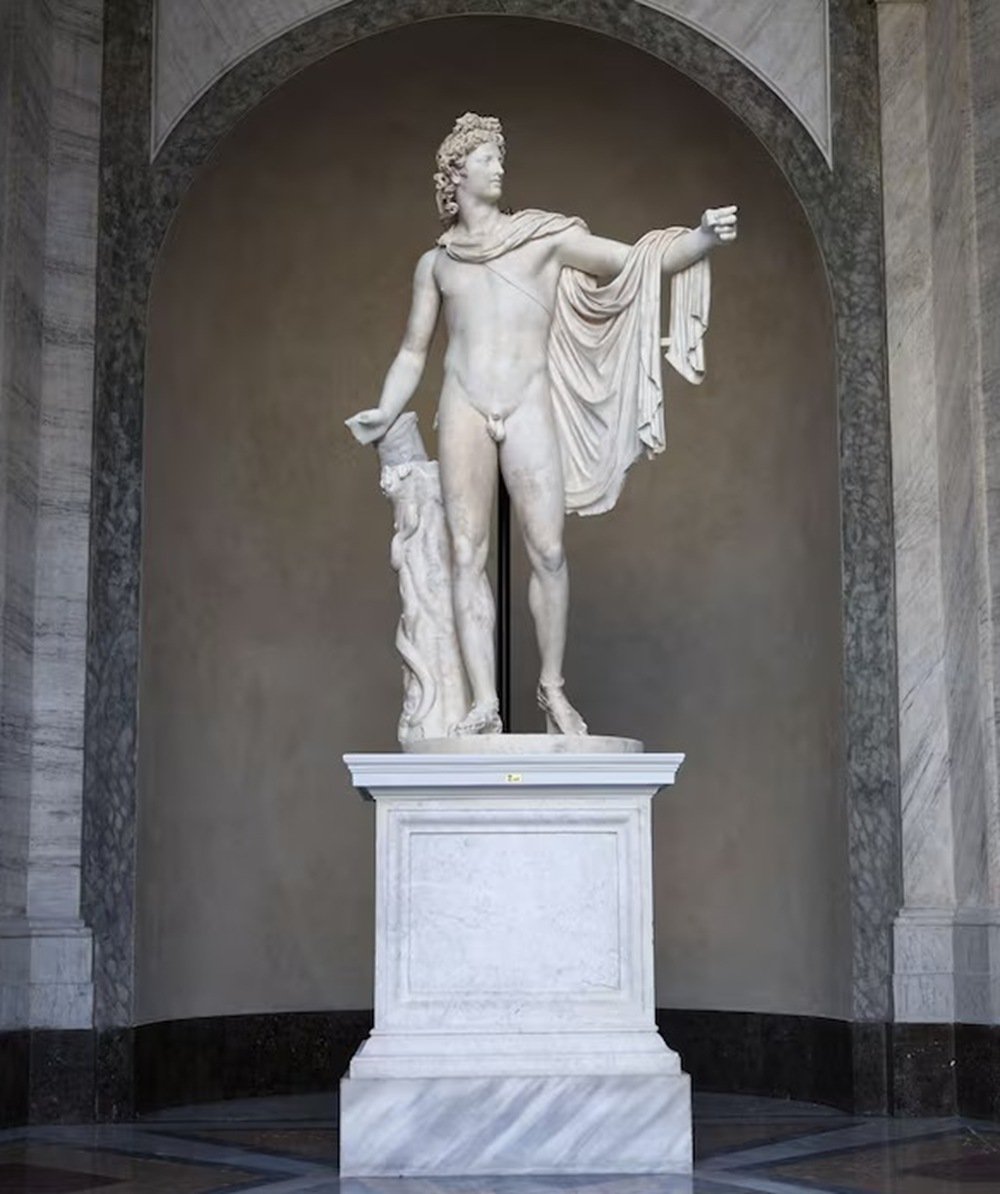
Apollo Belvedere (Roman Copy, 2nd Century CE)
The Apollo Belvedere, displayed in the Vatican Museums, is a Roman marble copy of an earlier Greek bronze sculpture. It portrays Apollo, the Greek god of music, poetry, and archery, in a poised and heroic stance. For centuries, artists and scholars considered it the ideal representation of masculine beauty and classical perfection, greatly influencing Western art and sculpture.
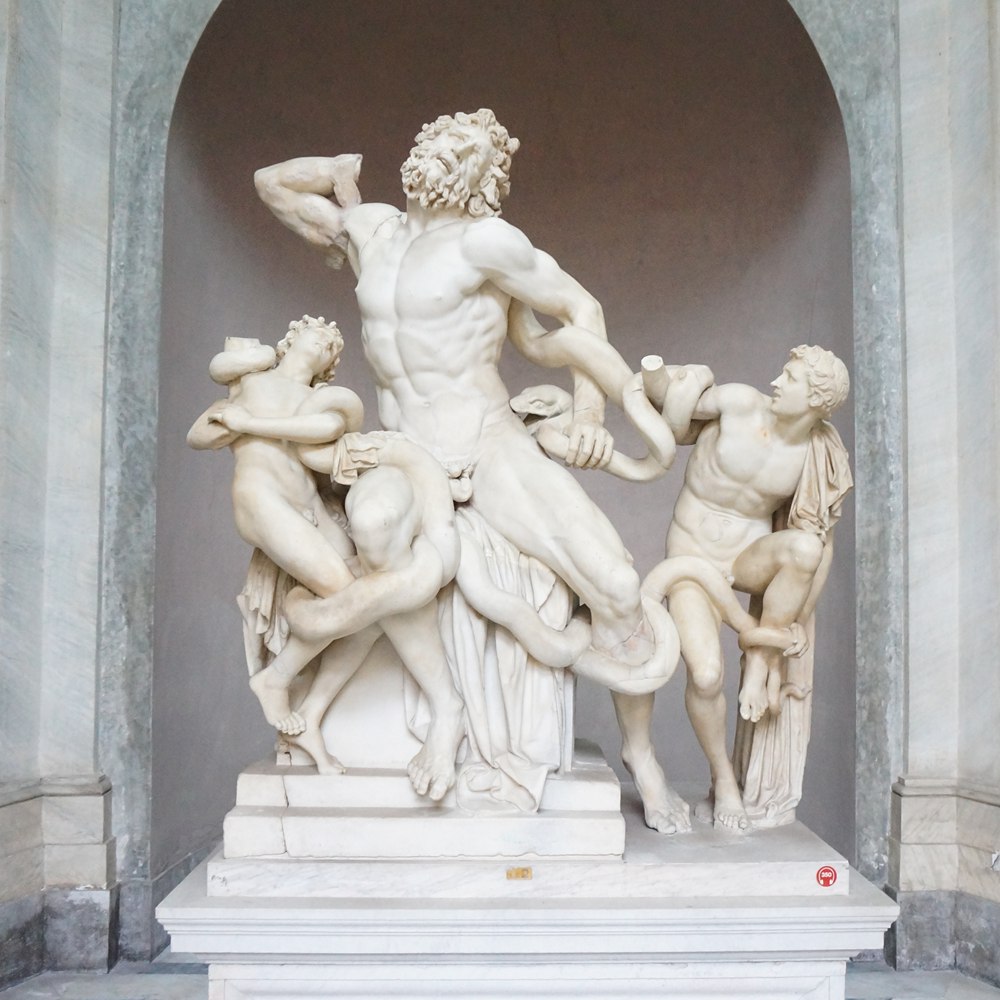
Laocoön and His Sons (1st Century BCE–1st Century CE)
Also housed in the Vatican Museums, Laocoön and His Sons depicts the dramatic struggle of the Trojan priest Laocoön and his sons as they are attacked by sea serpents. The sculpture is celebrated for its dynamic movement, intense emotion, and extraordinary anatomical detail. It is considered one of the greatest surviving masterpieces of Hellenistic sculpture and has inspired generations of artists since its rediscovery during the Renaissance.
Where Are Figurative Marble Sculptures Used Today?
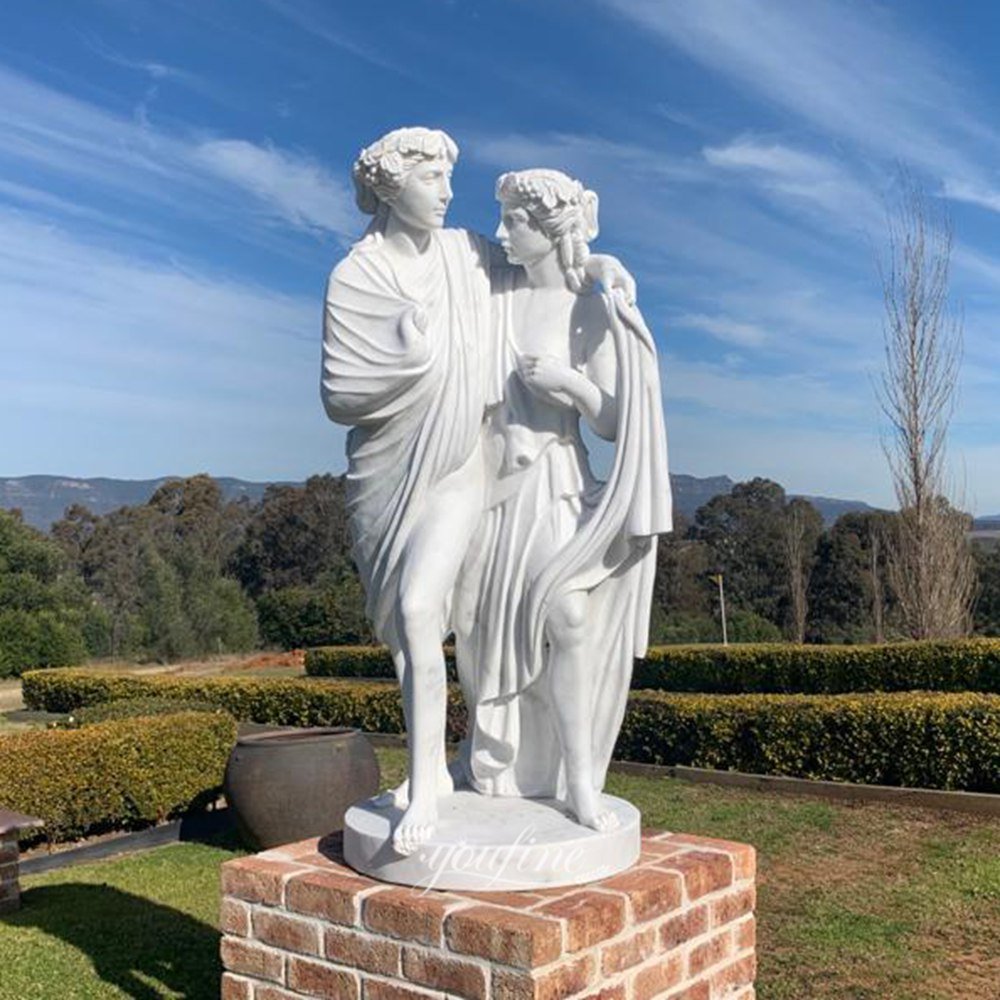
Homes and Gardens
Homeowners often use figurative sculptures to create elegant focal points in:
- Gardens
- Courtyards
- Entryways
- Poolside landscapes
Churches and Religious Spaces
Religious institutions frequently commission marble sculptures for:
- Sanctuaries
- Prayer gardens
- Memorial areas
- Church entrances
Hotels and Resorts
Luxury hotels and resorts use figurative sculptures to enhance architectural beauty and create memorable guest experiences.
Public Parks and Memorials
Municipalities and organizations install marble statues to commemorate historical events, cultural heritage, and notable individuals.
Private Collections
Art collectors value figurative marble sculptures for their craftsmanship, investment potential, and timeless artistic appeal.
How to Choose the Right Figurative Marble Sculpture?
To ensure your investment complements its setting and stands the test of time, evaluate these five essential buying factors:
1. Match the Subject to Your Space
- Estate Entrances: Lions, horses, or human figures (Guardianship & luxury).
- Classical Gardens: Mythological statues like Venus or Apollo (Timeless elegance).
- Sacred Spaces: Virgin Mary, Jesus, or Angels (Devotion & serenity).
- Memorials & Collections: Custom portrait busts or classical replicas.
2. Determine the Proportional Size
- Indoor Displays: 2–5 ft (60–150 cm)
- Gardens & Courtyards: 4–7 ft (120–210 cm)
- Estate Entrances & Gates: 6–10 ft (180–300 cm)
- Public Plazas & Monuments: 10 ft+ (300 cm+)
3. Select Marble Material & Color
Always specify Premium Grade-A Marble for better density and weather resistance.
- White Marble: The classic choice; ideal for capturing delicate facial and muscle shadows.
- Beige Marble: Warm and welcoming; blends seamlessly with natural garden landscapes.
- Gray / Black Marble: Sleek and sophisticated; perfect for contemporary architecture.
- Multi-Color (Polychrome): High-end technique combining different stones (e.g., a white marble body with light green marble drapery) for striking contrast.
4. Evaluate Carving Craftsmanship (The Quality Checklist)
Review the manufacturer’s portfolio or clay models against these four criteria:
- Facial Realism: Lifelike, symmetrical expressions with emotional depth.
- Anatomical Accuracy: Proper body proportions and realistic muscle/skin textures.
- Fluid Drapery: Crisp carving that makes solid stone look as light as real fabric.
- Surface Finish: Finely polished or painted finish to show different visual effects.
5. Decide: Standard Replica vs. Bespoke Customization
- Standard Reproductions: Cost-effective choice for famous masterpieces (e.g., David, Venus de Milo, Pietà).
- Bespoke Customization: Ideal for unique branding, estates, or memorials. Choose a partner offering 1-to-1 design support to customize poses, sizes, and portrait details.
Frequently Asked Questions
Figurative vs. Abstract Marble Sculpture: What’s the Difference?
Figurative sculptures replicate recognizable real-world subjects like humans or animals with lifelike detail. Abstract sculptures focus strictly on non-representational shapes, lines, and geometric forms.
Can Figurative Marble Statues Stay Outdoors Year-Round?
Yes. Premium Grade-A marble is highly weather-resistant and easily withstands harsh frost, heavy rain, and UV exposure.
How to Clean and Maintain a Marble Sculpture?
Rinse off dust with clean water and wipe gently with a soft cloth. Never use acidic cleaners, bleach, or wire brushes, which can damage the stone’s texture.
What Is the Lifespan of a Premium Marble Sculpture?
It lasts for centuries. High-quality marble is virtually permanent, turning your sculpture into a timeless heirloom that spans generations.
How to Customize a Marble Sculpture?
We transform your photos or sketches into a 1:1 clay model for your approval. Once confirmed, our master artisans hand-carve the final design into premium marble.
Final Thoughts
Figurative marble sculptures are among the most enduring and admired forms of artistic expression. By depicting recognizable human, animal, religious, and mythological subjects, they create an immediate connection with viewers while showcasing the extraordinary possibilities of marble carving.
From ancient Greek masterpieces to contemporary commissions, figurative marble sculptures continue to enrich homes, gardens, churches, hotels, and public spaces around the world.
Whether you are an art collector, designer, architect, or property owner, if you are interested in purchasing a finely carved figurative marble sculpture, you could contact us directly. The meticulous carving of over 40 years and extensive global sales experience would ensure your satisfaction!