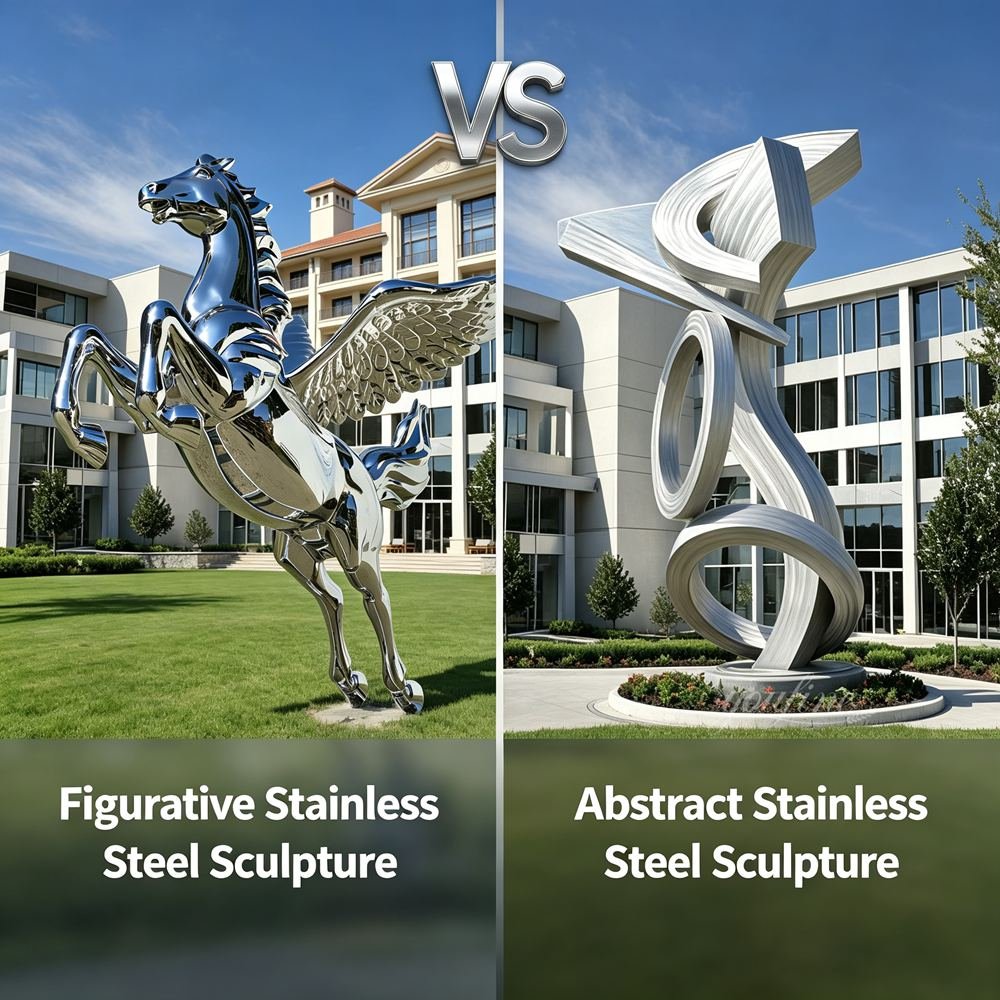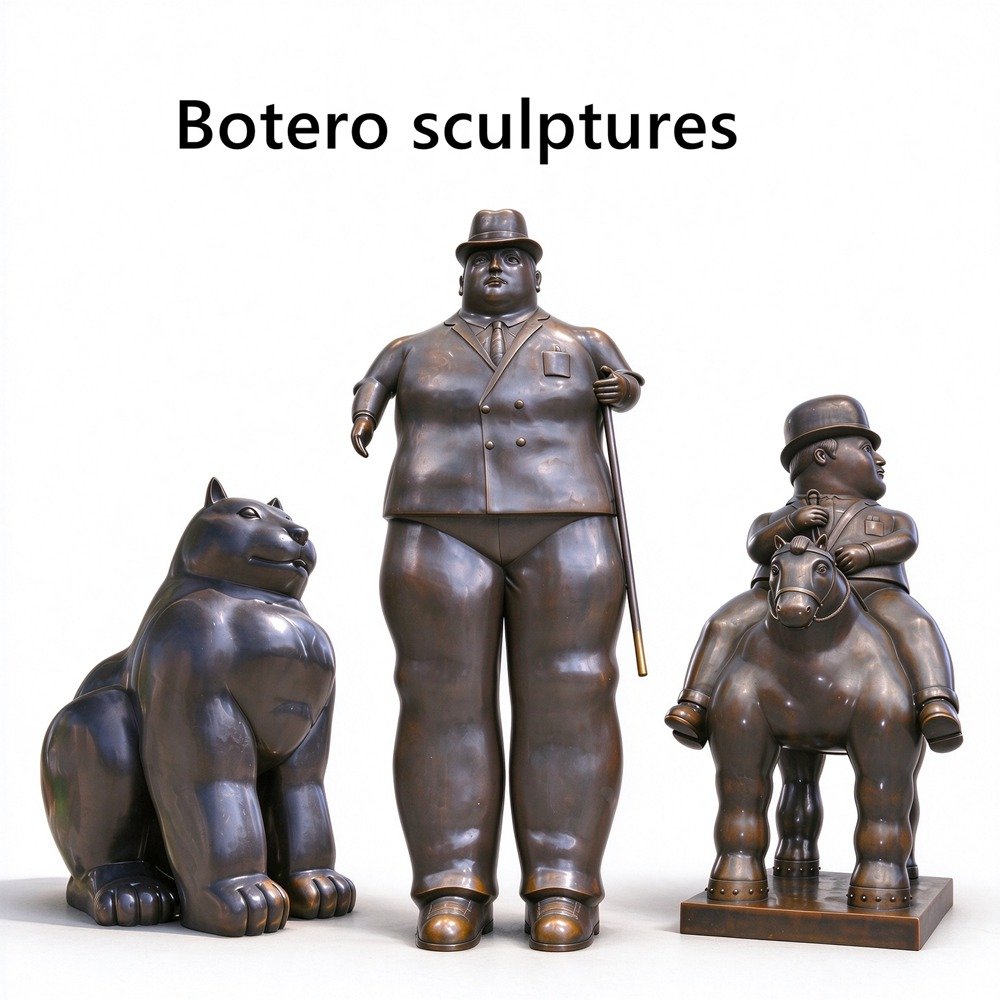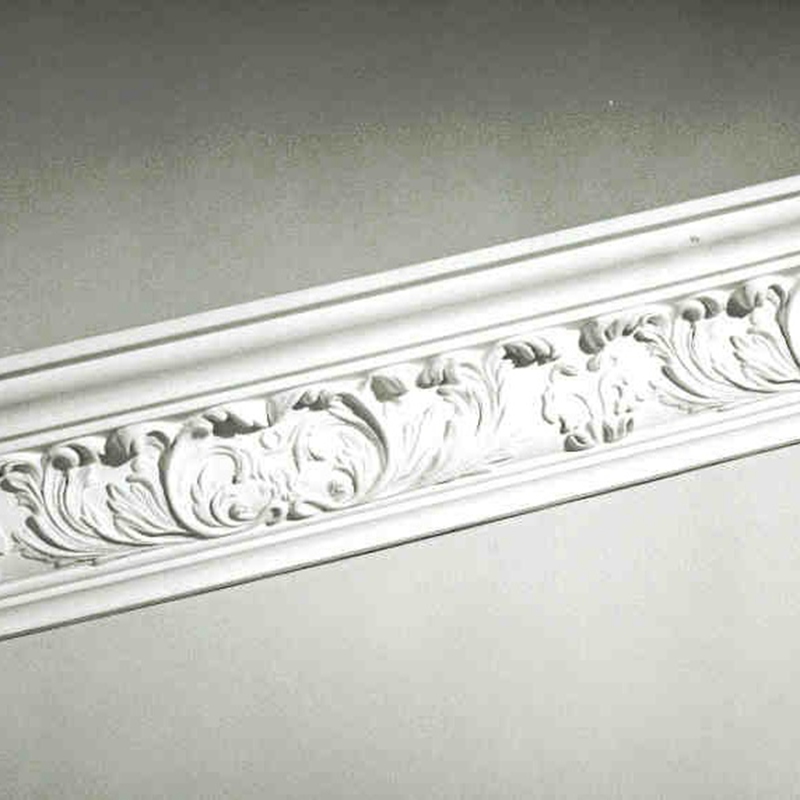
The main difference between sculpture and architecture lies in functionality. Architecture is designed to create usable, inhabitable spaces for people, while sculpture is primarily created for artistic expression and visual impact.
For designers, students, and art enthusiasts, the lines between these two disciplines often blur because both rely on three-dimensional forms and spatial thinking. However, their underlying constraints—such as building codes, structural engineering, and human interaction—are fundamentally different. In this guide, we will dive deep into the 8 core differences between the two and explore how modern design is blending these worlds into monumental landmarks.
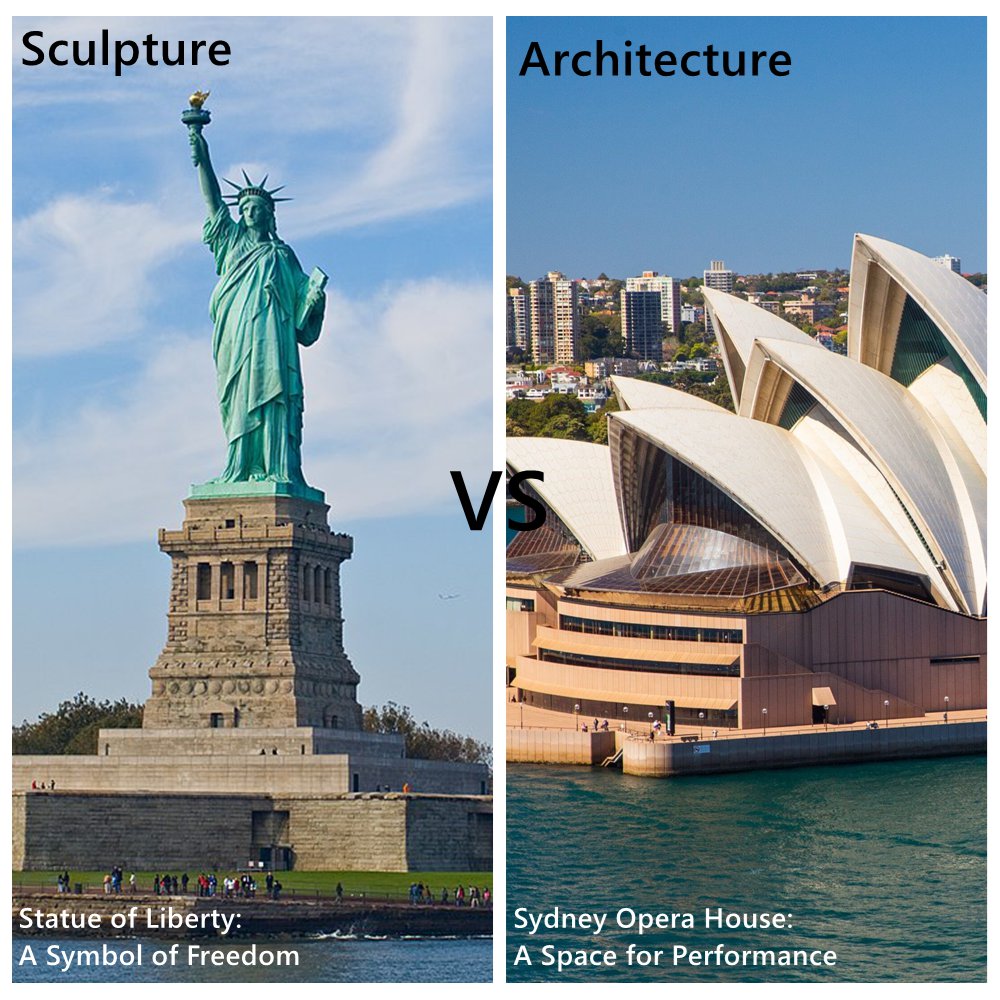
What is Architecture?
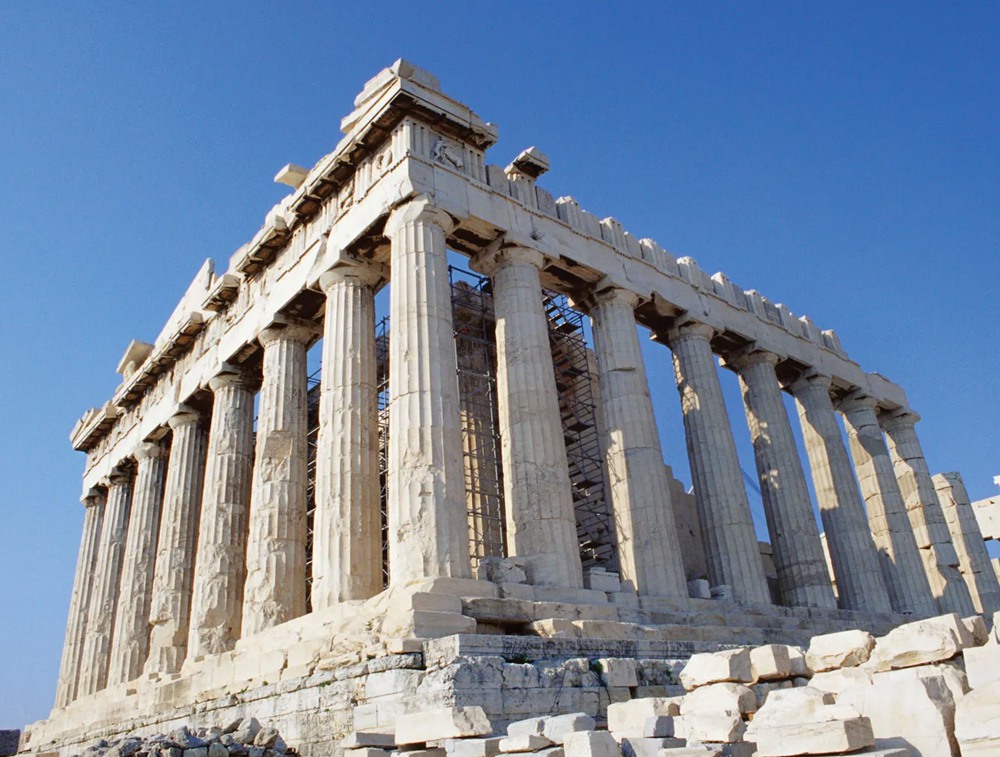
Architecture is the process of planning, designing, and constructing buildings or other structures. Its core features are utility, durability, and beauty. It creates an internal environment where people can live, work, or worship.
Example: The Parthenon in Greece or a modern marble cathedral.
What is Sculpture?
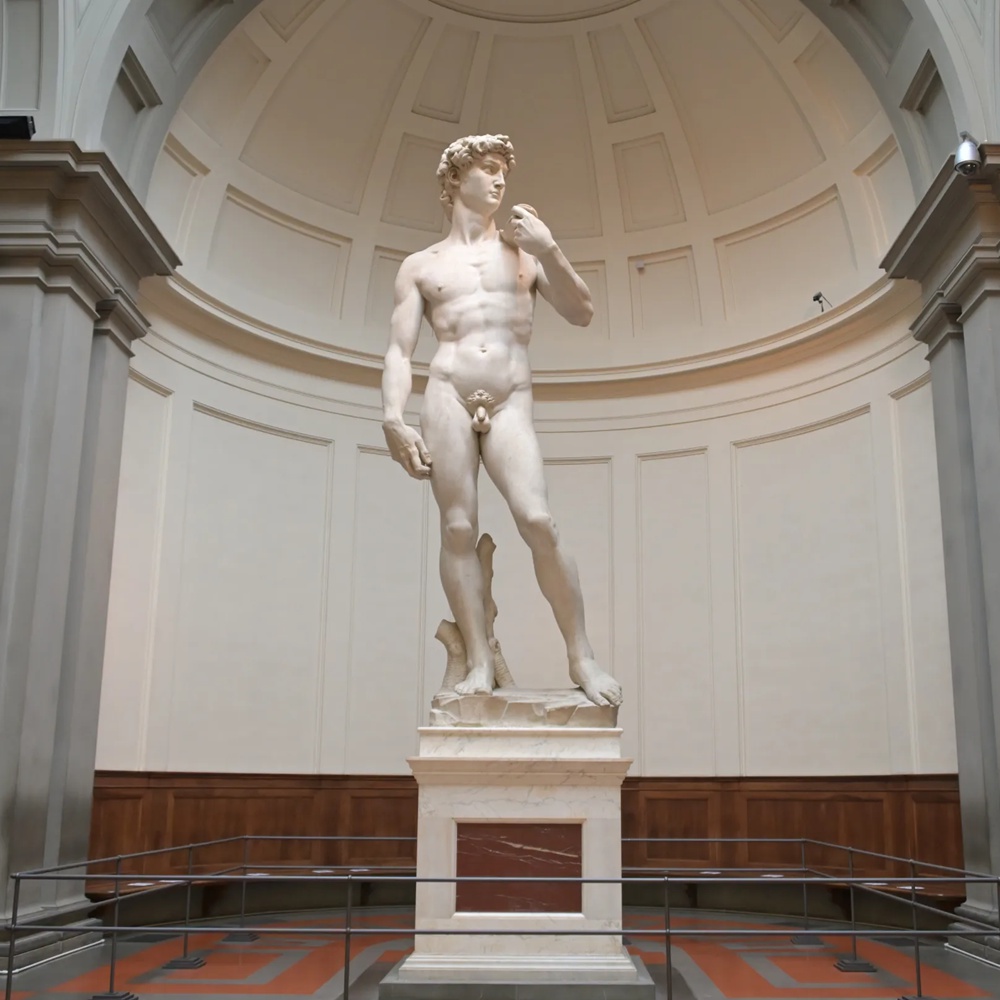
Sculpture is a branch of the visual arts that operates in three dimensions. It is the art of carving, modeling, or welding materials into artistic forms. Its core features are expression, texture, and volume.
Example: Michelangelo’s David or a contemporary outdoor abstract monument.
8 Key Differences: Sculpture vs Architecture
Before diving deeper, here’s a quick comparison:
| Feature | Architecture | Sculpture |
|---|---|---|
| Primary Purpose | Functional shelter and utility | Artistic and symbolic expression |
| Human Interaction | We inhabit and move inside it | We observe and engage with it outside |
| Engineering | Strict structural safety & load-bearing | Focus on form, balance, and aesthetics |
| Regulations | Must follow strict building codes | Primarily guided by the artist’s vision |
| Qualification | Requires licensed architects | Created by artists or sculptors |
| Material | Must be durable, safe, and weather-proof | Unlimited (stone, metal, resin, ice, etc.) |
| Context | Fixed to site, climate, and environment | Can be site-specific or portable |
| Value | Tied to real estate and land markets | Tied to artistic reputation and rarity |
Key Differences Explained
-
Primary Purpose
The most fundamental difference lies in purpose. Architecture is created to provide functional shelter and usable space, such as homes, offices, or public buildings. Sculpture, on the other hand, exists primarily for artistic and symbolic expression, aiming to convey ideas, emotions, or cultural meaning.
-
Human Interaction
Architecture is designed for people to inhabit and move within, shaping how we live, work, and experience space. Sculpture is typically meant to be observed from the outside, although some modern works allow limited interaction.
-
Engineering
Architecture must meet strict structural and engineering requirements, including load-bearing capacity, stability, and long-term safety. Sculpture focuses more on form, proportion, and visual balance, though large-scale works may still require technical support.
-
Regulations
Buildings are subject to strict regulations and building codes to ensure safety and compliance. Sculpture, in contrast, is largely guided by the artist’s creative vision, with fewer formal constraints unless installed in public spaces.
-
Qualification
Architecture requires licensed professionals with formal training and certification. Sculpture can be created by artists or sculptors without mandatory licensing, allowing for greater creative freedom.
-
Material
Architectural materials must be durable, weather-resistant, and structurally reliable, such as concrete, steel, or reinforced stone. Sculpture offers unlimited material possibilities, ranging from traditional materials like marble and bronze to experimental ones like resin, glass, or even ice.
-
Context
Architecture is fixed to a specific site and must respond to climate, geography, and cultural surroundings. Sculpture can be either site-specific or portable, allowing it to be relocated, exhibited, or adapted to different environments.
-
Value
The value of architecture is often linked to land, location, and real estate markets. Sculpture derives its value from artistic quality, uniqueness, and the reputation of the artist, making it more closely tied to the art market.
Theory is one thing, but how do these differences play out in the real world? This insightful video from Architecture Minute examines famous structures that defy classification
As seen in the video, when architecture becomes highly sculptural, the traditional boundaries begin to fade. This brings us to the next big topic: the rising trend of blending these two worlds
When Sculpture Meets Architecture: From “Inhabited Sculpture” to Sculptural Architecture
After understanding the clear differences between sculpture and architecture, it’s important to recognize that in modern design, the boundary between them is becoming increasingly blurred.
The idea that “architecture is inhabited sculpture”, often attributed to the modern sculptor Constantin Brâncuși, helps explain this shift. It suggests that buildings are not just functional structures, but also three-dimensional artistic forms that people can experience from within.
What Is Sculptural Architecture?
Sculptural architecture refers to buildings or structures designed with a strong emphasis on artistic form, visual impact, and spatial experience, while still maintaining their functional role.
In other words, it is where:
- Architecture adopts the expressiveness of sculpture
- Sculpture begins to engage with space and human interaction
Why the Boundary Is Blurring?
Modern design has a trend of a mix of practicality and art. As buildings become more like art and sculptures become more spatial, the two mix perfectly, and you couldn’t tell the difference.
-
Function Meets Expression
Modern architecture is no longer purely functional. Many buildings are designed to convey identity, culture, or emotion—similar to sculpture.
-
Experience from the Inside
Unlike traditional sculpture, sculptural architecture allows people to move through and inhabit the form, turning art into an immersive experience.
-
Advances in Technology and Materials
New fabrication techniques and materials (such as stainless steel and complex structural systems) make it possible to create bold, fluid, and unconventional forms.
Real-World Examples:
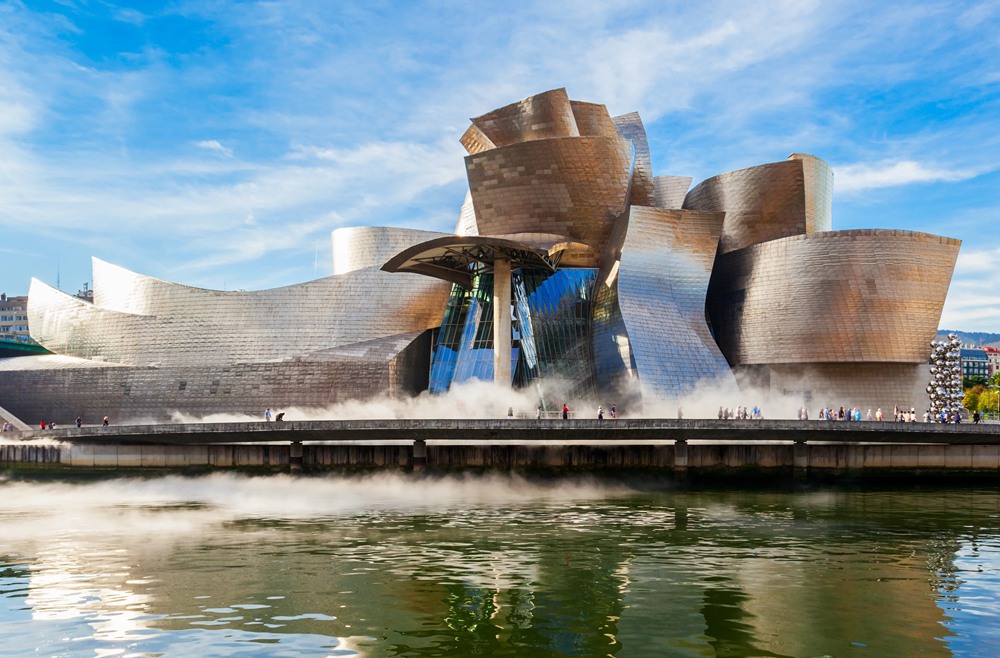
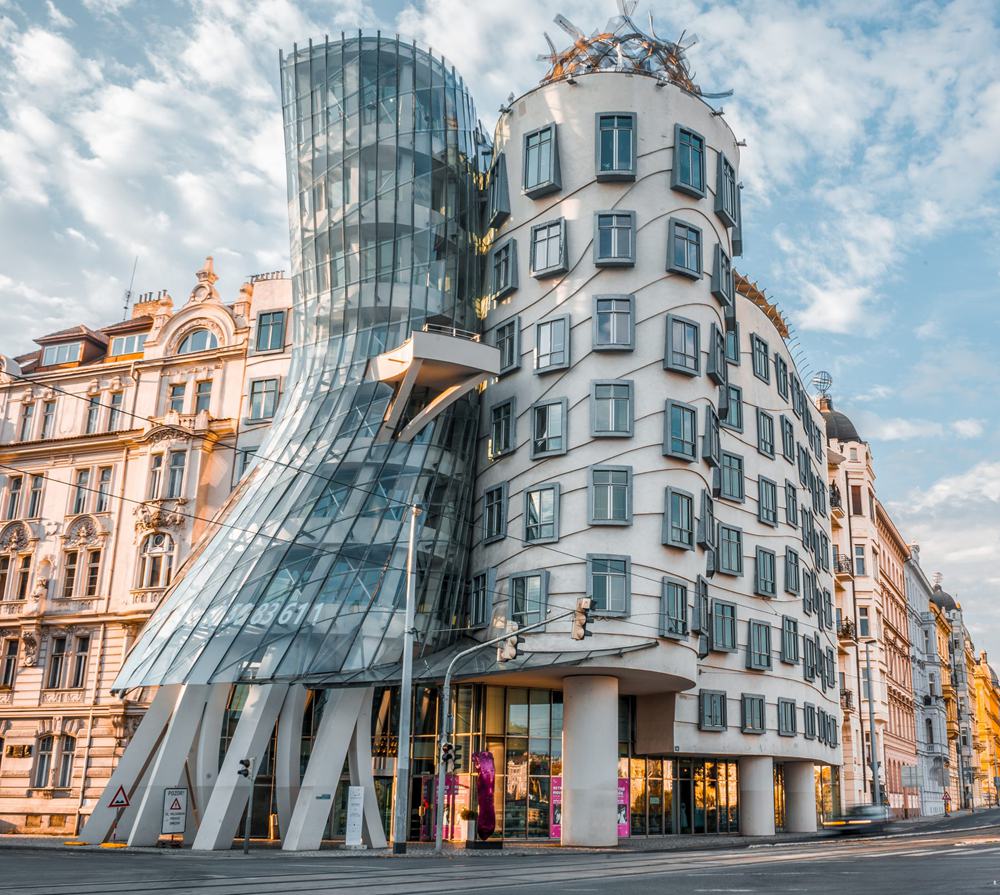
- The Guggenheim Museum Bilbao — a building that looks like a flowing sculpture
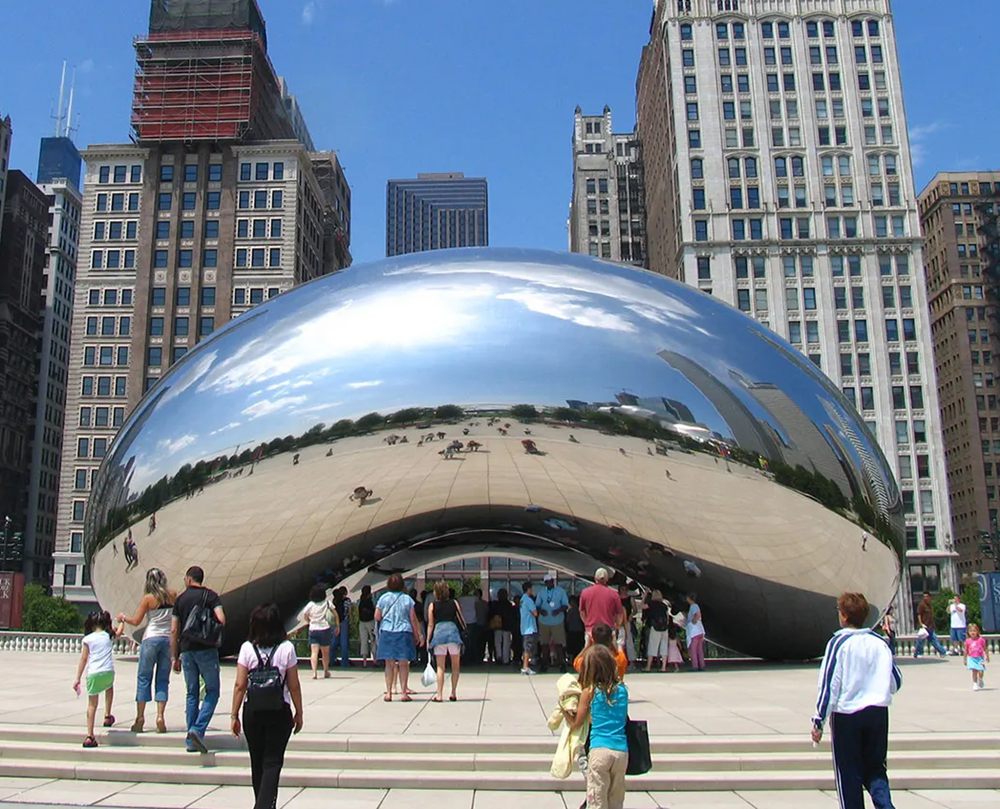
- Cloud Gate (Chicago) — a sculpture that shapes spatial experience in an urban setting
- The Dancing House (Prague) — architecture with dynamic, sculptural movement
Why Sculptural Architecture Matters Today?
The rise of sculptural architecture reflects a broader shift in how we design spaces. Cities, developers, and designers increasingly seek landmark sculptures and large-scale structures that combine:
- Visual impact
- Cultural identity
- Public engagement
This trend shows that architecture is no longer just about building for use—it is about creating memorable, artistic environments.
Key Factors in Large-Scale Sculpture Projects
As sculptural architecture and large-scale public art continue to shape modern cities, turning a concept into a real, physical structure involves far more than artistic vision alone.
Whether for a public plaza, commercial space, or private estate, a successful large-scale or landmark sculpture project requires careful consideration of several key factors.
-
Design Intent and Purpose
The first step is to clearly define the role of the sculpture.
Is it meant to be a visual landmark, a cultural symbol, or an interactive installation?
A strong concept ensures the final work aligns with both aesthetic goals and the surrounding environment.
-
Site and Environmental Context
Unlike smaller artworks, large sculptures must respond to their surroundings, including:
- Climate and weather conditions
- Available space and visibility
- Relationship with nearby architecture
A well-integrated sculpture enhances the identity of the entire site.
-
Material Selection
Material choice directly affects durability, maintenance, and visual impact. Common options include:
- Stainless steel for modern, reflective designs
- Bronze for timeless and classical appeal
- Stone or marble for monumentality and tradition
Each material must be suitable for long-term outdoor exposure.
-
Structural Engineering and Safety
Even though sculpture is an art form, large-scale works require serious engineering support.
Factors such as:
- Wind load
- Foundation stability
- Internal structure
must be carefully planned to ensure safety and longevity.
-
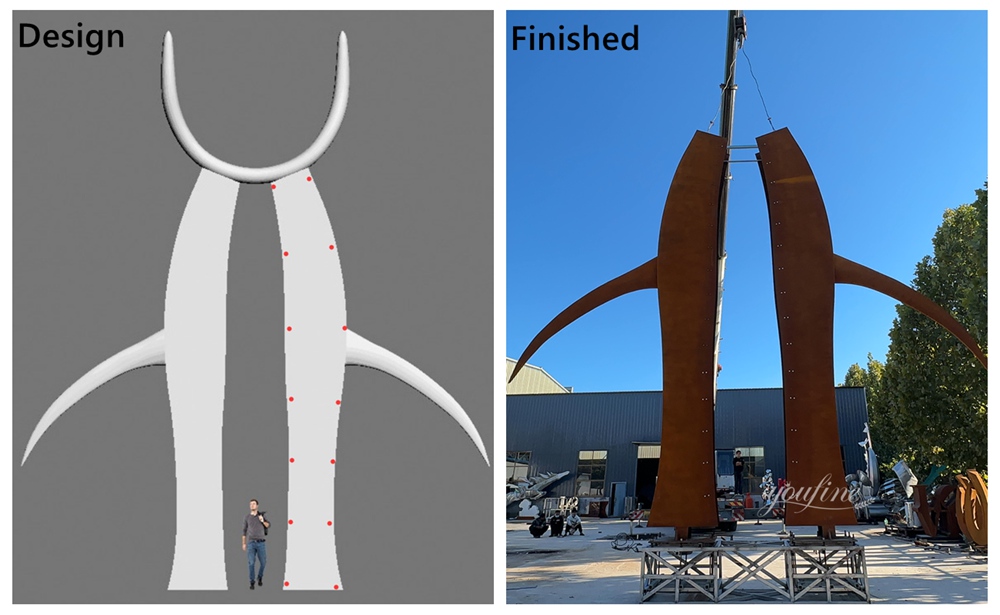
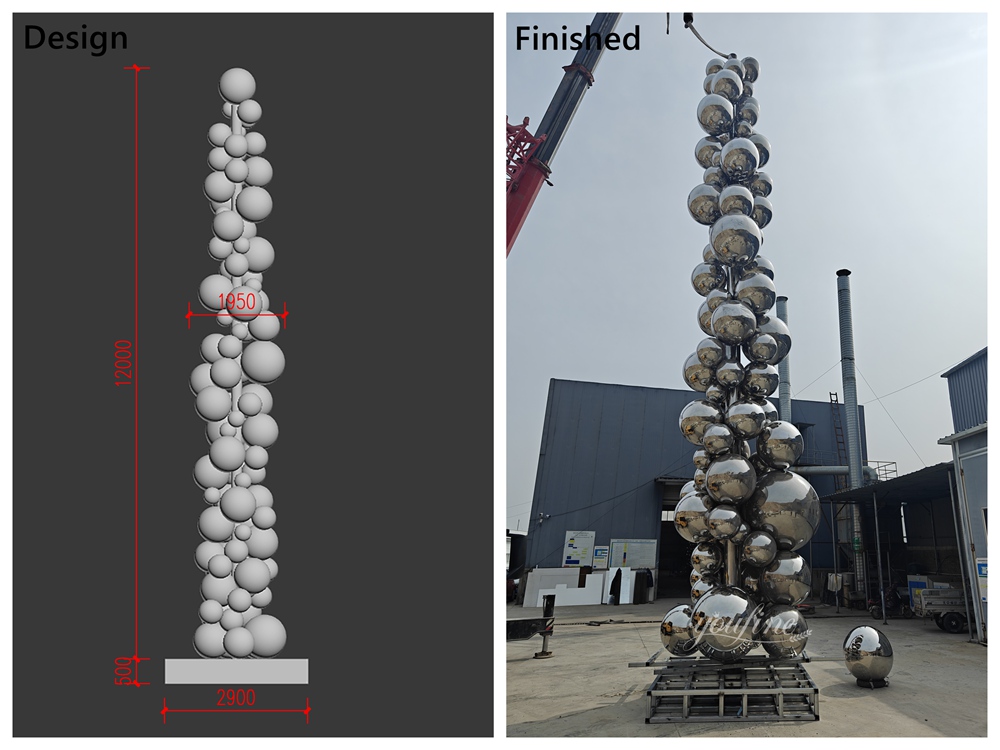
Fabrication and Technical Expertise
Executing a large sculpture demands specialized skills and equipment, including:
- Advanced fabrication techniques
- Precision casting or metal forming
- Surface finishing and detailing
Working with experienced fabricators is essential to achieve both artistic quality and structural reliability.
-
Installation and Logistics
Transportation and installation are often among the most challenging stages.
Considerations include:
- Shipping large components
- On-site assembly
- Use of cranes or heavy machinery
Proper planning helps avoid delays and unexpected costs.
-
Long-Term Maintenance and Value
A landmark sculpture is a long-term investment. Maintenance planning should include:
- Surface protection
- Cleaning and restoration
- Resistance to weather and aging
Over time, a well-executed sculpture can become a cultural icon and increase the value of its location.
FAQs
-
What is the difference between painting, sculpture, and architecture?
Painting is two-dimensional, sculpture is three-dimensional art, while architecture creates three-dimensional spaces designed for human use and interaction.
-
Is architecture a form of art?
Yes, architecture is often hailed as the most practical and monumental form of art. While it must adhere to the laws of physics and engineering, its soul lies in its ability to evoke emotion through space, light, and form. As the saying goes, ‘Architecture is music in space, as it were a frozen music.’
-
Can sculpture be functional?
Yes, although most sculptures are created for artistic purposes, some modern works are designed to be interactive or functional, blurring the line between sculpture and architecture.
-
Can a building be legally classified as a sculpture?
In most cases, buildings are legally classified as architecture due to their functional use and regulatory requirements. However, some highly artistic structures may be described as sculptural in design.
-
When should sculpture and architecture be integrated?
Sculpture and architecture are often integrated in projects that aim to create a strong visual identity, such as public spaces, landmarks, cultural buildings, or high-end commercial developments.
-
What materials are best for large-scale or architectural sculptures?
Common materials include stainless steel for modern designs, bronze for durability and tradition, and stone or marble for a monumental appearance. The choice depends on the environment, scale, and design intent.
Final Thoughts
While sculpture and architecture serve different purposes—one for shelter and the other for expression—modern design is increasingly blurring the lines between them. From sculptural buildings to monumental public art, the synergy between form and function continues to redefine our urban landscapes.
Partner with Experts in Monumental Art
Realizing a landmark project requires a bridge between artistic vision and structural engineering. Since 1983, YouFine Art Sculpture Gallery Factory has specialized in bringing large-scale visions to life.
With a global portfolio including major projects in the New Zealand Sculpture Project and Urban Construction Sculpture Project, we provide expert craftsmanship in bronze, stainless steel, and marble. We prioritize safety, durability, and aesthetic precision in every piece we create.
Ready to start your next landmark project? Contact us and let’s create a masterpiece together.